
Elvie Pump vs Elvie Stride 2: The Ultimate Wearable Test
Deciding between the elvie pump vs elvie stride 2 can feel completely overwhelming when you are already functioning on broken sleep and cold coffee. As an exclusive pumper, I know firsthand that choosing the right wearable breast pump is one of the most critical decisions you will make postpartum. You need a reliable machine that successfully empties your milk ducts without tethering you to a wall outlet for hours every single day.
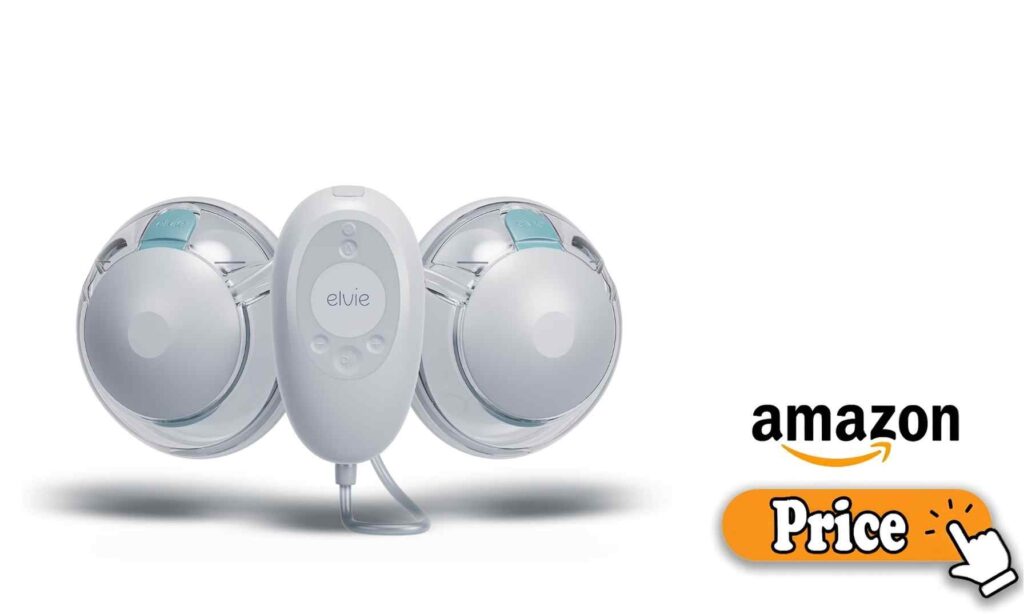
Over my 15 years as a certified lactation consultant (IBCLC), I have personally tested, washed, and troubleshooted almost every breast pump on the market. I have navigated the frustration of an app disconnecting mid-session and the sheer panic of spilled milk when bending over to grab a toddler’s toy. In this comprehensive review, I will break down exactly how these two premium Elvie models perform in the messy, chaotic reality of daily motherhood.
Elvie Pump Review
The original Elvie Pump completely revolutionized the lactation industry by introducing a truly tubeless, silent wearable experience. It remains a massive status symbol for modern pumping parents who prioritize ultimate discretion above all else.
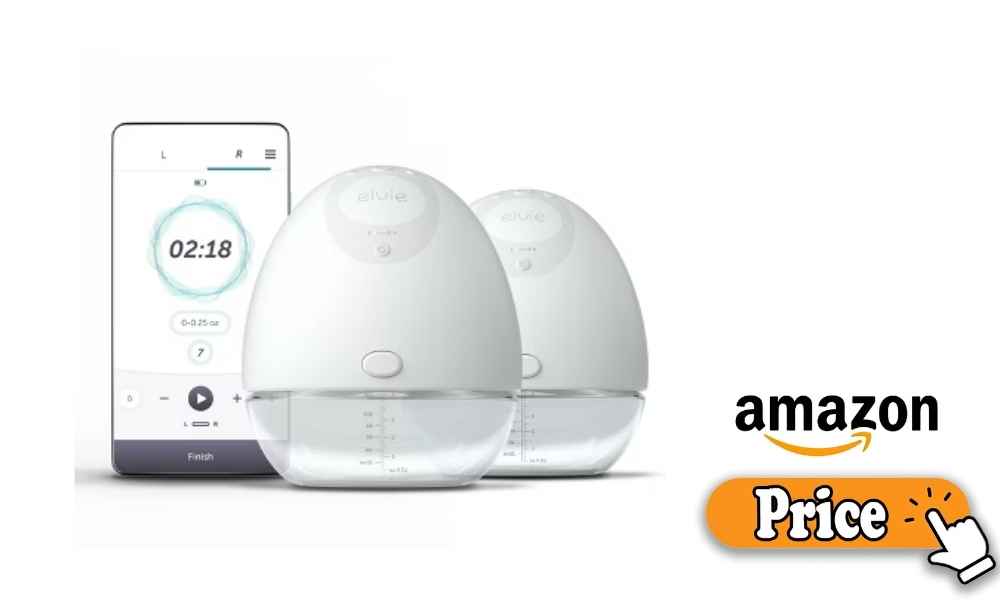
Pros and Cons
Evaluating the everyday reality of this device reveals a fascinating mix of engineering brilliance and frustrating design oversights. Here is a realistic look at what you can expect when using this premium tubeless system to manage your daily milk expression.
| Feature Category | Biggest Advantages | Noticeable Drawbacks |
| Form Factor | Completely tubeless and wires-free | Rigid plastic shields can cause friction |
| Noise Profile | Virtually silent motor operation | Clicking sounds if parts are wet |
| Smart Tech | Auto-pauses when bottles are full | Volume sensors are notoriously inaccurate |
These unique advantages and drawbacks make this specific device highly polarizing within the exclusive pumping community today. You must carefully weigh these functional factors against your daily routine and specific lactation goals before making a final purchase.
My Personal Experience
During my hands-on testing, the absolute silence of this motor felt like pure magic during middle-of-the-night sessions next to my sleeping baby. However, the learning curve for proper alignment is incredibly steep, and I often struggled to ensure my nipple was perfectly centered in the hard plastic shield. If you do not master how to pump without nipple pain using proper flange sizing and silicone inserts, this rigid setup can become uncomfortable during long daily stretches.
I also discovered that the five-ounce collection capacity is quite restrictive if you are managing a significant oversupply in the early postpartum weeks. The automatic shut-off feature, designed to prevent messy overflows, occasionally triggered prematurely due to milk splashing against the internal sensor. This forced me to swap containers frequently, interrupting my let-down stimulation and extending my total pumping time considerably.
Recommendation
This completely tubeless setup is an absolute lifesaver for working professionals who need to pump discreetly during Zoom calls or long office commutes. The fact that the entire mechanism sits entirely inside your nursing bra provides a level of physical freedom that traditional bulky models simply cannot match. It easily slips under a standard loose blouse without looking completely obvious or drawing unwanted attention from your corporate coworkers.
However, I strongly caution against relying on this as your sole primary pump if you have a low supply or need to establish lactation from scratch. The internal motor is exceptionally gentle and incredibly quiet, but it lacks the heavy-duty suction required to forcefully drain stubborn milk ducts day after day. It shines brightest as a secondary convenience device rather than your main heavy-duty workhorse.
Elvie Stride 2 Review
The Elvie Stride 2 takes the core concept of a hospital-grade portable motor and combines it with incredibly comfortable, newly redesigned collection cups. It bridges the critical gap between serious suction power and essential hands-free daily convenience.
Pros and Cons
This upgraded model introduces several highly functional enhancements over the original Stride, particularly concerning user comfort and motor efficiency. Let us break down the daily realities of managing this powerful hub-and-tube wearable system.
| Feature Category | Biggest Advantages | Noticeable Drawbacks |
| Suction Strength | Hospital-grade pull clears ducts fast | Wires can snag on door handles |
| Cup Design | Soft silicone edges preserve tissue | Slightly bulkier than the original |
| Cost Value | Often fully covered by insurance | Hub requires pocket or waistband clip |
Understanding these structural trade-offs is absolutely crucial before committing to a daily relationship with this specific breast pump. The external wires require a bit of strategic wardrobe planning to manage efficiently while moving around your home.
My Personal Experience
Transitioning to the newly designed silicone cushions on the Stride 2 was an absolute revelation for preserving my sensitive nipple tissue. Unlike rigid plastic shields, the soft silicone barrier conforms beautifully to the breast, creating a significantly better seal while aggressively drawing out milk. I noticed a much faster response when using the massage mode, which drastically reduced the total duration of my pumping sessions over the week.
The external motor hub is surprisingly lightweight, but dealing with the plastic tubing while chasing an active toddler requires some serious logistical planning. On more than one occasion, a tube snagged on a doorknob, completely breaking the closed system seal and halting my suction abruptly. Despite this minor annoyance, the sheer power of the hospital-grade motor successfully managed my intense exclusive pumping schedule without degrading over time.
Recommendation
I enthusiastically recommend this system for exclusive pumpers who absolutely require strong, consistent suction but still want the freedom to move around the house. If you often find yourself asking is a wearable pump worth it for exclusive pumping, this specific model provides a resounding and definitive yes. It delivers the heavy-duty performance of a traditional wall pump combined with the enhanced mobility of discreet in-bra collection cups.
This is also a fantastic option for expectant parents navigating complex insurance upgrades, as it frequently comes with a much smaller out-of-pocket fee than the fully tubeless alternative. It is ideal for individuals who prioritize maximizing their milk output over achieving absolute physical invisibility under their tight clothing. You get premium hospital-grade performance without completely draining your family savings account in the process.
Details Comparison: elvie pump vs elvie stride 2
To make a truly informed decision, we must analyze how these two distinct systems handle the microscopic details of daily lactation management. Here is exactly how they stack up across five critical performance metrics that dictate your postpartum sanity.
Suction Power and Let-Down Stimulation
When comparing the suction levels (mmHg) of these two devices, the difference in internal motor architecture becomes immediately apparent upon first use. The original Elvie utilizes a miniature, ultra-quiet motor housed inside the cup, which offers a gentle, rhythmic pull that perfectly mimics a relaxed nursing baby. In contrast, the Stride 2 relies on an external hospital-grade hub that delivers a significantly deeper, more forceful vacuum to trigger rapid milk expression.
If you are currently struggling with a persistent low supply, the stronger extraction capabilities of the external hub will be far more effective at emptying your breasts completely. Conversely, parents with a highly responsive oversupply might actually prefer the gentler tug of the completely tubeless model to avoid unnecessary tissue discomfort. Understanding your unique bodily response to vacuum pressure is the most important deciding factor here.
Here is a direct technical comparison of how the suction dynamics and motor capabilities differ fundamentally between the two wearable models.
| Technical Spec | Elvie Pump (Original) | Elvie Stride 2 |
| Max Suction | ~220 mmHg (Gentle pull) | ~300 mmHg (Hospital-grade) |
| Stimulation | Subtle, fluttering rhythm | Deep, aggressive pulling action |
| Motor Style | Internal micro-motor | External heavy-duty hub |
Ultimately, raw vacuum power often dictates the long-term success of a pumping journey, especially if you are entirely dependent on the machine for your baby’s food.
Rating: Elvie Pump: 7/10 || Elvie Stride 2: 9.5/10
Portability and In-Bra Discretion
True physical mobility is the primary reason exhausted parents invest in wearable technology, but these two systems offer vastly different interpretations of freedom. The original model allows you to dress normally, providing incredible discretion because there are absolutely no external wires or bulky hubs to carefully conceal. I could easily wear it during a crowded grocery run without anyone noticing the subtle glowing lights beneath my dark winter sweater.
The upgraded hub system, however, forces you to carefully thread plastic tubing down your shirt and clip a motorized block directly to your waistband. While the collection cups themselves are quite slim and contour nicely against the chest, the external wires constantly remind you that you are physically tethered to a machine. You also run a slightly higher risk of the cups shifting and losing suction when bending over to pick up toys from the living room floor.
This matrix breaks down exactly which device performs best in various everyday lifestyle environments and stressful postpartum scenarios.
| Lifestyle Scenario | Elvie Pump Winner? | Elvie Stride 2 Winner? |
| Office Meetings | Yes, completely invisible | No, wires are hard to hide |
| Active Chores | No, spills easily when bending | Yes, secure silicone grip |
| Long Commutes | Yes, no bulky hubs needed | Yes, fits easily in cup holders |
Your daily wardrobe choices, personal comfort limits, and workplace environment will heavily influence which specific form factor feels less restrictive to your lifestyle.
Rating: Elvie Pump: 9/10 || Elvie Stride 2: 7/10
Part Count and Midnight Cleaning
The sheer drudgery of washing sticky pump parts at two in the morning cannot be overstated, and every single component adds to your mounting sleep deprivation. Both of these pumps operate on a highly secure closed system, meaning milk never enters the tubing or the motor, which drastically improves overall sanitation. However, the tubeless original consists of five distinct plastic pieces per side that must be meticulously scrubbed, air-dried, and perfectly reassembled.
The newer hub model utilizes slightly fewer components in the critical milk-contact zone, and the inclusion of large, easy-to-handle duckbill valves is a massive daily improvement. I cannot count how many times the tiny, fragile valves of the original model slipped down my kitchen sink drain during a frantic, exhausted midnight washing session. If you want to know the best time to replace duckbill valves, it is usually every four weeks, so daily durability and ease of handling matter immensely.
Let us analyze the specific technical components you will be forced to clean, sanitize, and assemble multiple times a day while heavily sleep-deprived.
| Cleaning Metric | Elvie Pump Components | Elvie Stride 2 Components |
| Total Washable Parts | 5 pieces per collection cup | 4 pieces per collection cup |
| Valve Durability | Thin, fragile, easy to lose | Thick, sturdy, easy to grip |
| Dishwasher Safe | Yes, top rack only | Yes, highly warp-resistant |
Minimizing your total time standing at the kitchen sink is absolutely critical for maintaining your mental sanity during the grueling early postpartum period.
Rating: Elvie Pump: 7.5/10 || Elvie Stride 2: 8.5/10
App Connectivity and Smart Features
Both of these devices boast impressive Bluetooth connectivity, syncing directly to a dedicated smartphone app to track your daily pumping history and effortlessly control suction modes. The flagship tubeless model features sophisticated internal sensors designed to estimate your milk volume in real-time, which sounds incredibly futuristic and helpful on paper. In practice, however, these volume estimations are notoriously inaccurate, often pausing the pump prematurely because it incorrectly senses that the plastic container is completely full.
The external hub model wisely skips the unreliable volume sensors and instead focuses entirely on providing a highly stable connection for controlling the expression mode remotely. I found this streamlined app experience far less frustrating, as I did not have to constantly deal with the app disconnecting mid-session and ruining my rhythmic milk flow. While both respective apps allow you to seamlessly save favorite session settings, the simpler interface of the newer model proved much more reliable during my rigorous testing.
Here is a helpful breakdown of common technical frustrations and exactly how each software system handles remote smartphone connectivity during daily use.
| Tech Issue | Elvie Pump Reality | Elvie Stride 2 Reality |
| Auto-Pause Errors | Frequent false full alerts | No volume sensors included |
| Bluetooth Drops | Occasional connection loss | Highly stable remote sync |
| Session Tracking | Tries to guess exact ounces | Tracks time and suction only |
While smart technology can certainly be helpful in tracking your routine, it should never complicate or interrupt the basic biological act of expressing breast milk.
Rating: Elvie Pump: 6.5/10 || Elvie Stride 2: 8/10
Price and Out-of-Pocket Value
The massive financial investment required for premium lactation gear is often a massive source of stress for expectant parents navigating confusing insurance benefits. The original tubeless system carries a staggering luxury price tag that frequently demands a substantial out-of-pocket upgrade fee, even with highly comprehensive medical insurance coverage. You are essentially paying a massive premium for the miniaturized technology and the aesthetic appeal of a completely invisible, wire-free pumping experience.
Conversely, the upgraded hub system offers a much more palatable financial entry point, often fully covered by insurance or requiring a very minor upgrade fee. When you factor in the recurring cost of constantly replacing duckbill valves, worn silicone inserts, and purchasing heavy-duty breast milk storage bags over twelve months, the budget-friendly model becomes incredibly attractive. The overall value proposition strongly favors the external motor if you are willing to casually sacrifice a little bit of physical discretion for massive financial savings.
This precise cost analysis highlights the long-term financial reality of actively owning, operating, and maintaining each of these premium pumping systems for a full year.
| Financial Factor | Elvie Pump Expense | Elvie Stride 2 Expense |
| Retail Cost | High-end luxury pricing | Mid-tier accessible pricing |
| Insurance Upgrade | Usually $200+ out of pocket | Often fully covered or <$100 |
| Replacement Parts | Very expensive to maintain | Highly affordable components |
Budgeting for a high-use breast pump must always include the hidden recurring costs of mandatory replacement parts to maintain optimal suction throughout your journey.
Rating: Elvie Pump: 6/10 || Elvie Stride 2: 9/10
Conclusion
Choosing between these two excellent devices ultimately comes down to heavily prioritizing either absolute physical freedom or reliable, heavy-duty suction power. If your busy days are spent in endless corporate meetings where complete invisibility is a strict requirement, the original tubeless model remains an incredible technological marvel. It provides the unmatched aesthetic discretion necessary to seamlessly maintain your pumping schedule without ever drawing any unwanted attention to your chest in public.
However, if you are a dedicated exclusive pumper demanding maximum milk extraction, the upgraded external hub system is undoubtedly the superior daily workhorse. It easily answers the frustrating question of why is my pump losing suction by providing a robust, hospital-grade motor that simply does not quit under heavy daily pressure. For the vast majority of parents balancing a strict household budget with intense lactation needs, this newer silicone-cushioned model is the absolute best investment you can make.