
Elvie Stride Plus vs Willow Go: Expert Review
Navigating the market of wearable breast pumps often leads exhausted parents straight to the elvie stride plus vs willow go debate when choosing their daily workhorse. As a certified lactation consultant and a veteran exclusive pumper, I have spent countless hours analyzing how these devices perform under the grueling pressure of real postpartum life. Choosing the right device can literally mean the difference between maintaining your milk supply and quitting out of sheer frustration.
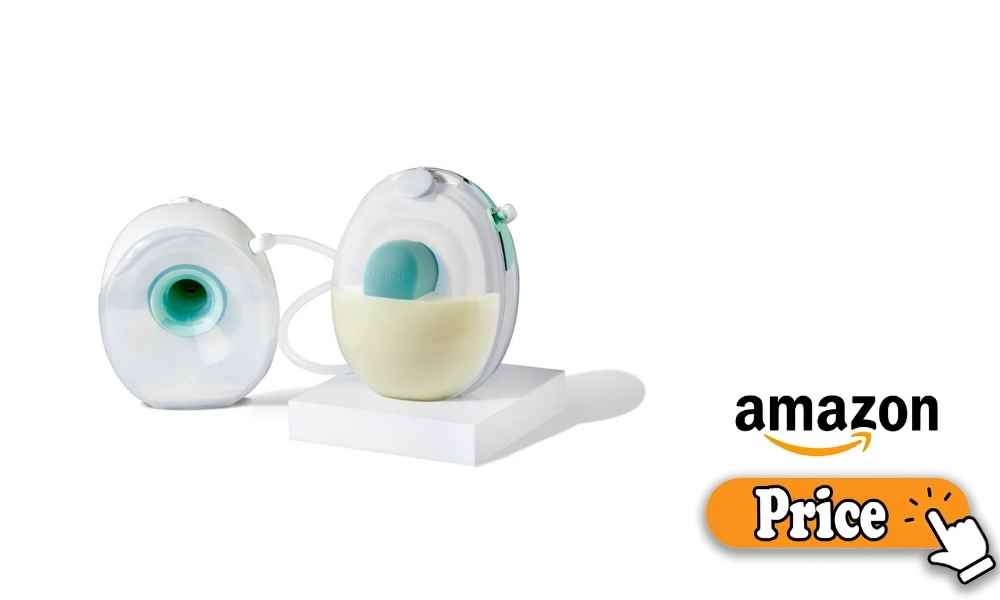
Both of these premium machines promise to untether you from the wall, but they achieve this mobility through entirely different design philosophies and motor mechanics. You need a device that actually empties your breasts efficiently while fitting seamlessly into your chaotic morning routine. In this comprehensive breakdown, I will strip away the clever marketing to reveal exactly how these pumps handle heavy-duty milk expression, nighttime cleaning friction, and everything in between.
Elvie Stride Plus Review
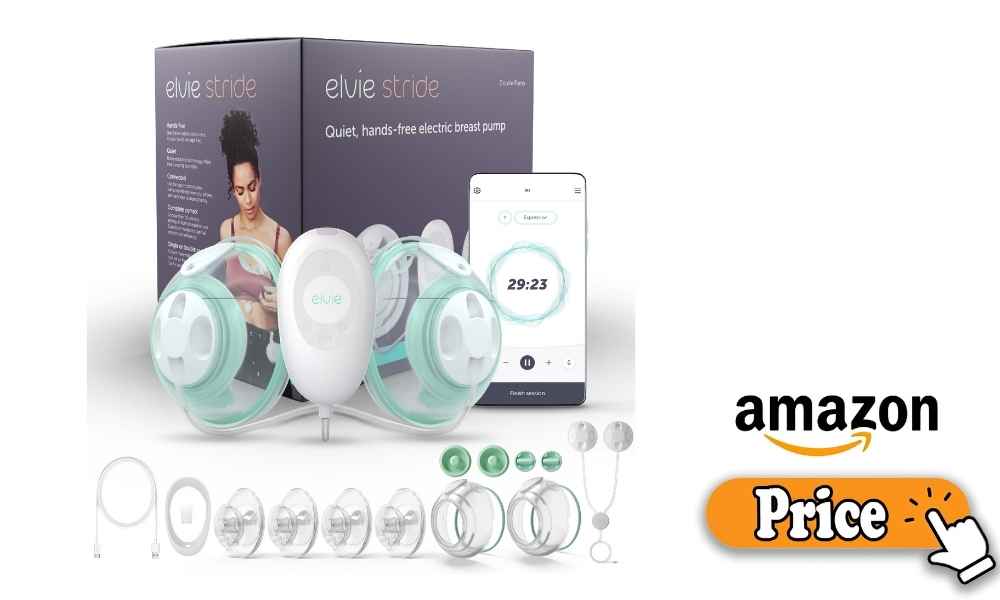
Before we dive into the direct comparison, we need to understand what makes the first contender a unique hybrid in the wearable space. The Elvie Stride Plus bundle takes the core hospital-grade technology of the original Stride and packages it with premium travel accessories for commuting parents.
Pros and Cons
When evaluating this hybrid model, it is crucial to balance its lightweight in-bra footprint against the reality of managing external tubing. The following breakdown highlights the most prominent advantages and the inevitable compromises you will face during daily operation.
| Feature | Pros | Cons |
| Motor Design | Lightweight cups in bra | External tubes can snag |
| Accessories | Includes premium cooler bag | More components to carry |
| Suction Power | Hospital-grade 300 mmHg | Vibrations may feel buzzy |
Despite the stellar suction specs, you must be prepared to manage the thin plastic tubing that connects the cups to the hub. It offers remarkable discretion under your shirt, but the wires can occasionally catch on doorknobs or baby toes if left untucked.
My Personal Experience
During my relentless 3 AM pumping sessions, I found myself repeatedly reaching for this model simply because the cups felt virtually weightless inside my nursing bra. Knowing how to pump without nipple pain is a massive hurdle for many parents, but the gentle suction curve of this motor consistently triggered a robust let-down stimulation for me. I could comfortably fold laundry and prepare bottles without feeling like gravity was dragging my chest toward the floor.
However, I quickly learned that the external hub requires strategic wardrobe choices, as you need a sturdy waistband or pocket to clip the heavy motor onto. There were moments when I accidentally snagged the tubing while bending over the crib, which briefly disrupted the vacuum seal and paused my milk expression. While the travel bag and ice pack included in the Plus bundle were absolute lifesavers during my office commutes, the tubing management remained a daily logistical puzzle.
Recommendation
This pump is an absolute triumph for working professionals who prioritize discretion above all else and need a setup that does not drastically alter their silhouette. Because the heavy battery sits on your hip rather than on your breast tissue, it is incredibly forgiving for parents dealing with elastic nipples or extreme tissue sensitivity. If you spend your days moving around an office or sitting in endless Zoom meetings, the whisper-quiet motor will keep your sessions entirely stealthy.
Conversely, if your daily routine involves chasing toddlers around the playground or highly physical labor, the exposed tubing might become a persistent frustration. I frequently recommend this hybrid system to first-time parents who want hospital-grade suction thresholds without the intense heaviness of a fully self-contained wearable.
Willow Go Review
Now we must examine the fully integrated competitor that eliminated cords entirely to provide a truly untethered experience. This model represents a massive leap forward for parents who need absolute freedom of movement without sacrificing raw vacuum strength.
Pros and Cons
Stripping away all external wires creates an incredibly liberating user experience, but embedding the motor directly onto the collection cups introduces its own unique challenges. The matrix below outlines where this tubeless powerhouse excels and where it falls slightly short.
| Feature | Pros | Cons |
| Form Factor | Completely tubeless design | Heavier chest profile |
| Cleaning | Only 5 wash parts per side | Spout is hard to pour milk |
| Capacity | Up to 7 oz cups available | Upgraded cups cost extra |
The sheer convenience of simply dropping these self-contained units into your bra and walking out the door cannot be overstated. However, you must accept the trade-off of a visibly heavier and bulkier chest profile while the device operates.
My Personal Experience
My time testing this fully integrated system fundamentally changed how I approached multitasking during my peak milk production hours. Whether I was loading the dishwasher or carrying a squirming infant, the complete absence of snagging cords gave me unparalleled physical confidence. The suction felt punchy and rhythmic, effectively emptying my breasts even during shorter sessions when I was rushing out the door.
Despite the incredible mobility, I did notice the undeniable weight of the built-in motors pulling against my nursing bra straps after about twenty minutes. Whenever friends ask me if a wearable pump is worth it for exclusive pumping, I usually point them toward this device’s raw power, but caution them about the top-heavy design. I also had to learn the exact angle to hold the cups when transferring milk into breast milk storage bags, as the pouring spout can be finicky if you rush the process.
Recommendation
This untethered workhorse is the ultimate companion for highly active parents who simply cannot be bogged down by dangling tubes or heavy waist-clips. If your job requires you to constantly bend, lift, or reach overhead, the fully enclosed design ensures you remain mobile without compromising your pumping schedule. It is especially fantastic for parents who struggle with low supply and need consistent, firm vacuum pulls to maximize every single drop.
However, individuals with smaller chests may find the sheer bulk of the embedded motors slightly overwhelming or difficult to conceal under normal clothing. I strongly advise this model for seasoned pumpers who value mechanical simplicity and rapid assembly over maintaining a perfectly discreet profile at the grocery store.
Details Comparison: Elvie Stride Plus vs Willow Go
Pitting these two premium devices against each other requires looking past the shiny marketing claims and focusing on raw, everyday performance metrics. We must dissect how they handle the relentless demands of frequent milk removal, cleaning friction, and digital tracking.
Suction Strength and Output Efficiency
Achieving optimal milk output depends heavily on the motor’s ability to mimic a baby’s natural nursing rhythm without causing tissue trauma. The Elvie hybrid utilizes a hospital-grade motor capable of hitting a robust 300 mmHg, delivering a surprisingly smooth and prolonged pull. This gentle curve is fantastic for sensitive tissue but still powerful enough to empty a heavy oversupply effectively.
In contrast, the tubeless competitor tops out at 280 mmHg but delivers its vacuum pressure with a much sharper, more immediate tactile punch. Many parents find this distinct tugging sensation highly effective for rapid let-downs, though it might feel a bit aggressive on higher settings. Both utilize a true closed system with a physical silicone barrier to prevent moisture from entering the electronics.
Understanding these nuanced mechanical differences is vital for matching the device to your unique physical responsiveness and sensitivity thresholds. The table below highlights the core performance specifications that drive milk removal for both units.
| Metric | Elvie Stride Plus | Willow Go |
| Max Suction | 300 mmHg | 280 mmHg |
| Cycle Speeds | 10 intensity settings | 15 suction levels |
| Motor Type | External belt-clip hub | Built-in cup motor |
While both machines offer exceptional strength for portable devices, the hybrid waist-clip model ultimately provides a slightly higher peak vacuum threshold. I rigorously evaluated these metrics during late-night sessions to ensure accurate scoring for output efficiency.
Rating: Elvie Stride Plus: 9/10 || Willow Go: 8.5/10
Discretion and Commuting Practicality
For parents returning to a bustling office environment, the ability to pump quietly without drawing unnecessary attention is a non-negotiable requirement. The hybrid clip-on model excels beautifully here, hiding the slim collection cups almost invisibly inside a standard nursing bra. The motor noise is easily muffled by clothing, allowing you to take phone calls or sit in meetings completely undetected.
The entirely tubeless model eliminates the hassle of routing wires beneath your blouse, which makes inserting the cups significantly faster in a bathroom stall. However, because the battery and engine sit directly on your breast, it drastically alters your silhouette and makes you look noticeably larger. Furthermore, the vibrating hum of the integrated motors is slightly more audible in a silent room compared to a muffled waistband hub.
Evaluating the trade-off between absolute wire-free freedom and visual subtlety will heavily dictate your daily workplace comfort. This breakdown isolates the crucial factors that impact your daily commute and public pumping sessions.
| Commuting Factor | Elvie Stride Plus | Willow Go |
| In-Bra Profile | Very slim and discreet | Bulky and noticeable |
| Tubing Issues | Requires shirt routing | 100% wire-free |
| Portability | Plus bag included | Toss in any tote |
Your choice here ultimately boils down to whether you prioritize a natural physical silhouette over the convenience of a completely untethered experience. Both systems offer immense value for commuters, but their approaches to discretion are fundamentally opposite.
Rating: Elvie Stride Plus: 8.5/10 || Willow Go: 8/10
Part Count and Washing Friction
When you are sleep-deprived and staring at the kitchen sink, the complexity of your pump’s assembly becomes a highly emotional issue. The waist-clip system features five distinct washable parts per side, including delicate silicone diaphragms that must be perfectly aligned to maintain suction. If a single edge of the green sealing ring is slightly askew, you will find yourself asking why is my pump losing suction midway through a session.
The tubeless competitor also breaks down into five washable components, but the physical assembly is significantly more intuitive and less prone to user error. The rigid plastic parts snap together with a satisfying, unmistakable click, ensuring that the closed-system membrane is perfectly seated every time. Additionally, knowing the best time to replace duckbill valves is easier with this system, as the sturdy silicone pieces show visible wear when degrading.
Minimizing your time spent scrubbing plastic directly impacts your long-term pumping stamina and overall mental health. The following matrix compares the realities of maintaining both systems during a relentless daily schedule.
| Maintenance Task | Elvie Stride Plus | Willow Go |
| Daily Wash Parts | 5 pieces per side | 5 pieces per side |
| Assembly Speed | Requires aligning seals | Snaps together easily |
| Boiling Safe | Yes, check manual | Yes, top rack dishwasher |
While the total piece count is identical, the tubeless model wins out due to its dummy-proof snap-together construction that prevents accidental vacuum leaks. Less time spent troubleshooting a loose seal means more time actually sleeping between your midnight expressions.
Rating: Elvie Stride Plus: 7.5/10 || Willow Go: 8.5/10
Battery Life and Smart App Features
A wearable device is entirely useless if it dies halfway through your commute or fails to accurately log your precious freezer stash. The hybrid hub boasts an impressive internal battery that comfortably survives up to five full sessions before demanding a wall outlet. Its companion app connects seamlessly via Bluetooth, allowing you to discretely adjust intensity levels directly from your smartphone without reaching into your shirt.
Conversely, the integrated in-bra motors struggle slightly with endurance, typically requiring a recharge after only three standard expression mode sessions. Because the motors operate entirely independently of each other, you must individually charge both hubs and sync them separately to your phone. While the app interface is clean and helpful for basic tracking, it lacks the deep, granular control found in its competitor’s digital ecosystem.
Power management and digital reliability are critical pillars for parents who rely on these machines as their primary milk extraction method. This comparison highlights the technological stamina and software integration you can expect from each setup.
| Tech Feature | Elvie Stride Plus | Willow Go |
| Battery Life | ~5 sessions per charge | ~3 sessions per charge |
| App Connectivity | Bluetooth tracking | Session logging available |
| Charging Port | USB-C standard | USB-C standard |
The robust battery life of the external hub system drastically reduces the daily anxiety of hunting for an available charging cable. For exclusive pumpers who require constant digital monitoring and extended battery endurance, the hybrid model takes a commanding lead.
Rating: Elvie Stride Plus: 9/10 || Willow Go: 7.5/10
Flange Sizing and Nipple Tissue Comfort
Using incorrect breast shield dimensions is the fastest route to excruciating tissue damage, clogged ducts, and an irreversible drop in milk volume. The hybrid unit includes 21mm and 24mm sizes natively, featuring a soft, pliable silicone rim that rests gently against the skin. However, the sizing tunnel itself cannot be easily swapped out for smaller third-party silicone inserts without occasionally compromising the vacuum seal.
The tubeless alternative offers a much more forgiving approach to extreme sizing variations, as the rigid plastic tunnels perfectly accommodate standard aftermarket sizing cushions. While the hard plastic flange might feel less luxurious against the breast initially, it provides incredible stability for the nipple during high-intensity pulls. The brand also sells a wide variety of specific sizing options directly, making it vastly easier to dial in your precise fit.
Protecting your physical comfort is paramount when you are subjecting your body to thousands of hours of mechanical stimulation. Let us examine how both companies approach the delicate science of customized tissue fitting.
| Sizing Metric | Elvie Stride Plus | Willow Go |
| Included Sizes | 21mm and 24mm | 21mm and 24mm |
| Insert Support | Compatible with hacks | Brand inserts sold |
| Nipple Comfort | Gentle silicone rim | Firm plastic tunnel |
Because achieving a perfect fit is the foundation of painless pumping, the tubeless model’s broader compatibility with aftermarket sizing hacks gives it a distinct edge. Parents with smaller or elastic nipples will find it far easier to customize the rigid plastic tunnel to their exact anatomical needs.
Rating: Elvie Stride Plus: 8/10 || Willow Go: 9/10
Final Thoughts and Verdict
Deciding the ultimate victor in the elvie stride plus vs willow go debate requires an honest assessment of your specific daily chaos. If your primary goal is absolute visual discretion, extended battery life, and a lightweight feel inside your bra, the hybrid Stride Plus is an exceptional investment. Its hospital-grade motor provides incredibly smooth, powerful stimulation while remaining remarkably stealthy beneath your work clothes.
On the other hand, if you demand total freedom from wires and prioritize rapid, error-proof assembly, the Willow Go is an absolute powerhouse. It accommodates complex sizing needs beautifully and delivers a firm, punchy vacuum that excels at rapidly emptying the breast. Ultimately, both devices prove that modern parents no longer have to remain chained to a wall outlet to sustain their breastfeeding journeys.