
Willow Go Vs Zomee Fit: A Comprehensive Wearable Pump Review
Choosing between the willow go vs zomee fit often feels like choosing between a high-tech smart device and a reliable workhorse for your daily feeding routine. Both of these in-bra wearable pumps promise to untether you from the wall outlet, but they approach the reality of exclusive pumping from completely different design philosophies. As someone who has logged countless hours testing breast pumps through bleary-eyed night sessions and rushed morning commutes, I understand that bold marketing claims rarely match actual postpartum reality.
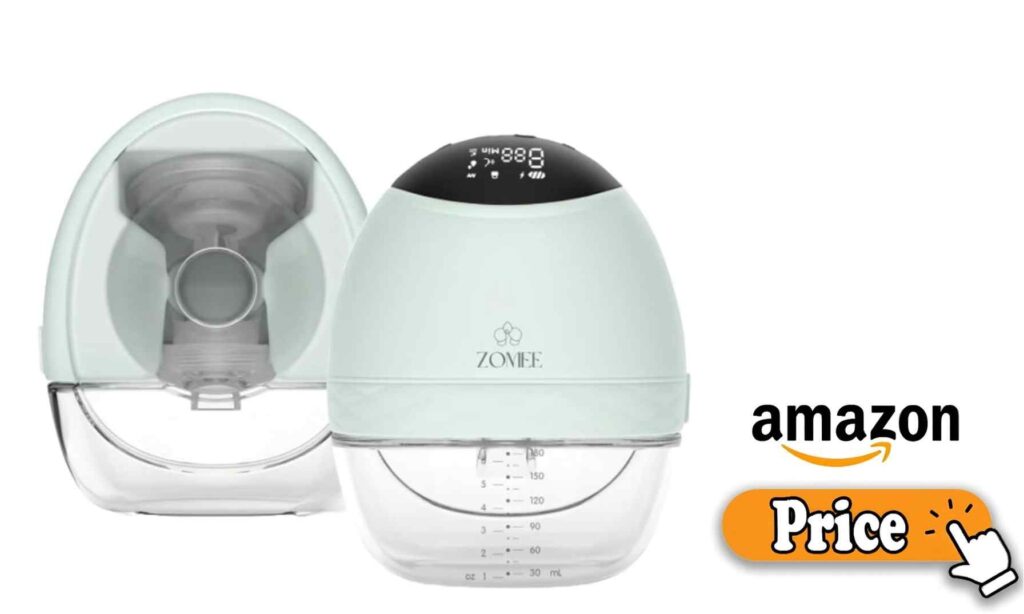
Navigating the complex world of hands-free pumping means deciphering suction levels (mmHg), analyzing closed system mechanics, and figuring out which motor will actually empty your breasts efficiently. In this comprehensive breakdown, I will share exactly how these two distinct devices hold up to spilled milk, constant sterilization, and the relentless pressure of a dropping battery. You desperately need a transparent look at what happens when suction drops mid-session and whether a premium price tag truly delivers peace of mind.
Willow Go Review
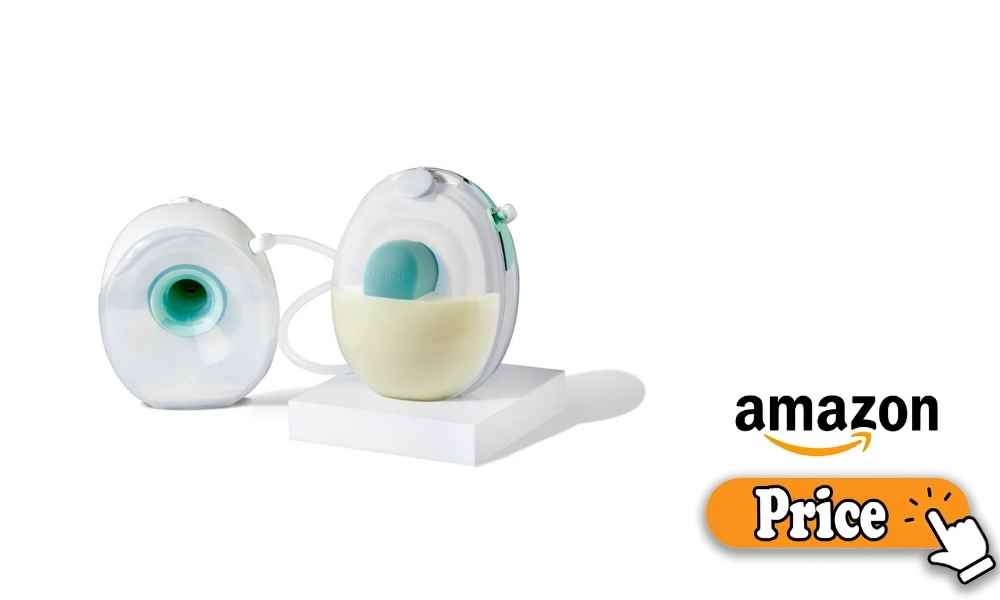
This premium wearable pump is specifically designed to offer maximum capacity and smart tracking for the modern multitasking parent. Understanding its baseline capabilities is absolutely essential before making a significant financial investment in your feeding journey.
Pros And Cons
Evaluating this high-end device requires looking past the sleek packaging and focusing heavily on daily functional reliability. Here is exactly how the premium features balance against the inevitable frustrating quirks of daily postpartum use.
| Feature Area | The Good | The Frustrating |
| Suction Power | Hospital-grade pull up to 280 mmHg | Can feel slightly aggressive on initial let-down |
| Connectivity | App tracking handles session memory automation | Bluetooth sync disconnections happen mid-expression |
| Capacity | Massive 7 oz container upgrade available | Pouring milk into breast milk storage bags is messy |
It is incredibly important to weigh these functional points against your personal tolerance for technical troubleshooting and glitches. A powerful motor is ultimately useless if the app interface causes you daily frustration during your stressful morning commute.
My Personal Experience
During my extensive testing periods, the Willow Go absolutely delivered on its promise of high-volume milk expression without the restrictive tubing of a traditional pump. The 105-degree flange angle genuinely helped preserve my delicate nipple tissue, avoiding the awful pinching sensation that often accompanies standard plastic shields. I regularly used the 5 oz containers, and the suction consistency remained remarkably strong even as the cups filled completely to the brim.
However, the day-to-day reality of maintaining this modern pump introduced several severe friction points that exhausted parents need to know about. The lack of physical buttons on the hub meant I was entirely reliant on the mobile app to adjust settings, which felt agonizing when the bluetooth dropped during a fast let-down. Washing the five separate components for each side at midnight felt overwhelming, especially trying to scrub the tiny crevices of the duckbill valves without tearing the fragile silicone.
Recommendation
I strongly recommend this pump for parents who have an established oversupply and desperately need the flexible capacity that the larger aftermarket containers naturally provide. If you are returning to a desk job where you can sit relatively upright and keep your phone nearby, the discreet profile and app tracking will make your life significantly easier. It is a fantastic option for someone who wants genuine hospital-grade strength while remaining entirely untethered from a frustrating wall outlet.
Conversely, I strongly advise against this specific model if you work a highly physical job or frequently wrangle toddlers while pumping. The weight on the chest is quite noticeable, and the structural design simply does not tolerate rigorous bending or leaning without threatening your hard-earned breast milk. If you constantly struggle with low supply and need tactile control over your stimulation settings without looking at a digital screen, this device will likely drive you crazy.
Zomee Fit Review
Shifting gears, we have a highly budget-friendly wearable that prioritizes tactile simplicity and an incredibly straightforward user interface. This pump strips away the smart tech features to focus entirely on robust motor performance and absolute ease of use.
Pros And Cons
When analyzing this pragmatic device, the entire focus shifts to how easily it integrates into chaotic and unpredictable pumping routines. Here is a highly realistic look at where it shines and where the necessary budget compromises become readily apparent.
| Performance Metric | The Advantages | The Drawbacks |
| Motor Interface | LED screen allows instant manual button access | Screen timeout requires a firm tap to wake up |
| Expression Modes | 2-Phase mode rapidly mimics natural feeding | Suction maxes out slightly lower at 260 mmHg |
| Wearability | Soft liquid silicone breast shield included | Bulky profile is highly visible under most shirts |
Understanding these specific trade-offs is crucial if you are deciding whether to pay an upgrade fee through insurance or simply buy out of pocket. Sometimes, actively stripping away the advanced technology leaves you with a much more reliable daily machine.
My Personal Experience
Testing the Zomee Fit was an absolute breath of fresh air in terms of operational simplicity during my most exhausted and sleep-deprived moments. The built-in LED display on the motor hub meant I never had to hunt for my phone in the dark; I could simply look down and adjust the expression levels with tactile push-buttons. The inclusion of the 2-Phase mode—which rapidly alternates stimulation and expression—was highly effective for my anatomy, quickly forcing a secondary let-down during long evening sessions.
Despite the fantastic operational ease, the physical footprint of this pump presented some significant lifestyle challenges during highly active days. The motors sit quite high on the collection cups, making the entire unit protrude aggressively from my nursing bra, ruling out any true discretion in a shared office space. Pouring the collected milk from the 150ml containers required extreme precision, and I suffered a few tragic spills before I mastered the specific angle needed to avoid wasting milk.
Recommendation
This pump is an absolute resilient workhorse for the exclusive pumper who prioritizes battery endurance and straightforward functionality over modern aesthetics. If you are utterly exhausted by mobile apps, firmware updates, and connectivity issues, the physical buttons and clear digital display will drastically reduce your daily mental load. It is also a brilliant choice for parents with highly elastic nipples, as the included liquid silicone inserts provide a gentle, compressive grip that rigid plastic simply cannot replicate.
However, I would certainly skip this model if you constantly need to pump discreetly in public spaces or during frequent airplane travel. The bulky silhouette is nearly impossible to hide under normal clothing, and the motor noise carries a distinct mechanical hum that is immediately noticeable in quiet rooms. If your daily routine involves a lot of bending, lifting, or active physical movement, the top-heavy design will likely shift out of alignment and disrupt your crucial suction seal.
Details Comparison: Willow Go Vs Zomee Fit
To truly understand how these machines perform under intense pressure, we must break down their specific technical merits side by side. This detailed comparative analysis strips away the marketing jargon to reveal how they actually handle daily postpartum challenges.
Suction Power And Motor Efficiency
When you are exhausted and desperately struggling to empty your breasts, the raw pulling power of your motor becomes the single most important performance metric. The Willow Go boasts an impressive pull reaching up to 280 mmHg, utilizing a unique internal circular motor that provides a smooth, continuous tug-and-release pattern. This sustained vacuum is phenomenal for parents who need deep, powerful pulls to trigger milk expression, but it can feel slightly intense if you have highly sensitive nipple tissue.
On the other hand, the Zomee Fit tops out at 260 mmHg, which is slightly lower but heavily compensates with its highly dynamic 2-Phase expression mode. This mode rapidly mimics the erratic suckling of a hungry infant, offering an extra layer of let-down stimulation that is a massive game-changer for those suffering from low supply. While the high-end competitor offers raw strength, this budget contender utilizes rhythm and varied pacing to trick the body into releasing milk much more efficiently.
Evaluating raw suction metrics against variable rhythm patterns reveals a highly competitive race in modern wearable motor engineering. Here is exactly how their mechanical pulling profiles and stimulation technologies directly stack up against each other.
| Motor Capability | Willow Go | Zomee Fit |
| Max Vacuum Strength | 280 mmHg | 260 mmHg |
| Stimulation Technology | 15 customizable suction levels | 9 levels across 3 distinct modes |
| Nipple Tissue Impact | Rigid tunnel prevents crashing | Silicone cushion softens the pull |
Both motors offer exceptional strength for wearable devices, actively proving that you do not necessarily need wall power to empty your breasts effectively. The choice ultimately depends on whether your body responds much better to raw vacuum force or rhythmic, rapid variation.
This scoring heavily reflects their overall reliability in triggering let-downs and maintaining consistent vacuum strength throughout a grueling pumping session.
Rating: Willow Go: 8.5/10 || Zomee Fit: 8.0/10
App Connectivity And Manual Controls
The user interface of a daily breast pump can either be a seamless extension of your workflow or a massive source of intense, sleep-deprived frustration. The Willow Go is heavily reliant on its bluetooth app, which theoretically allows you to track session times and adjust levels discreetly directly from your phone. When it works perfectly, it feels like pure magic, but when the fragile connection drops mid-session, you are left scrambling to manually adjust the hub.
Conversely, the Zomee Fit completely ignores the smart tech trend and relies entirely on tactile simplicity to get the job done efficiently. The top-mounted motor features a bright LED screen and physical buttons, easily allowing you to instantly see your battery status and adjust suction with a quick glance. At 3 AM, tapping a physical button to immediately lower the suction is infinitely easier than unlocking a phone and waiting for a lagging app to sync.
Comparing a heavily digitized experience against a purely physical interface highlights two vastly different design philosophies for modern postpartum mothers. This strict breakdown illustrates exactly what you gain and what you severely sacrifice with each distinct control style.
| Interface Feature | Willow Go App Tech | Zomee Fit Manual Tech |
| Setting Adjustments | Phone required for full control | Tactile buttons on motor hub |
| Session Tracking | Automated volume and time logging | Relies entirely on user memory |
| Reliability Factor | Susceptible to bluetooth drops | 100% reliable physical input |
Your personal tolerance for troubleshooting buggy technology will dictate which of these interface systems feels like a luxury and which feels like a heavy burden. Simplicity almost always wins when you are functioning on minimal sleep and trying to manage a chaotic, loud household.
The final interface score heavily rewards the absolute reliability of physical tactile buttons over unpredictable and frustrating bluetooth syncing.
Rating: Willow Go: 7.0/10 || Zomee Fit: 9.0/10
Washing Friction And Assembly Time
Nobody talks enough about the soul-crushing reality of washing breast pump parts multiple times a day when you are exclusively pumping to feed your child. The Willow Go requires you to break down five separate pieces per side, which incredibly quickly turns into a massive pile of plastic in your kitchen sink. You must meticulously clean the duckbill valves and pump diaphragms to ensure the closed system remains sanitary, and those tiny crevices constantly trap stubborn milk fat.
In stark contrast, the Zomee Fit features a much more streamlined assembly process with only four easily washable parts per side. The real advantage here is the wide-mouth design of the collection containers, which are incredibly easy to scrub thoroughly with a standard kitchen bottle brush. Furthermore, seating the soft silicone breast shield onto the plastic body is highly intuitive, drastically reducing the annoying risk of a misaligned part causing a loss of suction.
The daily maintenance burden is a highly critical factor for anyone desperately trying to sustain long-term milk production without losing their mind. Here is a precise, honest look at the cleaning and assembly workflow that awaits you at the sink every single day.
| Cleaning Metric | Willow Go Workflow | Zomee Fit Workflow |
| Total Washable Parts | 10 pieces total (5 per side) | 8 pieces total (4 per side) |
| Scrubbing Difficulty | Narrow crevices require fine brushes | Wide containers easily fit standard brushes |
| Assembly Complexity | Requires precise alignment for seal | Intuitive snap-on silicone shields |
Minimizing your daily part count is the absolute easiest way to preserve your sanity during a grueling and exhausting postpartum pumping journey. The budget contender easily takes a clear and decisive victory in the endless, exhausting battle of the kitchen sink.
This specific assembly score strongly reflects the massive time savings gained by eliminating just a few extra pieces of plastic from your washing routine.
Rating: Willow Go: 7.5/10 || Zomee Fit: 8.5/10
Battery Reality And Commuting Stress
A wearable pump is completely useless if the internal battery abruptly dies halfway through your work commute or during a highly critical pumping break. The Willow Go promises a rechargeable battery that lasts up to three sessions, which is merely adequate for occasional use but highly anxiety-inducing for exclusive pumpers. If you unfortunately forget to charge this high-tech device overnight, your entire morning routine will be derailed while you desperately wait for a sufficient power boost.
The Zomee Fit, however, is an absolute powerhouse when it comes to long-term battery endurance and daily commuting reliability. Boasting well over two hours of continuous battery life, I easily managed four to five standard expression sessions before the LED screen indicated a critically low charge. This massive capacity effectively removes the heavy mental burden of battery anxiety, easily allowing you to confidently pack the pump for a long shift without hoarding charging cables.
When you are relying entirely on portable power to constantly feed your baby, rapid battery degradation becomes a highly serious daily concern. This matrix openly exposes the true mobility limits and strict charging requirements of each wearable machine.
| Power Capability | Willow Go Battery | Zomee Fit Battery |
| Average Lifespan | ~3 sessions per charge | 4 to 5 sessions per charge (2+ hours) |
| Charging Interface | Custom USB requirements | Universal Type-C compatibility |
| Battery Anxiety | High monitoring required via app | Low stress with clear LED indicator |
Uninterrupted power is the fundamental backbone of mobile milk expression, and relying on a notoriously short battery life is a very dangerous game. The impressive endurance of the tactile pump provides genuine, lasting peace of mind for stressed mothers on the go.
This power score heavily highlights the sheer importance of long-lasting battery capacity for parents who absolutely cannot stay tethered to a wall outlet.
Rating: Willow Go: 6.5/10 || Zomee Fit: 9.0/10
Flange Comfort And Sizing Options
Achieving the correct flange size is the absolute foundation of painless and highly efficient milk expression, yet so many parents severely struggle with it. The Willow Go firmly uses rigid plastic flanges and relies heavily on a 105-degree angled tunnel to prevent the nipple from painfully rubbing against the sides. While this precisely engineered angle is highly effective, plastic is deeply unforgiving; if your measurement is slightly off, the hard edges will inevitably cause friction and swelling.
The Zomee Fit actively approaches physical comfort entirely differently by utilizing exceptionally soft liquid silicone breast shields right out of the box. This flexible material gently compresses the sensitive areola to mimic a baby’s mouth, which drastically reduces trauma for parents dealing with highly elastic nipple tissue. Furthermore, they generously include multiple sizing inserts in the box, ensuring that the vast majority of users can find their perfect fit without spending extra money on accessories.
Protecting your highly sensitive tissue from mechanical friction must be your top priority if you plan to exclusively pump for several consecutive months. Here is exactly how the differing materials and inclusive sizing options directly impact your long-term physical comfort.
| Sizing And Material | Willow Go Ergonomics | Zomee Fit Ergonomics |
| Shield Material | Rigid, hard plastic | Soft liquid silicone |
| Included Sizes | 21mm and 24mm | 25mm shield, plus 21mm and 17mm inserts |
| Tissue Response | Prone to friction if sized incorrectly | Gentle compression reduces swelling |
Protecting your physical comfort is absolutely essential for strongly maintaining both your milk supply and your overall mental health during postpartum. The brilliant inclusion of multiple soft inserts makes the budget model incredibly gentle on vulnerable tissue compared to rigid plastic.
This comfort score highly rewards the inclusion of versatile silicone inserts that beautifully accommodate fluctuating postpartum breast shapes and varying sizes.
Rating: Willow Go: 8.0/10 || Zomee Fit: 8.5/10
Conclusion
Choosing between the Willow Go vs Zomee Fit ultimately requires a brutally honest assessment of your daily stressors, your technological patience, and your physical anatomy. The Willow Go easily remains a top-tier choice for parents who require massive collection capacity and deeply value the sleek discretion of an app-controlled, premium device. If you are chained to a quiet desk and have the budget to support aftermarket accessories, the sheer strength and quiet operation of this pump will serve you beautifully.
However, if you are an exhausted exclusive pumper intensely navigating a chaotic household, the Zomee Fit easily emerges as the undeniable champion of raw, resilient practicality. Its spectacular battery life, tactile push-buttons, and ultra-comfortable silicone shields naturally make it a workhorse that easily forgives the messy realities of postpartum life. Ultimately, you must heavily prioritize the specific pump that actively reduces your daily mental load, whether that means efficiently tracking ounces on an app or relying on a massive, dependable battery.