
Zomee Z2 vs Ameda Mya Joy: Breast Pump Comparison
Navigating the zomee z2 vs ameda mya joy decision is a pivotal moment for postpartum parents seeking an efficient, insurance-covered double electric breast pump. When you are staring down round-the-clock feeding schedules, balancing work commutes, or trying to protect your milk supply during early postpartum, choosing the right pump motor and breast shield system directly impacts your daily sanity and physical comfort.
Having spent thousands of hours analyzing suction curves, testing flange angles, and troubleshooting drop-offs in vacuum pressure during exhausted 3 AM sessions, I evaluate these two popular portable pumps from both a clinical and practical perspective. In this deep-dive comparison, we will break down motor performance, battery realities, flange comfort, and cleaning friction so you can select the best pump for your personal pumping goals.
Zomee Z2 Review
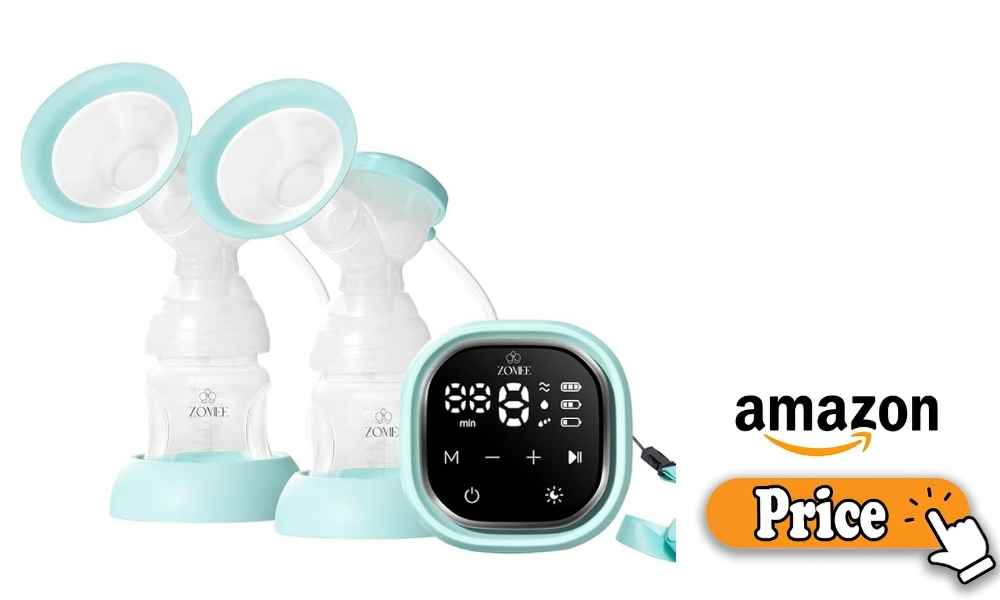
The Zomee Z2 is a feature-rich, highly portable double electric breast pump designed to deliver hospital-strength suction alongside customizable pumping rhythms. Featuring a built-in rechargeable battery and an exclusive alternating expression pattern, it aims to combine deep milk removal with gentler nipple tissue stimulation.
Pros and Cons
Evaluating the primary benefits and drawbacks of the Zomee Z2 reveals a feature-rich motor balanced against slightly bulkier collection parts.
| Feature Category | Key Advantages | Notable Drawbacks |
| Power & Rhythms | Up to 260–280 mmHg suction with unique alternating mode | Alternating mode takes longer per session for some users |
| Portability | Internal rechargeable lithium battery with USB-C charging | Slightly wider motor unit than pocket-sized pumps |
| Comfort & Tech | Backlit LCD screen and soft silicone flange cushions | Multiple small parts require careful alignment during assembly |
Understanding these specific design trade-offs helps determine whether the Z2 aligns with your daily routine and mobility needs.
My Personal Experience
When I first unboxed the Zomee Z2, its sleek touchscreen interface and moderate weight immediately stood out. During live testing sessions, the standout feature was unequivocally its Alternate-Mode setting. Rather than pulling on both breasts simultaneously, the pump alternates vacuum suction left-to-right, creating a micro-rest interval for each nipple that significantly reduced tissue tenderness during long 20-minute sessions.
On the practical side, the built-in rechargeable lithium battery provided consistent suction across 5 full sessions without needing a wall outlet. The illuminated display screen proved invaluable during dark nursery sessions, allowing me to adjust vacuum levels without blinding myself or waking a sleeping infant. While washing the silicone flange inserts added an extra step in the sink, the increased skin comfort during expression made the extra cleaning time well worth it.
Recommendation
I recommend the Zomee Z2 for parents who prioritize flexible suction patterns, need built-in battery freedom, or suffer from sensitive nipple tissue. Its ability to deliver up to 260–280 mmHg suction while offering a gentle alternating cycle makes it an excellent choice for exclusive pumpers or moms working to build supply without experiencing friction pain.
However, if you want an absolute bare-minimum part count or prefer a tiny pump that clips directly onto your waistband without adding any bulk, you may find the Z2’s collection assembly a bit detailed for rapid turnarounds.
Ameda Mya Joy Review
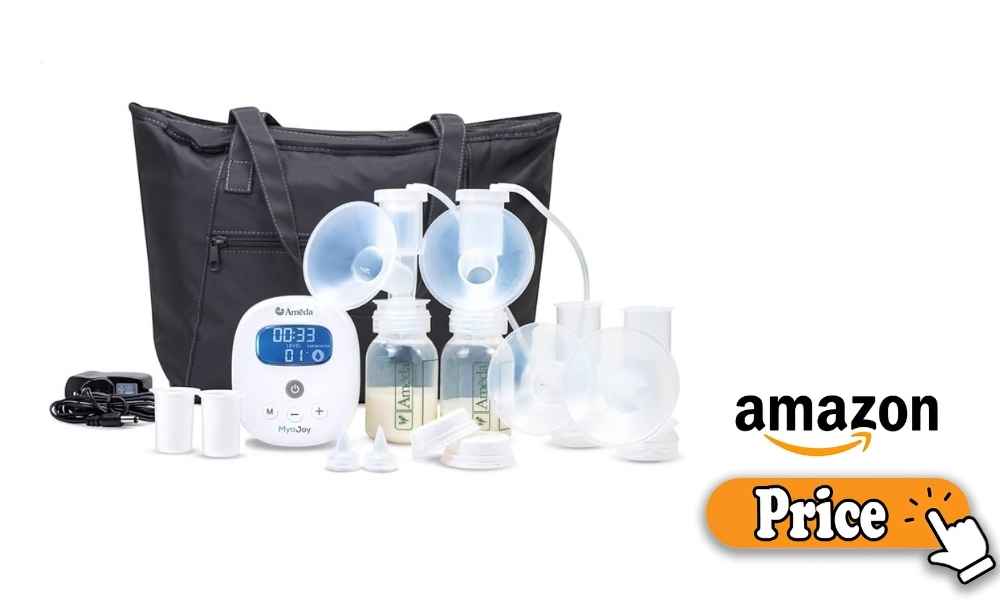
The Ameda Mya Joy is an ultra-compact, lightweight double electric breast pump built around hospital-strength suction and simplified clinical hygiene. Designed as a widely available insurance option, it focuses on straightforward 2-phase operation and a pocket-sized motor footprint.
Pros and Cons
Assessing the strengths and limitations of the Ameda Mya Joy highlights its compact portability alongside traditional battery dependencies.
| Performance Aspect | Top Advantages | Notable Drawbacks |
| Size & Weight | Extremely light motor (0.5 lbs) with built-in belt clip | Standard model requires 4 AA batteries or wall outlet |
| Hygiene Safety | FDA-cleared HygieniKit true closed-system barrier | Basic hard plastic flanges out of the box |
| Operation | Simple 2-phase control with 45-minute auto shut-off | Motor sound has a higher-pitched buzz under max suction |
Examining these distinct characteristics helps clarify if this lightweight clip-on unit fits your work and travel requirements.
My Personal Experience
Testing the Ameda Mya Joy highlighted just how much power can fit into a palm-sized housing. At just half a pound, I easily clipped the motor to my waistband and moved around the kitchen while pumping. The 2-phase suction technology automatically switches from stimulation to expression after 2 minutes, which keeps the session moving smoothly without requiring manual intervention.
The HygieniKit diaphragm design provides exceptional anti-backflow protection, guaranteeing that no milk enters the tubing. However, operating the baseline model on 4 AA batteries introduced some suction fade as the batteries drained over several sessions. Additionally, the included rigid plastic flanges required careful sizing adjustments, as hard plastic can feel unforgiving against sore breast tissue compared to silicone-cushioned shields.
Recommendation
The Ameda Mya Joy is ideal for working parents who need a featherlight, straightforward pump covered fully by standard health insurance plans. Its simple two-button operational style and compact frame make it perfect for throw-in-the-bag commuting, quick office sessions, or parents who prefer uncluttered controls.
Conversely, parents who dislike buying AA batteries or those who need soft silicone breast shields out of the box should consider upgraded power options or budget for extra flange cushions.
Details Comparison: Zomee Z2 vs Ameda Mya Joy
To determine which unit delivers superior real-world utility, we evaluated both models across five core performance metrics under identical daily conditions.
Suction Dynamics and Motor Strength
Peak vacuum strength is a critical benchmark for effective milk removal, but raw suction power must be balanced by comfortable cycle speeds. The Zomee Z2 provides up to 260–280 mmHg vacuum pressure across 19 customizable levels, distributed through Stimulation, Expression, and its unique Alternate Mode. This alternating function pulls rhythmically on one breast while relaxing the other, which reduces overall mechanical strain on sensitive tissue while maintaining consistent milk flow.
In comparison, the Ameda Mya Joy hits up to 250 mmHg hospital-strength suction across 6 stimulation levels and 12 expression levels. While 250 mmHg is plenty of power to empty breasts efficiently, its pull is traditional simultaneous double pumping. Moms who experience vasospasms or nipple elasticity often find the Z2’s micro-pacing more comfortable during extended 20-minute sessions.
A side-by-side comparison reveals key differences in total vacuum power and expression rhythm variety.
| Vacuum Parameter | Zomee Z2 | Ameda Mya Joy |
| Max Vacuum (mmHg) | 260 – 280 mmHg | Up to 250 mmHg |
| Pumping Rhythms | 3 Modes (Stimulation, Expression, Alternate) | 2 Modes (Stimulation, Expression) |
| Total Vacuum Levels | 19 Total Levels | 18 Total Levels |
Vacuum dynamics directly influence let-down speed and total milk removal during exhausting 20-minute sessions.
Rating: Zomee Z2: 9/10 || Ameda Mya Joy: 7.5/10
Battery Longevity and Power Options
Power flexibility dictates where and when you can pump without being tethered to a wall. The Zomee Z2 features a built-in, rechargeable lithium-ion battery that recharges via standard USB-C. In our testing, a full charge delivered roughly 2 to 2.5 hours of active pumping time, equating to 5 or 6 full double-pumping sessions before needing a recharge.
The base Ameda Mya Joy relies on an included AC wall adapter or 4 AA batteries housed inside the pump body. While AA batteries offer emergency back-up, they add weight and gradually drop in voltage, causing suction strength to degrade as the batteries deplete. (Note that the Mya Joy Plus variant includes USB charging, but the standard insurance Joy model relies on AA power).
Power flexibility determines whether you can pump in a car or need to hunt for wall outlets.
| Power Spec | Zomee Z2 | Ameda Mya Joy |
| Power Source | Internal Rechargeable Lithium Battery | AC Adapter or 4 AA Batteries |
| Charging Connection | USB-C / Micro-USB Universal Cable | Proprietary AC Wall Plug |
| Cordless Runtime | 120–150 Minutes per Charge | Varies by AA battery brand (~60-90 min) |
Cordless independence is often the difference between a smooth pumping session and a stressful search for batteries.
Rating: Zomee Z2: 9.5/10 || Ameda Mya Joy: 6.5/10
Flange Ergonomics and Sizing Flexibility
Proper breast shield sizing is essential for preventing tissue friction, duct compression, and diminished milk output. Zomee addresses comfort by pairing rigid shield bodies with soft, silicone-ringed inserts. The Z2 package typically includes multiple flange options (such as 21mm, 24mm, or 28mm setups depending on the retailer bundle), allowing moms to achieve a cushioned seal that absorbs mechanical vibration.
Ameda utilizes its traditional CustomFit hard plastic flange system. The Mya Joy package usually ships with 25mm shields, with additional sizes (like 28.5mm and 30.5mm) available separately. While hard flanges provide precise visual alignment of the nipple inside the tunnel, they lack the soft contact edge that silicone cushions offer to moms with elastic nipple tissue or sensitive skin.
Proper flange fit prevents tissue trauma and ensures optimal milk ejection during daily expression.
| Ergonomic Feature | Zomee Z2 | Ameda Mya Joy |
| Shield Material | Hard Plastic with Soft Silicone Ringing | Rigid Clear Polypropylene |
| Included Sizes | Multi-size kit (typically 21mm & 24mm + inserts) | Standard 25mm (other sizes sold separately) |
| Tissue Comfort | High cushioning for elastic/sensitive tissue | Precise hard tunnel, firmer seal |
Choosing the right shield material protects nipple integrity across hundreds of cumulative pumping hours.
Rating: Zomee Z2: 8.5/10 || Ameda Mya Joy: 8/10
Cleaning Friction and Part Breakdown
When you are washing breast pump parts multiple times a day, part count and component durability directly influence daily fatigue. The Zomee Z2 collection system utilizes a silicone diaphragm, backflow cap, duckbill valve, bottle, flange body, and silicone cushion insert. Washing all parts for a double pumping session means handling roughly 10 to 12 individual items in the sink.
Ameda’s HygieniKit system features a unified diaphragm barrier, valve, flange, and collection bottle. The HygieniKit design is world-famous for its clinical simplicity and FDA clearance, preventing milk condensate from entering the air lines. Fewer intricate silicone inserts mean slightly faster washing and drying times during late-night turnarounds.
Analyzing part counts reveals how much time you will spend at the sink during midnight cleanups.
| Hygiene & Cleaning | Zomee Z2 | Ameda Mya Joy |
| Backflow Barrier | Closed Silicone Diaphragm | FDA-Cleared HygieniKit Barrier |
| Part Count per Session | ~10–12 Total Components | ~8 Total Components |
| Dishwasher Safe | Top-rack safe (except tubing/motor) | Top-rack safe (except tubing/motor) |
Fewer delicate silicone parts streamline sanitation routines for exhausted, time-poor parents.
Rating: Zomee Z2: 8/10 || Ameda Mya Joy: 8.5/10
Sound Profile and Discretion Levels
Pumping discreetly at a work desk or next to a sleeping baby requires a motor that operates quietly without loud mechanical vibrations. The Zomee Z2 operates below 50 decibels, emitting a low, rhythmic hum. Combined with its soft backlit LCD screen, you can easily monitor timer cycles in total darkness without disturbing your baby.
The Ameda Mya Joy operates at an impressive volume under 45 decibels, making its sound profile exceptionally quiet in terms of raw decibel output. However, because the motor casing is so small, its pitch is slightly higher and buzzier under high vacuum levels compared to the deeper thrum of the Z2. Nevertheless, its tiny profile makes it remarkably discreet when clipped under a sweater.
A quieter motor combined with soft display lighting allows discreet expression without waking family members.
| Discretion Feature | Zomee Z2 | Ameda Mya Joy |
| Noise Level | Under 50 dB (Low pitch hum) | Under 45 dB (Slightly higher pitch buzz) |
| Nighttime Usability | Backlit LCD with built-in night light | Backlit digital screen |
| Wearable Footprint | Fits in tote bag, handheld motor | Clips directly to waistband (0.5 lbs) |
Sound dampening and screen brightness play a major role in keeping late-night sessions quiet and peaceful.
Rating: Zomee Z2: 8.5/10 || Ameda Mya Joy: 9/10
Final Verdict and Buyer Guidance
Choosing between the Zomee Z2 and the Ameda Mya Joy ultimately comes down to whether you value customizable rhythm technology and rechargeable battery freedom or featherlight, clinical simplicity. If you are an exclusive pumper, have sensitive nipples, or want USB-C rechargeable convenience without buying disposable batteries, the Zomee Z2 is the clear winner. Its alternating mode and silicone-ringed shields offer superior long-term comfort for frequent daily sessions.
On the other hand, if your primary goal is an ultra-compact pump that clips to your pants, costs nothing out-of-pocket through most insurance plans, and features a streamlined part layout, the Ameda Mya Joy remains a solid, dependable workhorse. Whichever model you choose, ensuring correct flange sizing and replacing your duckbill valves every 3 to 4 weeks will keep your suction strong and your pumping journey on track.