
Zomee Z2 vs Baby Buddha 2.0: Which Is Better
Deciding between the Zomee Z2 vs Baby Buddha 2.0 is a common struggle for exhausted parents who desperately need maximum mobility without sacrificing their daily milk output. Both of these portable powerhouse machines promise absolute freedom from the wall outlet during those highly chaotic midnight sessions and rushed morning commutes.
As an exclusive pumper and lactation gear expert, I have spent hundreds of hours hooked up to both of these specific motors while washing bottles and folding laundry. Choosing the right device ultimately comes down to how your unique body responds to different suction patterns, vacuum intensity, and physical flange comfort.
Understanding the specific motor capabilities of each machine is the first step toward making an informed registry choice.
Zomee Z2 Review
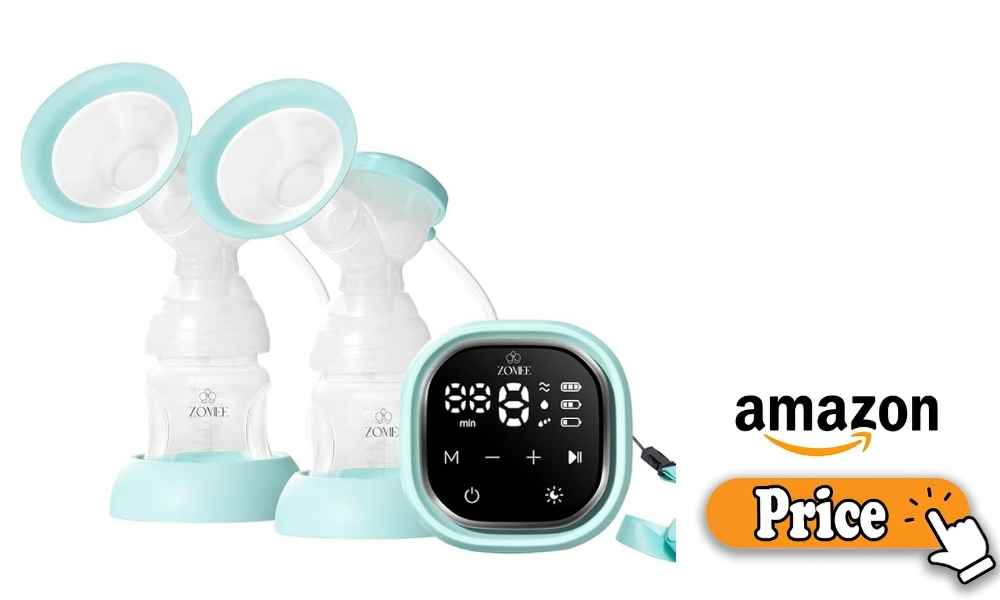
This sleek, pocket-sized device completely surprised me when I first began testing its alternating suction technology during my early postpartum recovery phase. It offers a gentle approach to milk removal that many traditional hospital-grade machines simply fail to replicate for sensitive users.
Evaluating the core strengths of this device requires a brutally honest look at its daily operational quirks.
Pros And Cons
Here is a quick breakdown of where this compact pump excels and where it falls slightly short during real-world daily usage.
| Feature Category | Major Benefits | Notable Drawbacks |
| Motor Suction | Gentle alternating pulls | Maximum level feels weak |
| Comfort Features | Soft silicone inserts included | Interface buttons feel clunky |
| Daily Portability | Extremely lightweight body | Battery life is strictly average |
Balancing these specific benefits against your own bodily needs is always the most critical part of the selection process.
Transitioning to my own testing phases reveals exactly how this motor handles under actual schedule pressure.
My Personal Experience
Using this machine during late-night feeds completely changed my overall perspective on gentle, rhythmic milk expression. It proved that you do not always need aggressive force to effectively empty a breast.
During my early postpartum weeks, I desperately needed to figure out how to pump without nipple pain while my tissue was still healing. The alternating suction technology of this motor proved to be incredibly soothing, perfectly mimicking a baby’s natural nursing rhythm to make let-down stimulation feel effortless.
I frequently utilized the soft silicone inserts to optimize my flange sizing, which made a massive difference in my physical comfort. However, pouring milk into breast milk storage bags felt a bit clumsy, though the closed system kept everything highly hygienic and protected the delicate tubing perfectly.
Recommending this specific device requires looking closely at daily habits, pain tolerance, and average milk volume.
Recommendation
This unit is an absolute lifesaver for healing parents who prioritize pure comfort above rapid, aggressive emptying speeds. It provides a consistently soothing experience that actively protects delicate tissue.
I strongly suggest this option for anyone struggling with elastic nipples or severe sensitivity issues during their first few months postpartum. If you primarily need a reliable secondary pump for office commutes, it fits perfectly into a compact bag and encourages milk expression without causing the dreaded pinch.
Conversely, if you manage a massive oversupply, you might find the extraction rate slightly too slow for a rushed schedule. It requires patience during a standard session, usually taking me the full twenty minutes to empty, but remains a dependable choice for average daily users.
Now let us examine the major competitor that has completely revolutionized the portable pumping landscape.
Baby Buddha 2.0 Review
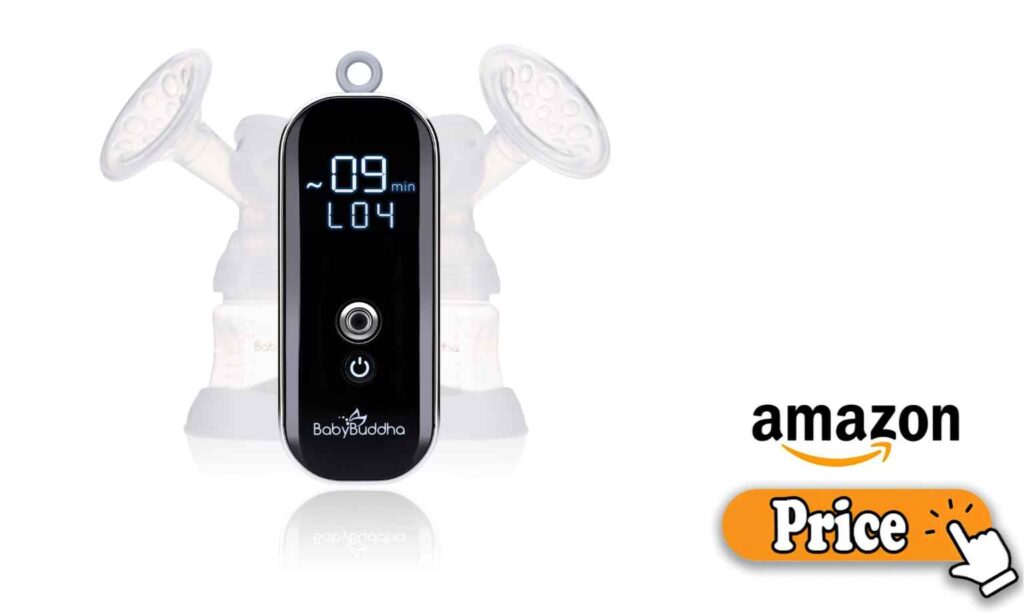
This highly anticipated upgrade brings intense, hospital-grade power packed tightly into a device no larger than a standard smartphone. It is heavily favored by veteran pumpers who demand rapid extraction and absolute hands-free freedom.
Evaluating its core performance benefits helps clarify exactly why so many exclusive pumpers absolutely swear by it.
Pros And Cons
The following matrix highlights the distinct advantages and notable design drawbacks of this powerful little machine.
| Performance Category | Distinct Advantages | Notable Drawbacks |
| Extraction Power | Incredible emptying speed | Suction pull causes soreness |
| Daily Mobility | Lanyard allows true walking | Requires careful bending over |
| System Upgrades | Improved trackball interface | Relatively loud mechanical hum |
Understanding these specific trade-offs is absolutely essential before making your final, out-of-pocket purchase decision.
My own journey with this upgraded motor deeply tested its true endurance limits during a grueling pumping schedule.
My Personal Experience
Hooking up to this aggressive machine for the very first time is always an eye-opening experience for lactating parents. The sheer pulling force it generates is genuinely unmatched in the portable pump category.
The legendary long-pull suction of this motor empties my breasts faster than almost any heavy-duty rental machine I have ever tested. When I need to finish a session quickly before a rushed work meeting, this is my absolute go-to device, though the intense suction levels (mmHg) required an adjustment period.
The updated lanyard was a total game-changer for walking around the kitchen while doing chores. I did have to research why is my pump losing suction at one point, only to realize I needed to replace the worn duckbill valves to restore its stellar closed-system performance.
Guiding parents toward this specific model requires a very honest conversation about pain tolerance and tissue conditioning.
Recommendation
I exclusively recommend this compact machine to veteran parents who prioritize speed and have well-conditioned tissue. It is not designed for the faint of heart, but it executes its job flawlessly.
This is undeniably a top-tier choice for exclusive pumpers who need maximum milk removal in the absolute minimum amount of time. If you struggle with stubborn clogs or low supply and need aggressive stimulation to trigger multiple let-downs, this tiny motor delivers unmatched, heavy-duty performance.
However, new parents experiencing significant tissue damage should approach this device with extreme caution to avoid further injury. If you are wondering is a wearable pump worth it for exclusive pumping, pairing this specific motor with silicone collection cups is a brilliant, highly effective hack.
Let us put these two distinct devices head-to-head across the most critical performance metrics.
Details Comparison: Zomee Z2 vs Baby Buddha 2.0
We will break down exactly how these portable pumps perform against each other in highly specific, real-world scenarios. Every metric focuses on the daily realities of managing a relentless pumping schedule.
The most important factor for any lactating parent is how the vacuum actually feels against their skin.
Suction Strength And Flange Comfort
Comparing the sheer power and tactile feel of these two machines reveals drastically different engineering and design approaches. Each motor interacts with breast tissue in a completely unique way.
The Buddha utilizes a highly unique suction curve featuring short, rapid pulls followed immediately by one massive, sustained draw. This aggressively drains the breast, making it incredibly efficient for those who can tolerate high vacuum levels without experiencing tissue fatigue. Conversely, the competitor utilizes an alternating micro-vibration technology that focuses heavily on soothing massage mode transitions.
Finding proper flange sizing is critical for both, but especially vital for the stronger motor to prevent severe friction blisters. I highly recommend using soft silicone inserts with both devices to create a more customized, gentle fit against the areola. Knowing the best time to replace duckbill valves will also ensure both machines maintain their distinct, powerful suction profiles.
Here is a direct comparison of their technical suction specifications and included comfort features.
| Technical Metric | The Zomee Z2 | Baby Buddha 2.0 |
| Maximum Suction | Up to 260 mmHg | Up to 320 mmHg |
| Suction Style | Alternating gentle rhythm | Long-pull aggressive draw |
| Flange Comfort | Standard rigid plastic shields | Compatible with cup hacks |
The raw numbers only tell part of the story when it comes to daily physical comfort and long-term tissue health.
Rating: Zomee Z2: 9/10 || Baby Buddha 2.0: 7.5/10
Sound output is a massive daily concern when pumping near sleeping infants or during office conference calls.
Noise Levels And Decibel Reality
Neither of these pocket-sized machines is perfectly silent, but their overall acoustic profiles are remarkably different. Managing sound expectations is crucial for your workplace sanity.
Heavy-duty portable motors simply cannot operate without producing some level of mechanical vibration and rhythmic noise. The upgraded 2.0 model has certainly improved its sound dampening compared to its predecessor, but it still emits a distinct, heavy hum. During a quiet midnight session, this low vibration can easily be heard across a dark bedroom by a light sleeper.
The alternative device produces a slightly higher-pitched but overall softer mechanical sound during its active expression mode. If you are pumping while on a remote Zoom call, you will likely need to utilize a noise-canceling microphone for both units. Being fully aware of these acoustic realities helps manage your overall expectations for achieving true workplace discretion.
Here are common sound-related issues and how to troubleshoot them effectively during a session.
| Problem Encountered | Potential Cause | Quick Solution |
| Loud rattling noise | Loose backflow protector | Re-seat the silicone membrane |
| Squeaking from flange | Wet duckbill valves | Dry all silicone parts thoroughly |
| Intense motor hum | Pumping on maximum level | Drop down two suction levels |
Proper assembly and dry parts directly impact how loud your pumping session will actually be.
Rating: Zomee Z2: 8.5/10 || Baby Buddha 2.0: 7/10
Washing pump parts at two in the morning is the universal nightmare of all dedicated pumping parents.
Parts Maintenance And Cleaning Routine
Streamlining your wash basin routine directly correlates to your long-term pumping endurance and mental health. Less time scrubbing means more time sleeping.
Both of these systems utilize a highly effective closed-system design, which perfectly prevents moisture from entering the delicate tubing. This means you never have to worry about boiling or sanitizing the tubes, saving you massive amounts of daily effort. However, the sheer number of small plastic components that require manual scrubbing can still feel overwhelming when you are severely sleep-deprived.
I highly recommend utilizing a dedicated countertop wash basin to prevent small membranes from slipping down the sink drain. Both setups feature delicate duckbill valves that degrade rapidly if you scrub them aggressively with harsh, abrasive bottle brushes. Proper, gentle maintenance is the absolute only way to ensure your motor does not lose valuable suction power over time.
Here is a detailed breakdown of the cleaning reality for both of these portable pump kits.
| Cleaning Factor | The Zomee Z2 | Baby Buddha 2.0 |
| Parts per Side | Five separate components | Four separate components |
| Dishwasher Safe | Top rack only for plastics | Top rack only for plastics |
| Hardest Part to Wash | Narrow flange neck interior | The small t-connector joints |
Fewer parts ultimately mean a much faster wash routine for exhausted, exclusively pumping parents.
Rating: Zomee Z2: 7.5/10 || Baby Buddha 2.0: 8.5/10
Portability heavily defines the modern pumping experience for parents returning to a busy office environment.
Portability And Commuter Convenience
Taking these compact pumps on the road requires looking closely at battery life, weight, and overall discretion. Mobility is the primary reason parents invest in these specific models.
Carrying a massive, heavy pump bag is exhausting, which is exactly why both of these pocket-sized options shine for working parents. The 2.0 model comes with a highly practical lanyard, allowing you to literally wear the motor securely around your neck. This leaves your hands completely free to type emails, commute, or prep dinner without ever feeling tethered to a wall.
The competing unit is equally lightweight but notably lacks the wearable lanyard integration, requiring a deep pocket or hip clip. Both units utilize convenient USB charging, making it incredibly simple to power them up in your car during a morning commute. Just beware of sudden spillage risks when bending over to grab items if you are using their traditional bottle setups.
This matrix outlines exactly how each pump fits into different daily lifestyle environments.
| Daily Environment | Zomee Z2 Suitability | Baby Buddha 2.0 Suitability |
| Office Desk Use | Excellent and highly discreet | Great, but slightly noisier |
| Active Commuting | Requires a deep coat pocket | Perfect with included lanyard |
| Doing Home Chores | Good for basic seated tasks | Unmatched hands-free mobility |
Matching the device perfectly to your daily routine prevents massive frustration down the line.
Rating: Zomee Z2: 8/10 || Baby Buddha 2.0: 9.5/10
Paying strictly out of pocket requires a detailed analysis of long-term value and component durability.
Value And Cost Per Use Breakdown
Evaluating the true financial cost of a breast pump means looking far beyond the initial retail sticker price. Maintenance costs add up incredibly fast.
Many expecting parents are able to secure one of these devices partially or fully covered through standard health insurance policies. If you are paying the premium upgrade fee, you absolutely must factor in the recurring cost of frequent replacement parts. Delicate silicone membranes and duckbill valves must be replaced every four to six weeks for exclusive pumpers to maintain their yield.
The 2.0 model carries a slightly higher premium price tag, but its heavy-duty motor routinely outlasts multiple pumping journeys. The competing unit is highly budget-friendly, making it an excellent secondary device to leave permanently stashed in your desk drawer. Ultimately, your financial return on investment depends entirely on exactly how many daily sessions you plan to complete.
This matrix analyzes the true financial breakdown of owning either of these setups over a twelve-month period.
| Financial Metric | Zomee Z2 Value | Baby Buddha 2.0 Value |
| Initial Investment | Highly affordable / Covered | Premium upgrade fee typical |
| Part Replacements | Very inexpensive to source | Moderate third-party options |
| Long-Term Durability | Average daily motor lifespan | High durability for heavy use |
Investing in the absolute right tool upfront always saves substantial money on formula supplements later.
Rating: Zomee Z2: 9/10 || Baby Buddha 2.0: 8.5/10
Bringing all of this technical data together will help you confidently finalize your ultimate registry decision.
Conclusion
Surviving the grueling postpartum period requires gear that actively works with your body, rather than against it. Your pump should eliminate daily stress, not create it.
Choosing between these two exceptional devices ultimately boils down to your personal tissue sensitivity and desired extraction speed. If you need gentle, soothing pulls to actively protect damaged tissue, the alternating technology of the first option is simply unmatched. It provides a highly comfortable, completely stress-free session that deeply respects your body’s natural healing process.
Conversely, if you are a veteran pumper who demands rapid emptying and absolute hands-free mobility, the 2.0 wins easily. The raw suction power combined with the brilliant lanyard system makes it an absolute powerhouse for busy, multitasking parents. Trust your intuition, listen closely to how your body responds, and choose the motor that best supports your daily feeding goals.