
ByHeart vs Similac: A Parent’s Formula Guide
Deciding between byheart vs similac can feel incredibly overwhelming when you are staring at store shelves on three hours of sleep. I have spent over fifteen years analyzing pediatric nutrition trends, and I know exactly how stressful this choice is.
You want the best for your baby’s tummy and long-term health, but you also need a product that is reliable and easy to prepare. Let us break down both options objectively so you can feed your little one with confidence and peace of mind.
ByHeart Formula Review
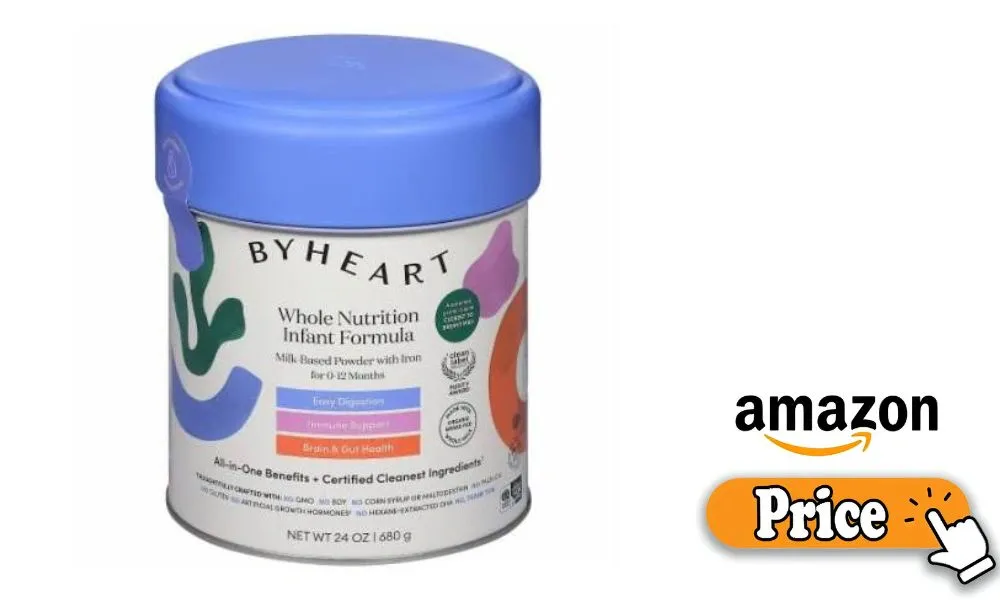
ByHeart represents the new wave of boutique, clean-label infant formulas manufactured right here in the United States. It aims to bridge the gap between strict European standard recipes and FDA guidelines.
Pros and Cons
Evaluating this modern recipe requires looking past the beautiful packaging to see what is really inside the can. Here is a balanced look at the core strengths and weaknesses.
| Feature | Pros | Cons |
| Ingredients | Whole milk base | Higher price point |
| Fat Blend | No palm olein oil | Can clump in cold water |
| Sourcing | Clean label certified | Limited retail availability |
These points highlight why so many parents are drawn to the brand, despite some minor inconveniences.
Real-World Feeding Experience
When you first pop the seal on a can of ByHeart, you will immediately notice the soft, creamy texture of the powder. Unlike some legacy brands, it smells surprisingly milky and sweet, rather than emitting that harsh, metallic iron odor.
However, during those 3 AM bottle preparations, you might find yourself vigorously shaking the bottle to dissolve minor clumps. The whole milk base can be stubborn in cold water, often requiring a slightly warmer temperature to achieve a perfectly smooth consistency.
Recommendation
I highly recommend ByHeart for parents who prioritize clean, whole-food ingredients and want a European-style formula without the shipping hassles. It is a fantastic choice if you want to avoid palm oil and prefer a whey dominant protein blend.
It is less ideal for families on a strict budget, as the premium ingredients come with a noticeably higher price tag. If your baby is accustomed to standard cow’s milk formulas, the transition is usually smooth, but always monitor for temporary gas.
Similac Formula Review
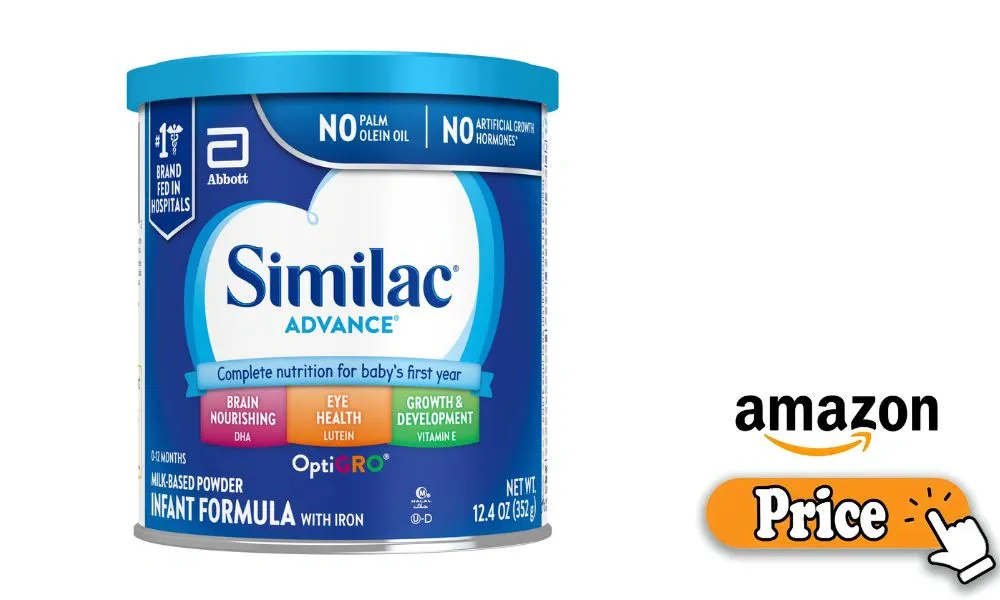
Similac has been a staple in hospital nurseries and kitchen pantries for decades, offering heavily researched nutritional profiles. Their flagship products are designed for maximum accessibility and broad digestive tolerance.
Pros and Cons
Legacy brands bring massive research budgets and unmatched convenience to the table. Let us weigh the practical advantages against the common complaints.
| Feature | Pros | Cons |
| Availability | Found in almost all stores | Standard vegetable oil blend |
| Preparation | Mixes instantly and smoothly | Stronger metallic smell |
| Nutrition | Advanced HMO prebiotic blends | Uses non-fat milk base |
This established track record provides immense comfort to parents who want a tried-and-true feeding solution.
Real-World Feeding Experience
Mixing a Similac bottle is typically a breeze, as the powder dissolves rapidly even in room-temperature water. This quick mixing is a lifesaver when you have a crying, hungry baby spitting up on a fresh outfit right before you leave the house.
You will likely notice a distinct, somewhat metallic smell, which is completely normal for standard iron-fortified infant formulas. While it might not smell appetizing to you, babies rarely seem to mind, and the addition of complex prebiotics supports predictable digestion.
Recommendation
Similac is an excellent option for families who need absolute reliability and want the convenience of grabbing a can at any local grocery store. The inclusion of complex prebiotics makes it a solid choice for general immune support.
If your baby has known sensitivities to specific vegetable oils or if you strongly prefer whole milk bases, this might not be your first choice. However, for the vast majority of healthy infants, it provides robust, complete nutrition.
Details Comparison: byheart vs similac
Comparing these two brands head-to-head reveals fundamentally different approaches to mimicking breast milk. To start, here is a quick overview of their basic features.
| Comparison Area | ByHeart Formula | Similac Formula |
| Protein Base | Whole milk (Grass-fed) | Non-fat milk |
| Carbohydrates | 100% Lactose | Lactose |
| Prebiotics | GOS | 5-HMO blend |
Understanding these baseline differences sets the stage for a deeper dive into how they perform daily.
Ingredient Quality & Cleanliness
ByHeart uses organic, grass-fed whole milk as its primary base, retaining natural milk fats while avoiding palm olein oil entirely. This approach mirrors European standards closely, prioritizing intact, high-quality fat sources for better nutrient absorption.
Similac relies on non-fat milk and a standard vegetable oil blend, which often includes palm olein oil depending on the specific product line. As one pediatric nutrition expert notes, “While standard vegetable blends meet all nutritional needs, some babies absorb calcium better without palm oil.”
Both brands strictly follow FDA guidelines, but their carbohydrate and fat sourcing strategies differ significantly.
| Ingredient Metric | ByHeart | Similac |
| Palm Oil Free | Yes | Varies by specific line |
| Clean Label Project | Certified | Not Certified |
| Milk Type | Whole Milk | Skim/Non-fat Milk |
Quality ingredients matter, but they must also translate to comfortable digestion for your little one.
Rating: ByHeart: 9/10 || Similac: 7/10
Digestibility & Tummy Tolerance
The whey-to-casein ratio in ByHeart is intentionally tailored to match breast milk, utilizing a proprietary blend that includes alpha-lactalbumin. This often results in softer stools and less constipation, easing the anxiety of waiting for a dirty diaper.
Similac counters with its impressive HMO prebiotic blend, which does an excellent job of feeding beneficial gut bacteria and supporting overall immunity. However, some parents report increased gas when their infants process the standard fat blend.
Digestion is highly individual, but looking at symptom matches can guide your decision.
| Digestion Factor | ByHeart Profile | Similac Profile |
| Stool Consistency | Often softer, mustard-like | Standard, can vary |
| Gas Frequency | Generally low | Moderate for some |
| Spit-Up Control | Average | Average |
Always remember that any transition between formulas can cause temporary fussiness for up to two weeks.
Rating: ByHeart: 8/10 || Similac: 8/10
Preparation & Mixing Ease
Similac is the clear winner when it comes to effortless preparation, dissolving almost instantly without leaving a stubborn residue. You rarely have to worry about excessive foam or clumps blocking the nipple during a late-night feed.
ByHeart requires a bit more finesse; the whole milk fats tend to clump if the water is slightly too cold. You have to swirl it gently but firmly to avoid creating too many air bubbles, which can lead to a gassy baby.
The daily reality of preparing bottles can significantly impact your overall stress levels.
| Preparation Aspect | ByHeart | Similac |
| Cold Water Mixing | Prone to clumping | Very smooth |
| Foam Generation | Low to moderate | Low |
| Scoop Design | Standard in-can scoop | Standard in-can scoop |
If you are consistently exhausted, the mixing speed of a formula can become a major deciding factor.
Rating: ByHeart: 7/10 || Similac: 9/10
Value & Cost per Ounce
Similac offers significant economies of scale, allowing parents to purchase massive bulk tubs at warehouse clubs for a very reasonable price per ounce. This widespread retail presence also means you never have to panic-search for out-of-stock cans online.
ByHeart operates on a premium pricing model, reflecting its boutique ingredient sourcing and specialized manufacturing process. While they offer a convenient subscription service, the monthly cost will be noticeably higher than standard commercial brands.
Budgeting for formula is a massive part of the first year, so understanding the true cost is vital.
| Value Metric | ByHeart | Similac |
| Average Cost/Ounce | Higher premium tier | Lower commercial tier |
| Bulk Buying Options | Limited (Subscription) | Excellent (Club stores) |
| In-Store Availability | Very Limited (Target) | Universal |
You must balance your desire for premium ingredients with the reality of your monthly household budget.
Rating: ByHeart: 6/10 || Similac: 9/10
Conclusion and Safety Reminder
Choosing the right formula is a deeply personal journey, and there is no single perfect answer for every family. Both of these brands offer safe, heavily regulated nutrition that will help your baby thrive.
In my experience, ByHeart is the superior choice for parents seeking a clean, whole-milk recipe that mimics strict European standards. It is perfect if you have the budget and want to avoid standard vegetable oil fillers.
Conversely, Similac remains a powerhouse for a reason, offering unmatched convenience, rapid mixing, and a highly researched prebiotic profile. It is the practical choice for busy families who need reliable, easily accessible nutrition.
Before transitioning your baby to any new formula, always consult your pediatrician to ensure it meets their specific dietary needs. Never dilute infant formula beyond the manufacturer’s exact mixing instructions, as this can be incredibly dangerous.