
Similac Alimentum vs Pepticate Formula Review
Navigating a suspected cow’s milk protein allergy (CMPA) leaves parents exhausted, staring at store shelves during midnight panic searches. When weighing similac alimentum vs pepticate, you are deciding between two premier extensively hydrolyzed options designed to manage severe fussiness, gas, and allergic reactions.
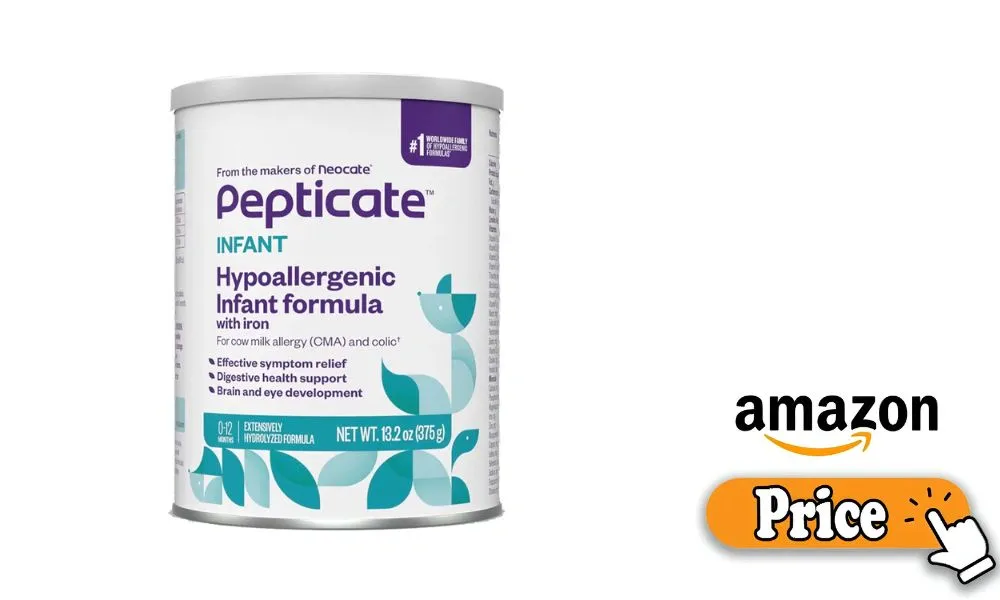
In my years testing infant formulas, few transitions carry as much emotional weight as moving to a specialized diet. Both brands offer relief for sensitive tummies, but their distinct protein bases, carbohydrate choices, and taste profiles create vastly different feeding experiences for suffering babies.
Similac Alimentum Review
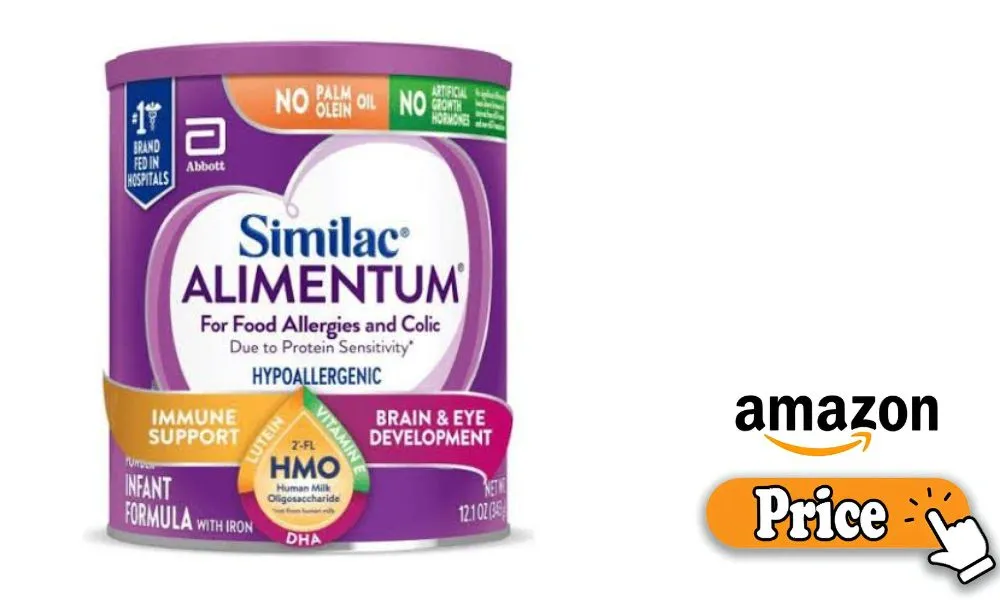
Similac Alimentum is a long-standing domestic staple for managing infant food allergies and severe colic. It features extensively hydrolyzed protein designed to be easily tolerated by sensitive infant guts.
Pros and Cons
Before diving into digestive specifics, examining the core structural trade-offs of this hypoallergenic formula provides immediate clarity for parents.
| Feature | Pros | Cons |
| Protein Base | Fast-acting casein hydrolysate | Strong sour smell |
| Carbohydrate | Lactose-free for healing guts | Contains corn maltodextrin |
| Availability | Widely stocked across US retailers | High price per ounce |
Understanding these practical trade-offs helps exhausted parents anticipate how their baby will adapt during the initial transition period.
Real-World Feeding Experience
During those stressful 3 AM bottle preparations, Alimentum delivers fast symptom relief, often easing severe crying within 24 hours. However, preparing a bottle requires extra care; shaking the powder vigorously generates excessive foam that traps air bubbles, potentially worsening gas if swallowed too quickly.
The distinct, sour odor characteristic of casein hydrolysates can cause strong initial bottle refusal for older infants. Parents should also prepare for dramatic changes in diaper contents, as dark green, soft stools become the norm while waiting anxiously for gut inflammation to settle.
Recommendation
Similac Alimentum is ideal for infants diagnosed with CMPA who require a completely lactose-free environment during acute gut recovery. Its ready-to-feed version is particularly valuable for parents seeking a corn-free, pre-mixed option that bypasses powder mixing entirely.
This formula works best for families who prioritize immediate retail access at local supermarkets over taste aesthetics. If your baby suffers from severe eczema or bloody stools due to protein sensitivity, Alimentum offers proven clinical reliability.
Pepticate Review
Pepticate brings European infant nutrition standards to the US market as an extensively hydrolyzed whey-based option. It provides a specialized diet engineered for improved taste and gut health.
Pros and Cons
Reviewing Pepticate’s unique nutritional design reveals how European formulation philosophies differ from traditional domestic hypoallergenic options in everyday use.
| Feature | Pros | Cons |
| Protein Base | Whey hydrolysate tastes milder | May require online ordering |
| Carbohydrate | Retains 60% natural lactose | Not for severe lactose intolerance |
| Fat Blend | Includes prebiotics, no palm oil | Higher cost per container |
These key features highlight why many parents seek out whey-dominant hydrolysates for babies who reject pungent alternative formulas.
Real-World Feeding Experience
Feeding Pepticate feels remarkably closer to standard formula due to its mild, slightly sweet taste and clean aroma. You will notice far less bottle refusal during transitions, eliminating the heartbreak of a hungry baby pushing away a bad-smelling nipple right before bedtime.
The formula mixes cleanly in warm water without stubborn clumping or lingering residue along the bottle walls. While diaper changes still reflect hydrolyzed protein digestion, the inclusion of GOS/FOS prebiotics helps foster softer, more regular bowel movements without excessive straining.
Recommendation
Pepticate is the premier choice for infants with mild-to-moderate CMPA whose parents struggle with formula palatability. It suits babies transitioning from breast milk or gentle formulas who refuse the harsh taste of casein-based hydrolysates.
Families who value European nutrition principles, including lactose retention for energy and brain development, will find Pepticate worth the effort. It is ideal for parents who prefer subscription delivery and can manage occasional out-of-stock anxiety.
Details Comparison: Similac Alimentum vs Pepticate
Comparing these two specialized formulas requires evaluating protein breakdown, sugar sources, and practical daily feeding mechanics side by side.
| Core Feature | Similac Alimentum | Pepticate |
| Hydrolysate Type | Extensively Hydrolyzed Casein | Extensively Hydrolyzed Whey |
| Primary Carb | Corn Maltodextrin / Sucrose | Lactose (60%) & Maltodextrin |
| Prebiotic Support | 2′-FL Human Milk Oligosaccharide | GOS / FOS Prebiotic Blend |
Evaluating these core structural differences allows parents to tailor their choice to their baby’s specific digestive tolerance and taste preference.
Ingredient Quality & Cleanliness
Protein structure dictates how effectively a hypoallergenic formula avoids triggering immune responses. Alimentum relies on extensively hydrolyzed casein, breaking proteins into tiny peptides to bypass gut detection. Pepticate utilizes extensively hydrolyzed whey, offering a protein profile closer to the whey-dominant structure of human breast milk.
Carbohydrate selection marks another critical divide between these formulations. Alimentum eliminates lactose entirely, relying on corn maltodextrin to support fragile intestines. Pepticate retains 60% lactose, supplying natural carbohydrate energy and supporting healthy gut microbiota development.
Analyzing carbohydrate sources and lipid structures reveals distinct manufacturing priorities for infant digestive health and daily absorption.
| Ingredient Category | Similac Alimentum | Pepticate |
| Main Carbohydrate | Corn maltodextrin (Powder) | Lactose & maltodextrin blend |
| Fat Sources | Safflower, soy, coconut oil | Vegetable oils (No palm olein) |
| Functional Lipids | DHA & ARA included | DHA & ARA included |
Both formulas successfully avoid palm olein oil in their fat blends, promoting superior calcium absorption and softer stool consistency.
Rating: Similac Alimentum: 8/10 || Pepticate: 9/10
Digestibility & Tummy Tolerance
Digestive comfort depends on how rapidly infants process hydrolyzed proteins and prebiotics. As pediatric gastroenterology guidelines note, “Extensively hydrolyzed formulas break down intact proteins to prevent immune recognition in allergic infants.” Alimentum excels at resolving acute symptoms like severe colic within days.
Pepticate supports digestive comfort through its combination of hydrolyzed whey and GOS/FOS prebiotics. The presence of lactose nourishes beneficial Bifidobacteria in the lower intestine, reducing constipation risks. Parents often notice less gas discomfort and fewer explosive spit-ups on fresh outfits right before leaving the house.
Tracking daily symptom relief helps parents evaluate whether their baby’s gut is stabilizing appropriately during initial transition weeks.
| Digestive Marker | Similac Alimentum | Pepticate |
| Colic & Gas Relief | Rapid relief for severe symptoms | Gentle, steady digestive support |
| Stool Consistency | Soft, dark green, strong odor | Soft, yellowish-green, milder |
| Gut Flora Support | 2′-FL HMO immune support | GOS/FOS prebiotic blend |
Monitoring bowel movements provides crucial real-time feedback when determining if a formula agrees with your baby’s system.
Rating: Similac Alimentum: 8.5/10 || Pepticate: 9/10
Preparation & Mixing Ease
Preparing bottles in dark kitchens demands a formula that dissolves quickly without stubborn lumps blocking the nipple. Alimentum powder mixes easily but produces foam when shaken vigorously, requiring bottle settling time. The ready-to-feed liquid version completely eliminates mixing hassles and air bubbles.
Pepticate powder dissolves exceptionally well in lukewarm water with minimal swirl effort, leaving virtually no greasy ring along the bottle sides. As veteran parents often observe, “The best hypoallergenic formula is ultimately the one your baby will actually swallow without a fight at 3 AM.”
Proper preparation routines ensure consistent nutrient delivery while minimizing trapped air that causes avoidable infant digestive distress.
| Preparation Metric | Similac Alimentum | Pepticate |
| Dissolution Speed | Fast, but prone to foaming | Fast with minimal foaming |
| Ready-To-Feed Option | Yes (Liquids available) | Powder only in US market |
| Powder Shelf Life | Standard 1-month post-opening | Standard 1-month post-opening |
Choosing between convenient liquid formats and easily soluble powders depends directly on your family’s daily lifestyle needs.
Rating: Similac Alimentum: 8/10 || Pepticate: 8.5/10
Value & Cost per Ounce
Specialized hypoallergenic formulas represent a significant financial commitment for growing families. Alimentum carries a premium price point, but its wide retail footprint means you can easily purchase cans during emergency late-night store runs. Insurance coverage or WIC assistance may also help offset its monthly expense.
Pepticate sits at a comparable high-end price per ounce, often requiring direct online ordering or subscription services. While subscription discounts help manage costs, parents face potential delivery delays or out-of-stock anxiety when regional supply chains experience interruptions.
Evaluating long-term budget impact requires carefully balancing local retail availability against potential online subscription savings.
| Value Factor | Similac Alimentum | Pepticate |
| Retail Availability | Universal across US stores | Specialty retailers & online |
| Average Cost / Oz | High ($1.50 – $1.80/oz) | High ($1.50 – $1.75/oz) |
| Insurance Eligibility | Widely covered by assistance | Varies by insurance carrier |
Factoring in emergency retail availability prevents midnight panic when your last can runs unexpectedly low during feeding time.
Rating: Similac Alimentum: 7.5/10 || Pepticate: 7/10
Final Verdict and Safety Guidance
Choosing between these exceptional hypoallergenic formulas comes down to your baby’s specific taste tolerance and carbohydrate needs. Alimentum remains the trusted standard for acute lactose sensitivity and immediate retail convenience, while Pepticate offers an innovative, lactose-rich whey alternative that tastes significantly better.
When switching formulas, introduce the new powder gradually over five to seven days to allow your baby’s delicate digestive tract time to adapt. Never alter water-to-powder ratios or dilute formula beyond manufacturer instructions, as improper concentration can cause severe electrolyte imbalances.
Always consult your pediatrician or pediatric gastroenterologist before switching formulas, especially when managing diagnosed cow’s milk protein allergies or failure to thrive. Your physician can help monitor growth charts and verify that your baby is absorbing essential nutrients safely.