
EleCare vs Similac Alimentum: Expert Formula Review
Navigating the choice between elecare vs similac alimentum usually means you are already dealing with a stressed, uncomfortable baby. I have been in those exact shoes, desperately searching for the best formula for sensitive stomachs at 3 AM while bouncing a crying infant. Both of these specialized options are lifesavers for severe food allergies, but they operate on completely different scientific principles.

Understanding the nuances between an extensively hydrolyzed casein blend and a purely amino acid-based powder is crucial for your baby’s comfort. Let me walk you through the distinct differences, from carbohydrate sources to the reality of the smells, so you can finally get some sleep and peace of mind.
EleCare Review
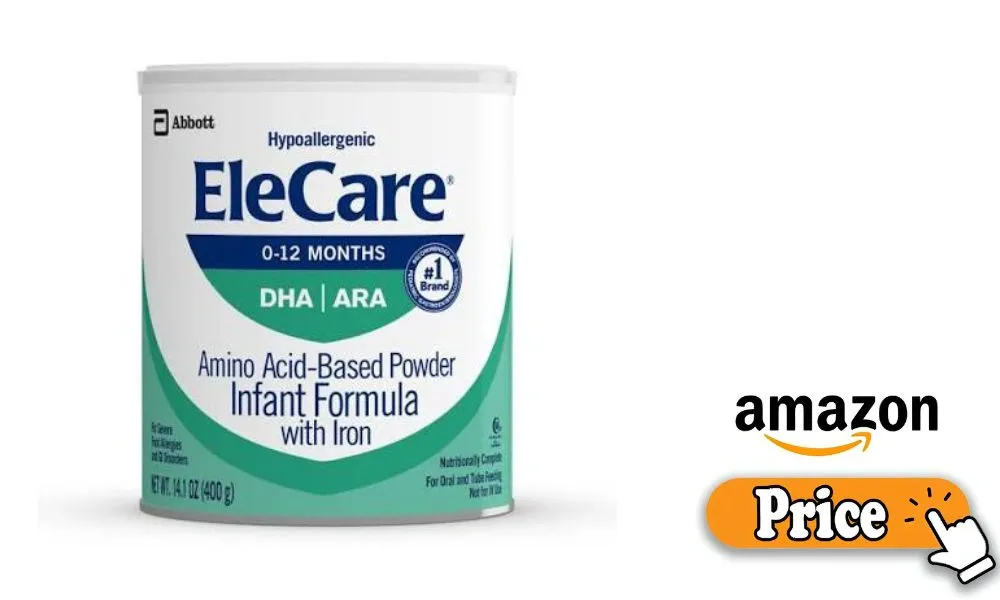
EleCare is an advanced, amino acid-based formula specifically designed for infants who cannot tolerate even extensively broken-down proteins in standard hypoallergenic options.
Pros and Cons
Here is a quick look at the major advantages and drawbacks of choosing this highly specialized infant nutrition product.
| Feature | Pros | Cons |
| Protein Source | 100% free amino acids | Extremely expensive daily cost |
| Digestion Rate | Maximum hypoallergenic relief | Strong metallic and sour smell |
| Allergy Target | Solves severe dairy and soy issues | Very hard to find in local stores |
The financial cost is undeniably steep, but for a baby suffering from severe protein allergies, the digestive relief is almost instantaneous.
Real-World Feeding Experience
When I evaluated EleCare with a colicky, miserable infant, the distinct metallic and sour smell immediately caught my attention. It is undeniably pungent, and the incredibly thin consistency can sometimes flow far too quickly through standard bottle nipples during late-night feedings.
However, the way it completely eliminated bloody stools and severe eczema in just a few days was nothing short of miraculous. You simply have to endure a tricky transition phase while your baby adjusts to the unusual flavor profile and extremely thin liquid texture.
Recommendation
I firmly suggest EleCare for infants formally diagnosed with eosinophilic esophagitis or those who have repeatedly failed extensively hydrolyzed formulas. It represents the absolute end of the line for managing severe, complicated food allergies and persistent gastrointestinal disorders.
Be prepared to work closely with your pediatrician and potentially your insurance provider to help manage the ongoing retail costs. It is a highly medicalized intervention, but it delivers truly life-changing results when absolutely nothing else works for your little one.
Similac Alimentum Review
Similac Alimentum uses extensively hydrolyzed casein proteins, meaning the milk proteins are broken down into tiny, highly digestible fragments to avoid triggering allergic reactions.
Pros and Cons
This formula beautifully bridges the gap between standard gentle formulas and extreme amino acid options, offering unique benefits and downsides.
| Feature | Pros | Cons |
| Protein Profile | Hydrolyzed casein blend | Still contains minute dairy traces |
| Retail Access | Ready-to-feed liquid available | Smells notoriously bad upon mixing |
| Price Point | Cheaper than amino acid formulas | Can cause loose, dark green stools |
While the pungent odor is notoriously challenging for parents, the convenience of finding it on local store shelves is a massive relief.
Real-World Feeding Experience
Preparing Alimentum powder involves vigorously shaking a bottle and occasionally dealing with excessive foam or clumps blocking the nipple. The ready-to-feed version is much smoother, though you will definitely notice the famous “cheese-like” scent wafting from the bottle either way.
Despite the smell, transitioning your baby to a new formula like this often results in a dramatic reduction in arching backs and screaming fits. The profound relief from digestive distress usually outweighs the temporary unpleasantness of the daily mixing and preparation process.
Recommendation
Alimentum is my go-to recommendation for babies with a diagnosed cow’s milk protein allergy who do not require a strictly amino acid diet. It effectively manages reflux, gas, and colic expectations for the vast majority of highly sensitive infants I have worked with.
If your pediatrician suspects a moderate dairy allergy, this is an excellent first step before moving to more extreme, expensive options. Just remember to start with the ready-to-feed liquid if your baby is incredibly picky about tastes and textures.
Details Comparison: elecare vs similac alimentum
To truly understand which formula belongs in your pantry, we need to break down their compositional differences and real-world performance metrics layer by layer.
Core Nutritional Breakdown
Both formulas meet strict FDA guidelines for infant nutrition, providing a complete profile of essential vitamins, DHA, and ARA. However, their specific approaches to delivering these critical building blocks differ wildly based on the intended medical need and digestive capability.
Understanding these macronutrients helps explain why these formulas digest so differently in a sensitive baby’s compromised gastrointestinal tract. As a veteran parent, I know that checking these foundational nutritional stats is the very first step to establishing peace of mind.
Here is a quick glance at how their core nutritional profiles stack up against one another in a standard infant bottle.
| Nutrient Focus | EleCare | Similac Alimentum |
| Protein Type | 100% Free Amino Acids | Extensively Hydrolyzed Casein |
| Carbohydrates | Corn Syrup Solids | Corn Maltodextrin & Sugar |
| Added DHA/ARA | Yes (Sustainably Sourced) | Yes (For Brain Development) |
Neither formula contains intact lactose, which is a deliberate clinical choice to prevent inflammation in highly irritated, sensitive digestive systems.
Rating: EleCare: 9/10 || Similac Alimentum: 8/10
Ingredient Quality & Cleanliness
EleCare removes protein structures entirely, relying on pure, synthetic amino acids paired strictly with corn syrup solids to provide rapidly absorbing carbohydrates. Similac Alimentum utilizes a highly broken-down casein blend alongside maltodextrin, which structurally remains much closer to a traditional dairy formula.
Neither option mimics the exact prebiotic HMOs or lactose profile of breast milk, but that is entirely by design to maximize hypoallergenic safety. As medical professionals note, “In hypoallergenic formulations, avoiding the allergen takes strict precedence over replicating the exact carbohydrate profile of human milk.”
Let us look closely at the primary ingredients powering these two specialized and highly medicalized infant food options.
| Component | EleCare | Similac Alimentum |
| Fat Source | High Oleic Safflower Oil | Safflower & Soy Oil Blend |
| Carbohydrate | 100% Corn Syrup Solids | Corn Maltodextrin & Sugar |
| Milk Traces | Absolutely Zero | Highly Broken Down Peptides |
Both formulations consciously avoid controversial palm olein oil, which is fantastic news for preventing hard stools and ensuring proper calcium absorption.
Rating: EleCare: 9/10 || Similac Alimentum: 7/10
Digestibility & Tummy Tolerance
EleCare requires literally zero digestive effort from your baby because the amino acids are already in their most basic, elemental form. Alimentum requires some digestive breakdown, but the hydrolyzed casein is small enough to bypass most allergic immune responses in the gut.
The anxiety of waiting for a dirty diaper after transitioning to a new brand is real, especially with these specialized formulas. Alimentum often produces very loose, dark green stools, while EleCare can sometimes cause slightly firmer, much less frequent bowel movements.
Here is how these two formulas generally impact your baby’s delicate and developing gastrointestinal system during daily feedings.
| Symptom Target | EleCare | Similac Alimentum |
| Severe Colic | Immediate, profound relief | Very high success rate |
| Eosinophilic Issues | The mandatory, safe choice | Not medically recommended |
| Spit-up Frequency | Very thin liquid, may increase | Thicker liquid, helps retention |
If your baby is spitting up on a fresh outfit right before walking out the door, Alimentum’s slightly thicker liquid viscosity might help.
Rating: EleCare: 10/10 || Similac Alimentum: 8/10
Preparation & Mixing Ease
Powder vs ready-to-feed formula is a massive debate among exhausted parents, and unfortunately, EleCare only comes in a strict powdered format. You must mix it very carefully, as the ultra-fine powder can occasionally clump up if your mixing water is slightly too cold.
Alimentum offers both standard powder and a wildly popular ready-to-feed liquid, which is an absolute game-changer for those bleary-eyed midnight feedings. The ready-to-feed version is also completely corn-free, which is a massive selling point for parents actively avoiding all corn derivatives.
Let us compare the physical reality of mixing these formulas in the kitchen while holding a frantically screaming infant.
| Feature | EleCare | Similac Alimentum |
| Formats Available | Powder Only | Powder & Ready-to-Feed |
| Mixing Consistency | Prone to minor clumping | Shakes up relatively easily |
| Odor upon Mixing | Strong metallic, sour scent | Pungent, cheesy smell |
I always strongly recommend using a dedicated formula pitcher to mix a full day’s batch, dramatically reducing the trapped air foam in both options.
Rating: EleCare: 6/10 || Similac Alimentum: 9/10
Value & Cost per Ounce
The true cost per ounce of EleCare is staggering, often pushing past two dollars per ounce depending on your specific pharmacy or retailer. This is a medical food, and dealing with the sheer panic of noticing your chosen formula is out of stock is quite common.
Alimentum is expensive compared to standard gentle formulas, but it is vastly more affordable and accessible than any strict amino acid alternative. You can usually find it at your local grocery store, sparing you the immense stress of relying entirely on specialty medical shipments.
Here is a breakdown of what you can expect to spend when relying on these highly specialized infant nutrition products.
| Pricing Factor | EleCare | Similac Alimentum |
| Average Cost | Extremely High | Moderately High |
| Retail Availability | Specialty & Pharmacies Only | Most Standard Grocery Stores |
| Insurance Coverage | Often Required & Approved | Occasionally Available |
Always check directly with your insurance provider, as many states strictly mandate coverage for medically necessary amino acid formulas like EleCare.
Rating: EleCare: 5/10 || Similac Alimentum: 8/10
Conclusion and Safety Reminder
Choosing between these two specialized formulas ultimately comes down to the absolute severity of your baby’s allergies and the explicit recommendations of your medical team. Similac Alimentum is the perfect first line of defense for milk protein allergies, while EleCare is the ultimate, highly medicalized fail-safe option.
Please remember to consult your pediatrician before switching formulas, especially when navigating severe food allergies or persistent, painful gastrointestinal distress. Never dilute your infant’s formula beyond the manufacturer’s exact directions, as it can quickly cause dangerous nutritional deficiencies in your growing baby.
As experts often remind us, “Every baby’s digestive tract heals on its own timeline; patience during a formula transition is just as important as the formula itself.” You are doing an incredible job navigating a highly stressful situation, so take a deep breath and trust the healing process.