
Enfamil Enfacare vs Similac Neosure Reviewed
Navigating the choice between enfamil enfacare vs similac neosure is a rite of passage for preemie parents. When your little one arrives early, you need a high-calorie, nutrient-dense formula to support rapid catch-up growth.

Over my 15 years as an infant nutrition strategist, I have guided countless anxious families through this exact transition. Both of these specialized options offer 22 calories per ounce, but their protein blends and carbohydrate sources differ significantly in everyday feeding.
Enfamil Enfacare Review
Enfamil Enfacare is explicitly designed to mimic the nutritional profile of late-stage breast milk while boosting essential calories. It relies heavily on a whey-dominant protein blend that tends to be gentle on tiny, developing digestive systems.
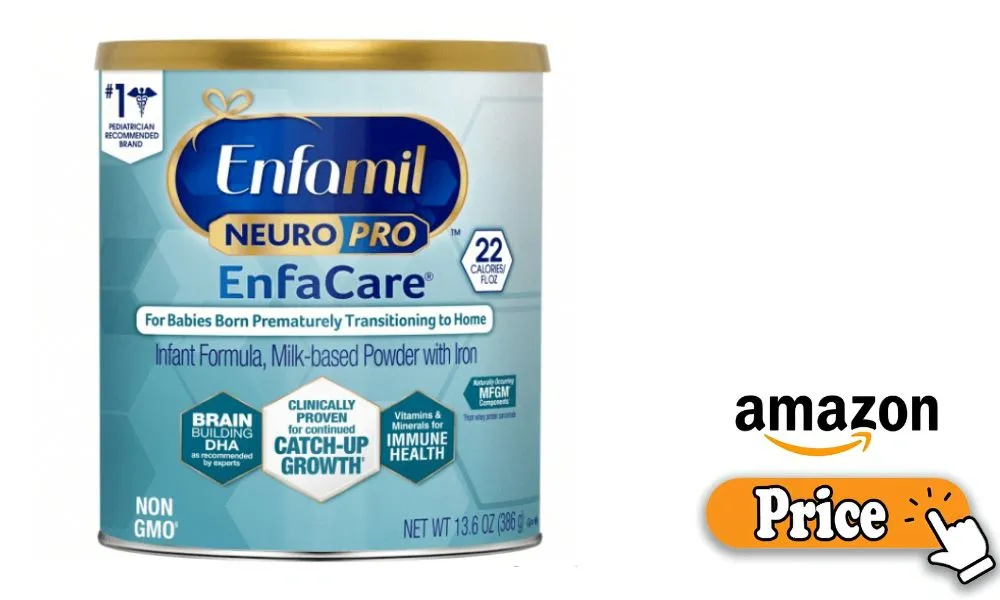
Parents often find this formulation easier to mix, which is a lifesaver during those exhausting 3 AM bottle preparations. The inclusion of expert-recommended DHA and ARA amounts supports crucial brain and eye development during this critical window.
Pros and Cons
Evaluating the real-world performance of this formula requires looking beyond the marketing claims on the label. I always encourage parents to weigh these specific benefits against the potential drawbacks for their unique baby.
Here is a clear, unbiased breakdown of what you can expect when choosing this particular option for your premature infant.
| Feature Type | Notable Advantages | Potential Drawbacks |
| Digestion | Whey-heavy blend is very gentle | Can cause mildly loose stools |
| Preparation | Dissolves rapidly in warm water | Strong, slightly metallic odor |
| Nutrients | Excellent DHA and ARA levels | Contains some palm olein oil |
While the pros heavily outweigh the cons for most families, that slightly metallic smell can be surprising at first. You will quickly get used to it once you see the steady weight gain on your pediatrician’s scale.
The slightly higher price point is something to budget for, especially since premature babies consume increasing volumes as they grow.
Real-World Feeding Experience
In my experience, babies transitioning from the NICU to Enfamil Enfacare tend to handle the whey-heavy protein quite well. Vigorously shaking a bottle usually results in a smooth liquid, avoiding those frustrating clumps that can block a standard slow-flow nipple.
However, because it contains extra vitamins and iron, you might notice your baby’s spit-up has a distinct, sometimes metallic or sour smell. This is completely normal, even if it means doing a bit more laundry when they inevitably spit up on a fresh outfit right before you leave the house.
Recommendation
I strongly recommend this formula for families who prioritize a whey-dominant protein structure closer to human milk. It is exceptionally well-suited for babies who struggle with the thicker, heavier casein curds found in standard cow’s milk formulas.
If your premature infant has shown mild gas or fussiness on standard transitional formulas, this softer digestion profile is ideal. Always monitor their diaper output closely during the first week of transition.
Similac Neosure Review
Similac Neosure takes a slightly different approach to catch-up growth by utilizing a balanced whey-to-casein ratio alongside a unique carbohydrate blend. This formula has been a staple in NICUs for decades, trusted for its consistent, calorie-dense delivery.
It incorporates a specialized fat blend designed for optimal calcium absorption, which is vital for building bone density in premature infants. Many parents find great success with this robust, historically proven nutritional profile.
Pros and Cons
Just like its competitor, Neosure presents a specific set of advantages and challenges that parents must carefully consider. Understanding these nuances helps manage expectations when you finally bring your baby home.
The following comparison highlights the most prominent features and common parental complaints associated with this high-calorie option.
| Feature Type | Notable Advantages | Potential Drawbacks |
| Ingredients | Completely palm oil free formulation | Contains maltodextrin as a carb |
| Bone Health | Maximizes pure calcium absorption | Higher casein ratio can be heavy |
| Availability | Very easy to find in local stores | Tends to foam up when shaken |
The foamy texture mentioned in the drawbacks is a very common observation among exhausted parents making late-night bottles. Swirling the mixture gently instead of shaking it aggressively can significantly reduce those trapped air bubbles.
Despite the mixing quirks, the undeniable clinical track record for supporting rapid, healthy growth makes it a compelling choice.
Real-World Feeding Experience
When I evaluated Neosure in real-world settings, the most frequent feedback involved its slightly thicker consistency and tendency to foam. If you shake it too hard, your baby might swallow extra air, leading to the anxiety of waiting for a dirty diaper or a massive burp.
The carbohydrate base includes maltodextrin, which provides readily available energy but can sometimes lead to slightly firmer stools. Navigating these digestive shifts requires patience, as your baby’s gut biome is still maturing and adjusting to the nutrient load.
Recommendation
Neosure is a fantastic option if your baby needs robust, sustained energy delivery and has no issues digesting a higher casein content. It is highly recommended by medical professionals for its rigorous clinical backing in promoting lean body mass.
Parents who prefer buying in bulk or utilizing ready-to-feed formats will also appreciate Similac’s extensive retail availability. If your local shelves are often bare, this brand’s consistent stock levels can prevent a lot of unnecessary panic.
Details Comparison: Enfamil Enfacare vs Similac Neosure
To truly understand which product fits your family, we must break down the core nutritional components side by side. Both options adhere to strict FDA guidelines for infant nutrition, but their execution differs.
Let us look closely at how these two specialized formulas compare across several critical daily feeding parameters.
| Core Specification | Enfamil Enfacare | Similac Neosure |
| Caloric Density | 22 calories per ounce | 22 calories per ounce |
| Protein Ratio | 60% Whey / 40% Casein | 48% Whey / 52% Casein |
| Prebiotic Type | Proprietary GOS blend | Standard FOS inclusion |
This high-level overview highlights the foundational differences in how each brand approaches premature infant nutrition. As one expert nutritional guideline states, “Catch-up growth requires optimized calcium and phosphorus absorption, which both fat blends strive to achieve.”
Now, we will dive deeper into the specific ingredient qualities and how they impact your baby’s tiny digestive tract.
Ingredient Quality & Cleanliness
Both brands offer a 22-calorie-per-ounce baseline, but Enfacare leans heavily on a whey dominant protein blend, which closely mirrors early human milk. Neosure, conversely, uses a casein blend that takes slightly longer to digest but provides sustained amino acid release.
Neither brand is purely organic, as European standard organic options rarely formulate specifically for premature catch-up growth. You will find essential GOS/FOS prebiotics in both to support a healthy gut biome.
| Ingredient Category | Enfamil Enfacare Profile | Similac Neosure Profile |
| Carbohydrates | Corn syrup solids and lactose | Corn syrup and maltodextrin |
| Fat Blend | Contains palm olein oil | Palm oil completely excluded |
| Brain Support | Expert recommended DHA/ARA | OptiGRO DHA/ARA blend |
The presence of lactose versus maltodextrin is a key differentiator for parents scrutinizing carbohydrate sources. Lactose is the natural sugar found in breast milk and is generally preferred if the baby tolerates it.
Both formulas include synthesized DHA and ARA to mimic breast milk’s cognitive support profile.
Rating: Enfamil Enfacare: 8/10 || Similac Neosure: 8/10
Digestibility & Tummy Tolerance
Digestibility is where you will notice the most significant day-to-day differences, especially concerning gas and spit-up. Enfacare’s softer whey curds often pass through the stomach faster, which can reduce early-stage reflux symptoms.
Neosure contains no palm olein oil, which some studies suggest can slightly improve calcium absorption and lead to softer stools. However, the higher casein content can sometimes cause mild constipation in very sensitive infants.
| Digestion Metric | Enfamil Enfacare Reaction | Similac Neosure Reaction |
| Gastric Emptying | Faster due to whey dominance | Slower, sustained digestion |
| Gas Production | Mild, easily passed gas | Occasional trapped wind |
| Stool Consistency | Typically loose and frequent | Can be slightly firmer |
A veteran parent once told me, “You don’t choose the formula; your baby’s tummy chooses the formula for you.” This rings incredibly true when comparing these two digestion profiles.
Always expect a transitional period of about two weeks when introducing either of these calorie-dense options.
Rating: Enfamil Enfacare: 9/10 || Similac Neosure: 7/10
Preparation & Mixing Ease
At 3 AM, preparation ease becomes a monumental factor for sleep-deprived parents making bottles in the dark. Enfacare powder is remarkably fine and dissolves quickly in lukewarm water with just a few gentle swirls.
Neosure has a slightly denser powder texture that requires more vigorous mixing to fully integrate without leaving clumps. Unfortunately, shaking Neosure aggressively tends to produce a thick layer of foam.
| Preparation Factor | Enfamil Enfacare Steps | Similac Neosure Steps |
| Powder Texture | Very fine and lightweight | Slightly dense and granular |
| Mixing Method | Gentle swirling works perfectly | Vigorous shaking required |
| Bubble Formation | Minimal foaming observed | Prone to heavy air bubbles |
To mitigate the foaming issue with Neosure, many parents utilize formula mixing pitchers to prep batches ahead of time. This allows the air bubbles to settle in the fridge before feeding time.
Both brands offer ready-to-feed liquid versions, which are sterile and highly recommended for premature infants by many pediatricians.
Rating: Enfamil Enfacare: 9/10 || Similac Neosure: 7/10
Value & Cost per Ounce
The panic of noticing your chosen formula is consistently out of stock at local retailers is a unique modern stressor. Thankfully, both Enfacare and Neosure are widely distributed across major grocery and pharmacy chains.
Specialized premature formulas will always carry a premium price tag compared to standard infant options. When calculating the true cost, always look at the price per dry ounce, as can sizes vary between the brands.
| Purchasing Factor | Enfamil Enfacare Value | Similac Neosure Value |
| Standard Can Size | 13.6 ounces per standard tub | 13.1 ounces per standard tub |
| Cost per Ounce | Slightly higher premium price | More affordable bulk options |
| Retail Sourcing | Excellent pharmacy presence | Dominant grocery availability |
Enfacare generally prices out slightly higher per ounce, but regional variations and subscription discounts can level the playing field. Buying in bulk cases online is the most economical strategy for either choice.
Insurance programs or WIC often cover these specific formulas if you have a medical prescription from your pediatrician.
Rating: Enfamil Enfacare: 7/10 || Similac Neosure: 8/10
Choosing between these two excellent catch-up formulas ultimately depends on your premature baby’s specific digestive quirks and protein tolerance. Enfacare wins for gentler digestion, while Neosure offers a robust, palm-oil-free fat blend for bone growth.
As a vital safety reminder, always consult your pediatrician before switching formulas, as premature infants require closely monitored nutritional transitions. Never dilute these high-calorie formulas beyond the strict manufacturer directions, as it compromises their essential nutrient density.