
Enfagrow vs Similac Go and Grow: Toddler Drinks
When comparing enfagrow vs similac go and grow, parents are often transitioning from infant stages and feeling overwhelmed by new toddler nutritional needs. I have spent years evaluating these milk-based drinks to help parents bridge the dietary gaps that picky eating inevitably creates.

In my experience, navigating this toddler transition is just as stressful as those early days of panic-searching for out-of-stock cans at midnight. Both of these brands offer solid nutritional safety nets, but understanding their specific ingredient profiles is crucial for your little one.
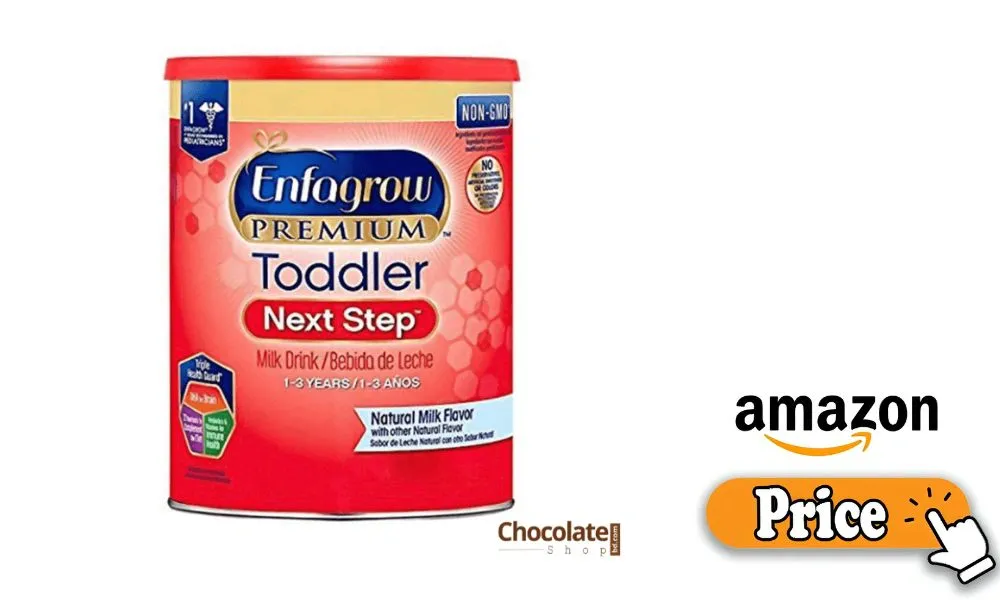
Enfagrow Review
Let us look closely at how Enfagrow performs as a daily nutritional supplement for active, growing toddlers. This milk-based drink is designed to support brain development while filling common dietary voids.
Pros and Cons
Every toddler drink has distinct advantages and drawbacks depending on your child’s specific palate and digestive tendencies. Here is a balanced look at what Enfagrow brings to the table.
| Aspect | Enfagrow Pros | Enfagrow Cons |
| Nutrition | High in DHA for brain development | Contains added sugars or syrups |
| Taste | Sweet, creamy profile toddlers enjoy | Can cause flavor preferences early on |
| Availability | Very easy to find in most retail stores | Powder can occasionally clump |
Reviewing these points helps clarify if this specific blend aligns with your toddler’s nutritional requirements. Many parents find the omega-3 fatty acid inclusions particularly reassuring for developmental milestones.
Real-World Feeding Experience
During my evaluations, vigorously shaking a bottle and dealing with excessive foam or clumps blocking the nipple was occasionally an issue with Enfagrow. You really need warm water and a firm mixing technique to ensure a smooth, easily drinkable consistency for your toddler.
Once mixed, the drink has a slightly sweet, creamy profile that most toddlers seem to accept without much fuss. However, you might notice the distinct, sometimes metallic or metallic/sour smell of iron-rich formulas when you are washing out the sippy cups later.
Recommendation
I highly recommend Enfagrow for parents whose toddlers are exceptionally picky eaters and might be missing out on critical brain-building fats. The strong DHA profile makes it an excellent safety net for children who completely refuse fish or omega-rich seeds.
If your toddler has a relatively robust stomach and tolerates standard dairy well, this drink is a reliable, easily accessible option. It is a comforting choice when you need the peace of mind that their basic nutritional bases are fully covered every day.
Similac Go and Grow Review
Now we shift our focus to Similac Go and Grow, another heavyweight contender in the toddler nutritional space. This product focuses heavily on digestive health and overall immune system support.
Pros and Cons
Understanding the strengths and weaknesses of Similac Go and Grow helps you make an informed decision. This breakdown highlights the most practical aspects of daily use.
| Aspect | Similac Pros | Similac Cons |
| Digestion | Includes prebiotics for gut health | Milk base may still upset sensitive tummies |
| Fats | No palm olein oil for better absorption | Slightly more expensive in some regions |
| Mixing | Dissolves very easily in warm water | Mild taste might be rejected by sweet tooths |
Weighing these elements is essential before committing to a bulk purchase for your pantry. The focus on prebiotics often makes a noticeable difference in daily digestive comfort.
Real-World Feeding Experience
Transitioning to Similac often brings the anxiety of waiting for a dirty diaper after transitioning to a new brand, but its prebiotic blend usually keeps things moving smoothly. I have found it mixes relatively easily, rarely leaving those frustrating powder chunks behind.
The taste is quite mild, which is perfect for toddlers who are resistant to overwhelmingly sweet or heavily flavored beverages. Just be aware that milk-based drinks can sometimes lead to a toddler spitting up on a fresh outfit right before walking out the door.
Recommendation
Similac Go and Grow is my top suggestion for toddlers who have a history of mild constipation or digestive sluggishness. The inclusion of GOS prebiotics actively supports a healthier gut microbiome, which is vital during the messy, unpredictable phases of solid food introduction.
It is also ideal for families who prefer a slightly less sweet flavor profile to prevent their children from developing a strong preference for sugary drinks. This option provides a fantastic, balanced approach to bridging the gap between infant formula and whole cow milk.
Details Comparison: Enfagrow vs Similac Go and Grow
When we place these two leading toddler drinks side by side, the nuanced differences in their formulations become much clearer. Let us examine their core features directly.
| Feature Overview | Enfagrow | Similac Go and Grow |
| Primary Base | Nonfat milk | Nonfat milk |
| Key Additions | Premium DHA and ARA | Prebiotics (GOS) |
| Palm Oil Status | Contains palm olein oil | No palm olein oil |
This broad overview sets the stage for a much deeper dive into their specific ingredients and performance metrics. Both brands clearly prioritize holistic toddler development.
Ingredient Quality and Cleanliness
Both brands utilize a milk-based foundation, but they diverge slightly in their carbohydrate sources and fat blends. Enfagrow tends to emphasize its proprietary omega-3 fatty acid blends, which are designed to closely mimic the brain-boosting benefits found in early infant nutrition.
As one pediatric nutritionist wisely noted, “The transition to toddlerhood requires a shift from rapid physical growth to intensive cognitive development.” Similac focuses heavily on its prebiotic fibers and avoids palm olein oil, which can be a cleaner choice for fat absorption.
Let us look carefully at how their primary ingredient profiles and macronutrient sources stack up against each other in daily use.
| Component | Enfagrow Details | Similac Details |
| Carbohydrates | Corn syrup solids and lactose | Lactose dominant blend |
| Fat Source | Palm olein, soy, and coconut oils | Safflower, soy, and coconut oils |
| Specialty | High DHA concentration | High prebiotic concentration |
Evaluating these ingredients highlights that neither product is completely free of processed carbohydrates, which is common in this category. Your choice depends heavily on your specific nutritional priorities.
Rating: Enfagrow: 8/10 || Similac Go and Grow: 8.5/10
Digestibility and Tummy Tolerance
Digestibility is crucial because even the best ingredients are useless if they cause agonizing gas or constipation. Similac’s exclusion of palm olein oil and inclusion of prebiotics gives it a slight edge in promoting softer, more regular stools for sensitive toddlers.
Enfagrow is generally well-tolerated, but some toddlers with mild dairy sensitivities might experience slight bloating during the initial transition phase. Always monitor your child’s diapers and overall mood when introducing any new nutritional supplement to their daily routine.
Here is a practical breakdown of how both of these toddler drinks typically interact with a growing child’s sensitive and developing digestive system.
| Symptom Match | Enfagrow Tolerance | Similac Tolerance |
| Constipation | Palm oil may firm up stools | Prebiotics help soften stools |
| Gas/Bloating | Moderate risk during transitions | Lower risk due to gut support |
| Spit-Up | Standard milk-based risk level | Standard milk-based risk level |
Remember that every toddler’s gut microbiome is entirely unique and constantly evolving. What causes mild gas in one child might be perfectly digested by another without any issues.
Rating: Enfagrow: 7.5/10 || Similac Go and Grow: 8.5/10
Preparation and Mixing Ease
If you have ever spent time vigorously shaking a bottle at dawn, you know that mixability is a major factor in parental sanity. Similac generally dissolves into water with a few simple swirls, leaving very little residue or foam behind in the cup.
Enfagrow sometimes requires slightly warmer water and a more aggressive mixing technique to fully incorporate the powder. Failing to mix it properly can lead to clogged bottle nipples or sippy cup spouts, which is incredibly frustrating for a hungry toddler.
This quick comparison table highlights the daily preparation realities and minor inconveniences you will inevitably face with each brand in your kitchen.
| Feature | Enfagrow Prep | Similac Prep |
| Mixing Effort | Requires vigorous shaking | Dissolves easily with light mixing |
| Clumping Risk | Moderate to high in cold water | Very low in most water temps |
| Foam Level | Can be frothy after shaking | Minimal foam accumulation |
Proper storage and careful mixing ensure your child receives the full nutritional benefit of every serving. Always follow the exact water-to-powder ratios printed on the manufacturer’s label.
Rating: Enfagrow: 7/10 || Similac Go and Grow: 9/10
Value and Cost per Ounce
When analyzing the best formula for sensitive stomachs or general toddler health, the true cost per ounce is a critical metric. Both of these brands sit comfortably in the premium mainstream category, meaning they are an investment in your grocery budget.
However, you can often mitigate the panic of noticing your chosen formula is consistently out of stock by utilizing online subscription services. Similac occasionally edges out Enfagrow in bulk pricing, but frequent retail promotions can easily flip that financial advantage.
Let us carefully break down the standard retail pricing structures and volume differences to help you plan your monthly grocery budget accurately.
| Metric | Enfagrow Cost | Similac Cost |
| Standard Size | 31.4 oz powder can | 36 oz powder can |
| Price Tier | Premium mainstream | Premium mainstream |
| Bulk Savings | High through subscriptions | High through bulk club stores |
Keep in mind that prices fluctuate wildly depending on your chosen retailer and current supply chain conditions. Buying in bulk is almost always the most economically sound strategy.
Rating: Enfagrow: 8/10 || Similac Go and Grow: 8/10
Conclusion and Safety Reminder
Choosing the right toddler drink ultimately comes down to balancing your child’s specific dietary gaps with your daily budget. Both of these products offer tremendous value, but Similac’s digestive benefits slightly edge out the competition for sensitive tummies.
As an experienced parent and nutrition strategist, I always remind families that toddler drinks should supplement, never replace, whole foods. “Nutrition is a marathon of varied exposure, not a sprint fixed by a single beverage,” as a noted pediatrician regularly advises.
Please remember to consult your pediatrician before switching formulas or introducing new supplements into your baby’s diet. Never dilute formula beyond the manufacturer’s directions, as this can lead to severe nutritional deficiencies and water intoxication.