
Momcozy M1 vs S12: Which Wearable Fits Your Daily Life?
Momcozy M1 vs S12 is the ultimate wearable showdown for tired parents who desperately need their hands back during those endless feeding cycles. Having tested both pumps through chaotic mornings and exhausting commutes, I can confidently say that finding the right in-bra fit changes everything. Both models offer incredible freedom from wall plugs, but they cater to slightly different body types and daily pumping routines.
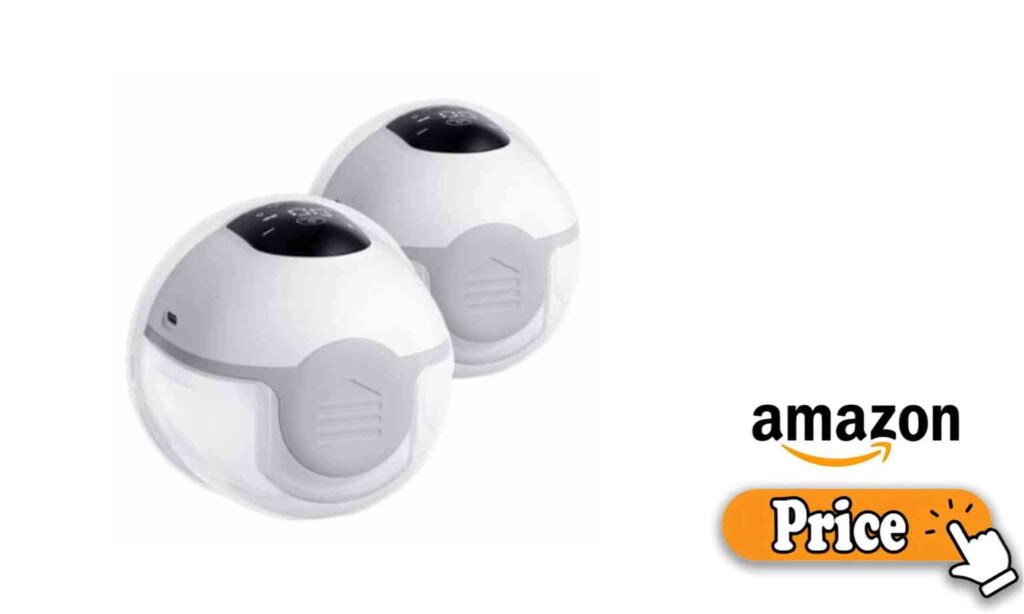
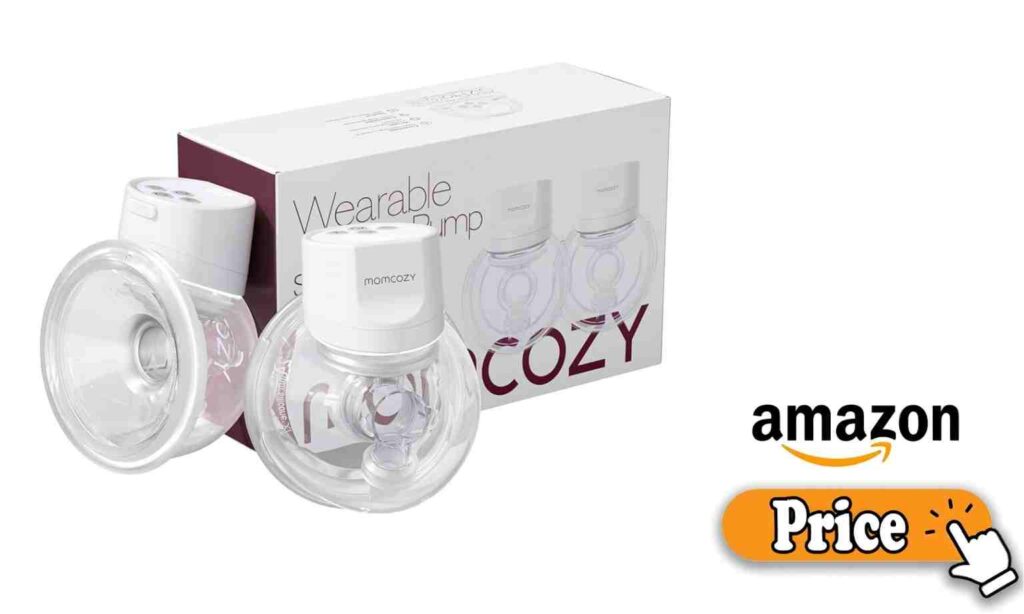
The Momcozy M1 feels slightly more compact for smaller chests, while the Momcozy S12 packs a punch with its intuitive display and robust battery. I know the sheer anxiety of choosing the wrong pump, especially when trying to maintain an exclusive pumping schedule without losing your sanity. Ultimately, your choice depends on whether you value absolute discretion under clothing or need a powerhouse motor for heavy milk expression.
Side-by-Side Specs Comparison
Here is a quick breakdown of how these two popular wearable pumps stack up against each other on paper. The numbers highlight their core differences in daily usability.
| Feature | Momcozy M1 | Momcozy S12 |
| Suction Levels (mmHg) | Up to 300 mmHg | Up to 295 mmHg |
| Battery Life | ~90 minutes | ~240 minutes |
| System Type | Closed system | Closed system |
Both pumps are generally HSA/FSA eligible, making them accessible if you have a flexible spending account through your insurance. Always check with your specific provider regarding coverage details.
Unboxing and Assembly
Opening these boxes for the first time felt overwhelming, especially when my brain was already foggy from sleep deprivation. The Momcozy M1 comes neatly packaged, but assembling the intricate silicone parts at 2 AM took a bit of practice to get completely right. The S12 felt slightly more straightforward to snap together, though both require careful alignment to ensure proper suction.
I quickly learned that rushing the assembly process leads to frustrating error codes and weak suction during critical pumping windows. The plastic cups on both models feel durable enough to withstand daily use, even when accidentally dropped onto the nursery floor. Just make sure the silicone diaphragms are perfectly seated before you start.
Pumping Performance and Milk Expression
When it comes to let-down stimulation, both pumps do a surprisingly good job mimicking a baby’s natural nursing rhythm. I noticed the S12 felt slightly smoother during the initial transition phases, helping me achieve a faster let-down on most chaotic mornings. The M1 still performed admirably, but it occasionally required manual adjustment to find the perfect sweet spot for optimal milk expression.
Managing an oversupply or low supply requires reliable consistency, and the S12 really shined during my longer weekend sessions. There was one instance with the M1 where the wearable shifted slightly while bending over to pick up a toy, interrupting the flow. Overall, both empty the breasts effectively if you take the time to center your nipples perfectly before turning them on.
Here is a quick look at how their pumping modes compare for milk extraction. Getting the settings right is crucial for maintaining your milk supply.
| Pumping Feature | Momcozy M1 | Momcozy S12 |
| Pumping Modes | 3 Modes | 3 Modes |
| Intensity Levels | 9 Levels | 9 Levels |
| Let-down Focus | Gentle transition | Strong stimulation |
Finding your ideal rhythm takes time, so do not be afraid to experiment with different combinations during your first few weeks. Both pumps remember your previous settings, which is a massive relief when you are half-asleep.
Suction Performance and Comfort
Experiencing painful suction is a nightmare, but thankfully, both of these pumps allow for highly customized intensity adjustments. Proper flange sizing is absolutely critical here; if you use the wrong size, even the lowest setting will cause severe nipple pain. I found the silicone inserts on both models incredibly soft, but the M1 flange kept slipping during longer sessions when I was heavily engorged.
The S12 offers a slightly more natural pulling sensation that rarely felt overly aggressive, even on the highest suction levels. Some users report that pushing wearable pumps to their maximum settings can cause discomfort, so always start low and gradually increase. Finding the right balance between comfort and emptying the breast completely is essential for avoiding dreaded clogged ducts.
This table highlights the comfort features designed to protect your sensitive skin. Remember to measure your nipples carefully before ordering any inserts.
| Comfort Feature | Momcozy M1 | Momcozy S12 |
| Flange Material | Soft Silicone | Soft Silicone |
| Included Sizes | 24mm (Standard) | 24mm (Standard) |
| Max Suction | Strong & punchy | Smooth & deep |
Using a little bit of coconut oil or pumping spray on the inside of the flanges makes a huge difference. Lubrication prevents painful friction during those extra-long marathon pumping sessions.
Milk Collection System
Pouring milk from a wearable pump into a bottle is always a nerve-wracking experience, especially when you are completely exhausted. I accidentally spilled precious milk while pouring it into storage bags from the M1 because the spout angle is slightly awkward. The S12 features a much better pouring groove, giving you far more control when transferring your hard-earned liquid gold.
Capacity is another huge factor; both hold enough for an average session, but heavy producers might find them slightly lacking. The cups sit securely inside your bra, but you must remain relatively upright to prevent disastrous leaks from the top vents. Bending completely over to tie your shoes will almost certainly result in milk spilling down your stomach with either pump.
Here is how the collection cups compare when it comes to storing your milk. Knowing your average output helps determine if these capacities work for you.
| Collection Spec | Momcozy M1 | Momcozy S12 |
| Cup Capacity | 150ml (5oz) | 180ml (6oz) |
| Pouring Spout | Small opening | Wide groove |
| Leak Resistance | Good if upright | Good if upright |
Always double-check that the cups are firmly clicked into the motor before sliding them into your nursing bra. A loose connection will instantly compromise the vacuum seal and ruin your session.
Cleaning, Sterilization, and Hygiene
Washing pump parts multiple times a day is easily the worst part of any exclusively pumping journey. Both models have several small components, and I once spent ten minutes crying after the tiny duckbill valves slipping down the drain during midnight washing. Because they use a closed system, you thankfully never have to worry about milk backing up into the sensitive electronic motor.
Drying time is surprisingly long for the silicone components, so having spare parts on hand is an absolute lifesaver. While some parts are technically dishwasher safe on the top rack, hand washing with warm soapy water extends their lifespan significantly. Reassembling them is straightforward, but trying to fit wet silicone parts together is incredibly frustrating and often leads to broken suction seals.
Let’s compare the daily maintenance required to keep these pumps sanitary and safe. Proper hygiene is non-negotiable when handling breast milk for your baby.
| Hygiene Feature | Momcozy M1 | Momcozy S12 |
| Number of Parts | 5 parts per cup | 4 parts per cup |
| Dishwasher Safe | Top rack only | Top rack only |
| System Design | Closed system | Closed system |
I highly recommend buying a dedicated washbasin for your pump parts to avoid cross-contamination in the kitchen sink. Using a specialized pump soap also helps remove stubborn milk fat residue effortlessly.
Noise Level and Discretion
Wearable pumps are heavily marketed as discreet, but neither of these models is entirely invisible under a tight t-shirt. The M1 has a slightly lower profile, making it a bit easier to conceal under a bulky sweater or loose hoodie. The S12 is definitely noticeable on the chest, giving you a slightly unnatural, boxy silhouette if you wear fitted clothing.
As for noise, they both emit a rhythmic mechanical hum that is definitely audible in a quiet room or office setting. I tried pumping on a Zoom meeting, and while the microphone did not pick it up, my coworkers could tell something was happening. Furthermore, the S12’s bright display woke the baby during overnight pumping, forcing me to cover the screen with my hand.
Here is a quick look at how discreet these pumps actually are in real-world environments. Do not expect total silence from any motorized wearable pump.
| Discretion Factor | Momcozy M1 | Momcozy S12 |
| Noise Profile | Rhythmic hum | Deep vibration |
| Under-Shirt Look | Noticeable | Bulky |
| Light Emission | Minimal LEDs | Bright LED screen |
If you plan to pump in public, wearing patterned or dark-colored shirts helps camouflage the shape of the cups. A noisy pump is still vastly superior to being stuck attached to a wall outlet.
Battery Life and Charging
Battery anxiety is a very real struggle when you rely entirely on a wearable breast pump to feed your baby. I once forgot to recharge it before the first morning pump, resulting in a frantic scramble to find a backup manual hand pump. The S12 completely dominates this category, offering a massive battery that easily lasts through four to five pumping sessions on a single charge.
The M1 requires charging much more frequently, which can be highly stressful if you are running errands or traveling. Both pumps thankfully utilize standard USB-C charging cables, allowing you to charge them easily in the car or with a portable power bank. Over several months of heavy use, you will likely notice a slight degradation in battery life with both models, which is completely normal.
Here is a breakdown of their battery specifications for on-the-go parents. Always keep a charging cable tucked into your diaper bag just in case.
| Battery Spec | Momcozy M1 | Momcozy S12 |
| Charging Port | USB-C | USB-C |
| Sessions per Charge | 2 to 3 sessions | 4 to 5 sessions |
| Auto Shut-off | 30 minutes | 30 minutes |
Plugging your pumps in immediately after your last evening session is the best habit you can build. Waking up to dead pump motors at 3 AM is an experience you definitely want to avoid.
The Wearable Experience
Finding the perfect pumping bra is the secret to making any wearable breast pump function correctly without causing immense frustration. Both the M1 and S12 require a stretchy, full-coverage nursing bra that can handle the extra weight without sagging downward. The weight on your chest is definitely noticeable, but it feels manageable once you adjust the bra straps for proper compression.
I loved the freedom of walking around the house and doing light chores, but you must remain mindful of your posture. You cannot bend completely over to pick up laundry, or the milk will instantly backflow through the air vents at the top. Reaching the touch buttons through a shirt is relatively easy on both models, allowing for quick suction adjustments on the fly.
Real-Life Daily Scenarios
Middle-of-the-night pumping sessions require equipment that is easy to navigate when you can barely keep your eyes open. The S12 features a very clear digital screen that makes checking your pumping time easy, though it can be a bit too bright. The M1 relies on simple indicator lights, which are less intrusive in the dark but harder to read without turning on a lamp.
Traveling with either pump is incredibly convenient compared to lugging around a heavy, traditional hospital-grade machine and all its dangling tubing. I successfully pumped in the passenger seat of a car with both models, feeling completely liberated by the hands-free design. Just remember to pack extra collection bags and a cooler, as dealing with milk storage in a vehicle can get messy quickly.
Insurance, Price, and Value
Affording a wearable breast pump out of pocket can be incredibly stressful for new parents already facing mounting baby expenses. Both models are generally budget-friendly compared to premium brands, offering excellent value for the level of freedom they provide. You can frequently purchase replacement parts directly from the manufacturer, which is crucial since valves and diaphragms need regular swapping.
Many insurance plans will partially cover the cost of these pumps, or you can use FSA/HSA funds to purchase them directly. Upgrading to a wearable often involves an out-of-pocket fee through medical suppliers, but the mental health benefits of hands-free pumping are priceless. Always factor in the recurring cost of replacing duckbill valves every few weeks when calculating your long-term pumping budget.
Long-Term Ownership
Committing to a breast pump means you need a device that can survive hundreds of hours of continuous, vibrating motor use. The motor durability on the S12 seems robust enough to handle the rigorous demands of exclusive pumping for several months. The M1 also holds up well, but the silicone flanges tend to show milk residue staining if not scrubbed diligently every day.
You must accept that wearable pump motors generally have a shorter overall lifespan than traditional wall-plugged units due to their compact size. Replacing the soft silicone membranes and valves every month is absolutely mandatory to maintain strong suction over the long haul. Neglecting this simple maintenance step is the number one reason parents mistakenly believe their expensive pump motor has suddenly died.
Who Should Buy Which?
Choosing between these two ultimately comes down to your personal milk storage capacity needs and how often you plan to pump. Both offer incredible convenience, but they serve slightly different lifestyles.
Buy Momcozy S12 if:
- You exclusively pump: The longer battery life and larger cup capacity are essential for frequent, heavy use.
- You need strong suction: The robust motor provides deep, consistent pulls for better breast emptying.
- You prefer visual feedback: The digital screen makes tracking session times incredibly easy in the dark.
Buy Momcozy M1 if:
- You pump occasionally: It is perfectly suited for a daily backup pump when you are away from your baby.
- You want a slimmer profile: The slightly more compact design hides slightly better under thick layers of clothing.
- You are on a strict budget: It often goes on sale, making it a highly accessible entry into wearable pumping.
Consider Neither If:
- You need absolute silence: Both pumps vibrate noticeably and will be heard in a very quiet office environment.
- You have an extremely low supply: A hospital-grade wall pump is vastly superior for establishing milk volume initially.
Final Verdict: Momcozy M1 vs S12
The Momcozy S12 easily wins this comparison for its superior battery life, easy-to-pour spout, and reliable, consistent suction power. While the M1 is a solid, budget-friendly entry into hands-free pumping, it simply cannot match the daily convenience of the S12. If you are serious about maintaining your sanity while pumping on the go, the S12 is the better long-term investment.