
Medela Pump in Style vs Spectra S2 Plus: Which Is Best?
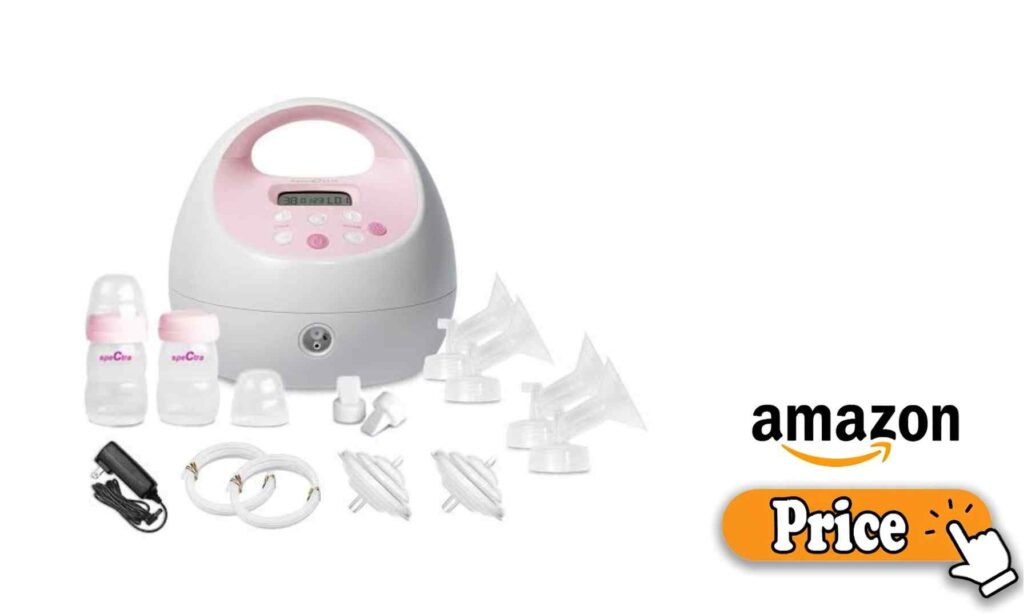
Choosing between the medela pump in style max flow vs spectra s1 plus is a huge decision when you are facing long nights and chaotic mornings. Both are portable double electric breast pumps designed for frequent use, but they fit very different daily routines.
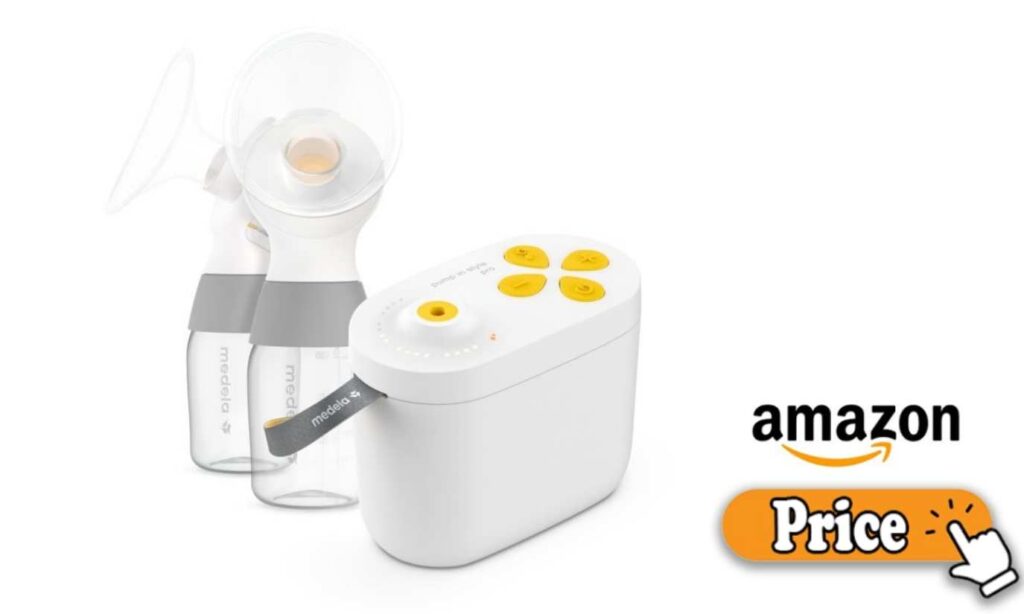
The Medela is a compact option for those who want a simple setup, while the Spectra offers true rechargeable freedom. Over the next sections, we will explore exactly how each pump handles real-world challenges, helping you pick the right one for your body.
Side-by-Side Specs Comparison
Here is a quick look at the core specifications that matter most when you are relying on a breast pump every single day.
| Feature | Medela MaxFlow | Spectra S1 Plus |
| Suction Levels | Up to 295 mmHg | Up to 270 mmHg |
| Weight | 1.18 lbs | 3 lbs |
| Battery Life | 8 AA batteries (not included) | Built-in rechargeable (3 hours) |
| System Type | Closed system | Closed system |
| Insurance Eligible | Yes | Yes (often with upgrade fee) |
Knowing these numbers is helpful, but the actual experience of using them while sleep-deprived is what truly counts.
Unboxing and Assembly
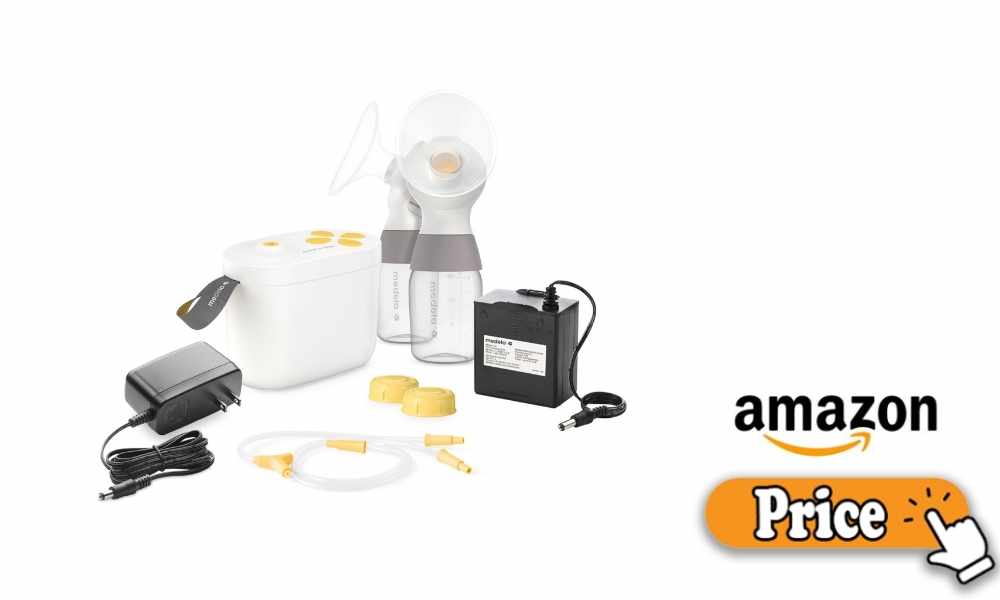
Opening these boxes for the first time can feel overwhelming, especially if you are unboxing them at 2 AM with a crying newborn. The Medela packaging is straightforward, and snapping the few plastic connectors together takes almost no brainpower.
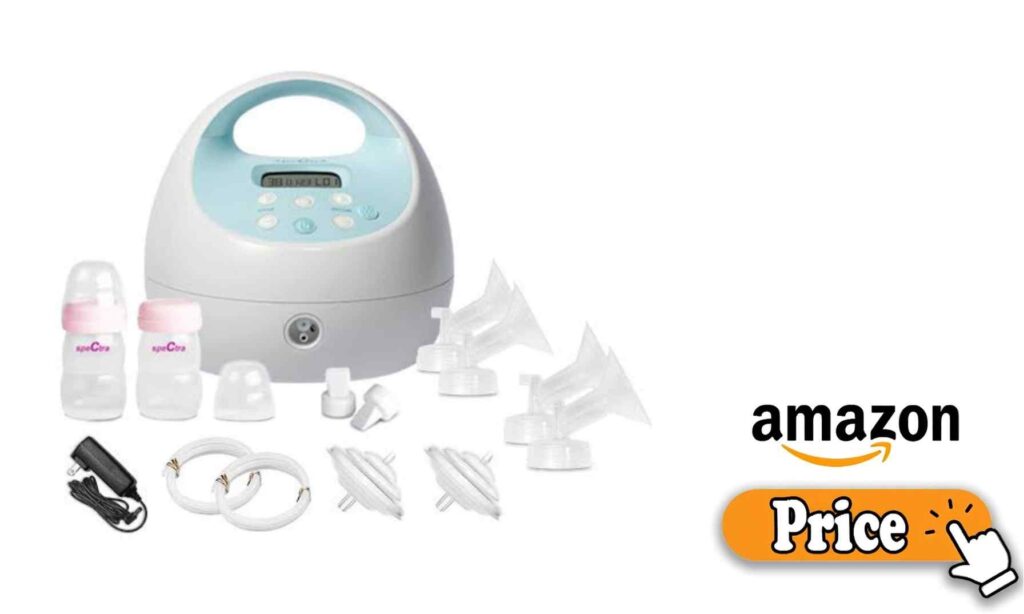
The Spectra S1 Plus looks a bit like a friendly alien robot with its bulky round shape and handle. Its parts require a little more attention during assembly, but the quality of the plastic feels incredibly durable and well-made.
Here is a breakdown of the included parts you will be handling daily.
| Included Part | Medela MaxFlow | Spectra S1 Plus |
| Flanges | 24mm (PersonalFit Plus) | 24mm & 28mm included |
| Bottles | Two 5oz bottles with lids | Two 5oz wide-neck bottles |
| Connectors | Integrated with membranes | Separate backflow protectors |
Both pumps include everything you need to start, though you might eventually need different flange sizing depending on your body.
Pumping Performance and Milk Expression
When it comes to let-down stimulation, the Spectra allows you to manually adjust the cycle speed, giving you precise control over your milk expression. This is a game-changer if you struggle with low supply and need to mimic your baby’s unique nursing rhythm.
The Medela uses pre-set micro-vibrations that automatically transition between massage and expression phases. Some parents love this hands-off approach, but others find it frustrating when they cannot manually tweak the settings during a long exclusive pumping session.
Let’s look at how their expression features compare directly.
| Performance Feature | Medela MaxFlow | Spectra S1 Plus |
| Let-Down Control | Automatic pre-sets | Fully manual adjustment |
| Cycle Speeds | Fixed by program | 38 to 54 RPM |
| Emptying Efficiency | Good for average supply | Excellent for exclusive pumping |
Both pumps are capable of emptying your breasts completely, but the Spectra gives you the tools to optimize the process if your flow is stubborn.
Suction Performance and Comfort
If higher settings become painful, pumping quickly becomes a nightmare. The Medela offers strong suction levels (mmHg) up to 295, but because the speed is tied to the vacuum strength, you cannot get strong suction without it pulling faster.
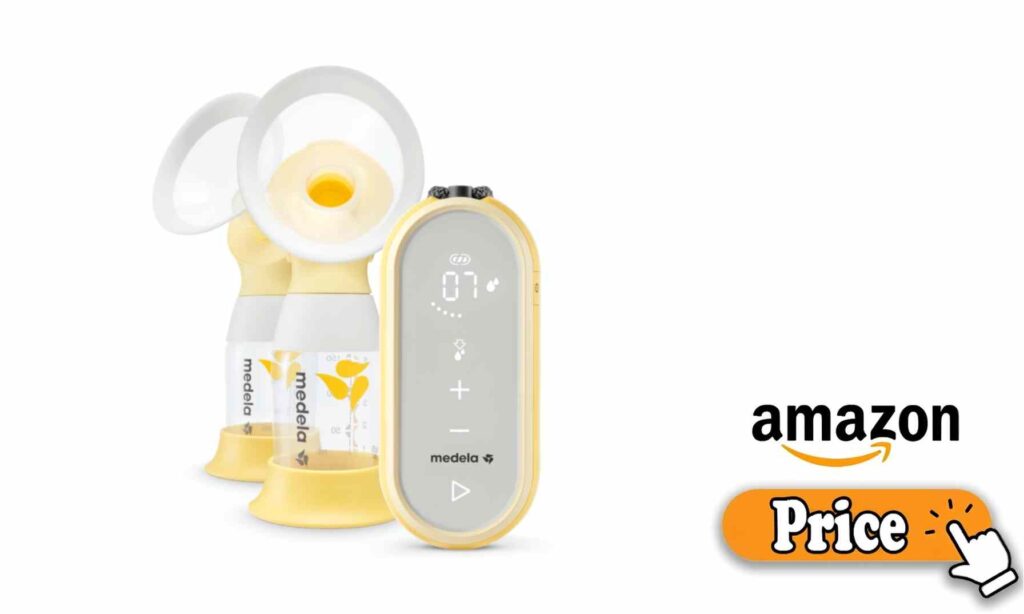
The Spectra separates speed from suction, allowing you to use a slow, deep pull that is incredibly gentle on sensitive tissue. It prevents the nipple pain that often comes from aggressive, rapid tugging during an oversupply or heavy let-down.
This table highlights the differences in suction customization.
| Suction Feature | Medela MaxFlow | Spectra S1 Plus |
| Customization | 10 simple vacuum levels | Independent speed & vacuum |
| Max Strength | 295 mmHg | 270 mmHg |
| Comfort | Can feel slightly aggressive | Smooth and gentle pull |
I actually found that one flange kept slipping during longer sessions with the Medela, whereas the Spectra held a secure, comfortable seal.
Milk Collection System
Pouring milk into storage bags while exhausted is risky, and I have accidentally spilled precious milk while using narrow bottles. The Spectra uses wide-neck bottles that make transferring milk much safer and less likely to tip over on the counter.
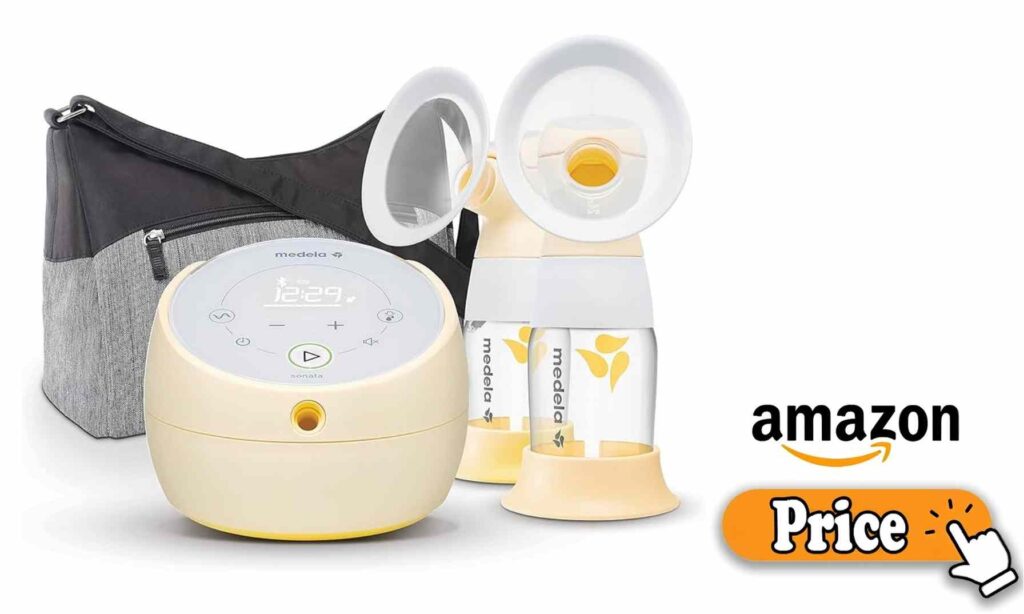
The Medela bottles are standard narrow-neck, which are easy to hold but require a steady hand when pouring. Both systems have clear measurement markings, but the Spectra bottles feel slightly more substantial and leak-resistant during transport.
Here is a quick comparison of their collection containers.
| Collection Feature | Medela MaxFlow | Spectra S1 Plus |
| Bottle Type | Narrow-neck | Wide-neck |
| Spillage Risk | Moderate | Low |
| Measurement | Standard printed lines | Clear printed lines |
Whichever you choose, always double-check that the lids are perfectly threaded to prevent leaks in your cooler bag.
Cleaning, Sterilization, and Hygiene
Washing pump parts at midnight is the absolute worst chore. The Medela has fewer parts overall because the membrane is integrated into the connector, making reassembly significantly faster when you are half asleep.
The Spectra has more individual pieces, including those tiny duckbill valves slipping down the drain if you aren’t careful. Both are closed system pumps, meaning milk never enters the tubing, which makes keeping the motor safe and hygienic much easier.
Let’s break down the cleaning process for both pumps.
| Cleaning Aspect | Medela MaxFlow | Spectra S1 Plus |
| Part Count | 3 main pieces per side | 4 main pieces per side |
| Small Valves | Integrated | Separate duckbill valves |
| System Type | Closed system | Closed system |
While the Medela is slightly faster to wash, replacing the Spectra’s standard duckbills is often cheaper than buying Medela’s specialized proprietary connectors.
Noise Level and Discretion
Pumping beside a sleeping baby or during a Zoom meeting requires a discreet motor. The Spectra is famous for its quiet, smooth hum that easily blends into background noise without drawing unwanted attention.
The Medela MaxFlow has a very distinct, buzzy vibration sound that is noticeably louder. While it won’t necessarily wake up the whole house, it is definitely not the pump you want running unmuted during an important office conference call.
Battery Life and Charging
Battery anxiety is a real struggle for exclusively pumping parents. The Spectra S1 Plus features a phenomenal built-in rechargeable battery that lasts up to three hours, making it incredibly convenient for carrying around the house and pumping while doing chores.
The Medela requires a separate battery pack that runs on eight AA batteries, which drain surprisingly fast. If you forgot to recharge it or buy fresh batteries before the first morning pump, you will be permanently tethered to a wall outlet.
Here is a summary of what to expect from their power systems.
| Power Feature | Medela MaxFlow | Spectra S1 Plus |
| Battery Type | 8 AAs (external pack) | Built-in rechargeable |
| Pumping Time | Varies by battery quality | Up to 3 hours per charge |
| Portability | Requires carrying pack | True grab-and-go handle |
The Spectra’s built-in battery is a massive advantage, completely eliminating the stress of hunting for a power outlet in a public restroom or car.
Real-Life Daily Scenarios
Middle-of-the-night pumping sessions reveal the true character of a breast pump. The Spectra features an amazing built-in nightlight and a clear screen, though I once accidentally set the bright display woke the baby when I bumped the button in the dark.
The Medela lacks a screen and a light entirely, meaning you will need your phone flashlight just to see how much milk you are producing. However, the Medela’s compact size fits easily into a standard tote bag, while the bulky Spectra requires a dedicated, larger carrying bag.
Insurance, Price, and Value
Navigating insurance for breast pumps can be confusing, but both of these models are widely available through most providers. The Medela MaxFlow is often fully covered as a standard option without any out-of-pocket expenses.
The Spectra S1 Plus typically requires an upgrade fee ranging from fifty to a hundred dollars, depending on your specific plan. Despite the extra upfront cost, the savings on AA batteries and the superior built-in battery make the Spectra an incredible long-term value.
Long-Term Ownership
Motor lifespan is a critical factor if you plan on pumping for a year or more. The Spectra is renowned for its durability, consistently maintaining strong suction even after hundreds of hours of exclusive pumping.
The Medela MaxFlow is also reliable, but its proprietary parts can be slightly more expensive to replace over time. You will need to routinely replace the duckbill valves and membranes on both pumps every few months to ensure they continue emptying your breasts efficiently.
Who Should Buy Which?
Buy Spectra S1 Plus if:
- You exclusively pump and need a durable, hospital-strength motor.
- You experience battery anxiety and want true rechargeable freedom.
- You require precise, manual control over suction and cycle speeds.
- You appreciate a nightlight and screen for midnight sessions.
Buy Medela MaxFlow if:
- You prefer a compact pump that fits easily into a standard tote.
- You want a simple, automated pumping experience with fewer buttons.
- You want to avoid paying an insurance upgrade fee.
- You prefer washing fewer parts at the end of a long day.
Consider Neither If:
- You need a completely hands-free, in-bra wearable pump for working on your feet.
- You only plan to pump very occasionally and would prefer a manual hand pump.
- You require a true hospital-grade rental for initiating a very low milk supply.
Final Verdict: Medela Pump in Style vs Spectra S2 Plus
Both pumps offer solid closed systems and reliable milk output, but they serve different lifestyles. If you need a straightforward, budget-friendly pump that does the thinking for you, the Medela MaxFlow is a highly capable and compact choice.
However, the Spectra S1 Plus is the clear overall winner for daily, intensive use. Its built-in rechargeable battery, gentle suction customization, and quiet motor make the grueling routine of pumping significantly more manageable and comfortable for tired parents.