
Medela Freestyle Flex vs Hands Free: The Ultimate Choice
When comparing the medela freestyle flex vs hands free setups, you are essentially looking at the exact same motor with two very different milk collection systems. It all comes down to how much you value hiding your pump in your bra versus sticking to traditional dangling bottles.
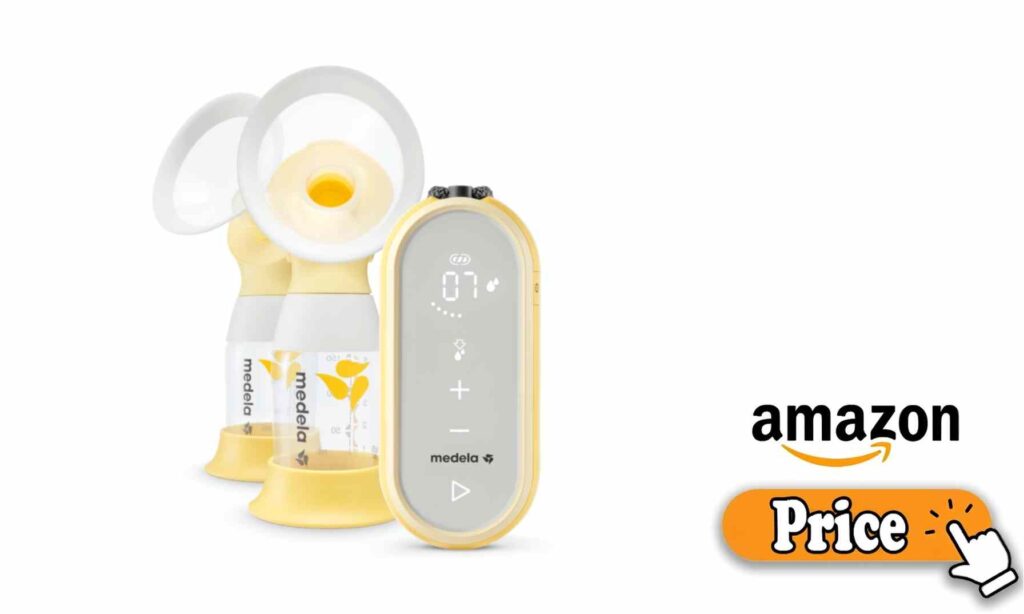
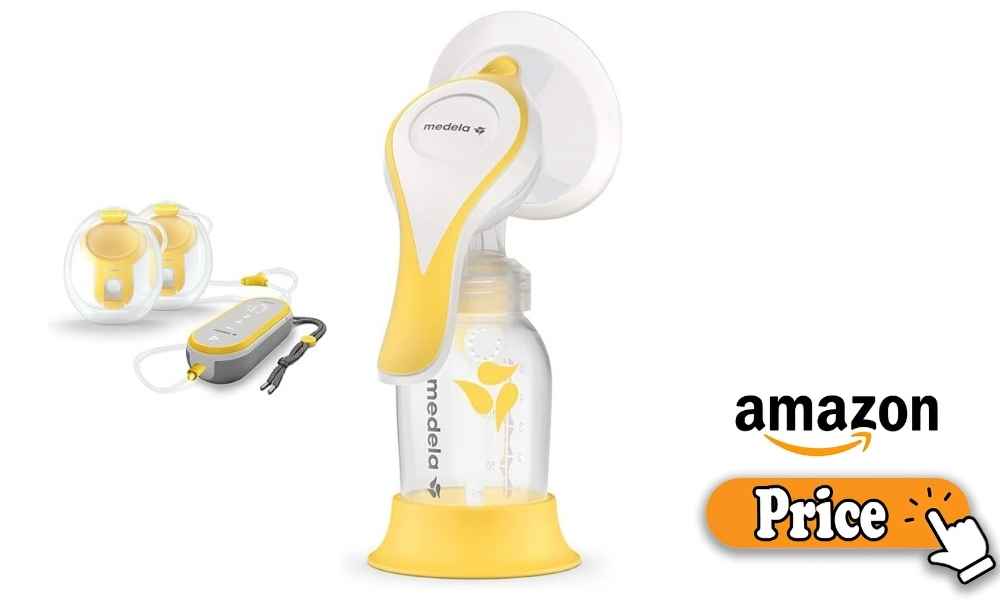
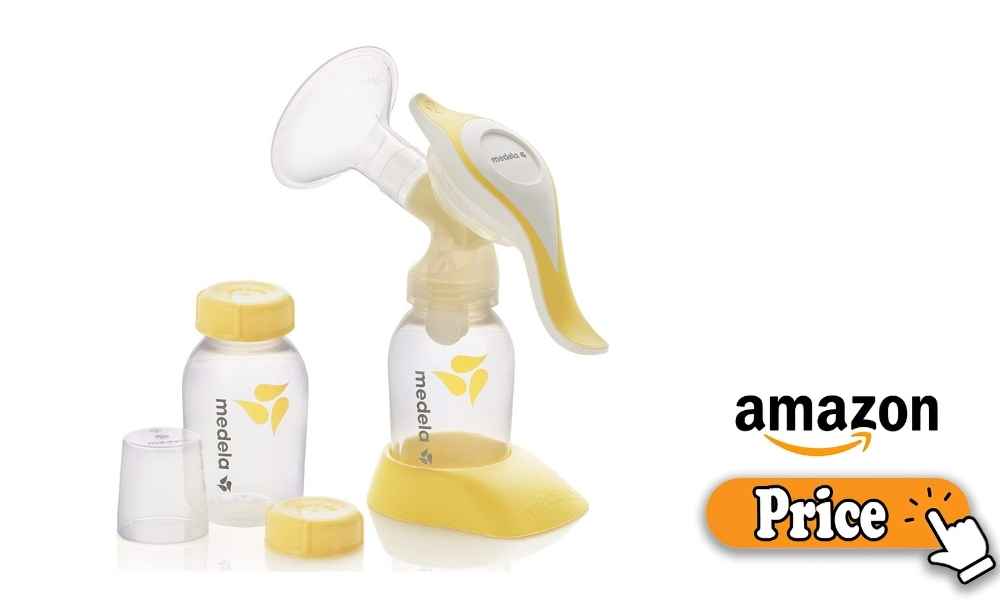
The Flex uses standard bottles and flanges, which is ideal if you exclusively pump and want maximum reliability during long sessions. The Hands-Free version swaps those out for discreet cups, saving your sanity if you need to hold your baby while pumping.
Side-by-Side Specs Comparison
Getting into the hard numbers helps clarify what you are actually paying for with these two options. Here is a quick look at how the basic features stack up for daily use.
| Feature | Freestyle Flex | Hands-Free |
| Retail Price | Around $250 | Around $350 |
| Suction levels (mmHg) | Up to 245 mmHg | Up to 245 mmHg |
| System Type | Closed system | Closed system |
Looking at these specs, it is clear that the underlying technology powering both of these options is identical. The price difference entirely reflects the upgraded, bra-friendly collection cups that come with the newer model.
Unboxing and Assembly
Trying to piece together a new pump at 2 AM with a screaming baby is a unique kind of torture. The original Flex model has several classic plastic parts that snap together pretty intuitively if you have pumped before.
| Component | Flex Traditional | Hands-Free Cups |
| Flange sizing | 21mm & 24mm | 21mm & 24mm |
| Collection system | 5oz Bottles | 5oz Wearable Cups |
| Parts to wash | Connectors, bottles | Cups, membranes |
The newer model simplifies things significantly by having only three parts per cup to put together. However, aligning the clear plastic shell perfectly takes a few tries before you feel confident it will not leak.
Pumping Performance and Milk Expression
When it comes to actual milk expression, both versions rely on Medela’s proven 2-Phase Expression technology. The let-down stimulation mode is fast and light, effectively tricking your body into releasing milk just like a hungry baby would.
| Factor | Flex Setup | Hands-Free Cups |
| Let-down stimulation | Very effective | Very effective |
| Emptying ability | Great for oversupply | Consistent output |
| Best for | Exclusive pumping | Multi-tasking parents |
I found the traditional flanges slightly better at emptying breasts completely when dealing with an oversupply/low supply fluctuation. The cups work well, but sometimes I had to massage a bit more to get every last drop out.
Suction Performance and Comfort
Both models max out at the same suction levels (mmHg), delivering up to 245 mmHg on the highest setting. While neither is hospital-grade, they pack a decent punch that is strong enough for most daily pumping needs.
| Comfort Feature | Flex Model | Hands-Free Model |
| Nipple pain risk | Low with right flange | Low with proper fit |
| Silicone inserts | Not included | Not included |
| Max Suction | 245 mmHg | 245 mmHg |
If you turn the vacuum up too high too fast, you will definitely feel some nipple pain, so always start low. One flange kept slipping during longer sessions with the Flex, which was frustrating when my hands were full.
Milk Collection System
The classic model feeds milk straight into 5oz bottles, making it easy to track your exact output. The hands-free cups hold the same amount, but the shape makes them a little trickier to handle once they are full.
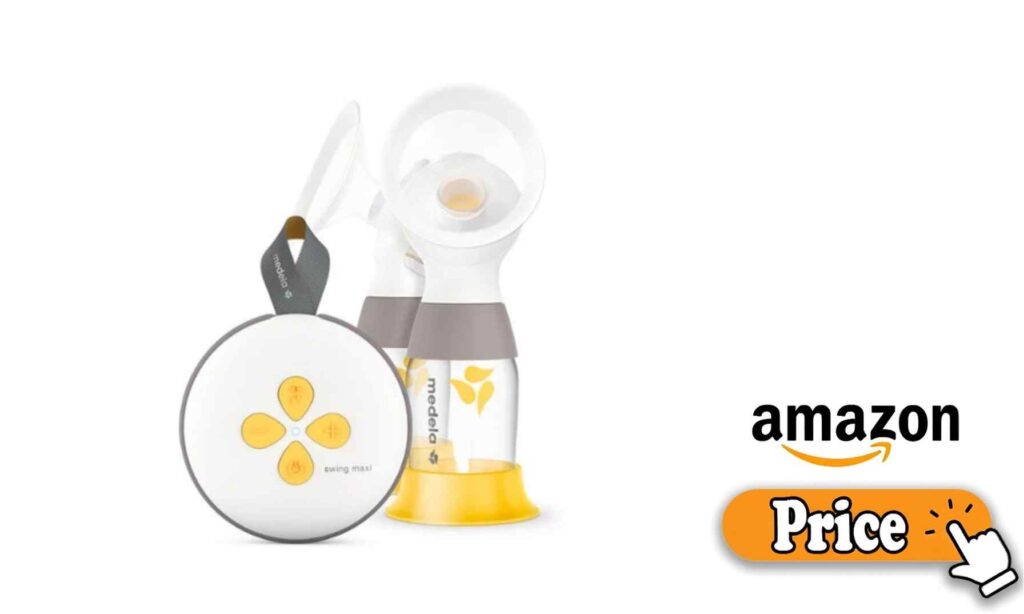
| Collection Feature | Flex Bottles | Hands-Free Cups |
| Capacity per side | 5 ounces | 5 ounces |
| Measurement marks | Very clear | Somewhat frosted |
| Transferring milk | Easy to pour | Requires careful aim |
I actually accidentally spilled precious milk while pouring it into storage bags from the collection cups. The pouring hole on the top requires a very steady hand, whereas standard bottles can just be capped and tossed in the fridge.
Cleaning, Sterilization, and Hygiene
Washing pump parts multiple times a day is the absolute worst chore of postpartum life. The Flex has classic connectors that require a tiny brush to clean the small crevices properly without leaving milky residue behind.
| Cleaning Task | Flex Parts | Hands-Free Cups |
| Duckbill valves | Uses flat membranes | Uses yellow membranes |
| Dishwasher safe | Yes (top rack) | Yes (top rack) |
| Drying time | Fast drying | Requires thorough dry |
The newer cups are easier to wash because they only have three large parts per side. Just be careful, as I have definitely had tiny duckbill valves slipping down the drain during midnight washing sessions.
Noise Level and Discretion
Since the motor unit is the same for both, they produce an identical low-pitched vibrating hum. It is not the quietest motor on the market, but the vibration is steady rather than the sharp clicking sound some other brands make.
If you are on a Zoom call, the motor is definitely noticeable if it is sitting right on your desk. Wearing the cups in your bra mutes the sound of the milk splashing, making it slightly more discreet around other people.
Battery Life and Charging
Both options feature a built-in rechargeable battery that easily lasts for about two hours of active pumping time. That usually gets me through three or four full sessions before I have to hunt down the USB-C charging cord.
| Battery Spec | Flex Model | Hands-Free Model |
| Battery Life | Approx. 2 hours | Approx. 2 hours |
| Charging Port | Modern USB-C | Modern USB-C |
| Charge while using | Yes, fully supported | Yes, fully supported |
I have definitely forgot to recharge it before the first morning pump, causing a moment of pure panic. Thankfully, Medela allows you to plug the motor in and continue pumping while it charges, which is a massive lifesaver.
The Wearable Experience
The hands-free version changes the game by letting you tuck everything neatly into your standard nursing bra. The cups weigh only 76 grams each, meaning they will not drag your chest down or stretch out your favorite bras.
| Wearability | Flex Traditional | Hands-Free Cups |
| Bra fit required | Pumping bra | Nursing bra |
| Weight on chest | Heavy with bottles | Very lightweight (76g) |
| Leaking risk | Low if upright | Can leak if bent |
While they are mostly secure, the wearable shifted slightly while bending over to pick up a toy from the floor. You cannot bend completely forward with the cups in, or milk will absolutely leak out of the top pouring spout.
Real-Life Daily Scenarios
Living with a pump means finding a way to make it work during chaotic moments and sleep-deprived nights. The motor has a very bright, illuminated screen, which is great for seeing your settings in the dark.
However, that incredibly bright display woke the baby during overnight pumping when I leaned over the bassinet. The motor also comes with a lanyard, but dangling it from your wrist while doing dishes gets annoying really fast.
Insurance, Price, and Value
Many health insurance plans will fully cover the standard Flex model because it uses traditional collection bottles. If you want the wearable cups, you usually have to pay a significant upgrade fee out of your own pocket.
The good news is that replacement parts are widely available for the classic system at most big box stores. The special membranes for the wearable cups are a bit harder to find locally, so you should order backups online early.
Long-Term Ownership
Over several months of heavy use, the little yellow motor holds up incredibly well without losing suction power. The plastic parts on both systems will eventually start to look cloudy from repeated boiling and dishwasher cycles.
If you plan on using this for multiple babies, the closed system ensures no mold grows inside the tubing. You will just need to replace the silicone membranes every few months to maintain the best possible vacuum strength.
Who Should Buy Which?
Making the final call really depends on how you spend your days and how often you need to pump. Neither option is a bad choice, but one will definitely fit your personal routine much better.
Buy the Freestyle Flex if:
- You exclusively pump: Traditional flanges often yield slightly better output for long-term supply maintenance.
- You are on a budget: It is usually fully covered by insurance without any extra out-of-pocket costs.
- You hate pouring milk: Pumping directly into bottles makes transferring to the fridge much safer.
Buy the Hands-Free if:
- You multitask constantly: The cups let you hold your baby, cook, or type without bumping into bottles.
- You want discretion: The smooth cups hide decently well under a loose shirt for office use.
- You hate washing parts: With only three pieces per side, daily cleaning feels much less overwhelming.
Consider Neither If:
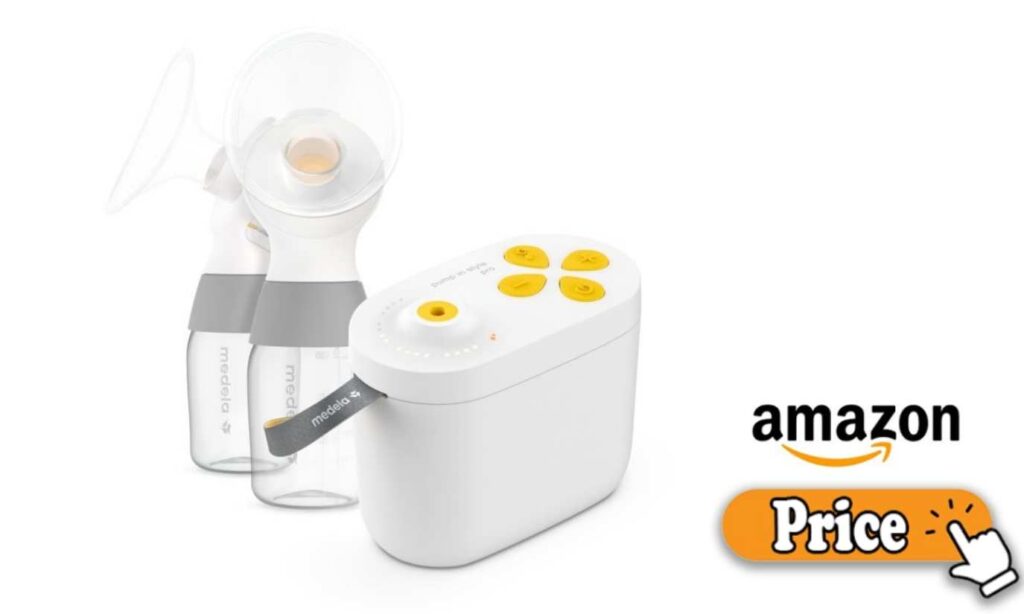
- You need maximum power: You might want a true wall-plug hospital-grade pump for serious supply building.
- You want zero cords: The motor still requires tubing, unlike fully wireless models like Elvie or Momcozy.
- You only pump occasionally: A cheap manual pump is much easier for catching let-downs on the opposite breast.
Final Verdict: Medela Freestyle Flex vs Hands Free
If you have the extra budget, the hands-free model is the clear winner for saving your sanity during the day. The convenience of simply tucking the cups into your bra cannot be overstated for busy, tired parents.
When making your final choice on the medela freestyle flex vs hands free, getting that milk out efficiently is what matters. Whichever you choose, consistency and comfort will be the most important factors for your feeding journey.