
Willow Pump vs Medela Freestyle: A Real Mom’s Review
Deciding between the willow pump vs medela freestyle can feel overwhelming when you are surviving on three hours of sleep. I spent weeks testing both of these popular models during chaotic mornings, long work commutes, and those lonely middle-of-the-night sessions. You need a pump that actually catches your milk without adding more stress to your already heavy postpartum mental load.
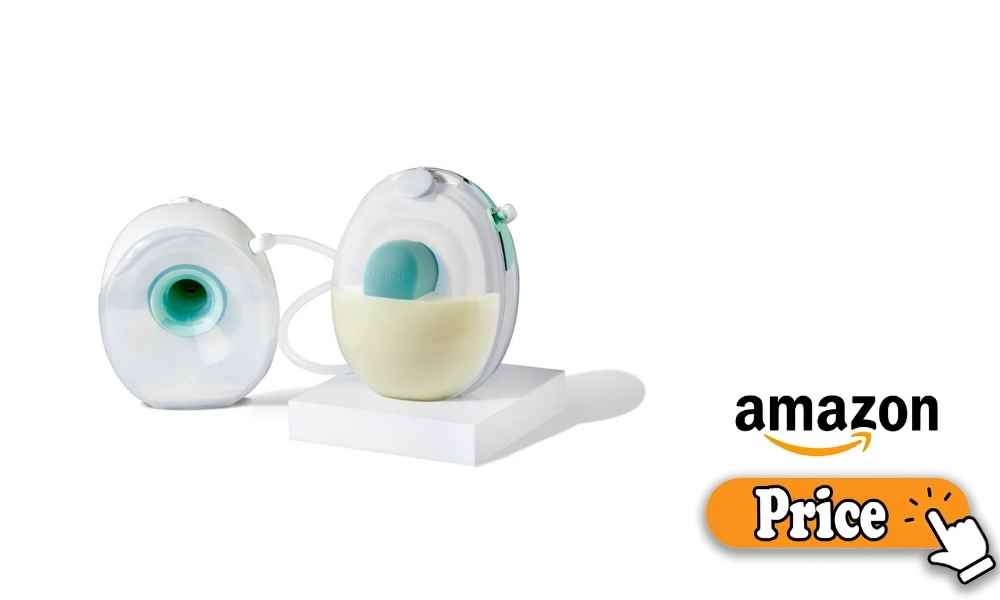
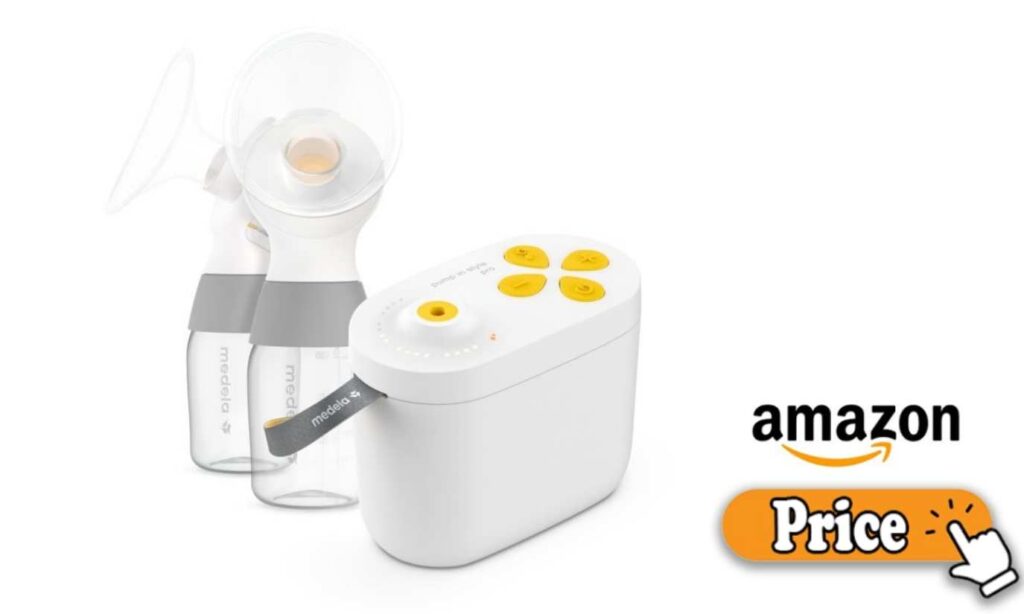
The Willow is a true, fully contained wearable pump made for mothers who need ultimate mobility without any wires dangling around. The Medela Freestyle Hands-Free is a hybrid option, offering ultra-lightweight wearable cups connected by tubing to a small portable motor hub. Both are designed to keep your hands free, but they fit into a busy mother’s lifestyle in very different ways.
Side-by-Side Specs Comparison
Looking at the raw numbers helps you understand exactly what each machine offers before you invest your hard-earned money. Here is a quick breakdown of how these two premium models stack up against each other on paper.
| Feature | Willow Pump | Medela Freestyle |
| Price | Around $349 | Around $349 |
| Suction (mmHg) | Up to 280 mmHg | Up to 245 mmHg |
| System Type | Closed system | Closed system |
While both options sit in a similar price bracket, the technology powering them serves different daily routines. The numbers only tell part of the story, as real-world comfort and reliability matter much more.
Unboxing and Assembly
Opening these boxes for the first time was exciting, but figuring out the parts at 2 AM was another story entirely. The Willow feels like unboxing a premium smartphone, though the thick plastic parts felt a bit bulky in my hands initially. Medela’s packaging is straightforward, and the surprisingly lightweight cups made me instantly eager to try them out.
Setting up the Medela for the first time took just a minute because the cups only have three main pieces. The Willow has a steeper learning curve, and I had to re-read the manual twice to ensure everything was aligned perfectly. Both systems require a bit of practice to snap together quickly while holding a crying baby in one arm.
| Component Fact | Willow Pump | Medela Freestyle |
| Parts Per Cup | 5 pieces | 3 pieces |
| Setup Difficulty | Moderate | Very Easy |
| Motor Location | Inside the pump | Separate hub |
Learning to assemble your pump blindly in the dark is a rite of passage for any pumping parent. Keep in mind that having fewer parts usually saves precious minutes of sleep during those overnight pumping sessions.
Pumping Performance and Milk Expression
When it comes to milk expression, both machines do a solid job, but they stimulate your let-down differently. The Willow uses a strong, continuous tugging motion that works incredibly well for getting milk flowing quickly if you respond to firm pressure. I found it emptied my breasts completely, which is vital if you are dealing with a stressful low supply.
The Medela Freestyle relies on their classic two-phase technology to mimic a baby’s natural nursing rhythm beautifully. It triggers let-down stimulation gently, making it highly effective for mothers who pump exclusively and need steady, reliable output. I noticed my output was very consistent with the Medela over multiple sessions, without feeling aggressively tugged.
| Performance | Willow Pump | Medela Freestyle |
| Let-Down Tech | Firm tug-and-release | 2-Phase gentle rhythm |
| Milk Yield | Consistent | Highly consistent |
| Best For | Firm pressure needs | Exclusive pumping |
If you struggle with an oversupply, the Willow’s strong suction might empty you faster during short breaks. However, the Medela’s gentle rhythm feels much closer to a real baby, which helps immensely with natural milk flow.
Suction Performance and Comfort
Finding the right suction levels (mmHg) is a delicate balance between getting enough milk and avoiding awful nipple pain. The Willow reaches up to 280 mmHg, offering serious hospital-grade strength that some mothers absolutely swear by for quick sessions. However, I found the higher settings slightly painful, so I rarely pushed it past the middle suction levels.
The Medela Freestyle maxes out at 245 mmHg, which feels incredibly smooth and rarely causes discomfort even on higher settings. Proper flange sizing is critical for both; using the correct silicone inserts prevented my nipples from rubbing against the hard plastic. The Medela’s wide-angle breast shields contour to the breast much better, making longer sessions noticeably more comfortable.
| Suction Specs | Willow Pump | Medela Freestyle |
| Max Strength | 280 mmHg | 245 mmHg |
| Suction Feel | Strong and deep | Smooth and rhythmic |
| Flange Comfort | Rigid, needs inserts | Anatomical and gentle |
Always remember that pumping should not hurt, and using a little nipple butter before applying the flanges helps tremendously. I once had a Willow flange slip slightly during a long session, which caused some annoying friction until I readjusted it.
Milk Collection System
Pouring your liquid gold from a pump into a bottle is arguably the most nerve-wracking part of the entire process. The Willow uses reusable plastic containers that hold five ounces, but you have to pour very carefully to avoid spilling. I accidentally spilled precious milk while pouring it into storage bags once, and I actually cried right there in the kitchen.
The Medela cups have a wide pouring spout that makes transferring milk into bags or bottles significantly easier and practically foolproof. The Medela cups stand flat on the counter, whereas the Willow containers require careful balancing to avoid tipping over. Both systems hold enough milk for average producers, but the Medela feels much safer against accidental spills.
| Collection | Willow Pump | Medela Freestyle |
| Capacity | 5 oz per side | 5 oz per side |
| Pouring Ease | Requires care | Very easy spout |
| Spill Risk | Moderate | Low |
Losing even half an ounce of milk can ruin your day when you are working so hard to feed your baby. Having a collection cup that sits securely on the kitchen counter gives you one less thing to worry about.
Cleaning, Sterilization, and Hygiene
Washing pump parts multiple times a day is easily the worst chore of early motherhood, so simplicity is key. The Medela Freestyle is a dream to clean because the closed system cups only have three large, dishwasher-safe parts. You never have to worry about milk backing up into the tubing, making hygiene incredibly easy to maintain.
The Willow is also a closed system, but it involves more components that require careful scrubbing with tiny brushes. I definitely experienced the panic of tiny duckbill valves slipping down the drain during midnight washing sessions. Letting the Willow parts air dry completely before the next use is crucial, as any moisture can cause connection errors.
| Hygiene Facts | Willow Pump | Medela Freestyle |
| Total Parts | 10 parts to wash | 6 parts to wash |
| Dishwasher Safe | Yes (top rack) | Yes (top rack) |
| Drying Time | Must be completely dry | Quick drying |
If you pump at the office, washing three Medela pieces per cup in the breakroom sink is much faster. However, both pumps handle high-heat sterilization well in those handy microwave steam bags when you need a deep clean.
Noise Level and Discretion
Pumping around other people or near a sleeping baby means you need a machine that doesn’t sound like a loud tractor. The Willow has a noticeable mechanical humming noise, and while it is not terrible, it is definitely audible in a quiet room. The rhythmic vibration can be a bit distracting if you are trying to take a professional phone call or Zoom meeting.
The Medela Freestyle’s portable hub is remarkably quiet, emitting only a very soft, low-pitched purr that fades into the background easily. The cups themselves are virtually silent inside your bra, making it feel much more discreet if you are pumping in public. I pumped right beside my sleeping baby with the Medela, and the gentle noise never once caused her to stir.
Battery Life and Charging
Battery anxiety is a very real struggle when you rely completely on your pump to feed your child throughout the day. I totally forgot to recharge the Willow before my first morning pump once, which sent me into an absolute panic. The Willow gets about three sessions per charge, meaning you must remember to plug it in almost every single afternoon.
The Medela Freestyle’s battery is incredibly robust, easily lasting around two full hours or roughly six standard pumping sessions. It charges via a standard USB-C cable, so you can easily plug it into your laptop or car charger while traveling. Being able to pump while the Medela hub is actively charging is a huge advantage over true wearables.
| Battery Specs | Willow Pump | Medela Freestyle |
| Battery Life | ~3 sessions | ~6 sessions |
| Charging Port | Proprietary / USB | USB-C |
| Pump While Charging | No | Yes |
Always keep a portable power bank in your pumping bag just in case you find yourself stranded without an outlet. Having a reliable battery makes all the difference when you are commuting or running errands away from home.
The Wearable Experience
Wearing a pump inside your nursing bra changes the game entirely, but it does add noticeable weight to your chest. The Willow is heavy and stretches out your bra quite a bit, making you look somewhat robotic under a tight shirt. It also shifted slightly while I was bending over to pick up a toy, which made me anxious about losing suction.
The Medela cups are astonishingly lightweight and barely pull down on your bra straps, making them much more comfortable for extended wear. The Medela’s ultra-slim profile is nearly invisible under a loose sweater, though you still have to manage the connected tubing. I never experienced a leak while walking around or doing light chores with either pump, which gave me great peace of mind.
Real-Life Daily Scenarios
Surviving the daily grind requires a breast pump that can adapt to sudden changes and chaotic environments. During middle-of-the-night pumping, the Medela’s bright display woke the baby once, so I had to start throwing a burp cloth over it. However, having a backlit screen is incredibly helpful when you are sleep-deprived and trying to change settings in a dark room.
The Willow’s touch-button controls can be pressed right through your shirt, and the smartphone app connectivity lets you track volume seamlessly. Traveling with the Willow is incredibly freeing because there are absolutely no tubes to get caught on doorknobs or seatbelts. Pumping at your desk is a breeze with both, but the Medela’s battery lasts longer for back-to-back office sessions.
Insurance, Price, and Value
Investing in a premium breast pump is a major financial decision for growing families on a tight budget. Both of these pumps generally require an upgrade fee through most insurance plans since they offer advanced hands-free technology. You can typically use your FSA or HSA funds to cover the difference, which helps soften the financial blow significantly.
When considering value, you also have to factor in the cost of buying replacement parts every few months. The Willow’s replacement duckbill valves and flextubes are quite pricey, adding a notable recurring cost to your monthly budget. Medela parts are widely available at local big-box stores, making them slightly cheaper and easier to replace in an absolute emergency.
Long-Term Ownership
Committing to a breast pump means you need the motor to survive months of rigorous, daily use without losing power. The Medela motor feels practically indestructible and maintained perfect suction consistency even after months of exclusive pumping. You do have to watch the tubing for any signs of wear, but replacing it is cheap and easy.
The Willow holds up well, but the internal motor can be sensitive if moisture accidentally gets inside the pump body. I noticed a bit of milk residue staining on the plastic containers over time, despite washing them vigorously with hot water. Staying on top of membrane replacement frequency is essential for both pumps to keep milk flowing efficiently as the months drag on.
Who Should Buy Which?
Making the final call really depends on how you plan to use the pump and what your personal pain points are. Both machines are incredibly helpful, but they cater to very different mothering lifestyles and physical comfort preferences. Review these specific breakdowns to see which pumping profile actually sounds like your current daily reality.
Buy Willow Pump if:
- You absolutely cannot stand wires or tubing getting in your way.
- You need strong, hospital-grade suction levels to empty quickly.
- You want to adjust settings discreetly through your clothing.
- You primarily pump while commuting or running errands.
Buy Medela Freestyle if:
- You pump frequently and need an ultra-lightweight cup.
- Comfort and gentle, rhythmic stimulation matter most to you.
- You want a battery that lasts all day on a single charge.
- You prefer having only three quick parts to wash per breast.
Consider Neither If:
- You are on a strict budget and want a fully insurance-covered pump.
- You prefer the simplicity of a manual hand pump.
- You exclusively nurse and only need to pump once a month.
Final Verdict: Willow Pump vs Medela Freestyle
If you are looking for the absolute lightest, most comfortable in-bra cups with reliable daily performance, the Medela Freestyle is the clear winner. The incredibly easy cleanup, gentle suction rhythm, and robust battery life make it a true workhorse for busy, sleep-deprived parents. It easily handles the demands of both occasional and exclusive pumping without weighing your chest down or complicating your wash routine.
The Willow pump remains a phenomenal piece of technology for mothers who absolutely must have zero wires holding them back. If ultimate freedom is your top priority and you don’t mind a slightly heavier pump, it is still a solid investment. Ultimately, the best breast pump is the one that allows you to feed your baby while keeping your sanity completely intact.