
Ameda Mya Joy vs Lansinoh Smartpump 3.0: Honest Review
Choosing between the Ameda Mya Joy vs Lansinoh Smartpump 3.0 often comes down to figuring out which one fits your daily chaos best. I know firsthand how exhausting it is to research baby gear while running on two hours of sleep. Both of these are solid, portable electric pumps, but they cater to very different parenting lifestyles.
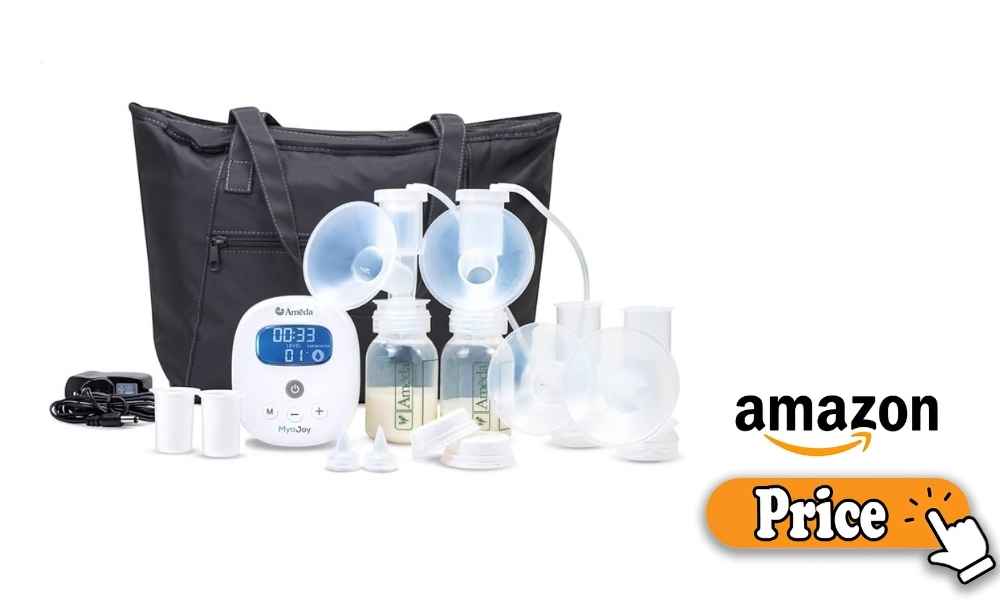
The Ameda Mya Joy is a tiny powerhouse that works perfectly for parents needing something ultra-lightweight to toss in a bag. Meanwhile, the Lansinoh Smartpump 3.0 offers a bit more technology and comfort for those long, frequent sessions. Let’s break down how they actually perform when you are desperately trying to catch a let-down at 3 AM.
Side-by-Side Specs Comparison
When you are staring at a screen trying to compare these two, the basic numbers can quickly blur together. Here is a quick look at the most important technical details for both pump models.
| Feature | Ameda Mya Joy | Lansinoh Smartpump 3.0 |
| Suction Power | Up to 250 mmHg | Up to 280 mmHg |
| Portability Power | 4 AA Batteries | Built-in Rechargeable |
| System Type | Closed System | Closed System |
Seeing these numbers helps initially, but technical specifications do not tell the whole story. Real-world performance always matters far more than what is written on the side of a cardboard box.
Unboxing and Assembly
Opening a new pump box at two in the morning is a special kind of frustrating test. The Ameda Mya Joy is incredibly simple, with very few parts to figure out when you are completely exhausted. The Lansinoh has a slightly more premium feel right out of the box with thicker plastic.
| Assembly Feature | Ameda Mya Joy | Lansinoh Smartpump 3.0 |
| Part Count | Minimal parts | Standard amount |
| Tubing Connection | Simple push-in | Snug, tight fit |
| Initial Feel | Basic and lightweight | Sturdy and premium |
I definitely appreciated the Lansinoh’s clear instructions, though I still managed to put a valve on backward once in a sleep-deprived haze. Both utilize a hygienic closed system, which keeps milk safely out of the tubing and motor.
Pumping Performance and Milk Expression
Efficient milk expression is the whole point, and both pumps offer strong let-down stimulation to get things flowing quickly. I found that the Lansinoh provided a slightly smoother, more natural rhythm during longer evening sessions. The Ameda gets the job done reliably, but the motor can feel a bit mechanical.
| Performance Metric | Ameda Mya Joy | Lansinoh Smartpump 3.0 |
| Let-down Mode | Fast, mechanical rhythm | Smooth, natural rhythm |
| Pumping Style | Great for occasional use | Better for frequent use |
| Emptying Ability | Good overall emptying | Excellent deep emptying |
If you are dealing with low supply, that gentle stimulation from the Lansinoh really helps encourage milk flow. Exclusive pumping demands high efficiency, and you want a motor that empties your breasts completely without taking forever.
Suction Performance and Comfort
Having adequate suction levels (mmHg) is vital, but higher suction does not always mean you will produce more milk. The Lansinoh features very soft ComfortFit flanges that are incredibly gentle on sore, sensitive days. Ameda’s hard plastic flanges are standard, and I actually had one slip off when I leaned over to grab a towel.
| Comfort Feature | Ameda Mya Joy | Lansinoh Smartpump 3.0 |
| Max Suction | 250 mmHg | 280 mmHg |
| Flange Comfort | Hard plastic edges | Soft silicone edges |
| Suction Levels | 6 adjustable levels | 8 adjustable levels |
Finding the correct flange sizing is an absolute must if you want to avoid serious nipple pain with either pump. I highly recommend buying aftermarket silicone inserts if you go with the Ameda to make your sessions much more comfortable.
Milk Collection System
Pouring milk into storage bags while half asleep is always risky, and I have definitely spilled precious ounces on the counter. The Lansinoh bottles feature a wide neck that makes pouring and mixing formulas very easy. The Ameda bottles are totally functional but feel a bit narrow when you are rushing.
| Collection Feature | Ameda Mya Joy | Lansinoh Smartpump 3.0 |
| Bottle Style | Standard narrow neck | Wide neck design |
| Spill Risk | Moderate when pouring | Very low when pouring |
| Measurement Marks | Slightly hard to read | Clear and highly visible |
I absolutely love that Lansinoh bottles transition straight to feeding with their included slow-flow nipples. It saves you from washing extra containers when you are already terribly behind on your daily household chores.
Cleaning, Sterilization, and Hygiene
Washing pump parts multiple times a day is the worst chore, especially when tiny duckbill valves slip down the drain. Both pumps use a hygienic closed system, making the daily maintenance and washing a breeze. The Ameda shines here because there are barely any small crevices to scrub.
| Cleaning Effort | Ameda Mya Joy | Lansinoh Smartpump 3.0 |
| Daily Washing | Very quick and easy | Moderate effort needed |
| Valve Type | Standard small duckbill | Thicker, sturdy valves |
| Dishwasher Safe | Yes, on the top rack | Yes, on the top rack |
I felt slightly less anxious about mold with the Ameda simply because the pieces are so basic and dry incredibly fast. However, both are simple enough to toss into a microwave sterilizer bag when you need a quick deep clean.
Noise Level and Discretion
If you plan on pumping next to a sleeping baby or on a Zoom call, the noise output is a huge factor. The Ameda Mya Joy is astonishingly quiet, offering a soft hum that will not wake a light sleeper. The Lansinoh is definitely a bit louder, producing a very noticeable vibration sound on higher settings.
Neither pump is entirely silent, but the Ameda definitely wins the discretion award in this category. You can easily hide it under a loose cardigan during a morning conference call without raising any eyebrows from coworkers.
Battery Life and Charging
Battery anxiety is very real when you are carrying a pump around the house trying to finish the laundry. The Lansinoh Smartpump 3.0 comes with a built-in rechargeable battery that lasts for several long pumping sessions. The Ameda Mya Joy relies entirely on four AA batteries if you want to walk away from the wall plug.
| Power Feature | Ameda Mya Joy | Lansinoh Smartpump 3.0 |
| Portable Power | Requires 4 AA Batteries | Built-in rechargeable |
| Battery Lifespan | Drains batteries fast | Roughly 3 sessions |
| Wall Adapter | Included in the box | Included in the box |
I once forgot to swap the dead AA batteries in the Ameda and got stuck tethered to a wall outlet all morning. Having a truly rechargeable pump like the Lansinoh is an absolute game-changer for moving freely around your home.
Real-Life Daily Scenarios
Middle-of-the-night pumping requires a device that is easy to navigate in the dark without waking your partner. The Lansinoh has a bright digital display that is helpful, but I actually had to cover it once because the light woke the baby. The Ameda is wonderfully small, easily fitting into a winter coat pocket during early morning commutes.
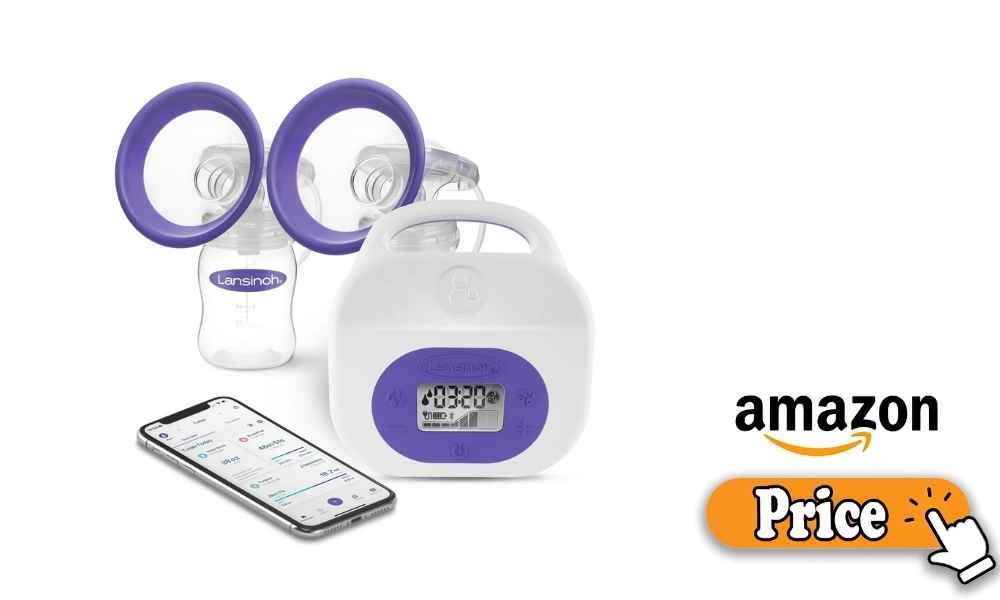
The Lansinoh also connects to a smartphone app to track your milk output, which helps immensely when your brain is too foggy to remember. Both units are light enough to carry from the nursery to the kitchen with one hand while holding a bottle in the other.
Insurance, Price, and Value
Both of these models are frequently offered as fully covered upgrade options through most standard health insurance plans. If you are paying entirely out of pocket, the Ameda is usually slightly cheaper upfront. However, the Lansinoh simply feels like a much more premium device that justifies the slightly higher price tag.
You also have to carefully factor in the ongoing cost of replacement parts like duckbill valves and silicone membranes. Lansinoh replacement parts are remarkably easy to find at local big-box stores in an emergency, which is a massive relief.
Long-Term Ownership
If you are exclusively pumping for months, motor durability is something you desperately need to think about long-term. The Lansinoh holds up incredibly well over months of heavy, daily use without losing its suction power. The Ameda is a fantastic backup, but the tiny motor might struggle if you use it eight times a day.
Milk residue staining is pretty common on the plastic parts of both pumps after a few months, no matter how hard you scrub. Replacing the tubing and valves every few months is strictly required for both devices to keep them running perfectly.
Who Should Buy Which?
Buy the Ameda Mya Joy if:
- You only pump occasionally or need a lightweight backup for travel, making it easy to toss into a small bag.
- You need something extremely quiet for an open office environment or late nights beside a sleeping baby.
- You do not mind keeping a stash of AA batteries on hand to maintain your portable pumping freedom.
Buy the Lansinoh Smartpump 3.0 if:
- You desperately want a built-in rechargeable battery to move around the house while doing daily chores.
- You need soft, comfortable silicone flanges for sensitive days when your nipples are sore and cracked.
- You enjoy tracking your daily pumping sessions and milk volume automatically via a connected smartphone app.
Consider Neither If:
- You are an exclusive pumper who needs heavy-duty, hospital-grade suction to maintain a massive oversupply.
- You want a completely hands-free wearable pump that tucks invisibly inside a standard nursing bra.
- You only need a manual silicone pump to catch a quick let-down on one side while you nurse on the other.
Final Verdict: Ameda Mya Joy vs Lansinoh Smartpump 3.0
Both portable pumps certainly have their place, but the Lansinoh Smartpump 3.0 is the clear winner for most busy parents. The rechargeable battery, comfortable soft-edge flanges, and incredibly reliable suction make daily pumping so much easier to manage. The Ameda Mya Joy remains a fantastic, ultra-quiet backup to keep permanently stashed in your desk drawer at work.