
Willow Go vs Lansinoh Wearable Breast Pump: Honest Review
Choosing between the Willow Go vs Lansinoh Wearable Breast Pump feels overwhelming when you are already exhausted and just need sleep. Both of these pumps promise hands-free freedom, but they fit into your life in very different ways. I know exactly how hard it is to make this choice when every drop of milk matters.
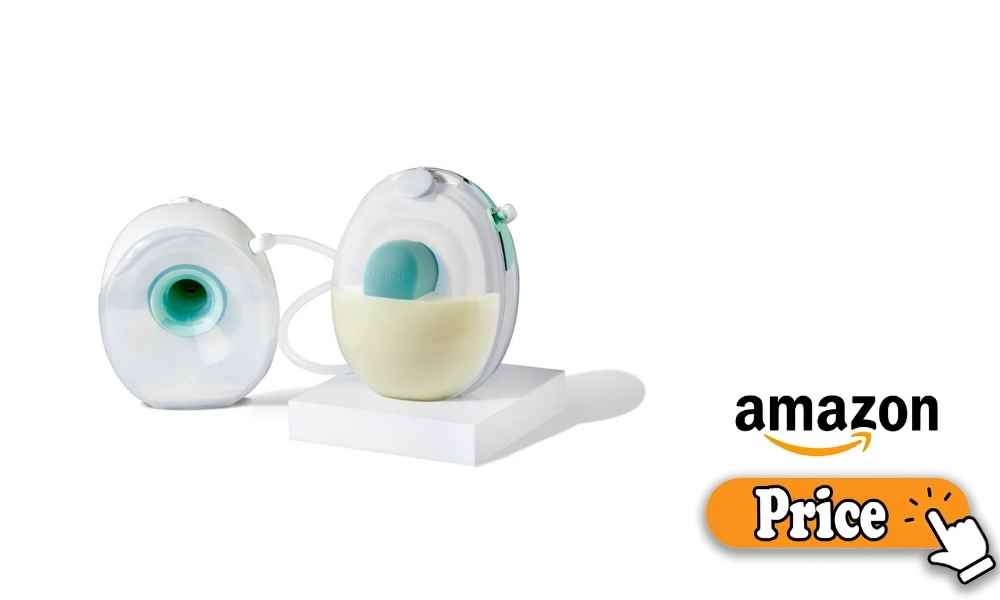
The Willow Go is perfect for parents who need a sleek, tech-savvy pump with helpful app tracking. The Lansinoh is a budget-friendly powerhouse with massive milk capacity for managing oversupply or low supply. In this guide, I will help you figure out which one will actually make your pumping journey easier.
Side-by-Side Specs Comparison
Looking at the raw numbers can help you see exactly what you are paying for with each pump. Here is a quick breakdown of their most important daily features.
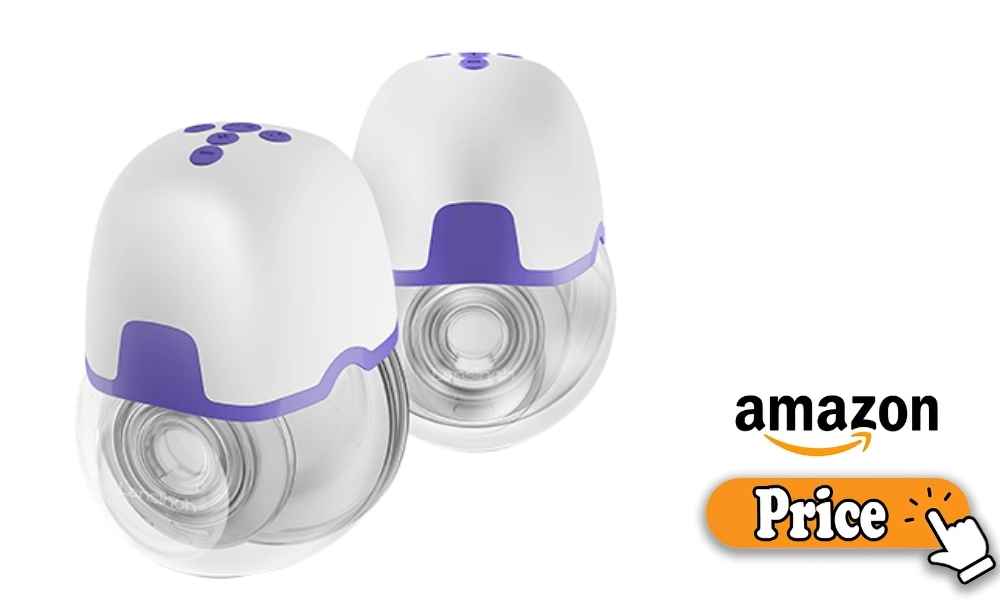
| Feature | Willow Go | Lansinoh Wearable |
| Suction Strength | Up to 280 mmHg | Up to 280 mmHg |
| Pump Weight | 13.1 oz per pump | 7.4 oz per pump |
| Battery Life | Up to 5 sessions | Up to 8 sessions |
These numbers only tell half the story of what it is like to use them at three in the morning. Let us look deeper into how they actually perform when life gets chaotic.
Unboxing and Assembly
Getting a new pump out of the box should be simple, especially when you are sleep-deprived. The Willow Go feels premium right away, but the parts take a bit of practice to snap together perfectly. You really do not want to be figuring out the puzzle at 2 AM with a crying baby nearby.
The Lansinoh pump is much more straightforward to put together straight out of the box. It has fewer parts overall, which is a huge relief when you are running on empty.
| Part Type | Willow Go | Lansinoh Wearable |
| Total Parts to Wash | 5 per side | 4 per side |
| Flanges Included | 21mm, 24mm | 21, 25, 28, 30.5mm |
| System Style | Closed system | Closed system |
Having extra flange sizing right out of the box with the Lansinoh is a massive bonus. Proper flange sizing is the key to preventing pain and getting a good milk output.
Pumping Performance and Milk Expression
Getting a good let-down stimulation is vital for keeping up your milk supply. Both pumps use a closed system, so your milk stays completely safe from the motor. I noticed the Willow Go is incredibly smooth at coaxing out that first let-down without feeling aggressive.
The Lansinoh has a slightly different rhythm that mimics a hungry baby very well, which helps when managing oversupply or low supply. Many parents find it empties the breasts completely, which is crucial if you are exclusive pumping.
| Performance Metric | Willow Go | Lansinoh Wearable |
| Let-down Modes | Yes, dedicated mode | 2-phase technology |
| Expression Styles | 1 style, 9 levels | 3 unique styles |
| Emptying Ability | Very efficient | Highly consistent |
I did notice that one flange kept slipping on the Lansinoh during longer pumping sessions. You really have to make sure you press the parts firmly together to keep the suction strong.
Suction Performance and Comfort
When it comes to suction levels, more is not always better if it causes nipple pain. Both pumps reach a powerful 280 mmHg, but they deliver that pull in different ways. The Willow Go feels like a gentle, rolling tug that rarely causes discomfort even on high.
The Lansinoh pump offers three different pumping styles so you can find your perfect natural rhythm. However, higher settings on either pump can become painful if your flange size is wrong.
| Suction Details | Willow Go | Lansinoh Wearable |
| Max Strength | 280 mmHg | 280 mmHg |
| Adjustable Levels | 9 expression levels | 8 adjustable levels |
| Comfort Feel | Smooth rolling tug | Distinct rhythmic pull |
Make sure to measure your nipples carefully before your first session to avoid unnecessary pain. Using a little pumping spray or coconut oil also makes a huge difference for comfort.
Milk Collection System
If you make a lot of milk, cup capacity is going to be your biggest concern. The Willow Go comes with standard five-ounce cups, which is decent for most average pumping sessions. You can buy seven-ounce cups separately, but that adds to the overall cost.
The Lansinoh pump truly shines here with its massive eight-ounce collection cups included right away. However, I accidentally spilled precious milk while pouring it into storage bags from the Lansinoh cups.
| Collection Specs | Willow Go | Lansinoh Wearable |
| Default Capacity | 5 ounces per cup | 8 ounces per cup |
| Upgrade Options | 7 ounces (extra cost) | None needed |
| Pouring Spout | Top pouring slot | Built-in spout edge |
The easy pour spout on the Lansinoh takes some getting used to if you are rushing. Always take your time when transferring your hard-earned milk to avoid devastating spills.
Cleaning, Sterilization, and Hygiene
Washing pump parts multiple times a day is easily the worst part of breastfeeding. The Willow Go has five parts per side, and they are all safe for the top rack of your dishwasher. It is a relief, but you still have to be careful not to lose the tiny pieces.
The Lansinoh has only four parts, which makes midnight scrubbing slightly less painful. One night, I almost had the tiny duckbill valves slipping down the drain during midnight washing.
| Cleaning Facts | Willow Go | Lansinoh Wearable |
| Dishwasher Safe | Top rack only | Top rack only |
| Tiny Parts Risk | High (small valves) | Moderate |
| Drying Time | Average | Fairly quick |
Both pumps have a closed system, so you never have to worry about cleaning the actual motors. Just make sure the silicone inserts and membranes are completely dry before you reassemble them.
Noise Level and Discretion
A loud breast pump can ruin a quiet moment or draw unwanted attention at the office. The Willow Go is incredibly quiet, emitting a soft hum that easily fades into the background. You can comfortably wear it on a Zoom meeting without anyone noticing the sound.
The Lansinoh pump is also quiet, but it has a slightly more noticeable vibrating tone. It is not terribly loud, but it might be heard in a completely silent room.
Battery Life and Charging
When you are relying on a wearable pump, battery anxiety becomes a very real struggle. I once forgot to recharge it before the first morning pump, which was incredibly stressful. The Willow Go lasts for about five sessions, which is usually enough to get through a workday.
The Lansinoh boasts a very impressive battery that lasts up to eight pumping sessions per charge. This extended life gives you a lot more peace of mind when you are out of the house.
| Battery Specs | Willow Go | Lansinoh Wearable |
| Sessions per Charge | Up to 5 sessions | Up to 8 sessions |
| Charger Type | USB-C cables | USB-C cables |
| Battery Anxiety | Moderate | Very low |
Both pumps use convenient USB-C charging cables, so finding a plug is relatively easy. Always plug them in at night so you never wake up to a dead motor.
The Wearable Experience
The whole point of these pumps is being able to move around while you collect milk. The Willow Go has a great in-bra fit, but it is quite heavy at thirteen ounces per side. You will definitely notice the weight on your chest after a long pumping session.
The Lansinoh is much lighter, making it very comfortable to wear under loose clothing. However, the wearable shifted slightly while bending over to pick up a toy off the floor.
Real-Life Daily Scenarios
Using a wearable pump changes how you handle chores, commutes, and midnight wake-ups. The Willow Go connects to an app, so you do not have to struggle with touch-button accessibility through a shirt. The bright display on the Lansinoh woke the baby during overnight pumping when I checked the battery.
If you are traveling through an airport, both pumps are a lifesaver for hands-free expression. Just remember that bending down too far with either pump can lead to a messy leak.
Insurance, Price, and Value
Budget is a huge factor when you are buying endless baby supplies and diapers. The Willow Go is a premium device, often costing around three hundred and fifty dollars. You can use FSA or HSA funds, but insurance rarely covers the full cost without an upgrade fee.
The Lansinoh is much more budget-friendly, typically coming in under two hundred dollars. It provides incredible value, especially since it includes multiple flange sizes in the box.
Long-Term Ownership
Buying a breast pump is an investment, and you need it to last your entire feeding journey. The Willow Go has very durable motors that hold up well to exclusive pumping routines. You will need to replace the duckbill valves and diaphragms every few months to keep the suction strong.
The Lansinoh pump is relatively new, but the build quality feels sturdy for daily use. Keep an eye out for milk residue staining on the clear plastic parts over time.
Who Should Buy Which?
Buy Willow Go if:
- You want to track your milk volume easily with a smartphone app.
- You need an incredibly quiet pump for taking calls or working in a quiet office.
- You do not mind paying a premium price for a sleek, modern design.
Buy Lansinoh Wearable if:
- You have a large milk supply and need those huge eight-ounce collection cups.
- You want a lighter pump that does not drag down your nursing bra.
- You need a long-lasting battery that can survive a full day without needing a charge.
Consider Neither If:
- You exclusively pump and prefer the raw power of a traditional wall-plug hospital pump.
- You cannot tolerate the feeling of a bulky plastic cup sitting inside your bra.
Final Verdict: Willow Go vs Lansinoh Wearable Breast Pump
The choice between these two incredible wearable pumps comes down to your budget and milk capacity needs. The Willow Go wins for its quiet motor, sleek app integration, and premium feel. It is perfect if discretion and smart features are your top priorities for returning to work.
However, the Lansinoh Wearable Breast Pump takes the crown for overall value and battery life. Its massive collection cups and lightweight design make it an amazing tool for busy parents on a budget. Whichever you choose, give yourself grace as you figure out your new pumping routine.