
Elvie Single Vs Double Pump: A Generational Upgrade Matchup
Choosing between the elvie single vs double pump is a major decision that deeply impacts your daily postpartum survival. When you are operating on fragmented sleep and counting every ounce, your gear setup needs to perfectly match your actual routine without causing extra stress.
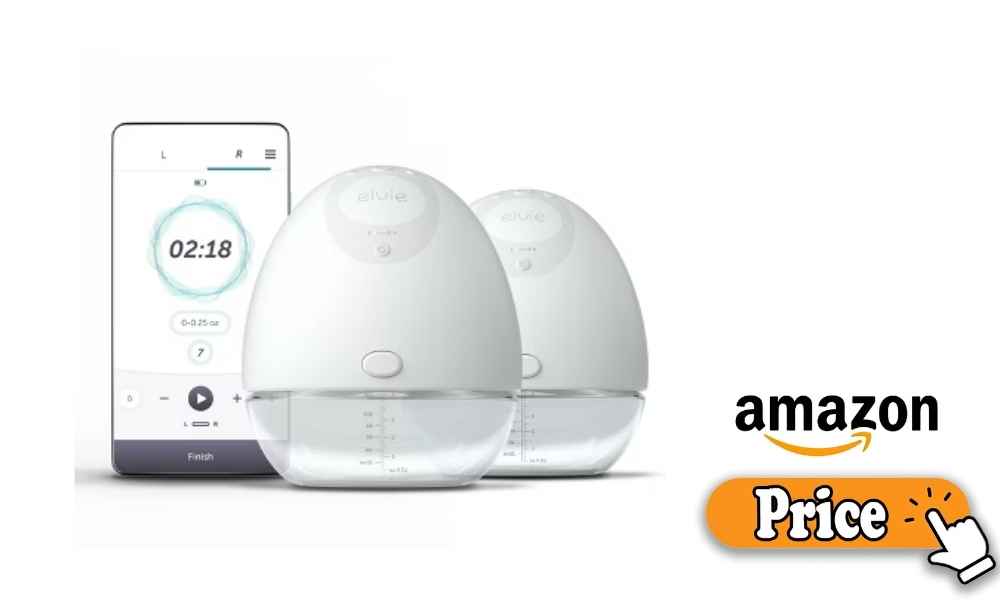
Many parents wonder if buying just one hub is enough to get by or if the dual setup is absolutely mandatory for success. Having tested both configurations through endless midnight sessions and chaotic morning commutes, I can definitively help you decode this expensive dilemma.
Before diving in, understanding these systems is entirely essential.
Elvie Single Pump Review
Starting with the solitary hub option requires a specific strategy for effective milk expression and time management.
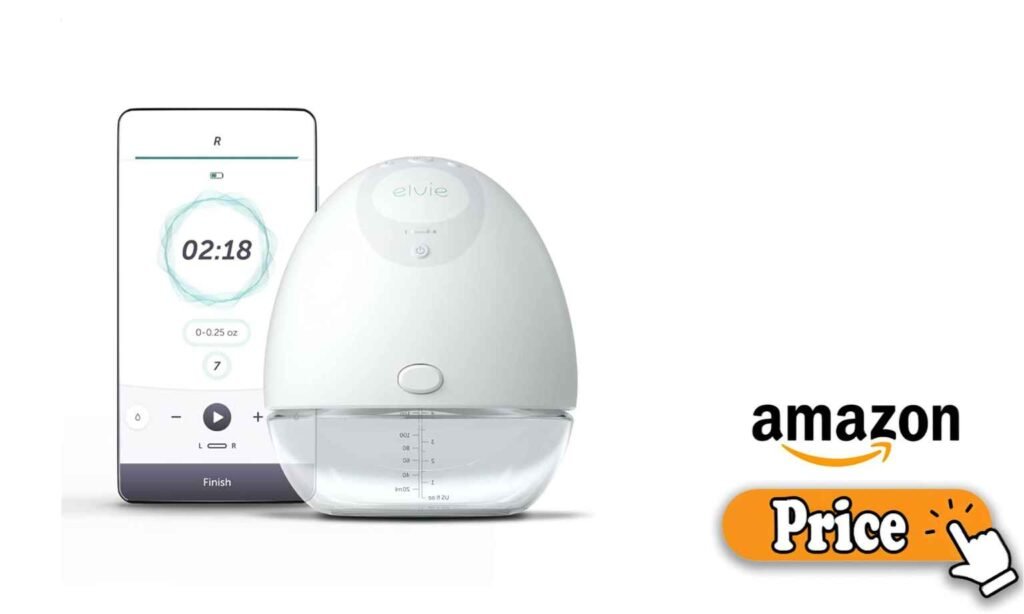
Using just one unit changes your entire approach to removing milk throughout the very busy day. If you are trying to figure out how to pump without nipple pain, managing one breast at a time can sometimes feel less overwhelming. This approach allows you to nurse your baby on one side while seamlessly catching valuable let-down stimulation on the opposite side.
Evaluating the single unit requires looking closely at its distinct benefits.
Pros And Cons
Here is a balanced, honest look at exactly what you get when you purchase just one hub.
| Feature | Single Advantage | Single Drawback |
| Cost Focus | Much lower initial investment | Takes twice as long to empty |
| Travel Ease | Extremely lightweight for commuting | Harder to balance oversupply |
| Routine Fit | Perfect for nursing one side | Frustrating for exclusive pumping |
This breakdown highlights the practical reality of single-side daily milk expression.
I want to share exactly how this setup felt during my routine.
My Personal Experience
Testing the single configuration revealed some highly surprising daily truths.
During my early postpartum days, snapping the single Elvie onto my right side while my baby nursed on the left was pure magic. The closed system kept the milk safely contained, and I never had to worry about awkward, sticky tubing getting tangled around my infant. It was incredibly discreet when I needed to quickly relieve painful engorgement before heading out the door for a quick grocery run.
However, when I had to leave for work and needed a full session, using just one hub felt like an absolute, draining marathon. Waiting twenty minutes for one side to finish, only to switch and wait another twenty minutes, completely consumed my precious office breaks. If you are dealing with low supply, that extended time can actually hinder your overall output goals and lead to uneven milk production.
Now, let us intimately discuss who should actually buy this.
Recommendation
This specific setup shines brilliantly for a very particular lifestyle.
The single unit is a phenomenal choice for parents who primarily breastfeed and only need to gradually build a small freezer stash. It acts as an incredibly high-tech, active alternative to manual silicone catchers that rely solely on basic passive suction. If your primary goal is just to relieve pressure or save a few extra ounces during the morning feed, this is highly effective.
I absolutely do not recommend this option for anyone who relies on a pump for their baby’s primary daily food source. Exclusive pumpers will find the doubled time commitment maddening, especially when balancing work duties and caring for a demanding infant. It is best treated as a luxury companion tool rather than your main, heavy-duty workhorse for massive daily volume collection.
Moving on to the dual setup totally changes everything.
Elvie Double Pump Review
Stepping up to the dual configuration drastically alters your entire milk removal strategy and daily time management.
When you invest in two hubs, you are directly paying for the ultimate luxury of time, allowing simultaneous milk expression. This seamlessly mirrors a traditional hospital-grade setup but gives you the unprecedented freedom to fold laundry or type an email while working. Balancing two pumps on your chest requires a bit more coordination, but the massive time savings usually make the learning curve worthwhile.
Let us briefly look at the dual system trade-offs.
Pros And Cons
Understanding the trade-offs of the double system is deeply crucial before spending this much money out of pocket.
| Feature | Double Advantage | Double Drawback |
| Time Saved | Halves your total session duration | Significant upfront financial cost |
| Milk Output | Better stimulation for both breasts | Double the parts to wash daily |
| Daily Use | Ideal for the exclusive pumping parent | Requires charging two devices |
These points illustrate exactly why the double setup is heavily favored.
Here is what living with two running hubs is genuinely like.
My Personal Experience
Using both units simultaneously was a major, undeniable game changer for me.
When I transitioned back to the office, the double Elvie became my absolute lifeline during stressful, jam-packed afternoons. Being able to slip both hubs into my bra and hit massage mode simultaneously meant I could trigger a powerful let-down instantly. I could sit at my desk, completely hands-free, and finish a full session in under twenty minutes without missing a single important email.
The true challenge predictably came during the exhausting cleanup phase at the extremely late end of a long, tiring day. Washing four plastic breast shields, two seals, and keeping track of the best time to replace duckbill valves for both units was tedious. Pouring milk into breast milk storage bags without spilling required extreme focus, as the collection cups can be slightly top-heavy when completely full.
Here is who truly and desperately needs the dual option.
Recommendation
Deciding to buy the double kit naturally requires a strong commitment.
This dual system is the ultimate, non-negotiable investment for working parents and those who pump exclusively around the clock. The precious time you save by emptying both sides at once is mathematically invaluable when you are juggling a baby and a demanding career. It effectively gives you your hands and your dignity back during those frequent, mentally draining daily pumping sessions.
If you only pump occasionally for a weekend date night or a brief gym trip, spending this much cash is simply unnecessary overkill. However, if your pump is basically an extension of your physical body, the double Elvie will rapidly pay for itself in preserved sanity. Always prioritize correct flange sizing with specialized silicone inserts to seamlessly maximize your yield with this premium, high-tech tool.
Now, let us place these two options aggressively head-to-head.
Details Comparison: Elvie Single Vs Double Pump
Putting both options head-to-head rigorously reveals exactly where your hard-earned money goes.
To make the absolute best choice, we have to look entirely past the shiny marketing and examine how these setups handle the daily grind. We will break down every single essential metric, from battery life realities to output efficiency, to see which option survives real-world postpartum life. This deep dive will ensure you do not waste money on a setup that fundamentally contradicts your actual parenting workflow.
Output volume is always the most critical and pressing factor.
Output Efficiency And Yield
Comparing how effectively these two configurations empty the breast reveals major, undeniable functional differences.
When deciding between the elvie single vs double pump, absolute milk removal speed is usually the primary concern for exhausted, stressed parents. Using two hubs simultaneously often yields a vastly better overall volume because stimulating both breasts at once triggers a much stronger hormonal response. This dual action mimics a hungry baby’s natural nursing rhythm far more effectively than awkwardly alternating sides every twenty minutes.
Conversely, using a single hub means the second breast is left hopelessly waiting, which can easily lead to uncomfortable leaking and uneven emptying. If you continually wonder why is my pump losing suction, it is often due to rushing a single-side session and causing improper mechanical alignment. Taking the time to seat two hubs properly ensures maximum efficiency, protects your milk supply, and radically shortens your session time.
Let us intensely look at the daily yield breakdown directly.
| Efficiency Metric | Elvie Single Setup | Elvie Double Setup |
| Session Speed | 30 to 40 minutes total | 15 to 20 minutes total |
| Hormonal Trigger | Single side stimulation | Simultaneous dual stimulation |
| Yield Consistency | Prone to uneven emptying | Highly balanced volume output |
The double clearly and decisively wins for keeping your milk supply robust.
Rating: Elvie Single: 6.5/10 || Elvie Double: 9.5/10
Immediate budget realities absolutely cannot be ignored in this decision.
Cost And Value Proposition
Looking at the financial implications genuinely helps clarify the true long-term value.
The financial leap from a single to a double unit is undeniably steep and requires extremely careful household budget consideration. The single unit is a fantastic, accessible gateway into premium wearable technology without entirely draining your desperately needed savings account. It seamlessly provides the exact same high-quality motor and closed system mechanics, just in a significantly more affordable, singular package.
However, many parents who buy the single eventually end up desperately purchasing a second hub later at a much higher premium standalone price. If you are deeply asking is a wearable pump worth it for exclusive pumping, the answer is genuinely only yes if you buy the double upfront. The bundled retail price of the double kit is a remarkably better long-term financial value than stubbornly piecing a system together months later.
Here is the strict, unapologetic financial reality breakdown.
| Financial Factor | Elvie Single Setup | Elvie Double Setup |
| Upfront Cost | Much easier on the budget | Requires a significant investment |
| Long-Term Value | May require buying a second later | Cheaper than buying two separately |
| Best Suited For | Casual, occasional users | Dedicated, daily power users |
Your immediate, pressing budget constraints will heavily dictate this specific metric.
Rating: Elvie Single: 8/10 || Elvie Double: 7.5/10
Power management dictates exactly how freely you can comfortably travel.
Battery Life And Charging Logistics
Managing battery cycles is surprisingly and constantly frustrating when highly sleep deprived.
Managing the battery lifespan of your gear is absolutely critical when you are heavily relying on a portable system away from stable wall outlets. The single unit is incredibly simple to successfully manage; you only have one micro-USB cable to track and one single hub to monitor. You can easily charge it in your car cup holder while frantically driving to daycare without ever needing a complex, bulky dual-charger setup.
The double system naturally requires significantly more mental energy to keep fully charged and functionally ready for your next expression mode cycle. If one hub suddenly dies because it was not plugged in properly overnight, your entire dual-pumping schedule is instantly thrown completely off track. You must remain hyper-vigilant about keeping both units meticulously topped off, which unquestionably adds a frustrating layer of daily stress to your routine.
Here is exactly how the daily charging logistics compare.
| Power Management | Elvie Single Setup | Elvie Double Setup |
| Charging Cords | Only one cable required | Needs dual outlet space |
| Battery Tracking | Simple app monitoring | Easy to forget one unit |
| On-The-Go Ease | Charges easily in the car | Requires careful daily planning |
Battery management is undeniably and vastly easier when you only have one device.
Rating: Elvie Single: 9/10 || Elvie Double: 7/10
Washing parts is always the hardest, most tedious part of pumping.
Maintenance And Cleaning Friction
The sheer, overwhelming volume of dirty dishes simply cannot be overlooked.
Washing tiny, intricate pump parts at two in the morning is the absolute, undisputed bane of every exhausted postpartum parent’s daily existence. The single Elvie genuinely shines brilliantly here, requiring you to carefully wash only two plastic shields, a single valve, and a delicate silicone seal. It takes less than three minutes at the kitchen sink, making it a wonderful dream for parents who are already touched out and utterly exhausted.
With the double setup, your midnight dishwashing burden instantly multiplies, brutally filling your drying rack with an endless sea of tiny, clear plastic components. Keeping track of the duckbill valves is utterly crucial, as accidentally washing one down the drain means your expensive double pump is suddenly useless. The daily friction of washing, sterilizing, and thoroughly drying both sets multiple times a day is a massive, undeniable downside to the dual system.
Let us rigorously and carefully compare the exact cleaning workload.
| Cleaning Metric | Elvie Single Setup | Elvie Double Setup |
| Nighttime Washes | Fast and highly manageable | Tedious and very time-consuming |
| Component Count | 5 parts total to clean | 10 parts total to clean |
| Wear and Tear | Slower degradation over time | Faster replacement cycles needed |
Fewer parts mean significantly and consistently fewer headaches when you are sleep-deprived.
Rating: Elvie Single: 9/10 || Elvie Double: 5/10
Moving around freely while pumping is the ultimate modern goal.
Portability And Discretion
How well these setups hide under clothing is a major, deciding factor.
Wearable pumps are explicitly designed to magically give you your life back, but discreetly carrying them around requires careful, strategic packing and planning. Tossing a single Elvie into your crowded diaper bag takes up almost no valuable space, making it utterly perfect for quick, spontaneous daily errands. You can easily slip it into your bra on one side while holding your squirming baby on the opposite hip with practically zero physical interference.
The double setup unfortunately makes you significantly more visibly bulky and absolutely requires a dedicated, waterproof wet bag to keep all the sterile parts clean. While it is incredibly discreet compared to traditional hard flanges sticking out of your shirt, having two illuminated hubs does draw slight visual attention. Bending over with both cups totally full is also a highly risky maneuver that can easily lead to disastrous spilled milk if you slip.
Here is how they truly rank for daily active movement.
| Mobility Factor | Elvie Single Setup | Elvie Double Setup |
| Bag Space | Fits in a small purse easily | Requires a dedicated wet bag |
| Holding Baby | Easy to hold baby on one side | Can be bulky against your chest |
| Spill Risk | Lower risk when bending over | High risk if both cups are full |
For pure, delightfully unencumbered movement, the single unit naturally holds a slight edge.
Rating: Elvie Single: 8.5/10 || Elvie Double: 8/10
Let us finally bring all of this vital information safely together.
Conclusion
Making your final choice logically requires complete honesty about your routine.
Deciding fundamentally between the elvie single vs double pump ultimately comes down to exactly how you value your daily time versus your immediate financial budget. If you are exclusively nursing and just desperately want to catch a little extra milk without being physically tethered to a wall, the single is perfect. It offers premium, high-tech freedom without the overwhelming, massive price tag or the depressing, giant pile of dishes at the end of the day.
However, if you are actively returning to a demanding job or solely relying on a pump to feed your baby entirely, the double is totally mandatory. The unmatched ability to achieve maximum suction levels (mmHg) on both sides simultaneously will literally save your sanity and deeply protect your fragile milk supply. Whatever gear you ultimately choose, always prioritize your physical comfort and mental health above all else on this exhausting, beautifully chaotic postpartum journey.