
Elvie Stride Expression vs Stimulation Secrets
Navigating the exact differences between elvie stride expression vs stimulation settings is the absolute secret to actually draining your breasts with a wearable device. When I first brought this pump home, I struggled to get more than two ounces simply because I left it on the default settings. You have to understand how these two specific modes mimic a real baby to get your supply moving.
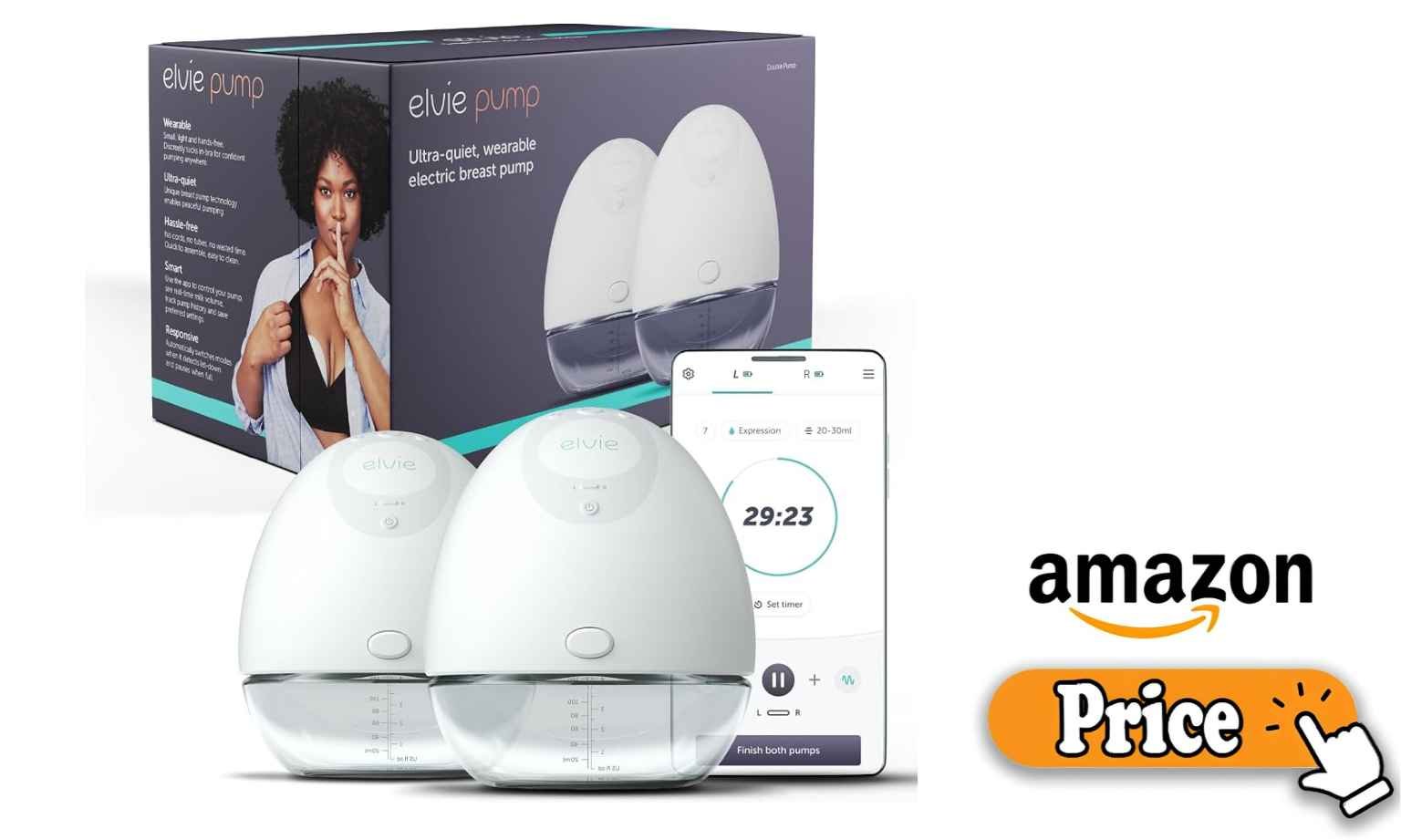
As an exclusive pumper who has spent hundreds of hours hooked up to various motors, I know the sheer panic of a dropping milk supply. Pumping in the car or while washing dishes is stressful enough without constantly guessing which buttons to press. We are going to break down exactly when and how to use both phases to maximize your output without destroying your delicate tissue.
Getting the rhythm right requires knowing what each setting actually does to your body. Let us take a deeply honest look at the first critical phase of your pumping session.
Stimulation Mode Review
This fast-paced setting is completely designed to wake up your milk ducts and get the flow started. I rely on this phase heavily during those stubborn middle-of-the-night sessions when my body is too tired to cooperate.
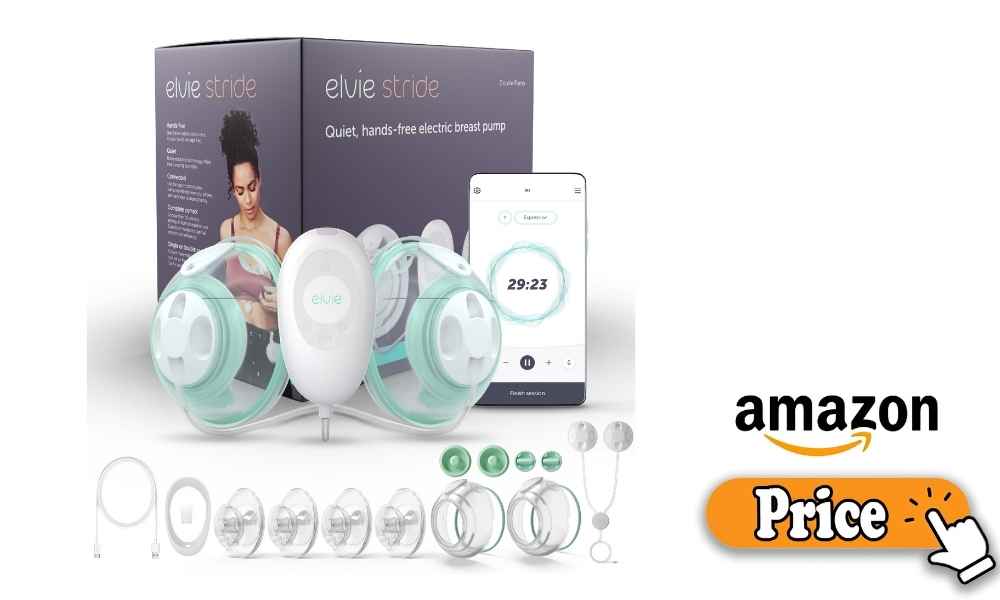
The rapid fluttering motion tells your brain that a hungry baby is eagerly waiting for a meal. It is a vital step that you absolutely cannot skip if you want a successful yield and a pain-free experience.
Understanding the benefits and drawbacks of this rapid phase helps you manage your expectations. Here is how the fast-paced cycle truly performs during daily use.
| Feature | The Good | The Bad |
| Cycle Speed | Very fast and highly effective | Can feel pinch-like initially |
| Suction Levels | Ten adjustable intensity options | Higher levels are often too weak |
| Let-Down Trigger | Usually works within two minutes | Fails if flanges are sized wrong |
Looking at those points, you can see why this setting is a double-edged sword for many exhausted parents. You have to find your personal sweet spot to avoid any sudden, jarring discomfort.
Finding that balance took me a few weeks of constant trial and error with the hub. Let me share exactly how this phase worked for me during my own chaotic routines.
My Personal Experience
When I first turned on this rapid mode, I instantly appreciated how gentle the initial flutters felt compared to heavy hospital-grade rental pumps. The massage mode really does feel like a hungry newborn eagerly trying to start a meal. However, I quickly learned that bumping the suction levels (mmHg) too high during this phase just caused me unnecessary pinching. I found my perfect rhythm right around level four, which gently coaxed my body into relaxing.
One morning, I was rushing to pack bags and completely forgot to switch out of this phase. Because the motor just kept fluttering rapidly without deepening the pull, my let-down stimulation stopped, and my milk simply pooled in the tunnels. It taught me a harsh lesson about paying attention to the pump rather than just setting it and forgetting it. You really have to remain mindful of the rhythm to keep the milk flowing into the cups.
That learning curve is completely normal for anyone transitioning to a hands-free wearable device. Here is my honest advice on who benefits most from this specific rhythm.
Recommendation
I highly recommend spending at least two to three minutes in this rapid phase at the start of every single session. It is completely essential for anyone who struggles with low supply or delayed milk release. If you find yourself staring at empty breast milk storage bags after ten minutes, you probably rushed through this step. Give your body the time it needs to recognize the signals and release the milk.
On the flip side, if you are an overproducer who leaks the second a pump touches you, you might only need thirty seconds here. Always listen to your body and adjust the timing based on how quickly you feel that familiar tingling sensation. This phase is merely the warm-up act, so do not linger here once the milk starts spraying into the collection cups.
Moving past the initial trigger phase brings us to the actual workhorse of the device. This next mode is where the real magic happens for your total daily volume.
Expression Mode Review
This phase slows everything down and delivers long, deep pulls to effectively extract the milk. It is the heavy lifter that actually empties your breast tissue during a long, thirty-minute session.
You will spend the vast majority of your pumping time locked into this specific rhythmic cycle. Getting the intensity right here is the absolute key to preventing major clogs and preserving your sanity.
The deeper pulls come with their own set of unique advantages and frustrating hardware quirks. Let us look at how this phase handles the bulk of the actual liquid extraction.
| Feature | The Good | The Bad |
| Pull Depth | Long, sustained, and very effective | Can strain the motor battery fast |
| Milk Removal | Empties tissue well if sized right | Very sensitive to duckbill tears |
| Comfort | Mimics a deeply feeding baby | High levels cause severe drag |
Those deeper pulls are fantastic for total volume, but they will absolutely expose any flaws in your setup. A torn valve will instantly ruin the effectiveness of this entire phase.
I learned about those hardware limitations the hard way during a incredibly stressful work trip. Here is how the deeper pulling phase actually felt during my daily grinds.
My Personal Experience
The very first time I swapped into this deeper pulling rhythm, I felt a massive wave of relief as the milk expression truly began. The motor slows down significantly, and you can actually feel the silicone inserts hugging your tissue with every single pull. It is a very rhythmic, thumping sensation that honestly puts me to sleep during my late-night sessions. I usually hover around level six, which gives me maximum output without any dreaded nipple pain.
But this mode is also where I noticed the hardware starting to struggle after a few months of exclusive pumping. If I bent over to pick up a dropped pacifier, the deep suction would suddenly break, and milk would threaten to spill. I also realized that the duckbill valves degrade much faster under the stress of these long, heavy pulls. You have to keep your replacement parts fully stocked if you want this mode to keep working effectively.
Dealing with those minor annoyances is just part of the everyday wearable pump lifestyle. Here is my final verdict on how to best utilize this deep-pulling setting.
Recommendation
You should switch to this slower, deeper rhythm the absolute second you see drops of milk turning into steady streams. This is the setting that will safely and efficiently drain your breasts to prevent painful engorgement. I strongly suggest starting at a lower level and only increasing the strength when the milk flow begins to naturally slow down. Pumping should never hurt, so resist the urge to crank it to the maximum level right away.
If you notice your output dropping after ten minutes, do not just turn up the power on this mode. Instead, switch back to the rapid fluttering phase for a minute to trigger a second let-down. Bouncing between the two rhythms is the smartest way to mimic a baby and maximize your total collection. Treat this phase like a marathon, not a quick sprint to the finish line.
Now that we understand how each individual phase operates, we need to look at them side by side. Comparing these two rhythms directly will change how you approach your daily routine.
Details Comparison: Elvie Stride Expression vs Stimulation
Breaking down the exact differences between these two settings reveals how cleverly this device is engineered. Each phase serves a highly specific purpose in your journey to feed your baby.
I want to compare them across the metrics that actually matter to exhausted, time-poor parents. We will look at strength, comfort, efficiency, output, and how they impact your hardware.
Suction Strength and Pull Rhythms
The fundamental difference between these two settings lies entirely in the speed and depth of the motor’s pull. The rapid phase focuses entirely on quick, shallow flutters that barely tug at the delicate tissue. It is designed purely to stimulate the nerves without applying any heavy, sustained vacuum pressure. This keeps the initial sensation very light and manageable when you are first attaching the cold cups to your chest.
In stark contrast, the deeper pulling phase dramatically slows the motor down to create a long, sustained vacuum. This is where you actually feel the true suction strength of the closed system working. The pull holds onto the tissue for a split second longer to actively draw the liquid out of the deep ducts. It is a much more forceful action that requires careful calibration to avoid causing any serious bruising.
Seeing how these rhythms differ on paper helps explain why they feel so wildly different on your body. Here is a clear breakdown of their mechanical differences.
| Metric | The Rapid Phase | The Deep Pull Phase |
| Motor Speed | Fast and fluttering | Slow and deeply rhythmic |
| Vacuum Depth | Very shallow and light | Long, sustained, and heavy |
| Primary Goal | Wake up the nerves | Extract the actual liquid |
That mechanical difference is exactly why you cannot rely on just one setting for a full session. You need both speeds working seamlessly together to mimic nature properly.
Rating these two modes requires looking at how well they execute their specific mechanical jobs. Here is how I score their rhythmic performance.
Rating: Stimulation Mode: 9/10 || Expression Mode: 8/10
A strong motor is completely useless if it causes you excruciating pain during a session. Let us examine how your body physically tolerates both of these unique phases.
Nipple Comfort and Tissue Tolerance
Comfort is highly subjective, but the rapid fluttering setting is generally much easier on sensitive postpartum tissue. Because the vacuum does not hold the tissue for very long, there is significantly less friction inside the plastic tunnels. Even when my skin was cracked and bleeding early on, I could tolerate the light fluttering without crying. It is a very forgiving setting as long as you keep the power level on the lower end of the spectrum.
The slower, deeper setting is where things can quickly become incredibly uncomfortable if your flange sizing is even slightly wrong. The sustained vacuum drags the tissue further into the tunnel, which can cause severe rubbing and swelling. If you are not using the correct silicone inserts, this phase will make you want to throw the pump against the wall. You absolutely must measure yourself properly before enduring a thirty-minute session in this heavy mode.
Tissue tolerance changes dramatically the longer you leave the motor running in either of these settings. Here is how your body reacts to the different stress levels.
| Metric | The Rapid Phase | The Deep Pull Phase |
| Tissue Drag | Minimal inward pulling | Deep and heavy inward dragging |
| Friction Risk | Very low rubbing risk | High risk if sized incorrectly |
| Elastic Tissue | Tolerates the flutters well | Can swell from sustained pulls |
You have to protect your skin at all costs if you plan on pumping exclusively for months. A little bit of pumping spray can drastically reduce the friction during the deeper pulls.
Judging comfort means looking at which phase is less likely to leave you bruised and sore. Here is my honest comfort score for both settings.
Rating: Stimulation Mode: 9.5/10 || Expression Mode: 7/10
Comfort allows you to relax, which leads us directly to the next critical step in the process. Triggering the milk to actually drop is the biggest hurdle of any session.
Let-Down Trigger Efficiency
The rapid phase is practically flawless at tricking your brain into releasing the milk quickly. The fast, vibration-like flutters perfectly mimic a tiny baby frantically trying to get their dinner started. I usually feel that heavy, tingling sensation within sixty to ninety seconds of hitting the power button. It works so efficiently that I rarely ever have to restart the cycle to get the flow going.
Trying to trigger a release using only the slower, deeper phase is a completely frustrating and painful endeavor. The heavy, slow pulls do not send the right rapid-fire signals to your nervous system. If you skip the rapid phase and jump straight to the deep pulls, you will likely sit there in pain with zero output. It is like trying to start a cold car in third gear; it just causes damage without getting you anywhere.
The contrast in how effectively these modes start your flow is impossible to ignore. Here is a direct look at their trigger efficiency.
| Metric | The Rapid Phase | The Deep Pull Phase |
| Trigger Speed | Usually under two minutes | Often fails to trigger at all |
| Body Response | Heavy tingling and relaxing | Tensing up and mild pain |
| Effectiveness | Highly reliable every time | Completely unreliable for starting |
This massive difference in efficiency is why the pump defaults to the rapid setting when you first turn it on. The engineers knew you needed those fast flutters first.
Scoring the trigger efficiency is incredibly straightforward because one phase is explicitly built for it. Here is how the two compare at starting the flow.
Rating: Stimulation Mode: 10/10 || Expression Mode: 3/10
Once the flow starts, the focus shifts entirely to how much you can collect. Let us look at which mode actually fills up the bottles.
Total Milk Output Over Time
While the rapid flutters start the process, they are terrible at actually emptying a full breast. If you stay in the fast setting for twenty minutes, you will only collect the easiest, thinnest foremilk. The shallow pulls simply do not have the power to massage the thicker, fattier hindmilk out of the deep tissue. Relying purely on the fast mode will eventually lead to painful clogs and a drastic drop in your overall supply.
The deeper, slower phase is the undisputed champion when it comes to maximizing your total daily volume. Those long pulls act like a deep tissue massage, drawing out every last drop of the nutrient-dense hindmilk. This is the mode that actually empties the breast completely, signaling your body to produce even more milk tomorrow. If you want to keep your freezer stash growing, you have to spend the majority of your time in this heavy phase.
Looking at how these modes impact your total volume over a month is truly eye-opening. Here is the reality of their output potential.
| Metric | The Rapid Phase | The Deep Pull Phase |
| Milk Type | Mostly watery foremilk | Rich, fatty hindmilk |
| Breast Emptying | Leaves tissue feeling full | Leaves tissue soft and empty |
| Long-Term Supply | Will cause supply to drop | Maintains and builds supply |
You simply cannot sustain a healthy pumping journey without the heavy lifting of the slower phase. It is the absolute core of your daily milk production routine.
Rating their ability to fill a bottle shows exactly where the heavy lifting happens. Here is my final score for total yield.
Rating: Stimulation Mode: 4/10 || Expression Mode: 9.5/10
Getting all that milk out requires a lot of battery power. Let us examine how these two distinct rhythms drain your device.
Battery Impact During Sessions
The fast, fluttering phase uses surprisingly little battery power compared to the rest of the session. Because the motor is not pulling a deep, sustained vacuum, it does not have to work very hard against the resistance. I have noticed that the hub stays perfectly cool to the touch during these initial two minutes. If the entire session used this light rhythm, the battery would probably last for an entire week of pumping.
The deeper pulling phase is what truly eats away at your battery life and causes the motor to heat up. Holding that strong vacuum requires significantly more electrical draw, especially if you have it cranked up to a level eight or nine. I find that after three thirty-minute sessions in this heavy mode, the battery indicator is already flashing red at me. You absolutely have to keep a charger handy in the car or at your office desk to survive the day.
Understanding how your settings kill the battery helps you plan your charging routine better. Here is a breakdown of the power consumption.
| Metric | The Rapid Phase | The Deep Pull Phase |
| Motor Strain | Very light and easy | Heavy and demanding |
| Battery Drain | Barely moves the meter | Drains visibly over thirty minutes |
| Heat Generation | Hub stays entirely cool | Hub gets warm to the touch |
Managing your battery life is just another mental load you have to carry as a pumping parent. Always double-check that your hub is fully charged before leaving the house.
Scoring the battery efficiency reveals the hidden cost of those deep, effective pulls. Here is how the two phases impact your device’s lifespan.
Rating: Stimulation Mode: 9/10 || Expression Mode: 5/10
We have looked at every possible angle of these two distinct settings. Now it is time to wrap up this exhausting but necessary comparison.
Conclusion
Mastering the elvie stride expression vs stimulation settings is not just about pressing buttons; it is about learning your body. You have to respect the delicate balance between waking the nerves up and draining the ducts completely.
I know how desperately tiring it is to troubleshoot a wearable pump while you are running on two hours of sleep. But once you find your perfect rhythm between these two phases, your daily output will finally stabilize. Keep your parts clean, size your flanges correctly, and trust your body to do the rest.