
Elvie Stride 2 vs Willow Go: Wearable Pump Review
Choosing between the elvie stride 2 vs willow go often feels like an impossible puzzle when you are already functioning on zero sleep and cold coffee. I have spent countless early morning hours testing these hands-free units, desperately seeking the perfect balance between actual milk output and genuine mobility.
When you are exclusively pumping or just trying to navigate a chaotic return to work, your wearable pump becomes an absolute lifeline. You need to know if the suction levels will genuinely trigger a let-down, if the motors will wake a sleeping baby, and if washing the parts will push you over the edge.
Elvie Stride 2 Review
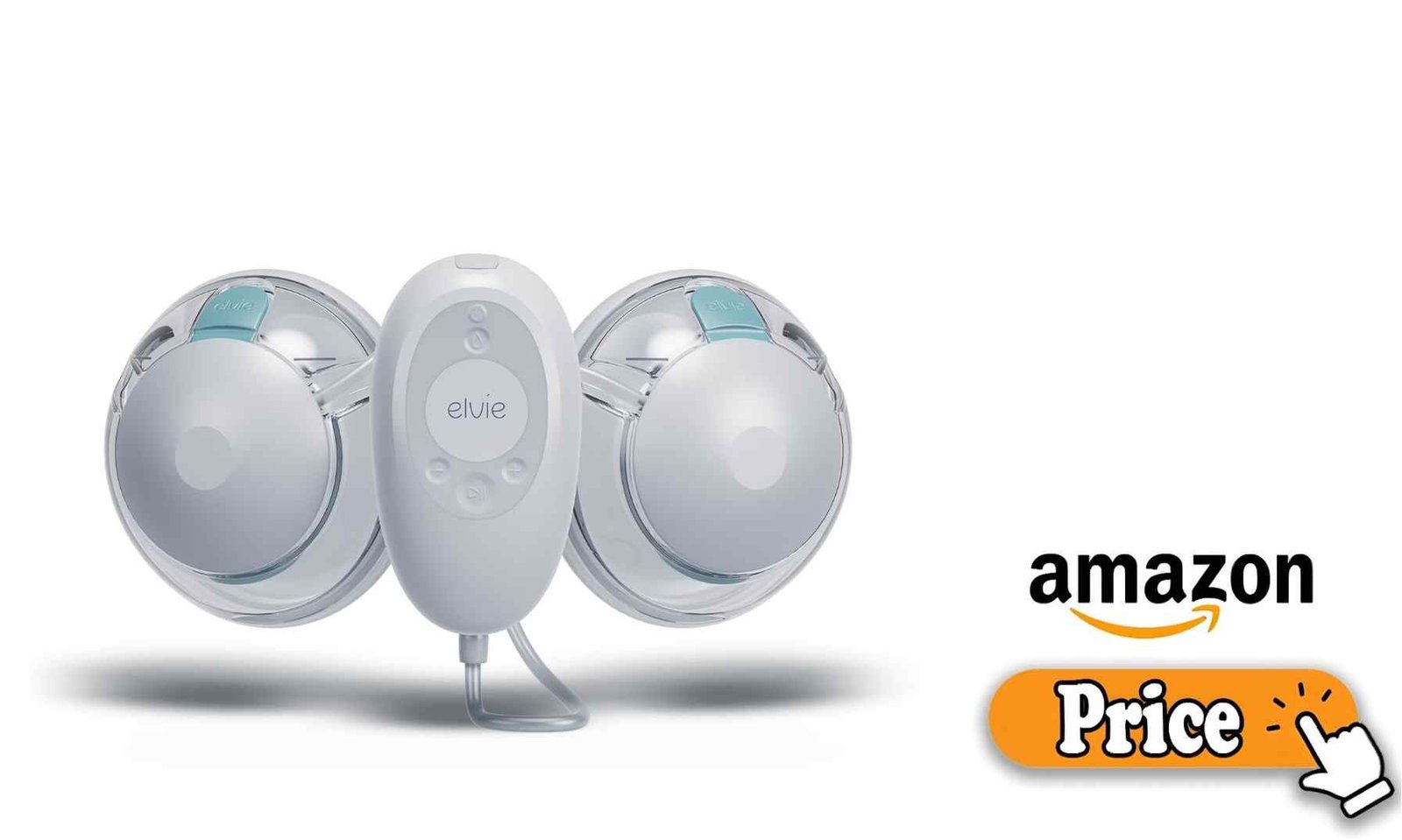
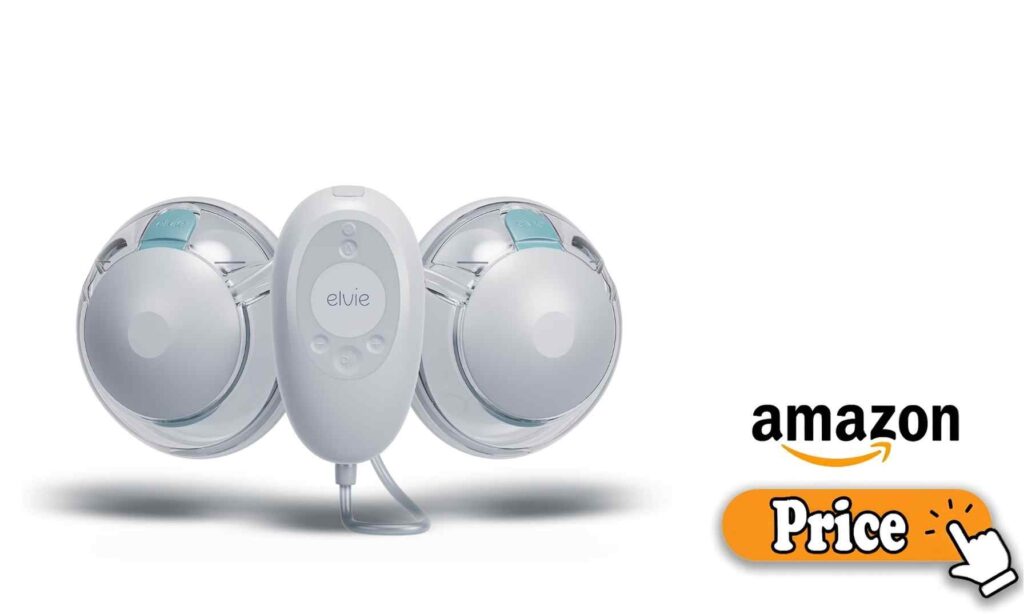
The Elvie Stride 2 recently hit the market with impressive updates, attempting to solve the common pain points found in its first-generation predecessor.
Pros and Cons
After logging dozens of pumping hours while chasing toddlers and driving to the office, the core strengths and glaring weaknesses of this system became incredibly obvious.
| Feature | The Good (Pros) | The Bad (Cons) |
| Suction | Hospital-grade pull (-300 mmHg) | Hub cord can get snagged |
| Fit Options | Includes 6 insert sizes in the box | Silicone edges attract lint |
| App Tech | Reliable smart tracking features | Premium price tag hurts |
Ultimately, this pump feels like a premium medical device cleverly disguised as a modern lifestyle gadget, but you definitely pay a high premium for that privilege.
My Personal Experience
My first week using the Stride 2 was a massive relief because the new ultra-soft silicone cups molded comfortably against my chest without leaving the harsh red rings I usually get. Pumping during my commute was significantly easier, and the completely closed system meant I never had to panic about milk backing up into the delicate tubing lines.
However, managing the external hub took some adjustment, as I accidentally caught the tubing on a kitchen drawer handle while trying to load the dishwasher. Despite that minor annoyance, the whisper-quiet motor allowed me to finish a full expression mode session during a team video call without a single person noticing the faint humming noise.
Recommendation
Many parents find this pump absolutely perfect if they struggle with standard plastic flanges and desperately need softer silicone inserts to prevent severe nipple pain. It is beautifully suited for mothers who want high suction without sacrificing the gentle touch needed to protect delicate breast tissue during frequent daily sessions.
I strongly suggest looking elsewhere if you absolutely despise managing external wires, because the cord connecting the cups to the hub cannot be avoided. If your primary goal is finding a totally tubeless, all-in-one unit to toss into a gym bag, this specific design might feel slightly too complex for your daily routine.
Willow Go Review
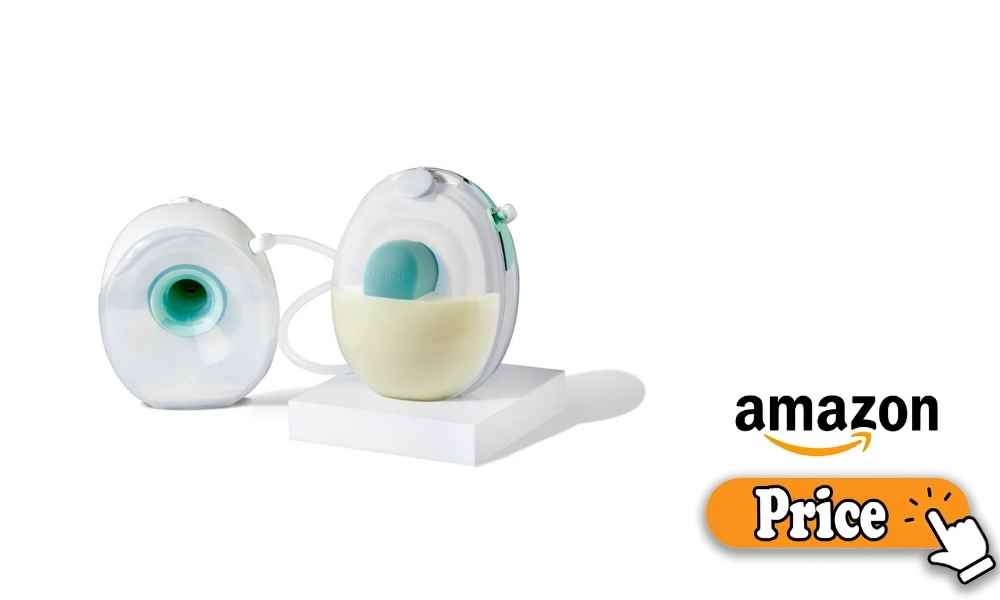
The Willow Go strips away the complex smart features of the original Willow 360 to offer a more straightforward, high-capacity wearable pumping experience.
Pros and Cons
This pump brings aggressive suction and massive storage capacity to the table, though it requires a significant compromise when it comes to overall bulkiness and discretion.
| Feature | The Good (Pros) | The Bad (Cons) |
| Capacity | Huge 7oz container options | Very bulky under clothing |
| Design | Totally wire-free setup | Tricky pouring mechanism |
| Price | Much cheaper than premium models | App is frustratingly basic |
If you are an overproducer who regularly overflows standard wearable cups, the sheer capacity of this pump will fundamentally change your daily routine.
My Personal Experience
During my frantic morning rushes, the completely wire-free design of the Go allowed me to bend down, tie shoes, and load the car without worrying about catching a tube on a doorknob. The powerful let-down stimulation matched the strength of my heavy-duty wall pump, successfully emptying my breasts completely in under twenty minutes.
Unfortunately, I learned the hard way that you cannot bend over too far while wearing these, as a quick reach for a dropped toy resulted in a heartbreaking milk spill down my shirt. Pouring the collected milk into breast milk storage bags also took serious practice, and I cried over spilled liquid gold more than once before finally mastering the weird angles required.
Recommendation
This model is a brilliant choice for parents with a heavy oversupply who need the massive seven-ounce container upgrade to avoid pausing a session just to empty cups. It easily handles exclusive pumping regimens thanks to a robust motor that maintains consistent pressure even after hundreds of rigorous cycles.
I do not recommend this pump if you have a smaller chest or need to pump discreetly in a shared office space, because the cups look remarkably unnatural under a standard shirt. Furthermore, if you rely heavily on a smart app to track your exact ounces in real time, the incredibly basic companion software here will leave you deeply frustrated.
Details Comparison: Elvie Stride 2 vs Willow Go
To properly evaluate these two heavyweights, I stripped them down and tested their performance metrics side-by-side during peak middle-of-the-night exhaustion.
Suction Levels and Motor Strength
When evaluating the actual vacuum pull (measured in mmHg), both of these modern pumps completely shatter the old myth that wearables are too weak for daily use. The Stride 2 reaches an impressive -300 mmHg, delivering a surprisingly deep, rolling pull that perfectly mimics a nursing infant’s natural rhythm.
Conversely, the Go hits a very respectable -295 mmHg, but the sensation feels distinctly sharper and more mechanical when you crank it up to the highest settings. I frequently found myself dialing the Go down to avoid discomfort, whereas the Elvie remained comfortable even when pushed to its absolute maximum expression mode.
Both pumps successfully emptied my breasts, but the journey to getting empty felt significantly gentler and less punishing with the silicone-lined cups of the Elvie system.
| Metric | Elvie Stride 2 | Willow Go |
| Max Suction | -300 mmHg | -295 mmHg |
| Motor Type | External Hub (Tubing) | Internal Motor (Tubeless) |
| Sensation | Gentle, rolling pull | Sharp, mechanical tug |
Ultimately, true hospital-grade performance relies on more than just raw numbers; it requires a suction pattern that actually triggers milk flow without causing physical trauma.
Rating: Elvie Stride 2: 9.5/10 || Willow Go: 8.5/10
Flange Sizing and Comfort Options
If your flange size is wrong, your pump will pinch your tissue, restrict your milk ducts, and drastically ruin your overall output within days. The Elvie completely changes the game by including six different sizing options (ranging from 15mm up to 28mm) right inside the original box.
The Go only ships with standard 21mm and 24mm plastic shields, meaning anyone with smaller nipples must separately purchase aftermarket inserts to avoid friction damage. As someone who measures closer to a 17mm, opening a brand new pump and being entirely unable to use it without buying extra parts is deeply infuriating.
Furthermore, the hard plastic edges of the Go can dig painfully into breast tissue during long sessions, making comfort a significant issue for exclusive pumpers.
| Feature | Elvie Stride 2 | Willow Go |
| Included Sizes | 15, 17, 19, 21, 24, 28mm | 21mm, 24mm |
| Shield Material | Ultra-soft flexible silicone | Rigid clear plastic |
| Nipple Pain Risk | Very low | Moderate to high |
Including every possible size straight out of the box proves that a company actually understands the anatomical realities of postpartum bodies and fluctuating nipple sizes.
Rating: Elvie Stride 2: 10/10 || Willow Go: 6/10
Portability and Concealment Discretion
The ability to pump while answering emails or wandering the grocery store is the entire reason we willingly pay hundreds of dollars for these wearable devices. The Go is entirely tubeless, offering total freedom of movement, but the giant plastic domes make your chest look hilariously blocky and completely unnatural under clothing.
The Stride 2 uses an external hub that you clip to your waistband, which does require routing thin plastic tubes underneath your shirt to connect the cups. While managing wires is certainly annoying, the cups themselves are incredibly slim, contoured perfectly to the breast, and practically invisible beneath a lightly structured sweater.
If you need to pump in front of coworkers or while chatting with neighbors, the silent motor and slim profile of the Elvie wins easily.
| Category | Elvie Stride 2 | Willow Go |
| Profile | Slim and contoured | Bulky and prominent |
| Wire Setup | Tubing to external hub | 100% wireless |
| Noise Level | Whisper quiet | Noticeable humming |
Having a truly wireless pump is fantastic, but feeling like a cyborg with glowing plastic chests completely negates the benefit of wearing it in public spaces.
Rating: Elvie Stride 2: 8.5/10 || Willow Go: 7/10
Cleaning Friction and Part Assembly
At three in the morning, nobody wants to stand over a cold kitchen sink trying to scrub milk fat out of tiny, fragile plastic crevices. The Go requires you to wash five separate pieces per cup, and correctly aligning the duckbill valves inside the container tunnel takes maddening precision.
The Stride 2 has recently simplified its design, drastically reducing the number of washable parts and making the closed-system diaphragms much easier to snap into place. Both models feature completely closed systems, preventing dangerous mold growth, but the Elvie pieces simply fit together more intuitively when you are sleep-deprived.
I must warn you, however, that the Go has a notoriously tricky pouring spout that will inevitably cause you to spill precious milk if you rush the transfer.
| Cleaning Task | Elvie Stride 2 | Willow Go |
| Parts to Wash | 4 per side | 5 per side |
| Dishwasher Safe | Yes (Top Rack) | Yes (Top Rack) |
| Assembly Difficulty | Very easy | Frustrating alignment |
Losing a tiny transparent duckbill valve down the garbage disposal is a rite of passage, but having fewer parts to track definitely preserves your sanity.
Rating: Elvie Stride 2: 9/10 || Willow Go: 7.5/10
Price, Value, and Long-Term Durability
When you are dropping serious cash on feeding supplies, you desperately need to know if the motor will actually survive a full year of aggressive daily usage. The Go retails significantly cheaper, making it an incredibly attractive option for parents who refuse to spend over five hundred dollars on a single baby item.
However, the premium price tag of the Stride 2 buys you a far superior smartphone app, six customized sizing inserts, and a two-year warranty that actually protects your investment. In my experience, the battery degradation on the Go happens much faster, forcing you to recharge the unit after every two sessions once you hit the six-month mark.
If you are an exclusive pumper, the comfort and motor longevity of the premium option often justifies the massive initial financial sting.
| Value Metric | Elvie Stride 2 | Willow Go |
| Initial Cost | Premium / Luxury Tier | Mid-Range / Budget |
| Warranty | 2 Years | 1 Year |
| App Quality | Robust and reliable | Basic and glitchy |
A cheaper pump quickly becomes a terrible deal if you constantly have to buy replacement parts or fight with customer service over a dead motor.
Rating: Elvie Stride 2: 8/10 || Willow Go: 8.5/10
Conclusion
Choosing between these two popular systems comes down to prioritizing either ultimate tubeless freedom or the delicate preservation of your physical comfort. The Elvie model easily wins my recommendation for parents who struggle with sizing issues and demand absolute discretion while pumping around other people.
Conversely, the Willow alternative remains a solid, budget-friendly powerhouse for those who need massive storage capacity and refuse to deal with external tubing cords. Whichever unit you choose, finding a pump that fits your specific body and lifestyle is the ultimate key to surviving your feeding journey.