
Elvie Stride Vs Willow Go: Wearable Pump Review
Deciding between the elvie stride vs willow go is a massive choice for exhausted parents who just want to pump milk without losing their minds. I have spent thousands of hours hooked up to these specific machines during endless midnight sessions and chaotic morning commutes. You are likely tired, overwhelmed by marketing claims, and desperate for a reliable tool that actually empties your breast tissue effectively without causing unnecessary physical pain or frustration.
In my years working closely with postpartum families as a lactation gear strategist, I have learned that flashy box features rarely tell the whole truth. What matters is how these motors handle a dropping battery at 3 AM or whether you can bend over to pick up a crying toddler without spilling three ounces of liquid gold down your shirt. This detailed comparison will help you navigate these daily realities so you can make the smartest investment for your breastfeeding journey.
Side-By-Side Specs Comparison
Comparing these two popular wearables requires a hard look at their internal engineering and daily usability factors. This clear breakdown highlights the exact suction capacities and weight differences you will physically carry on your chest.
| Feature | Elvie Stride | Willow Go |
| Maximum Suction | Up to 270 mmHg | Up to 280 mmHg |
| Cup Weight | Under 5 ounces | 13.6 ounces |
| Motor Design | External clip-on hub | Built-in to cups |
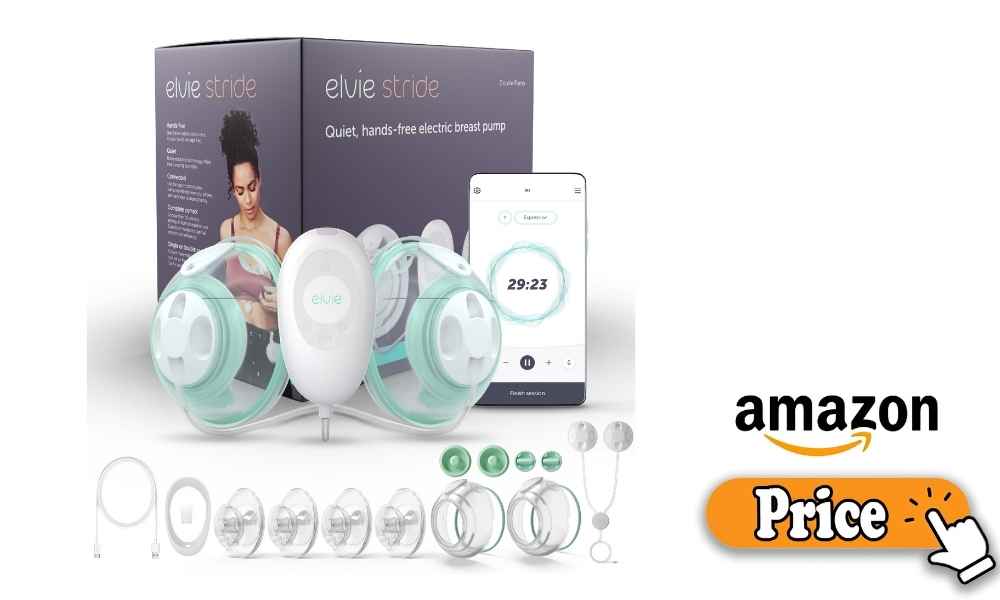
Seeing the numbers on a screen is helpful, but they do not fully capture how heavy those cups feel inside a stretchy nursing bra. The external motor of the Stride changes the weight distribution drastically compared to the heavier all-in-one Go design.
Understanding Motor Placement
The location of the pump motor dictates everything about your daily mobility and comfort levels during long expression sessions. Having a heavy motor tucked directly against your breast tissue can feel incredibly bulky when you are trying to fold laundry or answer emails at your desk.
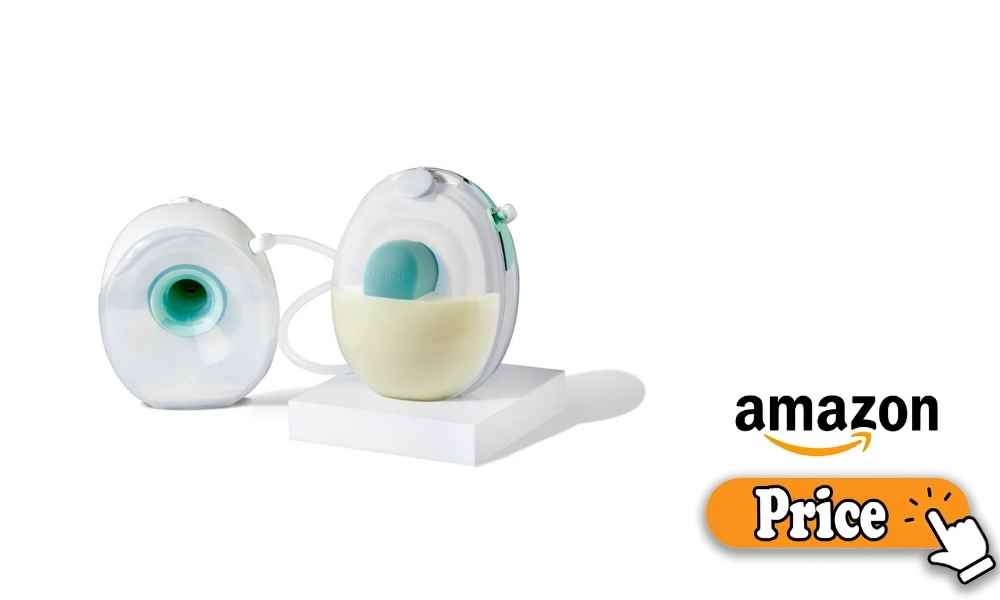
The Stride uses a separate hub that clips to your waistband, keeping the actual cups remarkably light and discreet. Conversely, the Go houses everything inside the cup, entirely eliminating annoying wires but adding significant physical weight to your chest wall.
Daily Comfort Implications
Carrying almost fourteen ounces per breast with the Willow Go requires a highly supportive, structured nursing bra to maintain a proper seal. If you attempt to use a thin sleep bra, the heavy cups will aggressively pull downward, breaking the vacuum and leaking milk everywhere.
I have found that the lightweight Stride cups sit beautifully even in softer bras, making them ideal for tender postpartum tissue that cannot handle tight compression. You must balance your desire for a truly wireless experience against the physical strain placed on your upper back and shoulders.
Unboxing And First-Use Observations
Opening these high-end boxes reveals two very different approaches to modern lactation technology and daily usability. The immediate impression of the component quality will tell you exactly what your late-night washing routine is going to look like.
| Evaluation Area | Elvie Stride | Willow Go |
| Strongest Benefit | Ultra-lightweight cups | Completely wire-free |
| Biggest Drawback | Tubing can snag easily | Very heavy on chest |
| Ideal User | Sensitive breast tissue | High-capacity output |
The initial setup process can feel overwhelming when you are severely sleep-deprived and recovering from birth. The Willow Go feels slightly more intuitive out of the box because you do not have to figure out how to route the long plastic tubing through your clothing.
Flange Sizing And Nipple Fit
If you want to know how to pump without nipple pain, you must start by measuring your exact dimensions before turning on the motor. Proper flange sizing will dictate your overall success, yet both companies only include standard large sizes that simply do not fit most people.
Using a breast shield that is too large pulls in the sensitive areola tissue, leading to severe swelling and restricted milk ducts. You must advocate for your body and ensure you are using the correct millimeter measurement to achieve a pain-free milk expression.
Managing Silicone Inserts
Because the included plastic shields are often too massive, you will likely need to purchase aftermarket silicone cushion inserts to achieve a correct fit. Pushing a soft silicone insert into a rigid plastic flange creates a comfortable, tight barrier that greatly improves let-down stimulation.
These soft inserts require careful placement to ensure they do not block the internal suction hole of the wearable cup. Taking the time to properly align these small silicone pieces before every session is frustrating, but it is entirely mandatory for protecting your delicate tissue.
Suction Power And Motor Efficiency
Many parents wonder why is my pump losing suction after only a few weeks of consistent, heavy daily usage. The answer usually lies in how the motor interacts with the small internal silicone membranes that generate the vacuum against your skin.
| Common Problem | Elvie Stride Solution | Willow Go Solution |
| Weak Let-Down | Check tubing connections | Re-align the internal motor |
| Milk Leaking | Inspect diaphragm seal | Verify container snap |
| Sudden Motor Stop | Recharge the main hub | Clean the connecting sensors |
Both of these devices utilize a robust closed system to prevent milk from entering the delicate motor mechanisms. This sanitary barrier is crucial for hygiene, but it means the motor must work harder to pull air through the thick silicone diaphragms.
Reaching Multiple Let-Downs
You need a device that provides rapid let-down stimulation to trigger your milk ejection reflex quickly and efficiently. Switching into massage mode early helps start the flow, but you need enough motor power to simulate a baby’s rapid initial suckling rhythm.
The Willow Go delivers incredibly strong, deep pulls that closely mimic traditional hospital-grade machinery, which is excellent for stubborn milk ducts. The Stride takes a much gentler approach, offering a smooth, vibrating pull that feels remarkably comfortable but may take longer to trigger a second let-down.
Emptying The Breast Tissue
Once milk flows steadily, you transition to expression mode to drain the deeply stored fatty hindmilk from your lobules. Efficient milk expression requires a relaxed posture and a vacuum rhythm that maintains steady pressure without pinching or aggressively tugging the skin.
Parents with an oversupply might find the standard five-ounce capacity lacking, requiring them to pause mid-session to empty the cups. If you suffer from low supply, maximizing every single drop is vital, meaning you must ensure the motor maintains absolute peak efficiency throughout the entire twenty-minute cycle.
Portability And Battery Realities
The entire appeal of a wearable device rests on its ability to untether you from a wall outlet during your busiest hours. Understanding how these internal batteries degrade over time is essential for anyone relying on these motors for their primary daily milk removal.
| Pumping Environment | Elvie Stride Rating | Willow Go Rating |
| Office Cubicle | Excellent (Very Quiet) | Good (Slightly Bulky) |
| Active Commuting | Good (Tubes May Catch) | Excellent (No Wires) |
| Midnight Sessions | Excellent (Lightweight) | Good (Fewer Parts) |
While both models promise freedom, their physical designs dictate exactly what kind of multitasking you can actually accomplish safely. Bending over to empty the dishwasher will almost certainly cause leaks from the top pour holes of either device, despite the aggressive marketing claims of total mobility.
Surviving The Commute
For mothers pumping while driving, dealing with long plastic tubing can create a massive safety hazard behind the steering wheel. The Willow Go shines in the car because you simply slide the cups into your bra and drive without any external wires getting tangled in your seatbelt.
The Elvie Stride requires you to run the connection tubes down your shirt and clip the control hub to your lap belt. If you forget to secure the hub properly, dropping it on the car floorboard mid-drive will abruptly rip the suction cups right off your chest.
Charging Cable Dependencies
Running dual-phase expression technology requires an immense amount of battery power, leading to frustratingly frequent charging cycles. The Stride hub holds a slightly longer continuous charge, allowing you to survive most of a standard workday without hunting for an electrical outlet.
The Willow Go requires you to charge two completely separate bulky motors simultaneously using a dual-splitter charging cable. If you forget to plug them in overnight, you will be forced to wait by the wall while the batteries gather enough juice for a single expression cycle.
Noise Levels And Discretion
Nobody wants their chest to emit loud, mechanical grinding noises during a quiet morning meeting or a peaceful dinner. Evaluating the true acoustic footprint of these motors is crucial if you plan to pump around coworkers, clients, or sleeping infants.
| Pumping Location | Elvie Stride Rating | Willow Go Rating |
| Open Office Desk | Excellent (Ultra-Quiet) | Good (Slight Motor Hum) |
| Zoom Video Calls | Good (Tubes May Show) | Excellent (Fully Hidden) |
| Quiet Nursery | Excellent (Silent Operation) | Fair (Motor Can Wake Baby) |
The Stride is engineered to be incredibly stealthy, utilizing internal sound-dampening technology inside the external hub to mask the mechanical vibrations. You can easily wear it under a thick sweater and most people sitting directly across from you will never realize you are actively expressing milk.
Managing Office Privacy
The Willow Go motors sit entirely outside your body, meaning the mechanical clicking noise is broadcast directly into the room. While it is significantly quieter than a traditional wall-plug unit, it is definitely not silent enough to hide in a completely dead-quiet office space.
Discretion is not just about sound; it is also about the physical silhouette these plastic cups create under your professional clothing. Both devices will make your chest appear drastically larger, requiring you to wear flowy blouses or thick scarves to disguise the bulky hardware effectively.
The Midnight Nursery Check
When you are pumping in a dark nursery, the last thing you need is a blazing LED screen waking up your sleeping infant. The Willow Go utilizes simple, tactile buttons with very minimal lighting, making it beautifully suited for dark, exhausted midnight operations.
The Stride relies heavily on its smartphone application to change settings smoothly, which means you have to stare at a bright phone screen. Fumbling with an app interface when you are half-asleep and running on empty is a frustrating digital hurdle you must consider.
Part Count And 2 AM Cleaning Friction
If you are navigating the grueling reality of exclusive pumping, you will spend a devastating portion of your life standing over a kitchen sink. The sheer number of tiny, slippery plastic pieces you have to disassemble and scrub directly impacts your daily mental health.
| Cleaning Metric | Elvie Stride | Willow Go |
| Total Parts to Wash | 4 parts per cup | 5 parts per cup |
| Dishwasher Safe | Yes (Top Rack) | Yes (Top Rack) |
| Hardest Part to Clean | Tubing attachments | Duckbill valves |
The Willow Go requires you to wash the container, the flange, the diaphragm, the duckbill, and the motor-connecting gasket after every single use. The Stride has slightly fewer pieces to scrub, but the complex geometry of the collection cup requires specialized tiny brushes to remove all the trapped fat residue.
Washing Duckbill Valves
Knowing the best time to replace duckbill valves is a critical piece of knowledge that prevents sudden, catastrophic drops in your milk output. These tiny silicone flaps stretch out rapidly under the intense heat of hot soapy water and daily friction, losing their tight elastic seal.
You must handle these delicate valves with extreme care during your washing routine to avoid tearing the microscopic silicone edges. Tossing them aggressively into a dishwasher basket will dramatically shorten their lifespan, forcing you to purchase expensive replacements much sooner than anticipated.
Drying Time And Assembly
Moisture is the absolute enemy of a closed-system membrane because any trapped water droplets will completely destroy the suction seal. You must allow every single component to air dry perfectly on a sterile rack before attempting to reassemble the complex plastic housing.
Trying to snap damp parts together at four in the morning usually results in a misaligned gasket and milk leaking down your stomach. The Willow Go parts click together with very satisfying, solid tactile feedback, letting your exhausted brain know that the system is properly sealed.
The Deciding Factor
When comparing the true value of these complex medical devices, you have to look past the initial retail sticker price. You must calculate the hidden recurring costs of mandatory replacement parts, specialized storage bags, and potential hardware failures over a twelve-month pumping journey.
| Value Factor | Elvie Stride | Willow Go |
| Initial Investment | Mid-range pricing | Premium pricing |
| Replacement Parts | Tubing and membranes | Duckbills and diaphragms |
| Long-Term Durability | Good for moderate use | Excellent for daily use |
If you are asking is a wearable pump worth it for exclusive pumping, you must understand that these small motors degrade much faster than traditional units. Relying on either of these devices for eight massive volume sessions a day will eventually burn out the internal mechanics prematurely.
Insurance Upgrade Fees
Many parents can offset the steep out-of-pocket costs by utilizing their health insurance benefits to cover a portion of the retail price. The Stride frequently requires a much smaller upgrade fee through medical suppliers, making it highly accessible for families on a strict postpartum budget.
The Willow Go often demands a significantly higher premium upgrade fee, forcing you to carefully weigh the financial impact against the convenience of wire-free mobility. You are paying a premium tax for the sleek engineering of putting a heavy-duty motor directly inside a small plastic collection cup.
Buying Replacement Parts
Pouring directly into breast milk storage bags from these rigid plastic cups can be incredibly messy if you do not have a perfectly steady hand. You must account for the ongoing cost of these sterile bags, alongside the mandatory monthly purchases of fresh silicone valves and internal diaphragms.
Finding replacement parts for both brands is relatively easy online, but they are undeniably expensive compared to standard pump accessories. If you delay replacing your worn-out membranes to save money, your milk supply will suffer a devastating drop due to the compromised vacuum strength.
Who Should Choose Elvie Stride?
The Elvie Stride is an absolutely brilliant piece of machinery for the parent who prioritizes lightweight comfort above raw mechanical power. It provides an incredibly gentle, whisper-quiet experience that respects delicate postpartum tissue while offering fantastic mobility through its clever external hub design.
If your daily routine involves sitting at a desk, soothing a baby in a quiet room, or moving gently around the house, this unit excels beautifully. The lower price point and lighter footprint make it a highly accessible, deeply comfortable option for maintaining a healthy milk supply under normal conditions.
- Parents who have very elastic, sensitive nipples that require a gentle suction profile to avoid tissue damage.
- Office workers who demand the absolute quietest motor available to maintain extreme discretion during professional meetings.
- Mothers who wear soft, unstructured nursing bras and cannot tolerate fourteen ounces of heavy plastic resting on their chest.
If you match these specific lifestyle parameters, the Stride will seamlessly integrate into your daily routine without causing unnecessary physical strain. Just remember to secure the external hub firmly to your waistband before attempting to navigate your busy household.
Who Should Choose Willow Go?
The Willow Go is an absolute powerhouse designed for the parent who demands robust, hospital-grade suction inside a completely wire-free silhouette. It sacrifices lightweight discretion to deliver an incredibly strong, deep mechanical pull that aggressively empties stubborn milk ducts efficiently.
If your daily life involves chaotic car commutes, chaotic toddler chasing, or environments where dangling tubes are a severe liability, this design is flawless. The massive motor strength and lack of external wires make it a heavy-duty workhorse for parents who need rapid, reliable milk removal on the go.
- Commuters who need to slide a pump into their bra behind the steering wheel without tangling any external plastic tubing.
- High-capacity producers who require strong, consistent vacuum pressure to fully drain heavy, engorged breast tissue quickly.
- Parents who prefer the simplicity of an all-in-one housing unit and do not mind wearing a highly structured, supportive bra.
If you need strong performance and absolute wire-free freedom, the heavy weight of the Willow Go is a completely worthwhile compromise. You will appreciate the sturdy build quality and the sheer mechanical force it brings to your daily milk removal routine.
Who Should Skip Both?
Despite the incredible marketing campaigns, wearable devices are simply not the correct medical tool for every single lactating parent. If you are struggling with severe milk supply issues in the early weeks postpartum, relying solely on a wearable motor can actually sabotage your journey.
These small batteries and complex silicone pathways simply cannot mimic the deep, restorative pull of a massive, plug-in hospital-grade machine. If you are attempting to establish a brand-new milk supply for a premature infant, you need raw, unrestricted wall power, not a tiny battery-operated convenience device.
- Parents who are trying to induce lactation or rebuild a severely depleted milk supply from scratch.
- Mothers who experience intense, sharp pain with any suction over 150 mmHg and need extremely granular, micro-adjustable vacuum settings.
- Individuals with very limited budgets who cannot afford the mandatory monthly expenses of proprietary silicone replacement parts.
If you fall into these categories, investing in a traditional, heavy-duty wall pump is a much safer bet for your long-term lactating success. You can always purchase a wearable device later once your milk volume has firmly regulated and your tissue has healed completely.
Conclusion
Choosing between these two incredible pieces of engineering ultimately comes down to prioritizing your personal physical comfort against your daily mobility requirements. There is no universally perfect device; there is only the machine that causes the least amount of friction in your specific, exhausting daily routine.
Honor your body, measure your flanges meticulously, and do not be afraid to switch devices if your current setup is causing you pain. Your mental health and physical comfort are just as important as the milk you are working so incredibly hard to provide for your baby.