
Eufy S1 Vs S2: Which Wearable Pump Is Better?
When you are staring down the eufy s1 vs s2 debate at three in the morning with leaking breasts, you need straight answers, not marketing fluff. I have spent countless hours testing both of these wearable pumps while balancing a chaotic morning commute and a hungry baby. Navigating the world of hands-free pumping requires a critical eye on motor reliability, battery drain, and daily comfort.
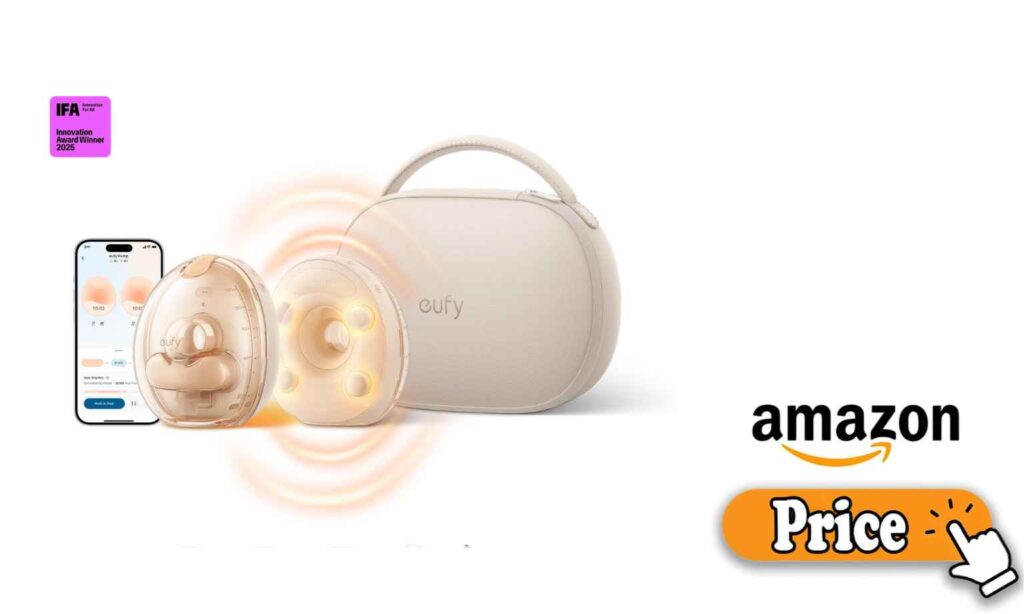
Finding the right wearable can mean the difference between a successful exclusive pumping journey and a frustrating struggle with dropping milk supply. Let us break down exactly what changed between these two generations to see if the newer model actually deserves your hard-earned money. I will share my honest experiences dealing with their silicone parts, suction curves, and everyday maintenance.
Here is a quick look at how their baseline hardware compares before we dive deep into the daily realities of using them.
Generational Spec Improvements
Comparing technical specifications side by side reveals where the manufacturer actually invested their research and development budget. A quick glance helps you see if the motor has been fundamentally upgraded or just repackaged for a new season.
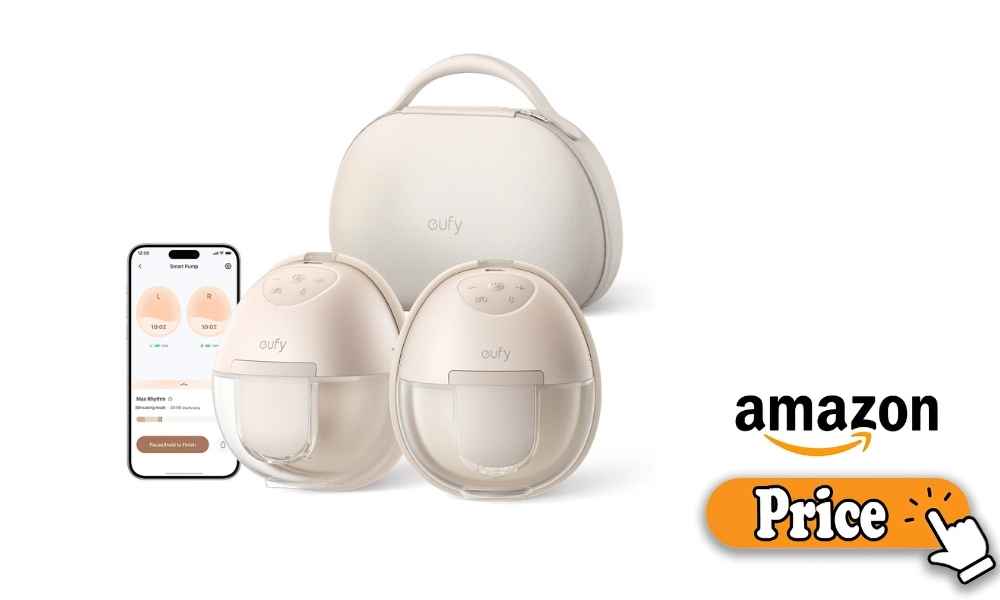
| Feature Category | Eufy S1 Wearable | Eufy S2 Wearable |
| Suction Strength | Up to 280 mmHg | Up to 300 mmHg |
| Heating Element | Built-in OptiTherm | Refined targeted heat |
| Motor Weight | Slightly bulkier | 15% lighter profile |
Seeing the numbers on paper is one thing, but feeling that suction difference during a midnight session is another entirely. The raw specs only tell half the story when it comes to effective and painless milk removal.
The first generation introduced incredible innovation with its integrated heating, but it came with a noticeable weight penalty. In my testing, the newer iteration trimmed down the housing without sacrificing that essential core functionality. This slight reduction in bulk makes a massive difference when you are wearing it for two hours every single day.
Understanding how these physical changes impact your body requires a closer look at the actual expression mechanics and how they handle sensitive tissue.
Evaluating The Suction Power Upgrades
When evaluating suction levels (mmHg), more power does not automatically equal more milk output. In fact, cranking a pump to its highest setting is a guaranteed way to cause severe tissue damage and restricted milk ducts. The newer model features a slightly smoother transition between suction levels, which is crucial for sensitive nipples.
I noticed that the older version sometimes felt a bit abrupt when switching from massage mode to expression mode. The upgraded firmware seems to handle this transition with a softer, more gradual curve that mimics a baby. This gentle escalation helps prevent the sharp pinching sensation that so many first-time pumpers dread experiencing.
We also need to consider how the physical weight of the device impacts the suction seal against your chest over time.
Weight And Profile Adjustments
A heavy wearable pump will eventually drag down your nursing bra, breaking the suction seal and causing frustrating leaks. The initial version struggled slightly with this top-heavy design, especially for parents with lower breast volume or softer tissue elasticity. By shaving off just a few ounces, the updated model sits much more flush against the body.
This improved center of gravity means you can actually bend over to pick up a dropped pacifier without immediate spillage. While neither pump is completely invisible under a tight shirt, the streamlined profile of the second generation is definitely more discreet. It is a welcome change for anyone returning to a busy office environment where privacy is highly limited.
Let us transition into the core functionality of the motors to see if the internal mechanics can keep up with the sleeker design.
Has The Motor Mechanics Genuinely Changed?
The heart of any breast pump is its motor, dictating how well it empties the breast and maintains a steady milk supply. A weak motor will leave milk behind, quickly signaling your body to produce less over time, which is a disaster for exclusive pumpers.
| Motor Metric | Eufy S1 Performance | Eufy S2 Performance |
| Rhythm Cycle | Standard dual-phase | Adaptive variable rhythm |
| Noise Level | Noticeable hum | Muffled, discreet tone |
| Vibration | Moderate feedback | Gentle micro-vibrations |
Testing these motors back-to-back revealed that the manufacturer did more than just slap a new label on the shiny box. The sound profile alone is a massive improvement, saving you from feeling like a walking construction site during a quiet meeting.
When you rely on a pump for multiple sessions a day, the motor’s consistency is your absolute lifeline. The original model sometimes showed a slight drop in vacuum strength as the battery drained below twenty percent. The upgraded version maintains its maximum pull right up until the battery completely dies, which is incredibly reassuring during a long commute.
Let us look at how these mechanical changes directly influence your initial milk release and overall session speed.
Understanding The Let-Down Stimulation Tech
A fast and effective let-down stimulation phase is the secret to a shorter, more productive pumping session. The gentle warmth provided by the integrated heating element dramatically reduces the time it takes for my milk to start flowing. The newer model pairs this heat with a slightly faster vibration pattern that mimics a hungry, eager infant beautifully.
Many new parents ask how to pump without nipple pain, and the answer always starts with a proper, gentle stimulation phase. If your pump pulls too hard before the milk ducts have naturally dilated, you are going to experience intense friction and swelling. Both of these devices handle this delicately, but the upgraded rhythm feels remarkably more natural and significantly less mechanical.
Next, we have to address how these differing motors handle varying levels of milk production throughout your postpartum journey.
Managing Oversupply And Low Supply
If you are dealing with an oversupply, you need a pump that can handle a fast flow without backing up into the air tubes. The true closed system on both of these models prevents milk from reaching the delicate motor, which is a massive relief. However, the slightly larger collection cup capacity on the second generation is an absolute lifesaver for heavy producers.
Conversely, if you are struggling with low supply, the consistent, rhythmic heat of the original model is still fantastic for encouraging every last drop. The newer model’s adaptive suction seems to adapt better to the changing elasticity of the breast as it slowly empties. This means you do not have to constantly fiddle with the buttons mid-session to maintain optimal, comfortable output.
Moving beyond the motor, the actual plastic and silicone parts you interact with daily require very careful scrutiny and evaluation.
Structural Redesigns Of Flanges And Collection Cups
The plastic and silicone components of your pump dictate your physical comfort and the ease of your midnight cleanup routine. Poorly designed collection cups will leak all over your lap the second you lean forward to grab a baby wipe.
| Component | First Generation | Second Generation |
| Cup Material | Standard Tritan | Frosted, scratch-resistant |
| Pour Spout | Small opening | Widened, guided channel |
| Assembly | 5 pieces per cup | 4 pieces per cup |
Reducing the part count by even a single piece per cup saves precious minutes during a midnight washing session at the sink. That slightly widened pour spout also dramatically reduces the intense anxiety of transferring liquid gold into narrow storage bags.
The original collection cups were highly functional but tended to get cloudy and scratched after a few months of heavy sterilization. The newer frosted plastic feels much more durable and seems to resist that hazy buildup from boiling water and microwave steam bags. It is a minor aesthetic upgrade that translates to a much longer, cleaner lifespan for the essential parts.
We must also discuss how these rigid cups actually fit against your sensitive, changing breast tissue.
Flange Sizing And Silicone Inserts
Proper flange sizing is absolutely non-negotiable if you want to avoid clogged ducts, mastitis, and severe tissue damage. Both generations utilize soft silicone inserts that rest comfortably against the skin, rather than relying on rigid, unforgiving hard plastic. This flexibility allows the tunnel to expand and contract naturally with your tissue during the intense suction cycle.
I always advise parents to measure their nipples before ordering, as the standard twenty-four millimeter flange is almost always too large. Thankfully, both models offer a generous range of sizing inserts to help you find a precise, highly comfortable fit. The newer silicone feels slightly softer and stickier, creating a much better, leak-resistant vacuum seal against the breast.
Once the milk is safely secured in the cup, getting it out without a disaster is the next major hurdle you face.
Pouring Mechanics And Spillage Risks
There is no heartbreak quite like spilling freshly pumped breast milk on the kitchen counter because of a faulty, narrow pour spout. The original model required a very slow, steady hand to pour milk into breast milk storage bags without dripping down the sides. The redesigned spout on the upgrade channels the milk much more aggressively, allowing for a faster, remarkably cleaner pour.
I tested this repeatedly while deeply sleep-deprived, and the newer design is significantly more forgiving if you tilt it too quickly. It is these small, daily usability tweaks that separate a decent wearable pump from a truly great, reliable one. You stop dreading the messy decanting process and can get back to soothing your crying baby much faster.
Of course, none of this matters if the pump battery dies while you are stuck in rush hour traffic.
Real-World Battery Lifespan Improvements
Battery anxiety is a very real phenomenon for anyone who relies on a portable pump during a long, unpredictable workday. You need a reliable device that can survive multiple sessions without constantly forcing you to search for an available wall outlet.
| Battery Metric | Eufy S1 Battery | Eufy S2 Battery |
| Total Sessions | roughly 4 sessions | roughly 5-6 sessions |
| Charge Time | 2.5 hours to full | 1.5 hours fast charge |
| Port Type | USB-C standard | USB-C with dust cover |
Gaining an extra session or two per single charge completely changes how you pack your work bag in the early morning. That rapid charging feature has safely bailed me out multiple times when I completely forgot to plug the motors in overnight.
The inclusion of a small rubber dust cover over the charging port on the newer model is a brilliant, necessary touch. I have ruined pump motors in the past by accidentally getting water in the exposed charging ports during a hasty kitchen wash. This tiny silicone flap provides massive peace of mind when you are tossing the expensive hubs onto a wet drying rack.
Let us dive deeper into the daily practicalities of keeping these heavy-duty devices fully powered up.
Charging Port Accessibility
Having a standard USB-C connection means you can charge these pumps in your car, at your desk, or with a portable power bank. The original model’s port was located awkwardly on the bottom, meaning the heavy hub had to lay flat while charging. The revised placement on the side of the newer hub allows it to stand safely upright, taking up far less counter space.
This simple geometry change makes a surprisingly big difference on a crowded nightstand surrounded by dirty bottles and wet wipes. I found myself much more likely to keep the newer model consistently topped up because it was physically less annoying to plug in. When you are operating on barely two hours of sleep, minimizing any hardware friction is the ultimate name of the game.
For those who rely on a pump for all their baby’s milk, battery endurance is the ultimate daily stress test.
Powering Through Exclusive Pumping
Many parents desperately ask me, is a wearable pump worth it for exclusive pumping, and the answer depends entirely on battery life and motor durability. If you are logging eight grueling sessions a day, a weak battery will leave you chained to a wall, defeating the purpose of a wearable entirely. The upgraded model handles this heavy rotation with incredible grace, rarely requiring a midday recharge if you start the morning full.
I pushed both of these models to their absolute limits during a rigorous week of exclusive pumping endurance testing. The older model started to show battery degradation much faster, dropping a full session’s worth of capacity after just a few months. The newer lithium-ion cell seems much more resilient to the constant drain and rapid recharge cycles of an exclusive pumping lifestyle.
Replacing worn-out internal parts is another massive, often hidden part of the exclusive pumping journey.
Backward Compatibility Of Valves, Membranes, And Tubing
When you upgrade to a new pump, finding out that your expensive stockpile of spare parts is now useless is incredibly frustrating. Understanding exactly which silicone components degrade and when you need to replace them is vital for maintaining your hard-earned milk supply.
| Replacement Part | Wear Sign | Frequency of Swap |
| Duckbill Valves | Frayed edges, gaps | Every 3-4 weeks |
| Silicone Membranes | Stretched, warped | Every 2 months |
| Flange Inserts | Cloudiness, tears | Every 3 months |
Thankfully, many of the internal silicone components between these two specific generations are remarkably and conveniently similar. Being able to successfully use your leftover duckbill valves on the new cups saves a significant amount of money over a calendar year.
However, I noticed that the newer membranes have a slightly thicker rim, which provides a much tighter, more secure seal. Using the older membranes on the new cups occasionally resulted in a slight loss of vacuum during heavy physical movement. It is always best to use the manufacturer-recommended parts to ensure the motor does not dangerously overwork itself.
Knowing how to visually spot failing parts can literally save your entire pumping journey from collapsing.
When To Replace Duckbill Valves
One of the most common panic questions I get is why is my pump losing suction, and the hidden culprit is almost always the duckbill valves. These tiny pieces of silicone forcefully open and close thousands of times per session, and the delicate edges eventually lose their snap. When you are looking at the best time to replace duckbill valves, you should closely inspect them for any microscopic light gaps.
If the lips of the valve do not sit perfectly flush when resting on the counter, it is time to throw them in the trash. I found that the valves on the newer model are made from a slightly denser silicone that seems to last about a full week longer. This extended durability is a massive win for exhausted parents who hate constantly reordering spare parts online every single month.
These specialized valves are also crucially responsible for keeping your milk safe from dangerous bacterial contamination.
Maintaining A True Closed System
A closed system breast pump uses a physical silicone barrier to prevent microscopic milk particles from backing up into the mechanical motor housing. Both of these Eufy models utilize a robust silicone diaphragm that snaps very securely onto the plastic collection cup. I have never experienced any milk backing up into the tubing or the hub on either generation, which speaks highly to their solid engineering.
Washing these delicate diaphragms requires care; if you scrub them too hard with a stiff brush, you can quickly create microscopic tears. A torn diaphragm compromises the suction entirely and puts your expensive motor at severe risk of catastrophic moisture damage. I strongly recommend gently washing them with warm soapy water and your bare fingers, completely avoiding abrasive bottle brushes altogether.
With all these highly technical details in mind, we have to look closely at the stark financial realities.
Is The Price Difference Justified For New Parents?
Pumping gear is a major financial investment, and blindly upgrading to the newest shiny model is not always strictly necessary for everyone. You have to carefully weigh the daily conveniences of the upgraded model against the very real impact on your tight family budget.
| Financial Factor | Eufy S1 Reality | Eufy S2 Reality |
| Upfront Cost | Frequently discounted | Premium launch price |
| Part Replacement | Highly accessible | Slightly more expensive |
| Resale Value | Moderate demand | High secondary market |
If you are purchasing entirely out of pocket, the heavily discounted price of the older generation is incredibly tempting right now. It still proudly delivers fantastic heat and reliable suction, making it a very solid budget-friendly option for occasional, casual users.
However, if you are strictly relying on this device for the vast bulk of your milk expression, the quality-of-life upgrades are worth the premium. The precious time saved from fewer leaks, faster charging, and easier pouring easily justifies the higher initial price tag over a year of use. It is a genuine investment in your mental health and physical comfort as much as it is an investment in feeding your baby.
Let us break down exactly how health insurance plays into this complex financial decision.
Out-Of-Pocket Costs Vs Insurance Value
Navigating health insurance coverage for wearable breast pumps is often a dark nightmare of upgrade fees and hidden out-of-pocket costs. The older generation is sometimes fully covered or requires a very minimal upgrade fee through major medical equipment suppliers. This makes it an absolute steal for a first-time parent looking to cautiously try a wearable without a massive financial risk.
The newer iteration typically commands a substantial upgrade fee, which can be tough to swallow when you are also buying cribs and car seats. I always tell parents to check their HSA or FSA accounts, as these tax-advantaged funds can usually cover the painful difference. If your insurance freely covers a traditional plug-in pump, buying the upgraded wearable out-of-pocket as a secondary device is a highly popular strategy.
You must also realistically factor in the ongoing, hidden costs of keeping the pump completely operational.
Long-Term Maintenance Expenses
The upfront price tag is only the very beginning; replacing delicate silicone components every few weeks adds up surprisingly fast. Because the newer model utilizes slightly thicker, more durable silicone for its valves and membranes, you actually buy costly replacements less frequently. Over a twelve-month pumping journey, these compound savings significantly close the painful gap between the two initial price points.
I also heavily factor in the emotional cost of breast milk storage bags and ruined work shirts from unexpected, disastrous leaks. The redesigned pour spout on the newer cups has saved me countless ounces of spilled milk, which feels absolutely priceless when you are struggling with low supply. When you do the brutal math on a cost-per-use basis, the newer generation ends up being quite economically sound.
Let us finalize the decision by looking closely at who specifically benefits from each device.
Upgrade Value Assessment
Choosing between these two specific models essentially comes down to identifying your primary pain points as a tired pumping parent. If you are overwhelmed by the choices, looking at how the specific features align with your daily chaos brings instant clarity.
| Pumping Scenario | The Eufy S1 | The Eufy S2 |
| Exclusive Pumping | Good backup option | Top-tier primary choice |
| Office Commuting | Slightly too bulky | Highly discreet profile |
| Budget Shoppers | Excellent value | Expensive upfront |
To make this as abundantly clear as possible, I have broken down exactly who should buy which model based on real-world use cases. It is not about which pump is objectively superior; it is purely about which pump solves your specific, urgent daily frustrations.
- Choose the older generation if you are on a strict budget and deeply want premium heating features without paying the premium price tag.
- Choose the older generation if you only plan to realistically use a wearable pump occasionally while running light errands or doing basic chores.
- Upgrade to the newer model if you are an exclusive pumper who desperately needs maximum battery life and highly durable replacement parts.
- Upgrade to the newer model if you have a very fast let-down and need a larger cup capacity paired with a truly leak-proof pouring spout.
- Skip both entirely if you require the absolute raw suction power of a heavy hospital-grade rental to initiate your milk supply in the critical first week.
Both of these devices represent a massive leap forward in maternal technology, but your unique lifestyle will easily dictate the true winner.
Conclusion
Surviving the difficult postpartum period requires functional tools that actually support your goals rather than adding to your daily frustrations. In the battle of the eufy s1 vs s2, the manufacturer has proven that they actually listen to the complaints of exhausted, overwhelmed parents. The original model broke entirely new ground by seamlessly integrating soothing heat into a truly portable format, forever changing the landscape of hands-free pumping.
However, the subtle, brilliant refinements found in the second generation elevate it from a good piece of tech to an absolute essential daily companion. The vastly improved pouring mechanics, the extended battery life, and the slimmer profile perfectly address the exact friction points that make pumping so miserable. If your stressed budget allows for the upgrade, the newer model will undoubtedly save you time, spilled milk, and a highly significant amount of sanity.