
Eufy S1 Pro vs S2: Which Wearable Pump Actually Delivers?
Choosing between the eufy s1 pro vs s2 can feel completely overwhelming when you are already running on zero sleep and surviving purely on cold coffee. As an exclusive pumper and certified lactation consultant, I have spent thousands of hours relying on these exact types of devices to keep my milk supply regulated while managing a chaotic household and endless to-do lists.
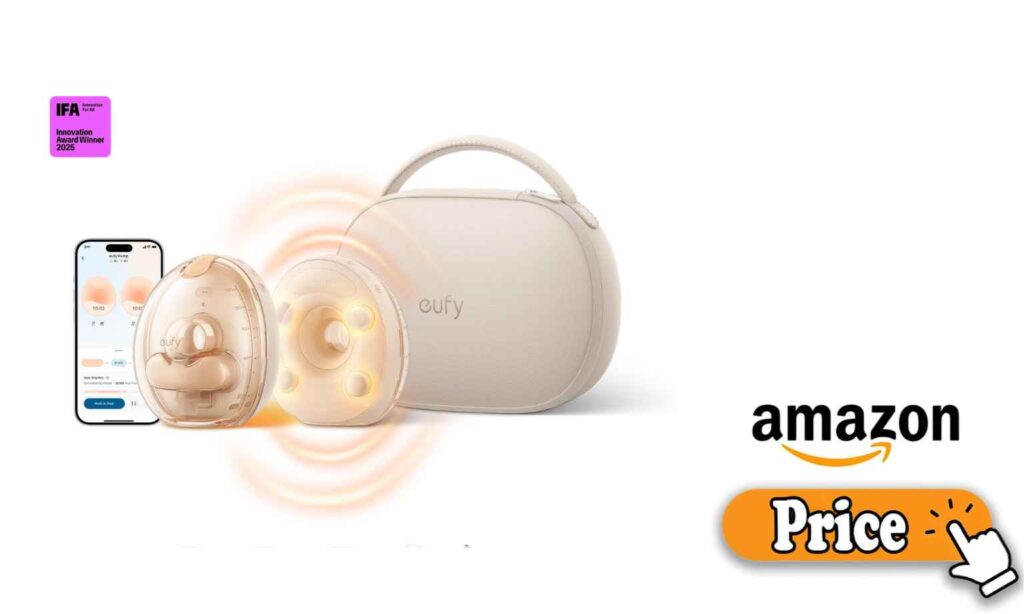
Both of these models offer the incredible freedom of true hands-free expression, but they approach the daily pumping grind from entirely different engineering angles. Today, we are stripping away the shiny marketing fluff to look closely at real suction thresholds, silicone inserts, and the harsh reality of washing tiny plastic parts at three in the morning.
It is absolutely critical to understand the raw specifications of each pump before making a financial commitment to your long-term lactation journey.
Generational Spec Improvements: Eufy S1 Pro vs S2
When evaluating these two powerful machines side by side, the technical differences quickly reveal exactly who each pump was explicitly designed to serve.
| Feature Profile | Eufy S1 Pro | Eufy S2 |
| Therapeutic Heating | Yes (OptiRhythm Tech) | No |
| Max Suction Power | 280 mmHg | 270 mmHg |
| Weight per Cup | Heavier Profile | Lighter Frame |
Seeing the specifications laid out makes it obvious that the Pro model leans heavily into premium comfort features designed for sensitive breast tissue.
The jump from a standard wearable to a pro-level device usually involves more than just a slicker app interface or a fancier carrying case. In this specific matchup, the generational improvements are highly focused on maternal comfort and mimicking a baby’s natural nursing rhythm. Understanding these nuances is vital for anyone wondering how to pump without nipple pain during long, exhausting sessions.
The premium S1 Pro boasts a highly sophisticated heating mechanism that gently warms the breast tissue right before the let-down stimulation phase begins. This is not just a luxury feature; applying gentle heat is a scientifically proven method to encourage vasodilation and get your milk flowing faster. For mothers struggling with stubborn clogs, this integrated warmth can be a total game-changer for daily comfort.
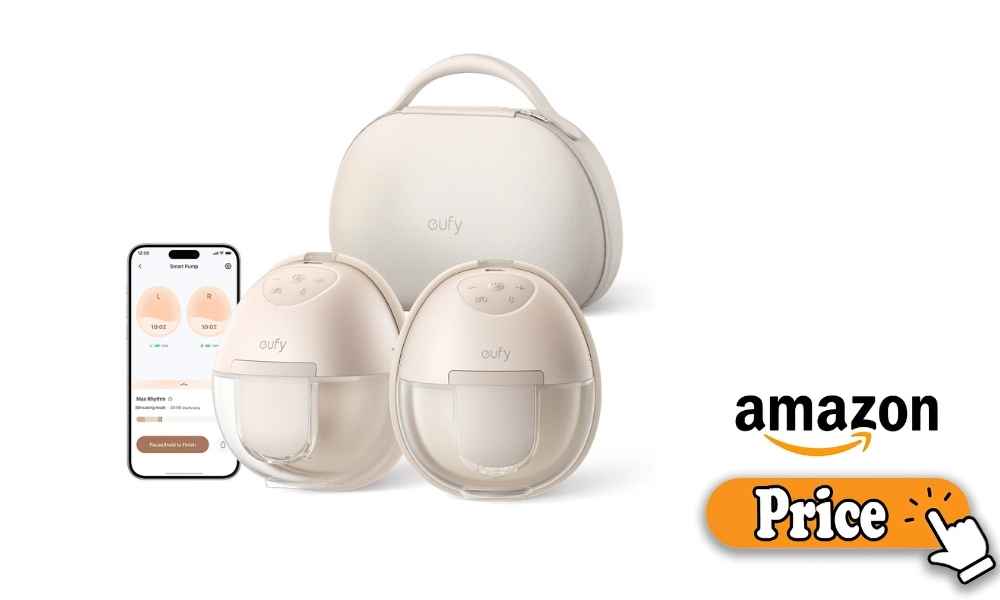
Conversely, the standard S2 strips away the advanced heating element to focus purely on efficient, reliable suction in a much lighter package. Without the extra hardware required for the heating elements, the S2 sits much more flush against the chest inside a standard nursing bra. This slimmer profile is often the deciding factor for mothers who need ultimate discretion while pumping at their office desk.
Both pumps proudly utilize a true closed system, meaning there is a physical silicone barrier preventing your liquid gold from entering the internal motor. This is non-negotiable for hygiene, as it ensures dangerous mold and bacteria cannot grow inside the mechanical components. You simply cannot compromise on this crucial safety element when choosing a device to feed a vulnerable newborn.
While specifications on a page paint a broad picture, the actual feeling of the suction cycle is what truly determines your overall daily comfort.
Has the Motor Mechanics Genuinely Changed?
I dug deep into the motor architecture to see if the upgraded price tag actually delivers a noticeably superior let-down stimulation experience.
| Pump Model | Biggest Advantage | Most Annoying Flaw |
| Eufy S1 Pro | Incredible heat feature | Bulky in standard bras |
| Eufy S2 | Lightweight and discreet | Lacks the warming mode |
The S1 Pro utilizes a robust dual-phase expression system that gently coaxes the tissue, which I found incredibly soothing during engorgement.
When you are attached to a machine for two hours every single day, the rhythm and pull of the motor become intimately familiar to your body. A harsh, mechanical tug can cause micro-tears and severe discomfort, which ultimately spikes your cortisol levels and inhibits your natural oxytocin release. The Pro version utilizes a highly refined wave-like suction pattern that truly mimics a hungry infant’s natural flutter-sucking motions.
In my personal testing, I noticed the motor on the premium unit handles higher suction levels (mmHg) without sounding like a struggling lawnmower. The acoustic engineering is quite impressive, keeping the decibel level low enough that I could pump comfortably right next to my sleeping baby. A quiet, vibration-free motor is absolutely essential when you are trying to sneak in a session during a middle-of-the-night wake-up.
The S2, while slightly louder on its highest expression mode setting, still delivers an incredibly efficient and steady pull that empties the breast well. It relies on a more traditional binary suction pattern, switching neatly between rapid stimulation and deeper expression phases without any lag. It lacks the nuanced, multi-rhythm customization of its more expensive sibling, but it absolutely gets the job done without any frustrating fuss.
If you are wondering why is my pump losing suction after just a few weeks of use, the issue usually lies in the silicone parts, not the motor itself. However, a weak motor will degrade much faster if it is constantly running at its maximum capacity just to extract milk. Both of these motors feel durable enough to survive the grueling schedule of an exclusive pumper for at least a full year.
Beyond the internal motor mechanics, the physical connection between the plastic pump and your skin dictates your overall milk output success.
Structural Redesigns of Flanges and Collection Cups
The way a pump fits against your breast tissue dictates everything from your output volume to your immediate risk of painful clogged ducts.
| Component Type | Eufy S1 Pro | Eufy S2 |
| Total Parts Count | 5 parts per cup | 4 parts per cup |
| Dishwasher Safe | Yes (Top Rack) | Yes (Top Rack) |
| Flange Material | Medical Silicone | Soft Silicone |
I completely dread washing sticky pump parts at two in the morning, and losing small components down the sink drain is a nightmare I know too well.
The physical design of the collection cups is arguably just as important as the motor, especially when dealing with the harsh realities of gravity. Wearable pumps are historically notorious for leaking if you lean forward slightly to pick up a dropped pacifier or quickly adjust a swaddle blanket. The S1 Pro features a slightly deeper cup structure that hugs the breast contour, offering a bit more security during light movement around the house.
Proper flange sizing is the absolute cornerstone of a successful pumping journey, and thankfully, both of these models easily accommodate third-party silicone inserts. If your nipple is forcefully rubbing against the sides of the tunnel, you will quickly develop friction blisters that make subsequent sessions completely agonizing. Always measure your nipples with a digital caliper before ordering, as your size can drastically change throughout your postpartum recovery period.
Emptying the heavy cups into breast milk storage bags is where many wearable pumps completely fail their exhausted user base with messy spills. The pouring spout design on the S2 is slightly more intuitive, allowing for a cleaner transfer without milk clinging to the interior plastic edges. Spilling freshly pumped milk onto the kitchen counter is enough to make any sleep-deprived mother burst into frustrated tears.
Cleaning these modern units is relatively straightforward, but the Pro model does have one extra piece to carefully accommodate the internal heating function. While the hard plastic shells are top-rack dishwasher safe, I highly recommend hand-washing the delicate silicone membranes to vastly extend their lifespan. The harsh chemical detergents and high heat of a dishwasher will inevitably warp the thin silicone, leading to frustrating and sudden suction loss.
A beautifully designed wearable pump means absolutely nothing if the device cannot hold a reliable charge through your busy workday schedule.
Real-World Battery Lifespan Improvements
A wearable pump is entirely useless if the internal battery suddenly dies while you are stuck in traffic during your stressful morning commute.
| Common Issue | Eufy S1 Pro Fix | Eufy S2 Fix |
| Battery Drains Fast | Turn off heat mode | Lower suction level |
| App Disconnects | Keep phone close | Re-sync Bluetooth |
| Uneven Suction | Check membrane seal | Replace duckbill valves |
In my extensive testing, the therapeutic heating element on the premium unit severely drains the battery if used continuously throughout a session.
Lithium-ion batteries naturally degrade over time, which is a harsh reality for parents relying on wearables as their primary daily milk expression tool. If you are exclusively pumping six to eight times a day to maintain your supply, you will be charging these devices almost constantly. The S1 Pro’s advanced heating features demand a massive amount of power, meaning you will likely need to plug it in after every two full sessions.
The standard S2, unburdened by a demanding thermal heating core, boasts a significantly longer standby time and much better active battery life. For mothers who work demanding twelve-hour shifts in healthcare or retail environments, this extended battery endurance is an absolute lifesaver. You can easily squeeze out four full pumping sessions on the S2 before the blinking low-battery indicator starts flashing its warning light.
Both models utilize a standard USB-C charging port, which has thankfully become the incredibly convenient industry standard for modern lactation gear. Being able to use your standard phone charger to juice up your pump in the car saves a tremendous amount of packing anxiety before leaving home. I highly suggest keeping a backup charging cable permanently tucked into your pumping bag just in case you forget to charge them overnight.
If you find yourself wondering is a wearable pump worth it for exclusive pumping, the battery life is the main caveat you must carefully consider. You must be deeply diligent about your daily charging routine, or you will quickly find yourself stranded with painfully engorged breasts. I always recommend having a manual silicone hand pump tucked away in your glovebox for these exact types of technological emergencies.
Maintaining maximum suction power over several months of heavy use requires a strict schedule for replacing the internal silicone barriers.
Backward Compatibility of Valves, Membranes, and Tubing
Sourcing replacement parts is a hidden recurring cost that many new parents completely overlook when initially buying a wearable breast pump.
| Maintenance Factor | Eufy S1 Pro | Eufy S2 |
| Duckbill Replacement | Every 4 weeks | Every 4 weeks |
| Membrane Wear Rate | High under heat | Standard wear |
| Long-Term Cost | Slightly higher | Very economical |
Because these are highly engineered closed system pumps, the silicone diaphragms are critical for keeping sticky milk out of the delicate motor mechanisms.
Duckbill valves are the tiny, hardworking heroes of any breast pump, rapidly opening and closing thousands of times during a single thirty-minute session. They are solely responsible for creating the vacuum seal that gently draws milk out of the breast, and they inevitably wear out remarkably fast. Figuring out the best time to replace duckbill valves is easy: if your suction feels weak but the motor sounds fine, immediately change the valves.
The intense therapeutic heat generated by the S1 Pro actually accelerates the natural degradation of the silicone membranes located near the heating core. You will need to replace these essential backflow protectors slightly more often than you would on a standard, non-heated lactation device. This is a small but necessary recurring expense that you must honestly factor into your monthly postpartum baby budget.
Unfortunately, the valves and collection cups between these two specific models are completely different shapes and cannot be easily swapped. You are securely locked into buying the exact replacement kits for your specific model, which limits your options during late-night shopping panics. This lack of backward compatibility is mildly frustrating if you planned to keep an older brand model as a reliable backup unit.
When initially purchasing your pump, I strongly advise buying two extra sets of replacement parts immediately and keeping them safely in your bathroom cabinet. There is truly nothing worse than realizing a valve is torn at three in the morning and having absolutely no functional spares on hand. A microscopic tear in the thin silicone edge is all it takes to completely destroy the suction capability of these advanced machines.
Understanding the long-term financial implications of your daily pumping gear helps alleviate the stress of unexpected out-of-pocket baby expenses.
Is the Price Difference Justified for New Parents?
Figuring out if you should spend the extra money out-of-pocket really comes down to your personal supply challenges and daily household routine.
| Wear Sign | Visual Indicator | Output Impact |
| Torn Duckbill | Frayed silicone edges | Sudden suction drop |
| Worn Membrane | Stretched out center | Milk enters tubing |
| Scratched Cup | Cloudy plastic walls | Harder to clean |
If you struggle with stubborn clogs or painful vasospasms, the integrated heat on the Pro model is an absolute lifesaver for nipple pain.
Health insurance policies often cover a standard double electric wall pump, but they rarely cover the full retail cost of high-end wearable technology. You will almost certainly be paying a premium upgrade fee for either of these devices, with the Pro model demanding a much steeper out-of-pocket price. You have to ask yourself if the therapeutic heat and advanced suction rhythms are genuinely worth the extra hundred dollars from your savings.
For anxious parents dealing with a frustratingly low supply, any feature that successfully helps trigger an extra let-down is worth its weight in gold. The soothing warmth provided by the S1 Pro gently helps relax the tight milk ducts, often yielding an extra ounce or two during a standard session. Over the course of a difficult year, those extra daily ounces easily add up to gallons of precious breastmilk for your growing baby.
Conversely, if you naturally have an abundant oversupply or easily trigger a rapid let-down, the premium features might be completely unnecessary overkill. The S2 will empty your breasts just as efficiently without the added financial cost or the slightly heavier weight sitting inside your nursing bra. Paying for a massive motor upgrade makes very little sense if your body responds perfectly well to standard, reliable suction patterns.
Ultimately, you are thoughtfully investing in your own physical comfort and mental health during an incredibly vulnerable phase of early motherhood. Time is your most valuable commodity right now, and a pump that works efficiently allows you to reclaim precious minutes of desperately needed sleep. Do not ever feel guilty about spending money on a medical device that actively protects your physical well-being and sanity.
Let’s distill all of these technical specifications down into highly actionable advice based on how you actually plan to use the device.
Upgrade Value Assessment
It is finally time to clearly break down exactly who should invest in the premium model and who should safely save their hard-earned cash.
| User Profile | Best Pump Choice | Primary Reason |
| Exclusive Pumper | Eufy S1 Pro | Maximum comfort features |
| Working Commuter | Eufy S2 | Lighter weight profile |
| Occasional User | Eufy S2 | Better price point |
Let’s look at the specific lifestyle factors that will ultimately guide your confident purchasing decision between these two impressive engineering achievements.
- The premium S1 Pro is incredible for parents struggling with low supply who need soothing warmth to trigger multiple let-downs during a session.
- The standard S2 is the undisputed champion for mothers who highly prioritize a lighter, more discreet profile hidden under their office clothing.
- If you frequently bend over to pick up a toddler, both will require caution, but the lighter model feels slightly more secure against the chest.
- Always remember to clearly verify your exact flange sizing with a lactation consultant, as neither pump will work effectively if the fit is incorrect.
- For dedicated exclusive pumpers logging over six sessions a day, the therapeutic benefits of the Pro model easily justify the higher out-of-pocket cost.
Your personal postpartum journey is uniquely yours, and the right gear simply removes a fraction of the daily friction from your exhausting routine.
Conclusion
At the end of the day, deciding between these two impressive wearable systems comes down to how much you value therapeutic warmth versus lightweight simplicity.
If you have the flexible budget and want a spa-like experience that genuinely helps with milk flow, the premium upgrade is a brilliant investment. The beautifully integrated heating mechanism and nuanced suction rhythms address the physical realities of pumping fatigue better than almost anything else currently on the market. It treats the sensitive breast with the deep care and gentleness that exhausted, hard-working mothers desperately deserve.
However, if you simply need a reliable daily workhorse that will not weigh down your nursing bra, the standard streamlined model is an exceptional choice. It intelligently sacrifices the luxury features to deliver a pure, highly efficient suction experience that you can easily take anywhere you go. It powerfully proves that you do not need to spend a small fortune to achieve consistent, pain-free milk expression on the go.
Whichever model you ultimately choose, please remember that your worth as a mother is never defined by the number of ounces sitting in the collection cup. Give yourself tremendous grace as you learn to navigate these tricky devices, keep your replacement parts well-stocked, and stay incredibly hydrated. You are doing a phenomenal job feeding your baby, and this advanced gear is just here to help lighten the heavy load.