
Enfamil vs Similac: Which Formula Is Best?
When you are standing in the formula aisle at midnight, the enfamil vs similac debate suddenly feels like the most critical decision of your parenting journey. As a senior infant nutrition strategist and a parent who has survived those sleep-deprived feeding frenzies, I deeply understand that overwhelming, exhausted anxiety.
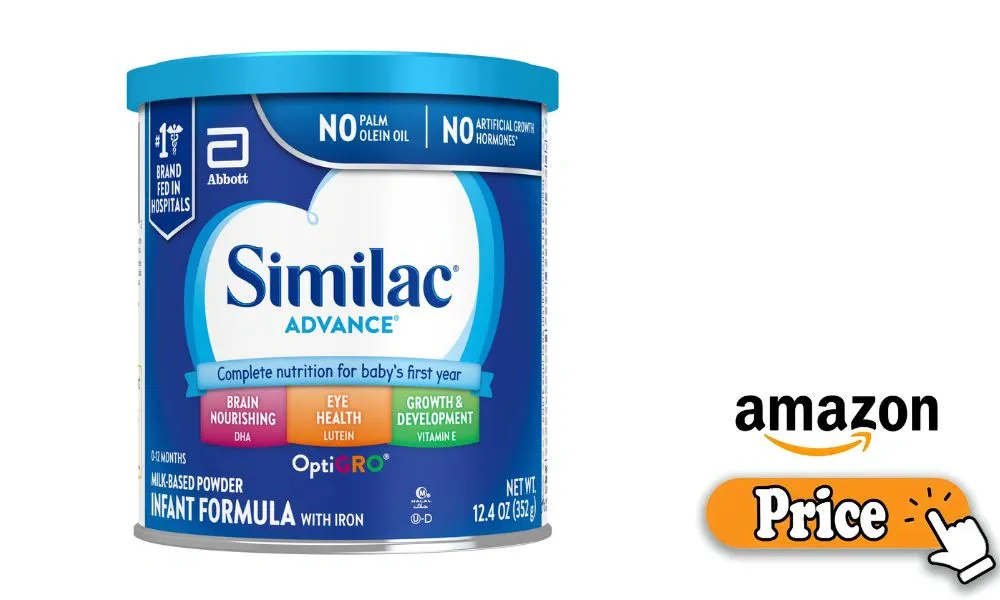
Choosing the right nutritional powder is not about brand loyalty; it is about finding the exact profile that helps your unique baby thrive. Today, I am cutting through the marketing noise to give you the honest, objective facts about these two massive industry giants.
Enfamil Review
Evaluating Enfamil requires looking past their massive hospital contracts to see the actual science inside the yellow tub. I have spent countless hours analyzing their specific whey-to-casein ratios and how they directly impact developing digestive systems.
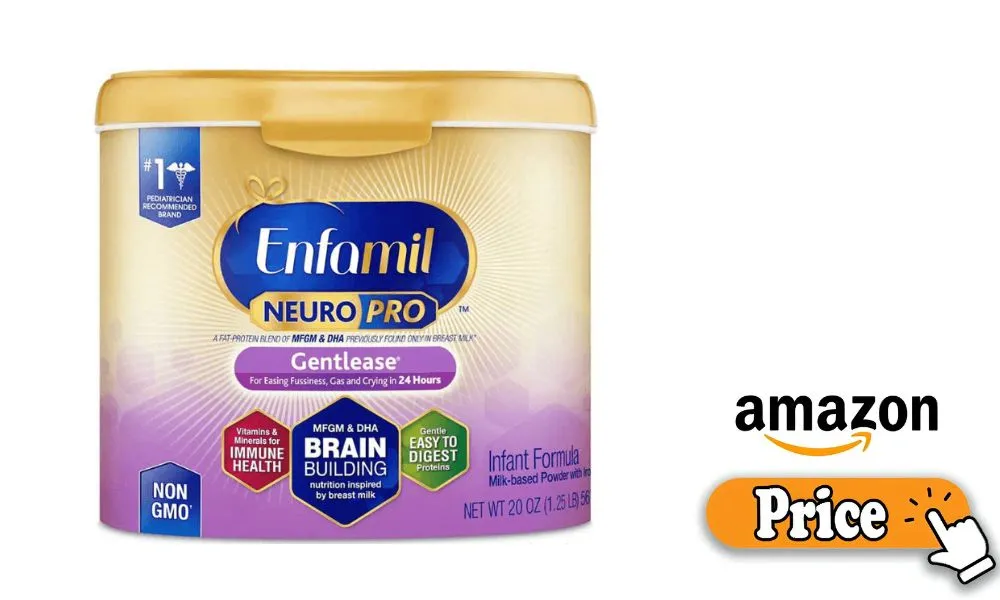
What stands out to me most is their heavy investment in replicating the exact lipid structure found in natural human milk. They consistently prioritize ingredients that support cognitive development, which is exactly why so many pediatricians lean toward their standard lines.
Pros and Cons
Every formula has its compromises, and Enfamil is certainly no exception to this practical nutritional rule. It is crucial to weigh these factors against your baby’s specific needs and your monthly household feeding budget.
Here is a completely objective look at where this prominent brand excels and where it might leave parents feeling a little frustrated.
| Feature | The Pros | The Cons |
| Brain Focus | Excellent DHA and ARA levels | Can smell slightly metallic/fishy |
| Digestion | Uses easy-to-digest whey proteins | Standard versions contain palm olein |
| Availability | Found in almost every grocery store | Premium lines are quite expensive |
Seeing these points laid out helps clarify if Enfamil aligns with your specific developmental household priorities. Remember that a perceived negative for one family might not matter at all to another.
I always advise parents to focus on how the formula digests rather than just reading the front label. A baby’s tummy is the ultimate judge of any specialized nutritional product.
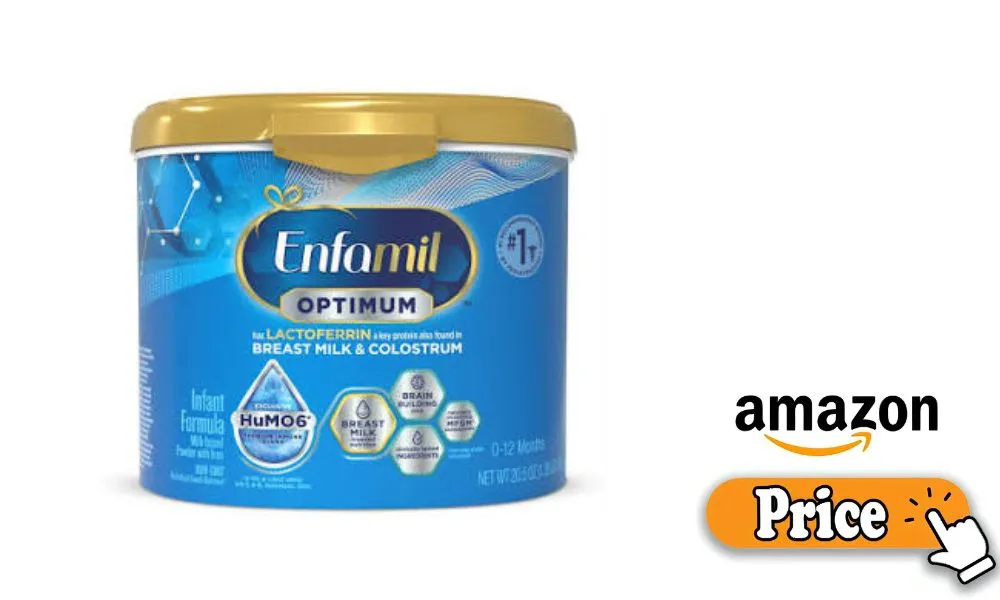
Real-World Feeding Experience
In my experience, preparing Enfamil usually results in a smooth, creamy liquid that most babies accept without much of a fuss. However, you might notice a distinct, sometimes metallic or sour smell, especially with their iron-rich or hypoallergenic powder options.
I vividly remember my own baby spitting up on a fresh outfit right before walking out the door after trying a new Enfamil variation. The consistency is generally great, but you will definitely be doing extra laundry if your baby has a sensitive esophageal sphincter.
Recommendation
I strongly recommend Enfamil’s standard lines for parents who heavily prioritize cognitive development ingredients like DHA and ARA. It is a fantastic starting point for full-term babies without any known milk protein allergies or severe reflux issues.
If your budget allows for their premium lines, the added prebiotics offer excellent immune and digestive support. Just be prepared to test a few different versions to find the perfect daily match for your growing infant.
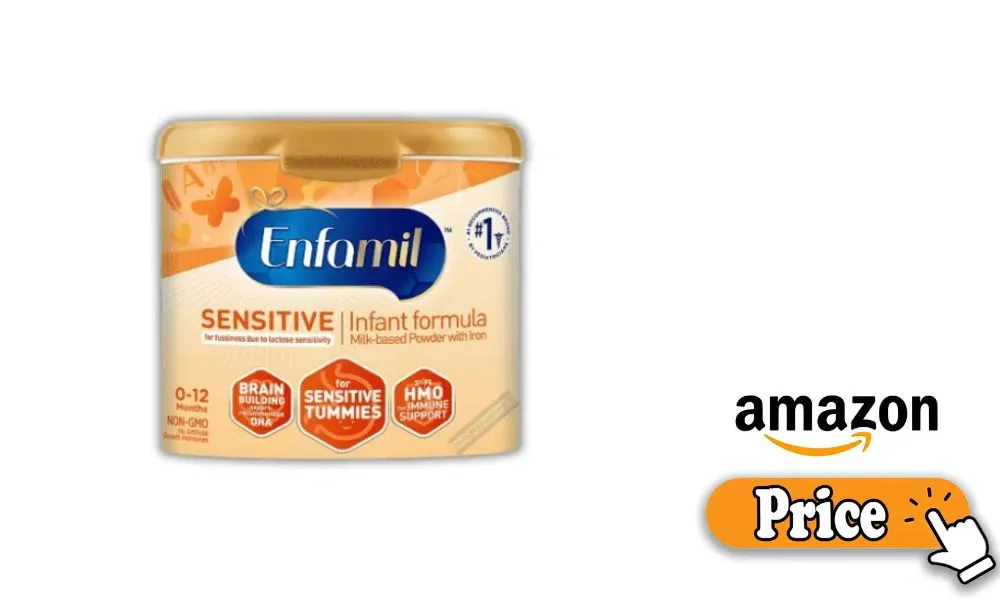
Similac Review
Similac has built its reputation on being the primary alternative, often focusing heavily on eliminating certain controversial dietary fats. Their strict commitment to avoiding palm olein oil entirely across their product line is a massive market differentiator.
As a nutrition authority, I appreciate how this specific fat omission directly impacts calcium absorption and overall stool consistency. It shows a dedication to solving real-world digestive complaints that constantly plague exhausted, anxious parents.
Pros and Cons
Looking at Similac objectively means acknowledging their strong points while being realistic about their ingredient sourcing philosophies. They offer a very specific nutritional profile that strongly appeals to modern, ingredient-conscious parents.
Let us break down exactly what you are getting, and what you might be sacrificing, when you choose the blue tub over the yellow one.
| Factor | The Pros | The Cons |
| Fat Blend | Zero palm olein oil used | Can be excessively foamy when mixed |
| Prebiotics | Excellent HMO inclusions | Standard lines are lactose-heavy |
| Sugar Base | Often uses pure lactose | Sensitive lines rely on corn syrup |
Understanding this vital balance is essential for setting realistic expectations for your baby’s daily feeding journey. The deliberate absence of palm oil is a massive win for babies who struggle with passing hard, painful stools.
However, you must be comfortable with their specific carbohydrate choices, especially if you are closely looking at their sensitive or gentle product tiers.
Real-World Feeding Experience
When I evaluated Similac during those 3 AM bottle preparations, vigorously shaking a bottle often led to dealing with excessive foam or clumps blocking the nipple. This trapped air can be a nightmare for a colicky baby, so gentle swirling rather than shaking is absolutely mandatory.
That said, the transition period is often smoother regarding bowel movements due to their highly tailored fat blend. The anxiety of waiting for a dirty diaper after transitioning to a new brand is real, but Similac usually produces softer, easier results.
Recommendation
I routinely point parents toward Similac when their primary concern is daily constipation or potential calcium absorption issues. The deliberate elimination of palm olein oil makes a documented difference for babies who have notoriously sluggish, sensitive digestive systems.
It is also a great choice if you are seeking comprehensive HMO prebiotic profiles in an easily accessible commercial powder format. It remains ideal for families who want premium nutritional features but still need to buy formula at the local neighborhood pharmacy.
Details Comparison: Enfamil vs Similac
Putting these two legacy brands head-to-head requires diving deep into their ingredient lists and daily usability profiles. We need to look at how they actually perform when you are desperately trying to feed a screaming infant.
Before we break down the highly specific sub-categories, let us look at a high-level overview of their standard infant offerings.
| Specification | Enfamil NeuroPro | Similac 360 Total Care |
| Primary Protein | Whey and Casein blend | Non-fat milk and Whey |
| Palm Oil Status | Contains Palm Olein | No Palm Olein Oil |
| Added Prebiotics | Dual Prebiotic blend | 5 HMO Prebiotic blend |
This quick glance highlights the divergent paths these trusted manufacturers take to closely mimic natural human breast milk. Both meet all strict FDA guidelines for infant nutrition, but their proprietary recipes differ fundamentally.
Now, let us examine the nuanced, critical details that actually dictate which heavy can you should consistently place in your shopping cart.
Ingredient Quality & Cleanliness
Both brands utilize standard cow’s milk as their foundation, altering the whey-to-casein ratio to match early lactation profiles. “The goal of modern infant formulas is not just caloric delivery, but functional mimicry of human milk components,” notes a leading pediatric nutritional guideline.
Similac takes a strong stance against palm olein oil, replacing it with easily processed coconut and safflower oils. Enfamil continues to use it in many standard lines to mimic palmitic acid, though it can occasionally bind with essential calcium.
| Ingredient Focus | Enfamil Approach | Similac Approach |
| Carbohydrates | Lactose in standard lines | Lactose in standard lines |
| Fat Source | Uses palm olein oil | Uses coconut and soy oils |
| Cognitive Additions | High levels of DHA/ARA | Lutein and DHA included |
Neither brand is using harmful ingredients, despite what fear-mongering mommy blogs might falsely claim online. Every single carbohydrate and fat source is rigorously tested for infant safety and basic metabolic absorption rates.
Your ultimate choice here depends entirely on how your specific baby reacts to the distinct, tailored fat blends provided.
Rating: Enfamil: 8/10 || Similac: 9/10
Digestibility & Tummy Tolerance
Digestibility is where the rubber meets the road for most exhausted parents dealing with endless afternoon crying. Enfamil tends to digest slightly faster due to its specific whey-dominant protein structures utilized in the early months.
Similac often produces softer stools, which is an absolute blessing if your baby strains constantly during changes. However, some sensitive babies find Similac’s intact proteins slightly harder to break down initially compared to Enfamil’s gently treated blends.
| Symptom Target | Enfamil Tolerance | Similac Tolerance |
| Constipation | Can sometimes cause firmer stools | Excellent for keeping stools soft |
| Gassy Tummies | Very well tolerated generally | Foam during mixing can cause gas |
| Spit-Up Severity | Standard formulas may trigger reflux | Added rice starch lines work well |
Always remember that a full two-week transition period is completely standard when switching to any new nutritional source. Do not panic if you see minor, temporary changes in bowel habits during this initial adjustment phase.
If severe gas or projectile vomiting occurs, that is always an immediate sign to pause and consult your medical provider.
Rating: Enfamil: 9/10 || Similac: 8/10
Preparation & Mixing Ease
At three in the morning, how a powder dissolves in warm water becomes incredibly important to your mental sanity. Enfamil generally mixes beautifully with minimal effort, leaving very few frustrating clumps in the bottom of the bottle.
Similac is notorious for aggressively foaming up if you shake the bottle with any real vigor or force. You simply have to learn the delicate swirling method to avoid feeding your sensitive baby a bottle full of trapped air bubbles.
| Mixing Metric | Enfamil Experience | Similac Experience |
| Powder Texture | Fine and slightly sticky | Coarser, dry granular feel |
| Clumping Risk | Very low clumping risk | Moderate clumping if water is cold |
| Foam Generation | Minimal foaming observed | High foaming if vigorously shaken |
Using a dedicated formula pitcher can entirely negate the annoying mixing issues commonly associated with both brands. Preparing a full day’s worth of food at once allows the excessive foam to settle completely in the refrigerator.
Just be absolutely sure to never dilute the formula beyond the strict manufacturer mixing directions printed directly on the can.
Rating: Enfamil: 9/10 || Similac: 7/10
Value & Cost per Ounce
Formula feeding is a massive financial commitment, and the cumulative cost differences over a year are truly staggering. The blind panic of noticing your chosen formula is consistently out of stock at local retailers often forces parents to buy expensive smaller tubs.
Both brands sit firmly in the premium commercial pricing tier, costing significantly more than standard store-brand generic equivalents.
| Value Metric | Enfamil Pricing | Similac Pricing |
| Average Cost/Oz | High premium price point | Similar high premium pricing |
| Container Sizes | Varies widely by store | Varies widely by store |
| Subscription Options | Direct from manufacturer | Direct from manufacturer |
To maximize value, I highly recommend buying the largest possible tubs or utilizing bulk subscription services once you know the formula works. Do not buy in heavy bulk until your baby has successfully digested the formula for at least three consecutive weeks.
Retail availability is generally identical, as both corporate giants monopolize the vast majority of shelf space in standard American grocery stores.
Rating: Enfamil: 8/10 || Similac: 8/10
Navigating the complex world of infant nutrition is exhausting, but you are doing an incredible job just by researching your options. Both of these legacy brands offer profoundly safe, heavily regulated, and scientifically sound nutrition for your growing baby.
Please remember to always consult your pediatrician before making any sudden changes to your infant’s diet, especially if they have shown signs of allergies. As a veteran pediatric expert once told me, “The absolute best formula on the market is simply the one your baby drinks willingly and digests comfortably.”