
Kendamil vs Similac: A Formula Showdown
Comparing Kendamil vs Similac is a classic battle between European whole milk tradition and American scientific formulation. Having spent 15 years evaluating infant nutrition, I know how stressful it is to choose the right foundation for your baby’s growth.
You want objective, evidence-based guidance, not a sales pitch, especially when dealing with a colicky, crying infant. I remember the anxiety of waiting for a dirty diaper after transitioning to a new brand, hoping for a sign of relief.
Kendamil Review
Kendamil has made massive waves in the US market, bringing its celebrated whole-milk recipe straight from the UK. It offers a very different approach to infant nutrition compared to traditional American brands.
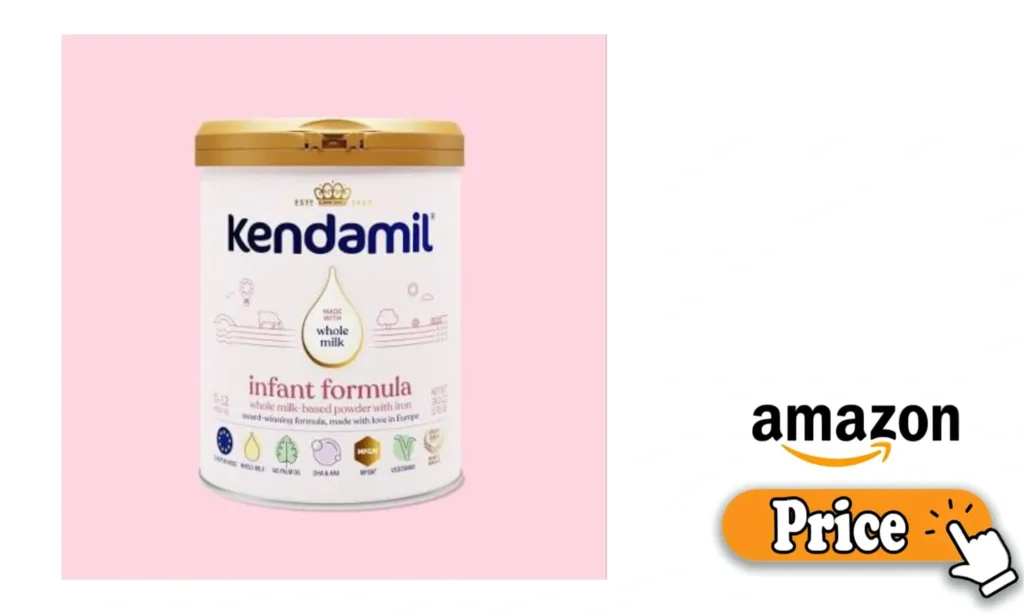
As a formula-feeding parent, I appreciate their commitment to bypassing cheaper oil blends. They rely heavily on the natural mammalian fats found in whole cow’s milk to nourish growing babies.
Pros and Cons
Understanding the strengths and weaknesses of this European import can help you decide if it fits your family. Here is a quick breakdown of what makes Kendamil stand out.
| Feature Focus | The Distinct Advantages | The Potential Drawbacks |
| Ingredient Sourcing | Whole milk fats used | Not always in local stores |
| Oil Blend Choice | No palm oil included | Can leave oily bottle residue |
| Added Carbohydrates | 100% lactose based | Imports can face shortages |
Reviewing these points highlights the brand’s commitment to clean, dairy-forward ingredients. However, logistical realities and stock issues still play a role in everyday feeding.
Real-World Feeding Experience
During my real-world testing, Kendamil mixed beautifully in warm water, though vigorously shaking a bottle sometimes created a bit of excessive foam. The powder itself has a rich, creamy scent that is far more pleasant than the metallic smell of many iron-heavy formulas.
Babies often transition smoothly, but some parents notice a slight change in stool consistency due to the whole milk fats. Watching your baby spit up on a fresh outfit right before walking out the door is frustrating, but Kendamil’s naturally creamy texture often sits well in tiny tummies.
Recommendation
I strongly recommend Kendamil for parents who prioritize whole milk fats and strict European sourcing standards. It is an excellent choice if your baby tolerates standard intact dairy proteins well and you want a simpler ingredient list.
However, if your little one has a diagnosed cow’s milk protein allergy, this standard formula will not be the right fit. It thrives as a premium, everyday feeding option for infants without complex digestive sensitivities.
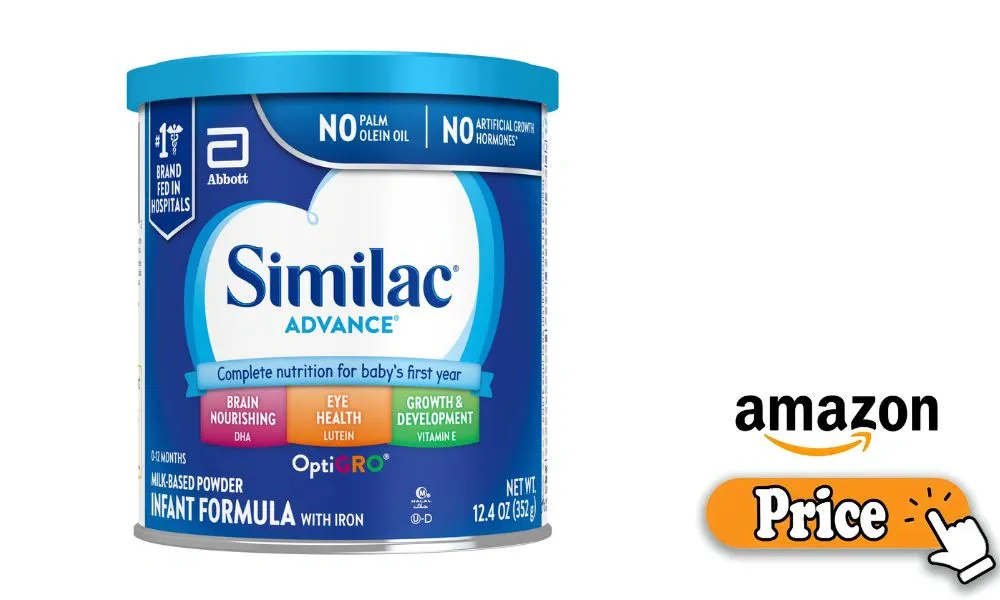
Similac Review
Similac remains a foundational pillar of American pediatric nutrition, backed by decades of clinical research and testing. Their expansive product line is designed to address almost every conceivable infant feeding issue you might encounter.
They excel at creating highly specialized formulations, integrating advanced prebiotics directly into their recipes to mirror natural immunity. This brand is a constant, trusted presence on pediatrician recommendation lists nationwide.
Pros and Cons
Similac’s widespread availability is a massive comfort when you need formula immediately during a crisis. Let’s look at the core benefits and limitations of this legacy brand.
| Feature Focus | The Distinct Advantages | The Potential Drawbacks |
| Product Variety | Solutions for most allergies | Complex ingredient lists |
| Retail Availability | Found in nearly every store | Some lines use palm olein oil |
| Scientific Additions | Contains added HMOs | Can smell slightly metallic |
This brand offers unparalleled convenience for exhausted, busy parents juggling multiple responsibilities. You rarely have to worry about missing a feeding due to unexpected local supply chain issues.
Real-World Feeding Experience
Similac powders generally dissolve with incredible ease, preventing clumps from blocking the nipple during those bleary-eyed 3 AM bottle preparations. Some of their specialized options, like Alimentum, do possess that distinct, sometimes sour smell typical of hypoallergenic blends.
I have seen many colicky babies find immediate relief on their specialized formulas when standard lactose proves too difficult to digest. “Finding the right formula often requires balancing nutritional ideals with your baby’s immediate digestive reality,” notes a pediatric dietician colleague.
Recommendation
Similac is ideal for parents who need specialized dietary solutions, such as partially hydrolyzed proteins or lactose-reduced options. It is also perfect for families who value extreme convenience and immediate local availability.
I point anxious parents toward Similac when they are navigating severe gas, persistent reflux, or suspected milk protein allergies. It is a highly reliable, accessible brand that delivers consistent, symptom-targeted results.
Details Comparison: Kendamil vs Similac
Breaking down the specifics helps clarify exactly where these two nutritional giants diverge in their approach. We will evaluate them across core performance metrics to guide your final choice.
Comparing their distinct philosophies illuminates which formula aligns better with your baby’s current developmental stage.
Ingredient Quality and Cleanliness
Kendamil shines by utilizing whole cow’s milk as its primary fat source, avoiding controversial additions entirely. They bypass palm olein oil, relying instead on naturally occurring milk fats combined with essential DHA and ARA for brain development.
Similac standard lines often utilize nonfat milk paired with a robust vegetable oil blend to mimic breast milk’s lipid profile. While entirely safe and FDA-approved, some parents simply prefer Kendamil’s cleaner, more streamlined approach to carbohydrate and fat sourcing.
Comparing the ingredient profiles reveals distinctly different manufacturing philosophies at play. Here is how their foundational elements stack up against one another.
| Component Standard | Kendamil Classic | Similac 360 Total Care |
| Primary Carbohydrate | 100% Lactose | Lactose & Maltodextrin |
| Core Fat Source | Whole Milk Fats | Vegetable Oil Blends |
| Prebiotic Additions | GOS/FOS included | 5 HMO prebiotic blend |
Both brands meet stringent safety standards, but Kendamil’s reliance on whole milk is a unique differentiator. Similac leans heavier into synthesized structural additions to replicate human milk complexity.
Rating: Kendamil: 9/10 || Similac: 7/10
Digestibility and Tummy Tolerance
Kendamil is inherently whey dominant, which closely aligns with the standard protein ratios found in mature human breast milk. This intact protein profile digests beautifully for most healthy infants who do not suffer from underlying dairy allergies.
Similac, however, truly dominates the market when it comes to managing sensitive stomachs and painful reflux issues. Their extensive range includes highly specific casein blends and partially hydrolyzed proteins designed for babies who struggle with standard dairy.
Digestive comfort is often the ultimate deciding factor for exhausted, sleep-deprived parents. Let us compare their everyday tummy tolerance and symptom management capabilities.
| Digestive Metric | Kendamil Formula | Similac Formula |
| Protein Breakdown | Intact standard dairy | Hydrolyzed options available |
| Constipation Risk | Lower due to milk fats | Varies based on oil blend |
| Colic Solutions | No specialized line | Extensive sensitive options |
If your baby has an iron-clad stomach, Kendamil is an incredibly gentle, nourishing option. For severe reflux or persistent colic, Similac offers vastly superior targeted symptom management.
Rating: Kendamil: 8/10 || Similac: 8/10
Preparation and Mixing Ease
Vigorously shaking a bottle of Kendamil can sometimes yield a frothy top layer, but it rarely clumps at the bottom of the vessel. The rich whole milk powder requires slightly warmer water to emulsify perfectly without leaving a lingering oily residue.
Similac is engineered for maximum user convenience, dissolving rapidly even in cooler, room-temperature water. This remarkably quick mixing speed is a true lifesaver when your baby is screaming for food in the middle of the night.
Preparation friction can quickly make or break a parent’s sanity during frantic night feeds. This direct comparison highlights their specific mixing behaviors and temperature requirements.
| Preparation Step | Kendamil Mixing | Similac Mixing |
| Water Temp Needs | Best in warm water | Mixes well cold or warm |
| Foaming Tendency | Can be quite frothy | Very minimal foaming |
| Dissolve Speed | Moderate to fast | Immediate dissolution |
Similac undoubtedly edges out the competition here with its foolproof, rapid-dissolve engineering. Kendamil requires just a tiny bit more care and temperature control during daily preparation.
Rating: Kendamil: 7/10 || Similac: 9/10
Value and Cost per Ounce
Kendamil offers surprising financial value for a premium European import, often pricing out favorably compared to domestic organic brands. However, the sheer panic of noticing your chosen formula is consistently out of stock at local retailers is a real threat with imported goods.
Similac provides a wide range of pricing tiers, from their affordable standard powder vs ready-to-feed formula options. You can easily find it at every grocery store, pharmacy, and late-night gas station, completely eliminating daily supply anxiety.
Balancing your monthly household budget against nutritional benefits is a highly practical parenting necessity. Here is a quick look at the baseline financial realities you can expect.
| Financial Factor | Kendamil Economics | Similac Economics |
| Base Cost per Ounce | Very competitive premium | Varies by specialized line |
| Retail Availability | Target and select stores | Universal availability |
| Buying Formats | Powder primarily | Powder and ready-to-feed |
Similac decisively wins on accessibility, though Kendamil delivers exceptional ingredient quality for the standard asking price. Your ultimate choice depends heavily on your local shopping options and budget flexibility.
Rating: Kendamil: 8/10 || Similac: 9/10
Scientific Additions and Prebiotics
Modern infant nutrition relies heavily on safely mimicking the potent immune-boosting properties of human breast milk. Kendamil utilizes standard GOS/FOS prebiotics, which are naturally derived and highly effective at supporting healthy, foundational gut flora.
Similac pushes the nutritional envelope further by incorporating a highly complex blend of five distinct HMOs. “HMO additions in modern formulas represent a massive leap forward in bridging the immunological gap,” per current pediatric nutrition literature.
Evaluating these crucial micro-ingredients reveals the deep scientific engineering layered behind both brands. Let’s compare their advanced nutritional profiles and immune-supporting elements.
| Nutritional Extra | Kendamil Profile | Similac Profile |
| Immune Support | Standard GOS/FOS | 5-HMO prebiotic blend |
| Fatty Acid Source | Marine algae based | Traditional oil sourcing |
| Iron Fortification | Meets FDA guidelines | Variable by product line |
Both formulas provide excellent foundational nutrition, but they clearly approach immune support from entirely different angles. Similac utilizes synthesized complexity, while Kendamil relies heavily on nature-derived simplicity.
Rating: Kendamil: 8/10 || Similac: 9/10
Choosing between Kendamil and Similac ultimately comes down to your baby’s specific digestive needs and your personal ingredient preferences. Kendamil is a beautiful, whole-milk option for healthy tummies, while Similac offers unmatched specialized solutions and everyday convenience.
Always consult your pediatrician before making any permanent dietary changes or transitioning your baby to a completely new formula. Never dilute formula beyond the manufacturer’s exact directions, as proper caloric density is absolutely vital for infant safety.