
Kirkland vs Similac: Which Infant Formula Is Best
Choosing between kirkland vs similac is a classic battle of wholesale value against established brand legacy that almost every parent faces. As a pediatric nutrition strategist who has survived the exhausting newborn phase, I know how overwhelming these choices feel during a 3 AM feeding.
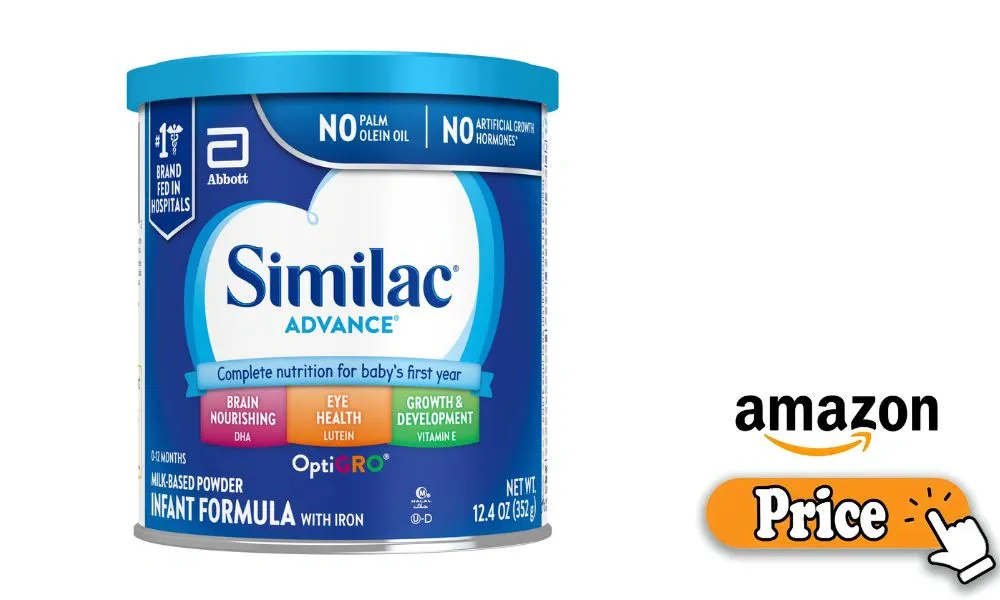
You want a formula that actively supports brain development and mimics breast milk without completely draining your monthly diaper budget. In my experience, understanding the scientific nuances between these two options can save you both money and needless midnight stress.
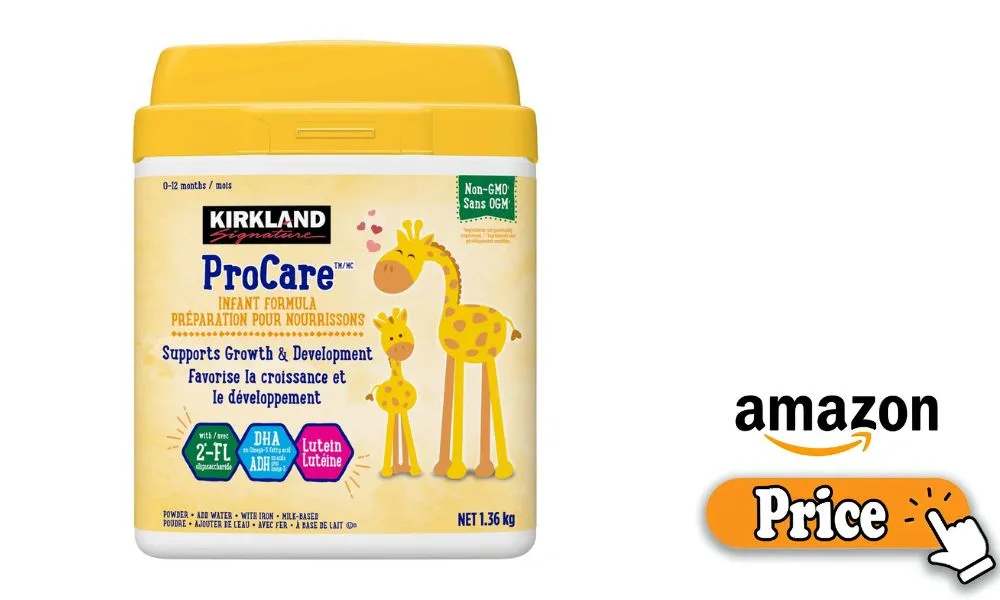
Kirkland ProCare Review
Kirkland Signature ProCare is the flagship infant formula from a massive warehouse retailer, designed to replicate the nutritional profile of leading national brands at a fraction of the cost. It has earned a fiercely loyal following among budget-conscious families nationwide.
Pros And Cons
Evaluating the strengths and weaknesses of this bulk-buy option requires looking past the generic label. Here is how this warehouse favorite actually stacks up in daily use.
| Category | Advantage | Disadvantage |
| Price | Extremely affordable bulk pricing | Requires an active store membership |
| Size | Massive tub lasts much longer | Huge container is hard to travel with |
| Ingredients | Contains zero palm olein oil | Uses standard generic prebiotics |
While the savings are undeniable, the sheer size of the tub can be daunting for first-time buyers. Always check your pantry space before committing to the massive wholesale multipacks.
Real-World Feeding Experience
When I first tested this powder during a frantic midnight feeding, I immediately noticed how finely milled it felt compared to older generic brands. However, vigorously shaking a bottle sometimes results in excessive foam or stubborn clumps blocking the nipple if the water is not perfectly warm.
I vividly remember the anxiety of waiting for a dirty diaper after transitioning a fussy baby to this new brand. Fortunately, most infants adapt smoothly, though you might notice a slightly metallic smell, which is completely normal for iron-fortified powders in this category.
Recommendation
This is my go-to recommendation for families who need a high-quality, standard milk-based formula without the premium price tag. It works beautifully for healthy, full-term babies who do not have specific dairy allergies or severe acid reflux issues.
If you live near a warehouse club or have an active membership, the convenience of buying in bulk cannot be overstated. It is the perfect choice for parents prioritizing cost per ounce while still demanding FDA-approved nutritional standards.
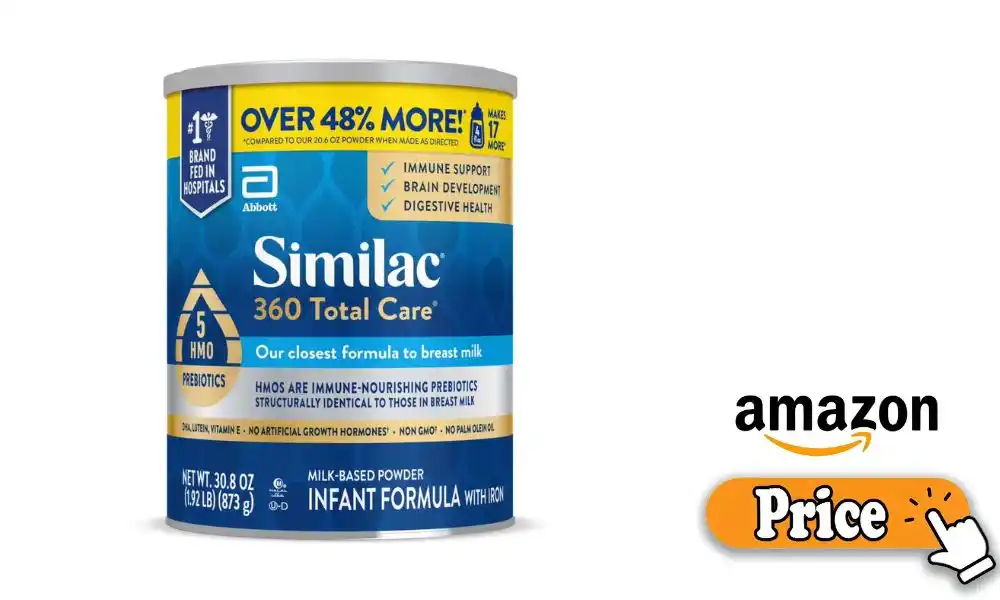
Similac 360 Total Care Review
Similac 360 Total Care represents the brand’s most advanced formulation, boasting an exclusive blend of five HMO prebiotics designed to closely mirror breast milk. It remains a staple in hospital maternity wards and pediatric clinics nationwide.
Pros And Cons
This premium formula commands a noticeably higher price, but it brings several specialized benefits that many parents find entirely worth the investment. Let us break down the main advantages and common drawbacks.
| Category | Advantage | Disadvantage |
| Formula | Advanced HMO prebiotic blend | Very expensive cost per ounce |
| Formats | Ready-to-feed liquid is available | Powder tubs empty very quickly |
| Trust | Highly established pediatric brand | Frequent retail price increases |
The accessibility of this brand provides immense peace of mind when you run out unexpectedly on a Sunday night. You can confidently find it at almost any local grocery store or late-night pharmacy.
Real-World Feeding Experience
Preparing a bottle of this formula usually feels seamless, with the powder dissolving rapidly even in room-temperature water. I rarely encountered those frustrating powder clumps, making those bleary-eyed 3 AM bottle preparations significantly less stressful for exhausted parents.
However, I have had moments of sheer panic noticing my chosen formula is consistently out of stock at local retailers during supply chain hiccups. Furthermore, a baby spitting up on a fresh outfit right before walking out the door is still a reality, regardless of how premium the brand name is.
Recommendation
I highly recommend this option for parents who are combining breast milk and formula, thanks to the impressive immune-supporting prebiotic profile. It is also excellent for families who prioritize having convenient, ready-to-feed liquid bottles for easy travel and daycare bags.
If budget is not your primary concern and you want the absolute latest in prebiotic research, this is a phenomenal daily choice. It delivers incredible peace of mind through widespread availability and decades of established pediatric trust.
Details Comparison: Kirkland vs Similac
To truly understand which product deserves a spot in your nursery, we must examine the specific nutritional mechanics. Let us dive into the critical components that directly impact your baby’s daily feeding routine.
Nutritional Profile Overview
Both brands must meet rigorous FDA guidelines for infant nutrition, ensuring complete nourishment for your child’s first year of rapid growth. While neither strictly follows a European standard, both provide excellent baseline nutrition designed to closely mimic human milk composition.
I always remind parents that standard infant formulas are more alike than they are different at their nutritional core. Let us quickly compare their baseline macro and micro nutritional offerings per standard serving to see where they align.
| Nutrient | Kirkland ProCare | Similac 360 Total Care |
| Calories | 20 kcal/oz | 20 kcal/oz |
| Carbohydrates | Pure Lactose | Pure Lactose |
| Fats | Safflower, Soy, Coconut Oil | Safflower, Soy, Coconut Oil |
While the core calories and macronutrients are practically identical, the subtle differences lie in the proprietary additions. Always consult your pediatrician if you are unsure which specific nutrient profile suits your growing infant best.
Rating: Kirkland ProCare: 8/10 || Similac 360 Total Care: 9/10
Ingredient Quality And Cleanliness
Both formulas utilize nonfat milk and pure lactose as their primary carbohydrate sources, which is exactly what you want for a healthy diet. “The closer a formula’s carbohydrate profile is to human milk lactose, the better it supports natural gut flora,” as noted in standard pediatric guidelines.
Similac edges ahead slightly with its exclusive blend of HMOs, whereas the warehouse brand utilizes a more traditional GOS and FOS prebiotic blend. Importantly, neither brand relies on controversial palm olein oil, meaning calcium absorption is generally excellent across both options.
When assessing the ingredient list, we are looking for high-quality fat blends and brain-building additions like DHA and ARA. Here is how their foundational components compare on the physical label.
| Ingredient | Kirkland ProCare | Similac 360 Total Care |
| Prebiotic Type | Standard GOS Blend | Complex 5-HMO Blend |
| Protein Base | Whey Dominant and Casein Blend | Whey Dominant and Casein Blend |
| Added Sugars | Zero Maltodextrin | Zero Maltodextrin |
Both avoid palm oil and cheap carbohydrate fillers, but the advanced HMO complex offers a slight advantage for immune support. Neither uses corn syrup or maltodextrin as a primary carbohydrate in these standard dairy lines.
Rating: Kirkland ProCare: 8/10 || Similac 360 Total Care: 9/10
Digestibility And Tummy Tolerance
In my years of clinical observation, standard intact-protein formulas digest similarly for most babies, though individual gut reactions always vary. If you are searching for the best formula for sensitive stomachs, you might need a partially hydrolyzed option rather than these standard intact milk proteins.
Does palm oil cause constipation in infants? Thankfully, since both of these formulas omit it entirely, parents typically report softer, more consistent stools. Still, transitioning always requires a grace period of about a week for the baby’s digestive tract to fully adapt.
Monitoring your baby’s gas, spit-up frequency, and bowel movements is the only true test of daily formula tolerance. Here is a breakdown of common digestive outcomes reported by real parents in the trenches.
| Symptom | Kirkland ProCare | Similac 360 Total Care |
| Gas Potential | Moderate | Low to Moderate |
| Spit-Up Risk | Average | Average |
| Stool Texture | Soft and Consistent | Very Soft and Consistent |
Remember that occasional fussiness and minor spit-up are completely normal developmental phases, not necessarily formula failures. Never assume a new brand will instantly cure normal infant gassiness overnight.
Rating: Kirkland ProCare: 8/10 || Similac 360 Total Care: 9/10
Preparation And Mixing Ease
The daily grind of mixing bottles demands a powder that dissolves quickly without excessive agitation or aggressive shaking. Kirkland’s powder is relatively fine but can occasionally leave small, frustrating clumps at the bottom of the bottle if the water is too cold.
Similac generally mixes slightly smoother and offers the massive advantage of ready-to-feed liquid formulations for on-the-go convenience. When deciding between powder vs ready-to-feed formula, having both options available within the same product line is an absolute lifesaver.
Properly mixing infant formula is crucial for ensuring accurate nutrient density and preventing unnecessary swallowed air. Here is how both brands perform during standard, everyday kitchen preparation.
| Prep Factor | Kirkland ProCare | Similac 360 Total Care |
| Mixing Speed | Good | Excellent |
| Clumping Risk | Occasional | Very Rare |
| Format Options | Powder Only | Powder and Liquid Available |
Always follow the exact water-to-powder ratios printed on the specific tub you are currently using. Never dilute formula to stretch your supply, as this can lead to severe water intoxication and malnutrition.
Rating: Kirkland ProCare: 7/10 || Similac 360 Total Care: 9/10
Value And Cost Per Ounce
This is where the wholesale warehouse brand undeniably dominates the competition, saving families hundreds of dollars over the first year. Infant formula is incredibly expensive, and finding a high-quality budget option is absolutely critical for many hardworking households.
While the name brand commands a premium, you are paying for robust research, advanced prebiotics, and highly convenient packaging options. As veteran parents often advise, feed the baby in front of you, not the marketing on the label.
Calculating the true cost per ounce is the only accurate way to compare formula budgets across different tub sizes. Let us look at the financial realities of both choices for a hungry growing baby.
| Cost Metric | Kirkland ProCare | Similac 360 Total Care |
| Tub Size | 42 ounces | 36 ounces |
| Retail Price | Around $25 | Around $45 |
| Cost Per Ounce | Approximately $0.60 | Approximately $1.25 |
Prices fluctuate based on location and retailer promotions, so always calculate the math yourself in the formula aisle. A wholesale membership essentially pays for itself within the first few formula purchases.
Rating: Kirkland ProCare: 10/10 || Similac 360 Total Care: 6/10
Conclusion And Safety Reminder
Ultimately, both of these formulas provide exceptional, FDA-regulated nutrition that will support your baby’s crucial first year of growth. If your budget is tight, do not feel a single ounce of guilt choosing the store brand, as it is incredibly well-formulated.
If you prefer the latest prebiotic science and widespread retail availability, the premium brand remains a fantastic, reliable choice. Always consult your pediatrician before making a permanent switch, especially if you are navigating how to transition baby to new formula safely.