
Members Mark vs Similac: Best Brand Showdown
Navigating the choice between Members Mark vs Similac can feel overwhelming when you are staring down the formula aisle at 3 AM. As a pediatric nutrition strategist and a parent who has survived those sleep-deprived nights, I understand the immense pressure to choose perfectly for your infant.
You want a formula that supports your baby’s development without causing painful gas or draining your wallet every single week. In my 15 years of evaluating infant nutrition, I have learned that the best choice balances clinical evidence with your family’s real-world realities and budget constraints.
Member’s Mark Formula Review
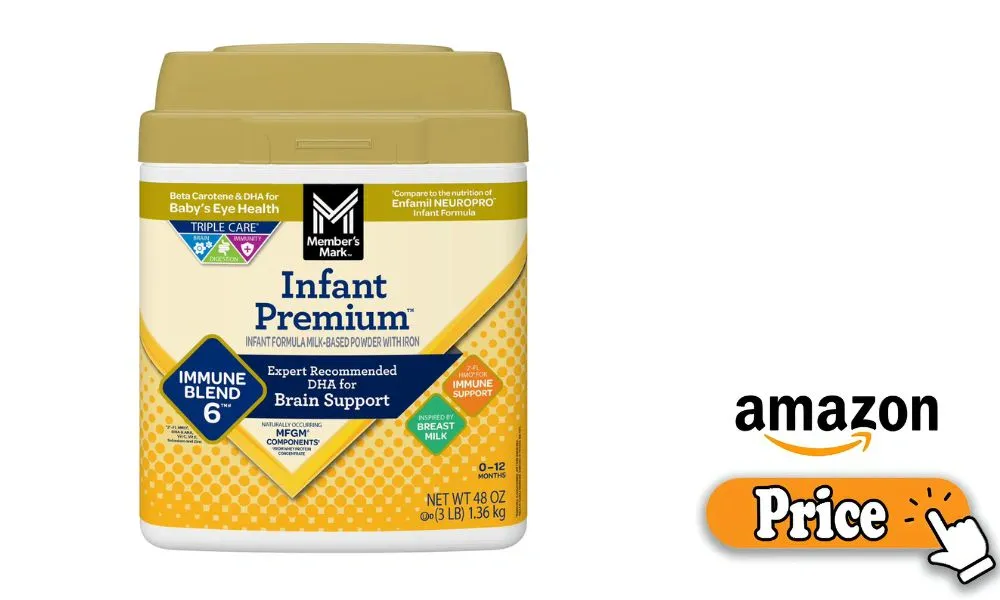
Let us look closely at the store-brand heavyweight that has been saving bulk-shopping parents a considerable amount of money.
Pros and Cons
Here is a quick breakdown of what makes this Sam’s Club exclusive shine and where it might fall slightly short.
| Feature Profile | Notable Advantages | Potential Drawbacks |
| Cost & Value | Extremely budget-friendly per ounce | Requires a paid club membership |
| Nutrition | Contains essential DHA, ARA, and HMOs | Fewer specialized allergy options |
| Availability | Available in massive bulk containers | Only found at specific warehouse locations |
While store brands often carry a stigma, FDA guidelines ensure they meet all strictly mandated infant nutritional requirements without exception.
Real-World Feeding Experience
Mixing a bottle of Member’s Mark powder usually results in a smooth texture, though you might need to apply a vigorous shake. I remember aggressively shaking a bottle at dawn and dealing with excessive foam blocking the nipple, which is a common quirk here.
The formula smell is quite standard for cow’s milk blends, completely avoiding the heavily metallic or sour scent found in hypoallergenic options. Most parents report their babies accept the taste readily, making the transition from breast milk or other brands relatively painless and straightforward.
Recommendation
I typically recommend this formula to budget-conscious families who already maintain an active Sam’s Club membership for their household shopping needs. It is an excellent choice for babies with standard digestive systems who do not require specialized, heavily broken-down proteins for daily feedings.
If your little one handles intact milk proteins well, the massive cost savings over a year of feeding are truly undeniable. It allows you to provide premium nutrition, complete with necessary prebiotics, without stretching your monthly grocery budget to its absolute breaking point.
Similac Formula Review
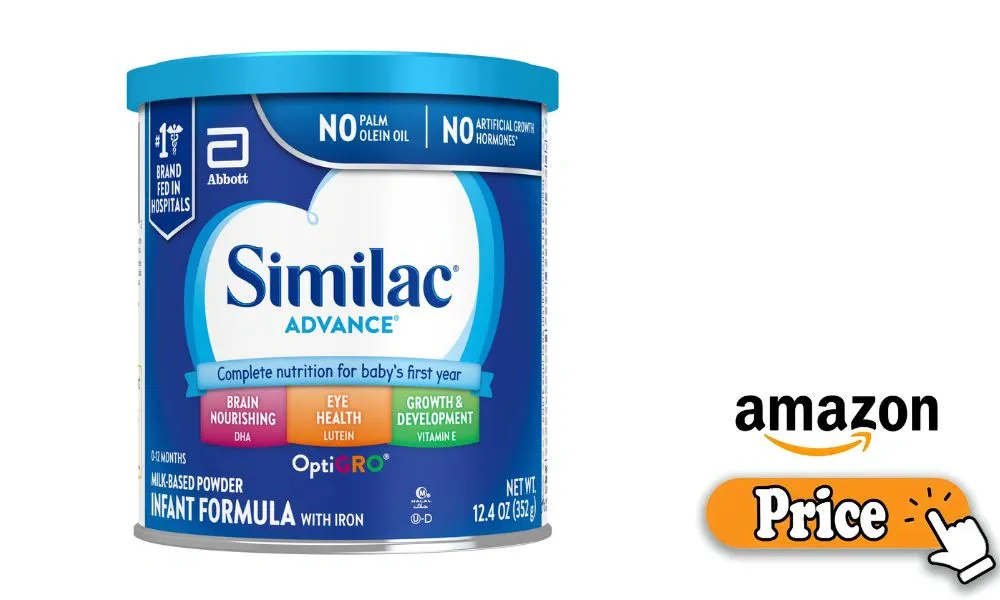
Similac is a legacy brand with decades of clinical research and a massive variety of specialized product lines for every possible need.
Pros and Cons
Evaluating a premium name brand means looking closely at the specific benefits it offers to justify the significantly higher price tag.
| Feature Profile | Notable Advantages | Potential Drawbacks |
| Product Variety | Extensive specialized and sensitive lines | Premium pricing across all products |
| Accessibility | Sold in almost every grocery and drugstore | High cost can strain family budgets |
| Formats | Available in convenient ready-to-feed bottles | Powder tubs are much smaller |
The sheer accessibility of this premium brand provides immense peace of mind for parents worried about sudden supply chain shortages.
Real-World Feeding Experience
Preparing a bottle of standard Similac is generally a breeze, as the premium powder dissolves rapidly with very minimal clumping issues. You will not have to worry as much about vigorously shaking the bottle, which thankfully reduces the amount of trapped air bubbles.
During my own late-night feeding stints, knowing I could grab a ready-to-feed bottle of Similac was an absolute lifesaver. The consistency is highly reliable from batch to batch, ensuring your baby gets the exact same flavor and comforting texture every time.
Recommendation
Similac is best suited for parents who prioritize brand heritage, deep clinical backing, and the extreme convenience of finding it everywhere. If your baby has unique dietary needs, their extensive specialized lineup makes finding the perfect symptom match much easier and faster.
I advise this brand for families who travel frequently and might need to purchase formula at a random roadside corner drugstore. It is also a safe bet if your pediatrician specifically recommends their targeted formulations, like Alimentum, for managing severe dairy allergies.
Details Comparison: Members Mark vs Similac
Breaking down the specific elements of both options helps reveal which formula aligns best with your daily parenting realities and routines.
Ingredient Quality & Cleanliness
Both brands prioritize essential nutrients, but their approaches to sourcing and carbohydrate balances can differ noticeably across various product lines.
Member’s Mark models its standard formula closely on breast milk, utilizing lactose as the primary carbohydrate source for healthy, sustainable energy. Similac also heavily features lactose in its standard lines, though their sensitive versions often replace it with corn syrup for easier digestion.
“When evaluating infant nutrition, the presence of HMOs and precise DHA/ARA ratios are non-negotiable for optimal cognitive development,” notes a leading pediatric dietician. Both of these brands successfully incorporate these vital components, ensuring your baby receives the foundational building blocks for a healthy, growing brain.
Here is a closer look at how their standard ingredient profiles stack up against one another inside the baby bottle.
| Ingredient Focus | Member’s Mark Standard | Similac 360 Total Care |
| Carbohydrate | 100% Lactose based | 100% Lactose based |
| Prebiotics | Contains standard HMOs | Contains 5-HMO prebiotic blend |
| Fat Source | Palm olein oil free | Palm olein oil free |
Neither brand uses controversial palm olein oil in their standard lines, which is fantastic news for promoting calcium absorption and preventing hard stools.
Rating: Member’s Mark: 8/10 || Similac: 9/10
Digestibility & Tummy Tolerance
A formula is only as good as your baby’s ability to comfortably digest it without suffering from excessive gas or painful constipation.
In my experience, babies tolerate both standard formulas quite well, as they utilize similar whey-to-casein ratios for relatively smooth digestion. However, the deep anxiety of waiting for a dirty diaper after transitioning to a new brand is a universal, highly stressful parenting milestone.
Similac gains a slight edge here simply because they offer heavily specialized options like partially hydrolyzed proteins for delicate, sensitive tummies. If your baby starts spitting up on a fresh outfit right before walking out the door, Similac’s sensitive range offers immediate, targeted alternatives.
Comparing how these formulas interact with delicate infant digestive systems can help you anticipate potential tummy troubles early on.
| Digestion Factor | Member’s Mark | Similac |
| Protein Type | Intact cow’s milk proteins | Intact and partially hydrolyzed options |
| Gas Relief | Standard tolerance levels | Specialized options for severe gas |
| Constipation | Soft stools (no palm oil) | Soft stools (no palm oil) |
Always introduce a new formula gradually, mixing it with the old brand to give their tiny gut microbiome adequate time to adjust.
Rating: Member’s Mark: 7/10 || Similac: 9/10
Nutritional Profile Breakdown
Let us examine the exact macronutrient breakdown that actively fuels your baby’s rapid growth and intense daily energy requirements.
Both formulas are strictly regulated to provide approximately 20 calories per ounce, perfectly mirroring the standard caloric density of human breast milk. They contain carefully calibrated blends of proteins, fats, and carbohydrates to support everything from healthy bone growth to rapid cellular repair.
You will find robust levels of iron in both options, which is absolutely crucial for preventing anemia during the first critical year. This added iron can sometimes cause the powder to have a distinct, slightly metallic smell, which is completely normal and entirely safe.
This table highlights the core nutritional specs you can expect to find in a standard five-ounce feeding portion of each formula.
| Nutrient Content | Member’s Mark | Similac |
| Calories | 100 per 5 oz | 100 per 5 oz |
| Protein | 2.0 grams | 2.0 grams |
| Fat | 5.3 grams | 5.4 grams |
The striking similarities here heavily reinforce that generic store brands provide nearly identical core nutrition to their premium-priced competitors.
Rating: Member’s Mark: 9/10 || Similac: 9/10
Preparation & Mixing Ease
When your baby is crying at two in the morning, how quickly and smoothly a formula mixes becomes incredibly important to your sanity.
Similac powders are renowned for their fine, fluffy texture that dissolves rapidly in both warm and standard room-temperature water. You rarely have to battle with stubborn clumps clogging the nipple, which keeps a hungry, fussy baby much happier during nighttime feedings.
Member’s Mark requires a bit more elbow grease during preparation, sometimes clinging stubbornly to the sides of the bottle if mixed hastily. I recommend swirling the water and powder gently first, then shaking firmly to ensure a completely smooth, clump-free liquid meal.
Preparation formats vary wildly between the two, with the name brand offering far more versatility for busy, on-the-go parents.
| Format Options | Member’s Mark | Similac |
| Powder Mixing | Requires firm shaking | Dissolves very rapidly |
| Ready-to-Feed | Not currently available | Widely available in various sizes |
| Travel Packets | Not currently available | Available for standard lines |
Never dilute infant formula beyond the manufacturer directions, as this can easily lead to severe and highly dangerous nutritional deficiencies.
Rating: Member’s Mark: 7/10 || Similac: 9/10
Value & Cost per Ounce
The financial reality of formula feeding cannot be ignored, as these recurring costs accumulate rapidly over your baby’s first twelve months.
The panic of noticing your chosen formula is consistently out of stock at local retailers is stressful, but constant budget strain is worse. Member’s Mark is the undisputed champion of value, offering massive bulk tubs that drastically lower the overall cost per ounce.
Similac demands a premium price tag that reflects their extensive research, massive marketing budgets, and the convenience of widespread retail availability. While it is more expensive, many parents find the cost justified by the specialized formulations and the availability of ready-to-feed liquid options.
Let us break down the true cost of feeding your infant exclusively with these brands over a standard, typical month.
| Cost Metric | Member’s Mark | Similac |
| Container Size | 48 oz bulk tub | 30 oz large tub |
| Estimated Price | Highly affordable | Premium pricing |
| Monthly Cost | Substantially lower | Considerably higher |
Opting for a premium store brand can literally save a family hundreds of dollars, significantly easing the financial burden of the first year.
Rating: Member’s Mark: 10/10 || Similac: 6/10
Conclusion and Safety Reminder
Choosing the right nutritional path for your infant is a deeply personal decision that balances budget, convenience, and specific dietary needs.
Ultimately, both of these brands provide excellent, FDA-approved nutrition that will successfully help your baby thrive and grow beautifully. If your budget is tight and your baby has a standard digestive system, the Sam’s Club exclusive is an absolute financial powerhouse.
However, if you require specialized, partially hydrolyzed proteins or simply want the sheer convenience of ready-to-feed bottles, Similac clearly wins out. Always consult your pediatrician before switching formulas, especially if your little one is showing signs of food allergies or severe reflux.