
Enfamil Gentlease vs Similac 360 Sensitive Test
Navigating the choice of enfamil gentlease vs similac 360 sensitive is a true rite of passage for many sleep-deprived, anxious parents. When your infant is crying from intense tummy discomfort, you simply want a reliable, science-backed nutritional solution that actually works for their digestion.
As a pediatric nutrition strategist and a veteran parent, I deeply understand the exact panic of soothing a fussy baby at 3 AM. I have spent years evaluating these specific formulas, analyzing everything from complex protein ratios to how easily they mix in a sleepy, exhausted haze.
Enfamil Gentlease Review
This formula has been a long-standing, highly trusted staple on pharmacy shelves for families battling mild gas and afternoon fussiness. It utilizes a specialized, broken-down protein blend designed specifically to ease digestion for sensitive, developing little tummies.

Pros and Cons
Before committing to buying a full case, it is absolutely crucial to understand the distinct advantages and potential drawbacks of this formulation. Let’s look at the basic nutritional tradeoffs you will encounter with this brand.
| Feature Profile | Notable Advantages | Potential Drawbacks |
| Protein Structure | Partially hydrolyzed for easy digestion | Slightly bitter taste profile |
| Carbohydrates | Lower lactose helps reduce gas | Contains some corn syrup solids |
| Availability | Easy to find in most major retailers | Powder can sometimes clump |
While no infant formula is completely perfect, this specific blend remains a highly effective option for managing everyday feeding fussiness. It provides a solid, comfortable baseline for transitioning away from standard, intact formulas.
Real-World Feeding Experience
In my experience, shaking up a bottle of Gentlease can sometimes result in a surprisingly foamy, thick texture inside the plastic. You might find yourself vigorously shaking a bottle and dealing with excessive foam or clumps blocking the nipple if the water isn’t quite warm enough.
The smell is also slightly different from standard milks, carrying that distinct, sometimes metallic or slightly sour aroma common in partially hydrolyzed formulas. However, many babies readily accept the taste without much hesitation once they get accustomed to the new flavor profile.
Recommendation
I generally recommend this formula for parents dealing with standard, run-of-the-mill gas and general, unexplained afternoon fussiness. It serves as an excellent middle-ground option before jumping straight to a fully hypoallergenic, extensively hydrolyzed formula.
It is a remarkably great choice if your pediatrician suspects mild protein digestion issues rather than a severe, clinical dairy allergy. Just remember that finding the right nutritional match is always a process of patient trial and error.
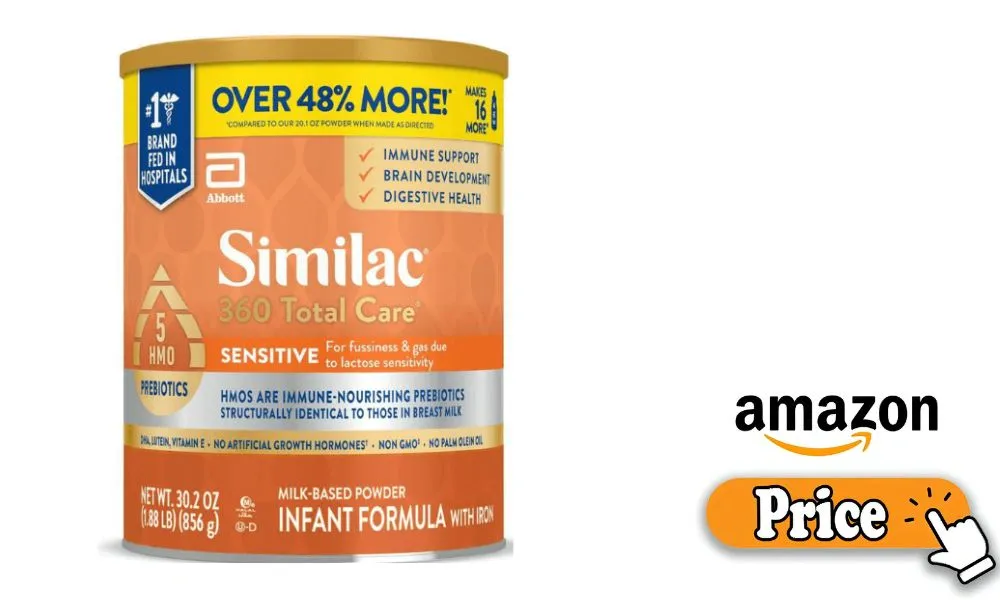
Similac 360 Total Care Sensitive Review
Similac’s latest sensitive offering focuses heavily on closely mirroring the complex immune-supporting properties natively found in human breast milk. It is meticulously tailored for infants who specifically struggle with lactose breakdown and absorption in the gut.
Pros and Cons
Evaluating this premium product requires looking very closely at its advanced immune additions alongside its primary carbohydrate choices. Here is a perfectly balanced view of what it brings to the modern nursery.
| Feature Profile | Notable Advantages | Potential Drawbacks |
| Immune Support | Contains an exclusive 5 HMO prebiotic blend | Premium price point per ounce |
| Carbohydrates | Nearly 100% lactose-free for sensitivity | Uses corn syrup for main energy |
| Mixability | Dissolves incredibly smoothly in water | Can occasionally cause firmer stools |
The impressive inclusion of an exclusive prebiotic blend truly sets this option apart in the crowded premium sensitive category. It deliberately aims to support overall gut health while simultaneously minimizing painful digestive distress.
Real-World Feeding Experience
Parents often praise how incredibly smoothly this powder dissolves, leaving minimal gritty residue on the sides of the bottle after a long feeding. I rarely see the thick, stubborn clumps that can make those middle-of-the-night feedings so incredibly frustrating and messy.
The taste tends to lean just a bit sweeter due to the carbohydrate replacements used to mimic standard lactose energy. You will likely experience the familiar anxiety of waiting for a dirty diaper after transitioning, but stool consistency usually normalizes within a week.
Recommendation
This formulation is ideally suited for babies who have a known, doctor-confirmed sensitivity or mild intolerance to lactose. If your infant exhibits excessive gas or painful bloating on standard milk-based options, this is a very logical, safe next step to try.
I also strongly suggest this for families who prioritize immune support through advanced HMO blends that replicate human milk components. It provides a robust, complete nutritional profile for growing babies who simply need a low-lactose approach to thrive.
Details Comparison: Enfamil Gentlease vs Similac 360 Sensitive
To truly understand which product might soothe your little one, we have to look intimately under the hood at their specific nutritional engineering. Both are absolutely excellent, but they tackle infant discomfort through entirely different biological pathways.
| Feature Overview | Enfamil Gentlease | Similac 360 Sensitive |
| Primary Fix | Partially hydrolyzed proteins | Lactose reduction |
| Prebiotics | Standard blend | Advanced 5 HMO blend |
| Protein Base | Whey dominant | Intact milk isolate |
This high-level overview highlights the foundational differences in how these two industry giants approach complex infant digestion. Now, let us break down each crucial nutritional category in exhaustive, objective detail.
Ingredient Quality & Cleanliness
The debate between these two formulas often centers on modified protein structures versus alternative carbohydrate sources. Enfamil uses partially hydrolyzed proteins—meaning they are pre-broken down—making the whey dominant and casein blend much easier on the gut.
Similac, on the other hand, keeps its proteins intact but nearly eliminates lactose, replacing it entirely with easily digestible corn syrup. As one clinical pediatric nutrition text accurately notes, “Carbohydrate substitution is a standard, safe pediatric practice for managing transient lactase deficiency in early infancy.”
Understanding these distinct, heavily researched ingredient pathways is the absolute key to matching the formula to your baby’s specific digestive hurdle. Here is exactly how their core macronutrient components line up against one another on the label.
| Core Component | Enfamil Approach | Similac Approach |
| Protein Status | Partially Hydrolyzed | Fully Intact |
| Carbohydrate | Corn Syrup & Lactose | 100% Corn Syrup |
| Added Fats | Contains Palm Olein Oil | No Palm Olein Oil |
Neither of these carbohydrate replacements are intrinsically harmful, despite what some alarming, medically unverified internet blogs might claim. They simply serve as necessary, FDA-approved energy sources when standard lactose or intact cow proteins cause infant pain.
Rating: Enfamil Gentlease: 8/10 || Similac 360 Sensitive: 8/10
Digestibility & Tummy Tolerance
Digestibility is exactly where you will see the most dramatic, immediate day-to-day difference in your baby’s overall mood. Gentlease primarily addresses protein sensitivities, which is very often the culprit when babies struggle to break down standard, large cow’s milk molecules.
Similac directly tackles the lactose angle, which is fantastic for gas but can occasionally lead to firmer stools because of the missing lactose-driven moisture. Nothing is worse than having your baby spit up on a fresh outfit right before walking out the door due to a poorly matched formula.
Let’s objectively compare how these two perform when it comes to the most common tummy troubles exhausted parents report. Always remember that every single infant’s delicate digestive tract matures and adapts at its own unique pace.
| Tummy Symptom | Enfamil Effectiveness | Similac Effectiveness |
| Severe Gas | Moderate relief | High relief (if lactose based) |
| Hard Stools | Generally softer stools | Can cause occasional firmness |
| Spit-Up Frequency | Reduces due to gentle proteins | Reduces due to easy digestion |
The transition phase is crucial; as veteran pediatric dietitians advise, “Always allow an infant’s gut at least ten to fourteen days to fully adapt to a newly introduced protein matrix.” Switching too frequently can actually exacerbate the very gas and fussiness you are desperately trying to resolve.
Rating: Enfamil Gentlease: 9/10 || Similac 360 Sensitive: 8/10
Preparation & Mixing Ease
When you are deeply exhausted, how a powdered formula mixes quickly feels like a major, unavoidable quality-of-life issue. Enfamil powders tend to be slightly more prone to static cling in the scoop and can occasionally require warmer water to dissolve perfectly.
Similac’s 360 line generally mixes with effortless, silky fluidity, whether you are using room temperature or gently warmed purified water. Both major brands strictly adhere to rigorous FDA guidelines regarding safe preparation practices and standardized scoop sizes.
Preparing nighttime bottles efficiently is an essential survival skill, especially when dealing with a screaming, wildly hungry infant. Here is a clear breakdown of their daily mixing habits and physical preparation realities.
| Prep Factor | Enfamil Reality | Similac Reality |
| Powder Texture | Slightly sticky and dense | Fine and free-flowing |
| Foam Level | Moderate to high foam | Very low foam generation |
| Clump Risk | Occasional nipple clogs | Very rare clumping issues |
Never pack the plastic scoop tightly, and always add water to the bottle before adding the formula powder to ensure exact, safe measurements. Diluting formula to save money is extremely dangerous for your baby’s delicate, developing electrolyte balance.
Rating: Enfamil Gentlease: 7/10 || Similac 360 Sensitive: 9/10
Value & Cost per Ounce
Feeding a growing baby is an inherently expensive endeavor, and specialized digestive formulas always carry a slight premium over standard versions. The panic of noticing your chosen formula is consistently out of stock at local retailers can easily drive you to buy overpriced secondary market cans.
Both established brands are widely available in big-box grocery stores, but finding large bulk tubs is the best way to manage the long-term financial impact. Actively signing up for brand reward programs can significantly ease the heavy monthly burden on your family wallet.
Let’s look objectively at the overall financial commitment required for feeding both of these highly popular sensitive options. Retail prices will naturally fluctuate based on your specific geographic region and preferred shopping retailer.
| Value Metric | Enfamil Strategy | Similac Strategy |
| Bulk Availability | Excellent bulk refill boxes | Good tub sizes available |
| Average Cost | Slightly more affordable | Premium pricing for HMOs |
| Liquid Formats | Widely available ready-to-feed | Widely available ready-to-feed |
Ready-to-feed liquid versions are wildly convenient but will easily double your monthly formula budget if you use them exclusively. Stick to the powdered formats for everyday home use and strategically save the liquid bottles for stressful travel days.
Rating: Enfamil Gentlease: 8/10 || Similac 360 Sensitive: 7/10
Conclusion and Safety Reminder
Choosing successfully between these two genuinely excellent products comes down to identifying whether your baby struggles more with complex protein or lactose. Trust your parental instincts, monitor their diapers, and keep a very close eye on their daily comfort levels.
As always, please consult your trusted pediatrician before making any significant dietary changes, especially if you strongly suspect a clinical allergy. A medical doctor can provide personalized, accurate guidance perfectly tailored to your infant’s unique physiological needs.