
Enfamil Gentlease vs Similac Sensitive Reviewed
When comparing enfamil gentlease vs similac sensitive, exhausted parents often feel completely overwhelmed by the complex marketing jargon on the cans. You just want to soothe your baby’s cries and finally get some sleep.
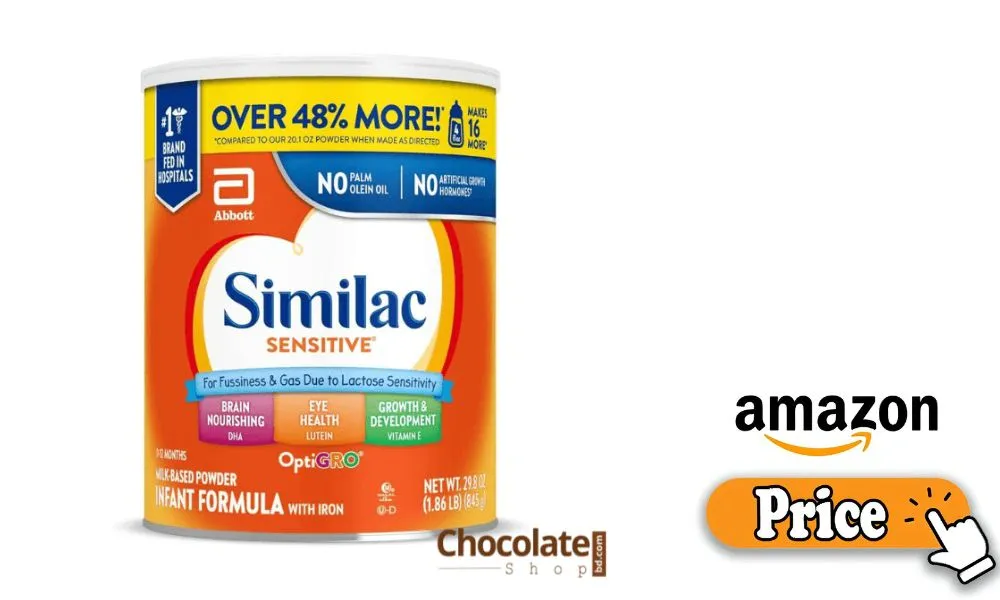
In my fifteen years analyzing infant nutrition, I have seen parents panic-search for out-of-stock cans of both formulas. Today, we will break down exactly which specialized formula is right for your baby’s delicate tummy.
Formula Profile and Symptom Match
Understanding the basic profile of each formula is the crucial first step for parents. Let us look at how they compare nutritionally.

| Feature Overview | Enfamil Gentlease | Similac Sensitive |
| Primary Target | Gas, fussiness, and crying | True lactose sensitivity |
| Protein Style | Partially hydrolyzed | Intact protein isolate |
| Palm Olein Oil | Yes, included in fat blend | No, completely palm oil free |
These features show how each brand tackles digestive discomfort quite differently. The absolute right choice depends entirely on your baby’s unique daily needs.
It is always stressful watching your baby spit up on a fresh outfit right before walking out the door. Matching the formula precisely to the symptom helps reduce these messy, heartbreaking moments.
Intact vs. Partially Hydrolyzed Proteins Explained
The way proteins are structurally broken down plays a massive role in comfortable digestion. Here is a clear look at their specific protein structures.
| Protein Metric | Enfamil Gentlease | Similac Sensitive |
| Protein Source | Whey and casein blend | Milk protein isolate |
| Hydrolysis Level | Partially broken down | Fully intact proteins |
| Digestion Speed | Faster gastric emptying | Standard digestion rate |
Enfamil uses partially hydrolyzed proteins, meaning they are already broken down into smaller, easier-to-digest pieces. This significantly helps babies who struggle with standard protein structures.
Similac Sensitive utilizes intact milk protein isolate, meaning the proteins are not pre-digested at all. As one pediatric guideline states, “Hydrolyzed proteins often accelerate gastric emptying for colicky infants.”
If your baby has trouble breaking down standard cow milk proteins, the partially hydrolyzed blend in Gentlease is better. It is usually much easier on their rapidly developing gut microbiome.
Lactose Reduction and Carbohydrate Replacements
Both major brands aggressively reduce lactose to help soothe gassy, bloated tummies. Let us compare their specific carbohydrate replacement choices side-by-side.
| Carbohydrate Source | Enfamil Gentlease | Similac Sensitive |
| Lactose Content | Roughly 20% remaining | Less than 2% remaining |
| Primary Carb | Corn syrup solids | Corn syrup |
| Sweetness Profile | Very mild, slightly bitter | Noticeably sweeter taste |
Similac relies heavily on corn syrup to provide necessary carbohydrates since it is nearly lactose-free. This is perfectly safe, but some modern parents prefer avoiding standard corn syrup entirely.
Enfamil Gentlease reduces lactose by about eighty percent, utilizing corn syrup solids to comfortably make up the energy difference. A small amount of natural lactose wisely remains to help support healthy gut flora.
Remember that carbohydrates are absolutely essential for your baby’s rapid, daily brain development. These alternative carb sources are strictly regulated by FDA guidelines to ensure safety and proper growth.
Managing Reflux, Gas, and Colic Expectations
No infant formula magically prevents all digestive issues instantly or cures colic overnight. Here is a realistic, honest look at daily symptom management for both options.
| Symptom Target | Enfamil Gentlease | Similac Sensitive |
| Gas & Fussiness | High effectiveness rate | Moderate effectiveness |
| Lactose Bloating | Moderate relief | Maximum relief provided |
| Reflux Soothing | Mild symptom reduction | Mild symptom reduction |
Similac Sensitive is specifically designed for lactose sensitivity, which is actually quite rare in young infants. However, it can significantly help babies who truly require a low-lactose diet.
Enfamil Gentlease actively targets general fussiness, crying, and severe gas within twenty-four hours. The specialized, broken-down proteins make it a fantastic initial option for babies struggling with mild colic.
I have spent many nights vigorously shaking a bottle and dealing with excessive foam blocking the nipple. Proper mixing requires gently swirling the powder, drastically reducing swallowed air and painful trapped gas.
The Reality of Hypoallergenic Smells and Tastes
Specialized infant formulas rarely smell like sweet, natural breast milk. Let us examine the honest pros and cons regarding their taste and smell profiles.
| Attribute Comparison | Enfamil Gentlease | Similac Sensitive |
| Scent Profile | Distinct, slightly metallic | Standard milky scent |
| Taste Acceptance | May require adjustment | Usually accepted quickly |
| Texture & Mixing | Clumps if shaken poorly | Mixes relatively smooth |
You will quickly notice the distinct, sometimes metallic or slightly sour smell of partially hydrolyzed formulas. This is completely normal and entirely safe for your baby to consume daily.
Similac Sensitive generally tends to taste slightly sweeter due to its specific, isolated carbohydrate blend. Babies transitioning directly from standard formulas often accept this sweeter taste a bit more readily.
Do not let the strong scent of Gentlease alarm you during a dark, late-night feeding session. Most fussy babies adapt to the unique flavor profile beautifully within a few days of consistent feeding.
Transitioning Your Baby and Waiting for Results
Switching formulas safely requires immense daily patience and careful symptom observation. Here is a quick, reliable guide to their preparation formats and transition periods.
| Prep & Storage | Enfamil Gentlease | Similac Sensitive |
| Available Formats | Powder and ready-to-feed | Powder and ready-to-feed |
| Powder Scoop Size | Unpacked, level scoop | Unpacked, level scoop |
| Prepared Shelf Life | 24 hours refrigerated | 24 hours refrigerated |
The anxiety of waiting for a dirty diaper after transitioning to a new brand is a universal parenting experience. Give your baby’s digestive system at least two weeks to adapt fully.
Never dilute formula beyond the manufacturer’s strict directions, even if you are trying to stretch a tight budget. As veteran parent groups frequently advise, “Cold turkey formula switches often cause significantly more digestive distress.”
Gradually mix the new powder with the old one evenly over a few consecutive days. This slow, steady transition helps mitigate sudden gas, new constipation, or severe fussiness as their gut adjusts.
Price per Ounce Reality for Specialized Diets
Budgeting effectively for specialized baby formula is a harsh financial reality for modern families. Let us carefully look at the basic financial breakdown for these cans.
| Price & Availability | Enfamil Gentlease | Similac Sensitive |
| Retail Cost Range | Premium pricing tier | Premium pricing tier |
| Bulk Availability | Highly accessible in tubs | Available in large cans |
| Cost per Ounce | Slightly higher on average | Slightly lower on average |
Both of these specialized feeding options cost noticeably more than their standard, everyday counterparts. Finding the absolute best value often requires buying in bulk or actively securing recurring brand subscriptions.
The sudden panic of noticing your chosen formula is consistently out of stock at local retailers is terrifying. I highly recommend keeping at least a solid two-week backup supply stored safely on hand.
Similac Sensitive often runs slightly cheaper per ounce, depending heavily on your local pharmacy or big-box store. Always closely check the price per ounce label rather than the total sticker price.
Who Should Choose Enfamil Gentlease?
Making the final formula decision comes down to matching specific ingredients to your baby. Here is exactly who benefits the most from choosing this trusted brand.
- Babies who actively struggle with breaking down standard, intact milk protein structures.
- Infants displaying consistent general fussiness, trapped gas, and mild colic symptoms.
- Parents actively seeking a partially hydrolyzed, easily digested whey and casein blend.
- Families willing to navigate a short taste-adjustment period for better digestion.
Enfamil Gentlease offers a gentle, highly effective middle ground before moving to fully hypoallergenic dietary options. It is highly trusted and frequently recommended by practicing pediatricians worldwide.
Who Should Choose Similac Sensitive?
Similac serves a very specific, targeted dietary need for highly sensitive infants. Consider utilizing this option if your baby clearly fits these specific medical criteria.
- Babies with a confirmed, doctor-diagnosed severe lactose sensitivity or intolerance.
- Infants who easily tolerate intact milk protein isolate without any digestive issues.
- Parents actively looking for a formula option completely free of palm olein oil.
- Families wanting a slightly sweeter taste profile for easier initial bottle acceptance.
Similac Sensitive is an excellent, reliable choice for true, diagnosed lactose digestion issues. The total lack of palm olein oil also promotes softer daily stools and much better calcium absorption.
Conclusion and Pediatrician Consultation Reminder
Navigating infant nutrition choices is undeniably one of the hardest parts of early parenting. Trust your gut instincts, read the labels carefully, and closely monitor your baby’s daily reactions.
Always consult your pediatrician before switching formulas, especially if you strongly suspect underlying allergies or severe medical conditions. They can easily provide personalized, evidence-based medical guidance for your child.
Whether you ultimately choose the broken-down proteins of Enfamil or the low-lactose profile of Similac, you are doing a great job. Keeping your baby fed, safe, and loved is always the ultimate daily goal.