
Similac Advance vs Similac Total Comfort Guide
Navigating the differences between similac advance vs similac total comfort can feel completely overwhelming when you are surviving on two hours of sleep. I have spent over 15 years evaluating infant nutrition, and I completely understand the immense pressure of choosing the right bottle.

Both of these formulas offer complete nutrition, but they cater to very different digestive needs for your growing baby. Let us break down the exact differences so you can make a confident, stress-free decision for your little one’s feeding journey.
Similac Advance Review
This standard, lactose-based formula serves as the foundational offering in the brand’s extensive lineup, designed for general infant feeding. It utilizes an intact milk protein and casein blend to provide a robust nutritional baseline that closely mimics traditional breast milk.
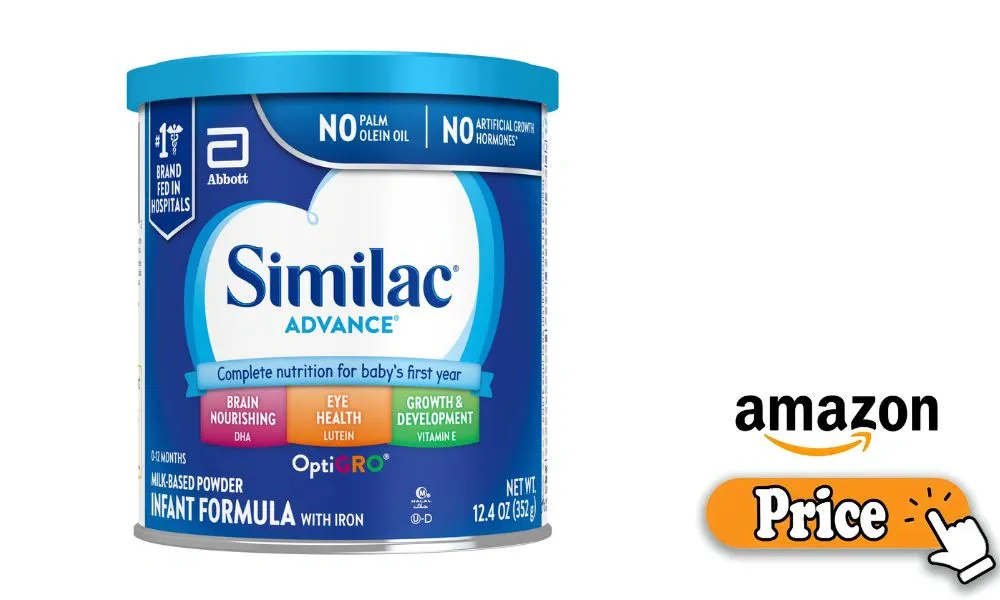
For most healthy babies without specific dietary sensitivities, this formulation delivers reliable, steady growth and excellent daily energy levels. I often recommend it as a great starting point for parents transitioning away from exclusive breastfeeding and entering the formula world.
Pros and Cons
Evaluating the advantages and drawbacks requires looking past the marketing claims to see how it actually performs at home. The everyday reality of using a formula often reveals nuances that simple ingredient lists simply cannot show.
Here is a balanced look at what you can reasonably expect when incorporating this standard formula into your daily routine.
| Feature Focus | The Core Advantages | Potential Drawbacks |
| Protein Blend | High-quality intact cow’s milk | Harder to digest for some |
| Carbohydrates | 100% pure lactose energy | May trigger gas in sensitivities |
| Affordability | Very budget-friendly price point | Standard bulk can packaging |
Understanding these practical realities helps manage expectations before you commit to buying a large supply for your pantry. It is always better to know the potential hurdles before you officially start the stressful transition process with your infant.
Real-World Feeding Experience
During those exhausting 3 AM bottle preparations, I found that this powder mixes fairly easily but does require vigorous shaking. Unfortunately, vigorously shaking a bottle often creates excessive foam or clumps blocking the nipple, which can greatly frustrate a hungry baby.
The consistency is quite smooth once properly mixed, offering a mild, milky taste that most infants accept without much fuss. You will not typically encounter the distinct, sometimes metallic or sour smell of hypoallergenic formulas here, which is a massive relief.
Recommendation
This formula is an excellent, cost-effective choice for babies who have absolutely no trouble digesting standard cow’s milk proteins. If your little one handles routine dairy well, there is rarely a nutritional need to spend extra money on specialized alternatives.
I highly suggest starting with this standard option if you are supplementing or transitioning, as it provides a solid nutritional foundation. Keep a close eye on their diapers and temperament during the first week to confidently ensure they are tolerating it well.
Similac Total Comfort Review
When a baby struggles with routine digestion, this specialized formula steps in with partially hydrolyzed proteins and GOS prebiotics to ease the burden. The proteins are broken down into smaller pieces, which significantly speeds up the entire gastric emptying process in their tummy.
This thoughtful structural change is specifically intended to help babies who experience persistent fussiness, painful gas, or mild digestive discomfort. It is a targeted solution for parents who feel entirely helpless watching their infant struggle after every single feeding session.
Pros and Cons
Switching to a sensitive formulation inevitably involves a few trade-offs in taste and carbohydrate sourcing that you need to fully understand. Preparing yourself for these minor compromises ensures you are not caught off guard during the first few days of feeding.
Let us carefully review the primary benefits and the necessary compromises involved in choosing this gentle alternative for your baby.
| Feature Focus | The Core Advantages | Potential Drawbacks |
| Protein Size | Partially hydrolyzed for easy digestion | Slightly more bitter taste profile |
| Carb Source | Significantly reduced lactose content | Uses maltodextrin and corn syrup |
| Symptom Relief | Greatly reduces mild gas and fussiness | Noticeably higher cost per ounce |
These specialized changes make a massive difference for sensitive tummies, even if the carbohydrate profile is less than naturally ideal. Always explicitly weigh your baby’s absolute comfort against the slightly premium price tag when making your final nutritional decision.
Real-World Feeding Experience
Preparing this gentle formula often requires slightly warmer water to get the specialized protein structures to dissolve completely and smoothly. I distinctly remember the acute anxiety of waiting for a dirty diaper after transitioning to a new brand, hoping for improvement.
The scent is definitely earthier and slightly more pungent than standard formulas, which is completely normal for broken-down whey proteins. However, seeing an immediate reduction in crying and discomfort makes the slightly unpleasant smell entirely worth it for most exhausted families.
Recommendation
I highly recommend this targeted option for infants who exhibit clear, persistent signs of lactose sensitivity or mild protein digestion issues. If you are constantly dealing with a baby spitting up on a fresh outfit right before walking out the door, it genuinely helps.
It is not designed for severe, diagnosed milk protein allergies, but rather for navigating those frustrating, ambiguous daily tummy troubles. “The best formula for sensitive stomachs is the one that brings peaceful rest to both baby and parents,” as many veteran parents say.
Details Comparison: Similac Advance vs Similac Total Comfort
To make an informed decision, we must place these two distinct options side-by-side and evaluate their highly specific nutritional profiles. Let us closely examine how their different approaches to carbohydrates, proteins, and fats impact your baby’s everyday feeding experience.
A quick glance at their core features highlights exactly why they serve such vastly different purposes in the pediatric nutrition landscape. Reviewing these fundamental basics will help you instantly recognize which nutritional path aligns perfectly with your baby’s unique dietary needs.
| Nutritional Aspect | Advance Standard | Total Comfort Gentle |
| Protein Structure | Intact cow’s milk proteins | Partially hydrolyzed whey |
| Main Carbohydrate | 100% pure lactose energy | Corn syrup and maltodextrin |
| Best Suited For | Healthy, routine digestion | Gas, fussiness, mild discomfort |
This fundamental difference in protein and carbohydrate sourcing basically dictates almost everything about how your infant will process their liquid meal. Let us dive much deeper into these specific categories to see which formulation truly aligns with your family’s health requirements.
Ingredient Quality & Cleanliness
The standard version proudly relies on lactose, which is the exact same primary carbohydrate found naturally in human breast milk. This gives it a significant edge in mimicking nature, provided your infant has the specific enzymes required to break it down.
Conversely, the gentle alternative reduces lactose, replacing it with easily digestible maltodextrin to provide calories, while incorporating immune-supporting HMOs. While some parents worry about corn syrup, in infant nutrition, it is purely a safe, functional carbohydrate source for sensitive digestion.
Here is a direct comparison of their foundational macronutrient sources to help properly clarify the specific, targeted nutritional differences. Understanding exactly what is inside each canister empowers you to make the absolute safest and most effective choice for your baby.
| Ingredient Category | Advance Standard | Total Comfort Gentle |
| Carbohydrate Base | Pure lactose | Maltodextrin and sugar |
| Protein Source | Nonfat milk and whey | Whey protein hydrolysate |
| Fat Blend | High oleic safflower oil | High oleic safflower oil |
Both options are fortified with crucial DHA and ARA for brain health and thankfully avoid palm olein oil entirely. This specific fat exclusion is a fantastic benefit for promoting softer stools and much better long-term calcium absorption.
Rating: Similac Advance: 9/10 || Similac Total Comfort: 8/10
Digestibility & Tummy Tolerance
Digestibility is exactly where the gentle formulation completely outshines its standard sibling, specifically for babies struggling with persistent gastrointestinal distress. The partially hydrolyzed whey essentially acts almost like a pre-digested meal, asking very little of your infant’s immature digestive tract.
For healthy babies, the intact proteins in the standard version effectively help strengthen the digestive system naturally over a longer time. However, if your baby lacks tolerance, those intact proteins can rapidly lead to painful gas bubbles and extended, stressful crying spells.
This practical breakdown clearly illustrates how each specific formula directly addresses common infant digestive complaints in the real world. By intelligently comparing these outcomes, you can better predict how your little one might physically react after their first transition bottle.
| Digestive Issue | Advance Standard | Total Comfort Gentle |
| Mild Gas | May cause issues in some | Highly effective, rapid relief |
| Constipation | Generally well tolerated | Promotes notably softer stools |
| Reflux / Spit-Up | Standard digestion speed | Faster stomach emptying time |
As standard pediatric nutritional guidelines often note, “Modifying protein structures is a primary defense against infant gastrointestinal distress.” Managing these painful symptoms quickly and safely is paramount.
Rating: Similac Advance: 7/10 || Similac Total Comfort: 9/10
Preparation & Mixing Ease
When preparing the standard powder, it generally mixes quite effortlessly with room temperature water, saving you precious minutes at night. You rarely have to aggressively deal with frustrating clumping, though a good, firm shake is always required to integrate the fats properly.
The specialized gentle powder can sometimes intuitively feel slightly stickier due to the broken-down proteins and complex carbohydrate profile. It may easily require a few extra swirls or slightly warmer water to successfully achieve that perfectly smooth, lump-free consistency.
Here is what you can absolutely expect when standing at the kitchen counter frantically making emergency bottles in the middle of the night. These seemingly minor preparation nuances can unfortunately become major frustrations when you are operating on severe, unrelenting sleep deprivation.
| Prep Factor | Advance Standard | Total Comfort Gentle |
| Water Temp Needed | Room temperature is fine | Slightly warm is much better |
| Clumping Risk | Very low clumping risk | Moderate clumping risk |
| Foam Production | Minimal to moderate foam | Can foam if shaken hard |
I always highly recommend swirling the sensitive mixture gently rather than shaking it violently to keep excess air bubbles to a bare minimum.
Rating: Similac Advance: 9/10 || Similac Total Comfort: 8/10
Value & Cost per Ounce
Financing infant nutrition is undeniably a major parental stressor, and the standard formulation is incredibly budget-friendly for most modern families. It is widely available, frequently goes on sale, and undeniably offers an excellent nutritional return for your hard-earned money.
The sensitive version demands a steep premium price tag, reflecting the complex manufacturing process required to partially hydrolyze the whey proteins. Additionally, the sheer panic of noticing your chosen specialty formula is consistently out of stock at local retailers is deeply stressful.
Let us realistically look at the daily financial realities of smoothly sustaining a long-term feeding plan with either of these popular options. Factoring in total retail accessibility and long-term bulk costs is absolutely vital for keeping your family budget safely on track.
| Value Metric | Advance Standard | Total Comfort Gentle |
| Price Point | Very budget friendly | Noticeably premium price |
| Availability | Found in almost all stores | Sometimes very hard to find |
| Bulk Buying | Easy to buy in large tubs | Limited bulk availability |
If your growing baby does not specifically need the specialized protein breakdown, there is simply no foundational nutritional reason to pay the premium.
Rating: Similac Advance: 9/10 || Similac Total Comfort: 7/10
Conclusion and Safety Reminder
Choosing securely between these two trusted formulations ultimately comes down to accurately reading your baby’s specific digestive cues and comfort levels. The standard option effectively provides incredible, breast-milk-like nutrition at a fantastic price point for infants with healthy, robust digestive systems.
However, if your precious baby is suffering from persistent gas or fussiness, the gentle formulation is an absolute, undeniable lifesaver. Please remember to always consult your trusted pediatrician before making any permanent formula switches to ensure it safely aligns with their medical needs.