
Similac Advance vs Similac Sensitive Explained
Choosing between Similac Advance vs Similac Sensitive is a common crossroads for parents standing in the baby aisle at midnight. I have been that exhausted parent, staring at formula cans and desperately trying to decode the nutritional jargon while a hungry baby waits at home.
With over 15 years in infant nutrition strategy, I understand how crucial it is to get this right for your baby’s tummy. Both of these options offer solid foundational nutrition, but the structural differences in their carbohydrates and proteins are night and day.
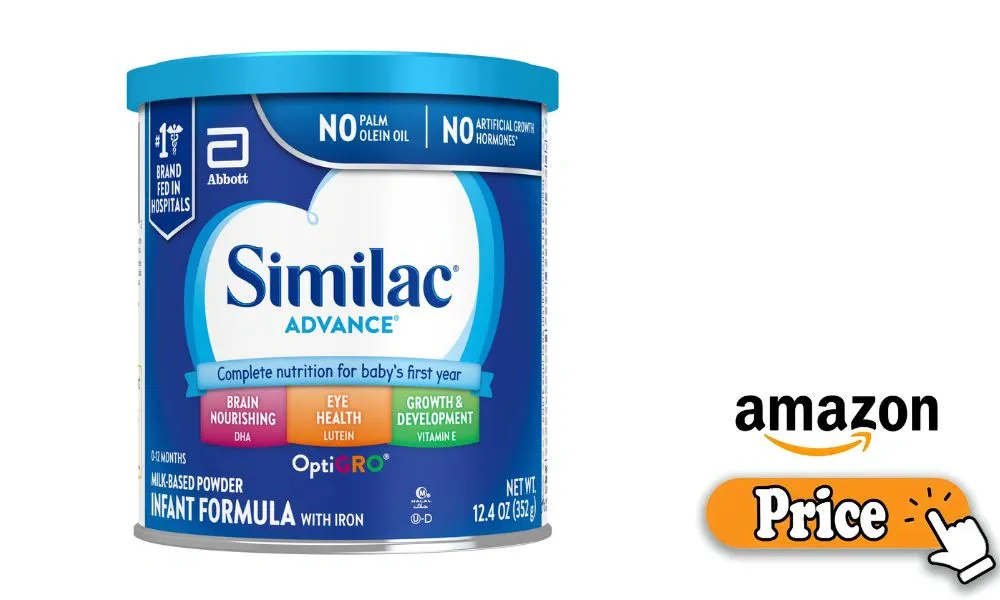
Similac Advance Review
Let’s start with Similac’s flagship product, a traditional standard formula designed for healthy, full-term babies. This is often the default nutritional choice utilized in many hospital maternity wards.
Pros and Cons
Every standard formula has its strong points and areas where it might not work for specific infants. Here is a quick objective breakdown of where Advance shines and where it occasionally falls short.
| Feature Profile | Notable Advantages | Potential Drawbacks |
| Carbohydrates | Uses 100% pure lactose | May cause gas in sensitive babies |
| Availability | Easy to find in stores | Occasional regional shortages |
| Cost Efficiency | Lower price per ounce | Still pricier than store brands |
While standard formulas are wonderfully tolerated by most, minor digestive hiccups can still occur during the first few weeks. Always monitor your baby’s unique reaction during the feeding transition phase.
Real-World Feeding Experience
In my experience preparing thousands of bottles, Similac Advance mixes incredibly smoothly with warm water, leaving very few dry clumps blocking the nipple. The powder has a mild, sweet milky aroma that most infants accept without much fuss during the delicate transition period.
However, I have noticed that vigorously shaking a bottle can create excessive foam, which might cause some extra burping later on. The stool consistency on this formula tends to mimic breastfed babies fairly well, though waiting for that first dirty diaper after a transition always causes a bit of parental anxiety.
Recommendation
Similac Advance is an absolute excellent starting point if your baby has no known feeding issues, clinical allergies, or severe reflux tendencies. It closely mirrors the beneficial lactose-based carbohydrate profile found naturally in human breast milk.
If you are supplementing a breastfed baby or transitioning fully to formula without pre-existing digestive red flags, this should be your baseline. It provides robust, evidence-based nutrition without the premium price tag associated with highly specialized alternatives.
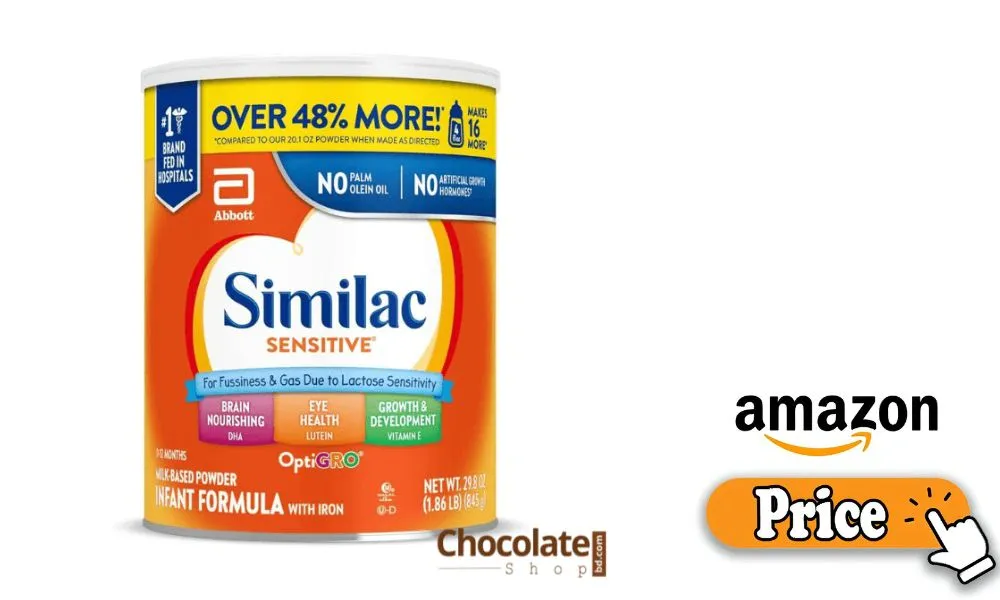
Similac Sensitive Review
Moving over to the specialized side, this formula shifts the ingredient profile specifically to address targeted infant digestive discomforts. It aims to reduce fussiness and trapped gas directly linked to carbohydrate digestion issues.
Pros and Cons
Formulating for sensitive tummies requires necessary trade-offs, particularly when replacing natural lactose with alternative carbohydrate sources. Here is what you need to know about navigating this specialized blend.
| Feature Profile | Notable Advantages | Potential Drawbacks |
| Digestion | Reduces lactose-related gas | Higher sugar/corn syrup content |
| Comfort Level | Quick relief for fussiness | Stools may become slightly firmer |
| Accessibility | Wide retail distribution | Higher premium cost per ounce |
Remember that the label “sensitive” absolutely does not mean hypoallergenic; it is specifically targeted at lactose sensitivity rather than a true, diagnosed cow’s milk protein allergy.
Real-World Feeding Experience
When dealing with colicky, continually gassy babies, switching to Similac Sensitive can sometimes feel like a literal lifesaver after just a few rough days. The powder itself is slightly denser and sometimes requires a bit more intentional swirling to fully dissolve in the bottle.
You might notice a distinctly sweeter, slightly metallic smell compared to standard formulas, which is entirely typical for reduced-lactose options. Babies with true lactose processing issues usually stop spitting up on fresh outfits quite as often once they settle into this new carbohydrate blend.
Recommendation
I recommend Similac Sensitive specifically for infants who have shown clear, repeated signs of gas, bloating, or excessive crying after consuming standard formulas. It functions best as a targeted nutritional tool for a very specific digestive problem.
It is not necessary for every single baby, and starting here by default might needlessly deprive a completely healthy infant of lactose, a highly beneficial carbohydrate. Only make this permanent switch if you observe consistent signs of lactose-related digestive distress over time.
Details Comparison: Similac Advance vs Similac Sensitive
Comparing these two side-by-side reveals exactly how Abbott Nutrition alters its core recipe to soothe different types of infant digestive systems. Here is a baseline nutritional overview of what to expect in the bottle.
| Nutritional Element | Similac Advance Profile | Similac Sensitive Profile |
| Calories per oz | 20 standard calories | 20 standard calories |
| Primary Carb | 100% Lactose | Corn Syrup / Sugar |
| Protein Source | Intact Cow’s Milk | Intact Cow’s Milk |
As you can clearly see, the foundational macronutrient counts are nearly identical across both cans, but the actual ingredient sources of those essential nutrients are entirely different.
Ingredient Quality & Cleanliness
The most profound structural difference lies in the carbohydrate sources; Advance uses pure lactose, the primary sugar in breast milk, which is optimal for calcium absorption. Sensitive replaces this almost entirely with corn syrup and sugar to bypass normal lactose digestion pathways.
Both formulas heavily utilize intact cow’s milk proteins and a very similar fat blend containing palm olein oil, which can occasionally firm up stools. As noted by leading pediatric guidelines, “Lactose remains the absolute gold standard carbohydrate for healthy infants unless a specific intolerance is clinically diagnosed.”
Let’s look at exactly how their core developmental ingredients stack up against one another in a direct head-to-head comparison.
| Ingredient Category | Advance Source Quality | Sensitive Source Quality |
| Brain Support | High-quality DHA/ARA | High-quality DHA/ARA |
| Immune Prebiotics | Contains beneficial HMOs | Contains beneficial HMOs |
| Base Oils | Includes Palm Olein Oil | Includes Palm Olein Oil |
Both variations reliably provide essential DHA and ARA for healthy brain development, alongside vital HMOs for immune system support, keeping their overall nutritional value exceptionally high.
Rating: Similac Advance: 9/10 || Similac Sensitive: 7/10
Digestibility & Tummy Tolerance
For a standard baby with a mature, healthy gut, Advance is incredibly easy to digest because their body naturally produces abundant lactase enzymes. However, if a baby unfortunately lacks this enzyme, the intact lactose will ferment rapidly in the gut, causing severe gas.
This is exactly where Sensitive shines, eliminating the heavy lactose hurdle to quickly resolve bloating and crying fits related to carbohydrate fermentation. However, both still use intact milk proteins, meaning neither will actually help a baby suffering from a true milk protein allergy.
Evaluating precisely how each formula handles common newborn feeding pain points can greatly help you match the right product to your baby’s symptoms.
| Digestive Issue | Advance Performance | Sensitive Performance |
| Trapped Gas | Excellent for normal guts | Superior for lactose issues |
| Spit-Up Rates | Standard expected levels | Often reduces acid reflux |
| Constipation | Palm oil may firm stools | Palm oil may firm stools |
Always keep a close eye on your baby’s daily diaper output, as the palm olein oil utilized in both can sometimes contribute to mild constipation regardless of the carbohydrate source.
Rating: Similac Advance: 8/10 || Similac Sensitive: 8/10
Preparation & Mixing Ease
During those blurry, exhausted 3 AM bottle preparations, you desperately need a powder that dissolves quickly without leaving frustrating dry clumps. Advance generally mixes effortlessly with a quick swirl of warm water, completely minimizing the need for aggressive shaking.
Sensitive sadly tends to be slightly stickier due to the heavy corn syrup solids, requiring a bit more agitation to achieve a perfectly smooth consistency. Always remember to shake gently side-to-side to avoid trapping excess air bubbles that your baby will inevitably swallow.
Both convenient options identically require the standard one unpacked level scoop of dry powder for every two fluid ounces of warm water.
| Preparation Aspect | Advance Experience | Sensitive Experience |
| Dissolve Rate | Fast and highly smooth | Slightly slower to mix |
| Foam Creation | High if shaken hard | Moderate foam levels |
| Clumping Risk | Very low clumping risk | Occasional bottle clumps |
Always strictly follow the exact manufacturer directions printed on the can, and never dilute the formula to stretch your budget, as this is highly dangerous.
Rating: Similac Advance: 9/10 || Similac Sensitive: 8/10
Value & Cost per Ounce
The sheer panic of noticing your chosen formula is consistently out of stock or suddenly far more expensive is a stressful reality for modern parents. Advance is heavily produced, widely available across major retailers, and represents the brand’s most cost-effective powdered option.
Sensitive, being a highly specialized medical formulation, typically carries a premium price tag and occasionally experiences tighter shelf stock levels. You are undeniably paying a noticeable premium for the specialized carbohydrate processing involved in its complex manufacturing.
Breaking down the actual financial cost per ounce is truly the only reliable way to accurately compare the long-term budget commitment.
| Value Metric | Similac Advance Cost | Similac Sensitive Cost |
| Price per Ounce | Roughly $1.15 to $1.25 | Roughly $1.35 to $1.50 |
| Bulk Availability | Excellent bulk options | Limited bulk sizing |
| Generic Rivals | Many cheap store brands | Fewer sensitive generics |
Buying consistently in large bulk orders or subscribing through direct retail delivery channels can genuinely help mitigate the premium cost of the sensitive version over time.
Rating: Similac Advance: 9/10 || Similac Sensitive: 7/10
Conclusion and Safety Reminder
Ultimately, the complex choice between these two highly reliable options comes down to closely observing your baby’s specific digestive cues and trusting your parental instincts. As one veteran pediatrician often reminds me, “The absolute best formula on the market is simply the one your baby digests comfortably and thrives on.”
Always consult your trusted pediatrician before switching infant formulas, especially if you strongly suspect an underlying allergy or a hidden medical condition. Finding the perfect nutritional fit certainly takes patience, but eventually, the spit-up will decrease, and you will both finally get some much-needed sleep.