
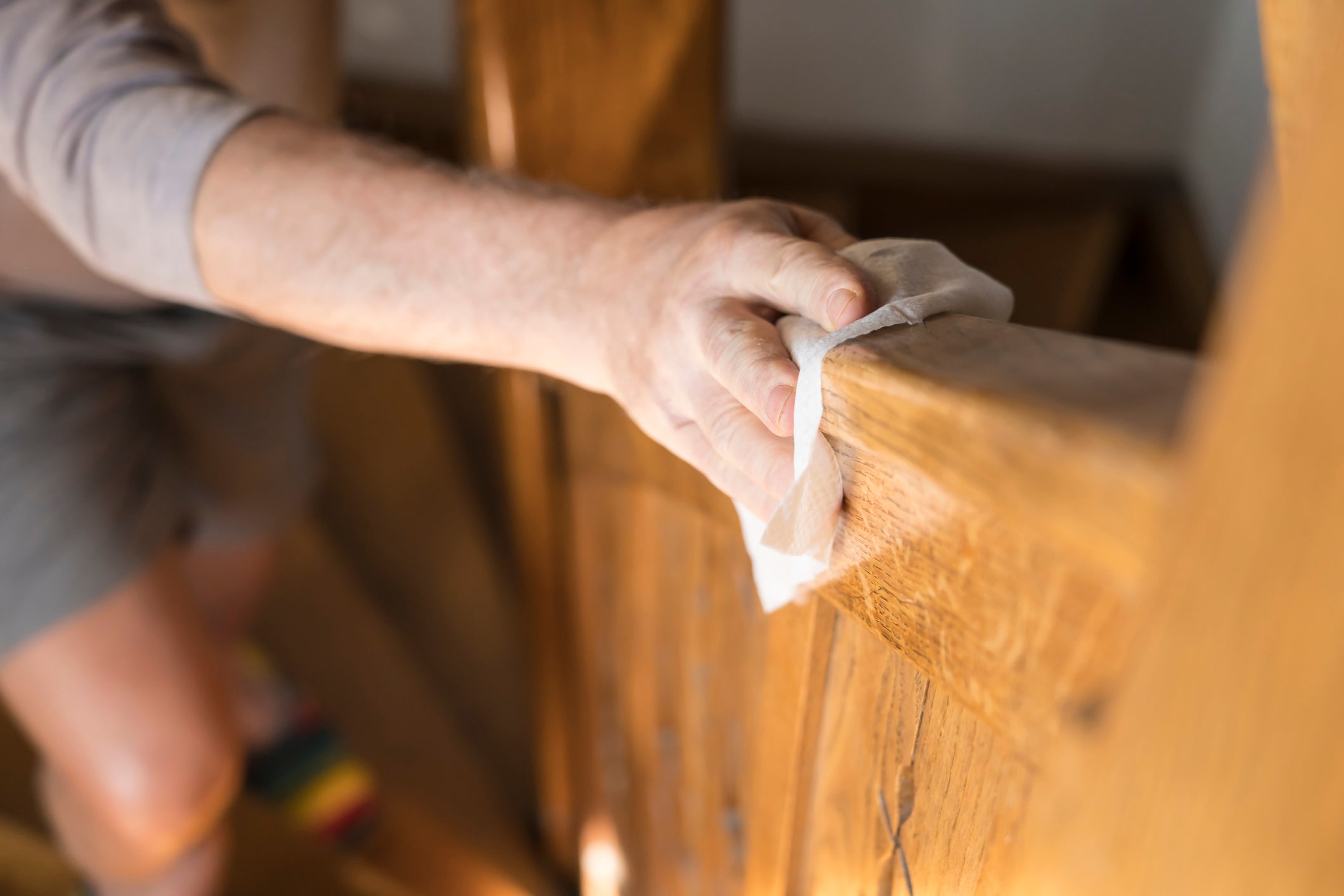
Can you use Clorox wipes on wood? The short answer is: sometimes, but not on every wood surface. A Clorox wipe may be suitable for some sealed, finished wood, yet it can harm unfinished, waxed, oiled, painted, or damaged wood.
The safest choice depends on the type of wood, the finish, and the exact Clorox product. Before wiping a table, crib, high chair, cutting board, or wood floor, check the product label and test a hidden spot. When in doubt, use a soft cloth with a small amount of mild soap and water.

The Short Answer: Can You Use Clorox Wipes on Wood?
You may be able to use Clorox disinfecting wipes on sealed, finished wood. Some product labels list finished wood among the surfaces that may be cleaned or disinfected. However, this does not mean that every wooden item is safe for use with every Clorox wipe.
Wood is not one single material. A thick coat of hard finish can protect the wood below. A dry, unfinished board has no such shield. A waxed or oiled surface may also react badly to the liquid in a disinfecting wipe.

The key point is this: the finish matters as much as the wood itself. A sealed oak table and an unfinished pine shelf may look similar, but they can respond very differently to the same cleaner.
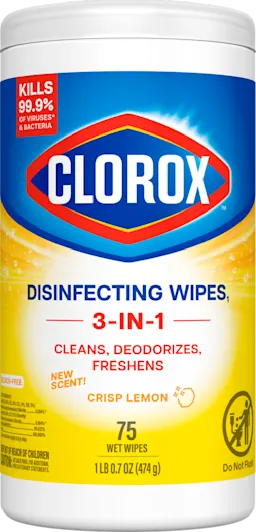
Clorox makes several types of wipes. Some are disinfecting wipes with quaternary ammonium compounds, often called quats. Others may have different formulas. Always read the label on your container instead of relying only on the brand name.

If you use a wipe on finished wood, do not let the surface stay wet for a long time. Wipe gently, follow the label’s contact time if you need disinfection, and then dry the area with a clean, soft cloth if the label allows it. Standing moisture is one of the main risks to wood.

Which Wood Surfaces May Be Safe?
Sealed and Finished Wood
Sealed wood has a protective layer over the surface. This layer may be polyurethane, varnish, lacquer, paint, or another finish. A sealed dining table, finished cabinet, or coated wood chair may tolerate a Clorox wipe better than bare wood.
Still, “finished” does not mean “indestructible.” A finish can be thin, old, cracked, or worn away near edges. Heat, moisture, and cleaning chemicals may slowly change its color or shine.

A quick wipe on a sealed surface is less risky than soaking it. Use the least amount of product you need. Do not scrub hard unless the label tells you to do so. Rough scrubbing can dull the finish and leave fine marks.
Painted Wood
Painted wood may be safe if the paint is smooth, cured, and in good condition. This can include some painted doors, cabinets, and furniture. Yet paint can soften, fade, or become dull when exposed to repeated cleaning.
Old paint may be more fragile than new paint. The same is true of hand-painted furniture, chalk paint, milk paint, and decorative finishes. These surfaces often need gentler care than factory-coated furniture.

Test the wipe in a hidden area first. Choose the back of a leg, the inside of a cabinet door, or another place that is not easy to see. Wait until the area dries before checking for color change, stickiness, clouding, or loss of shine.

Laminate or Wood-Look Surfaces
Many items that look like wood are actually laminate, veneer, or printed plastic. These surfaces may resist moisture better than real wood, but the seams and edges can still be weak points.
A wipe may be acceptable on a sealed laminate top if the product label permits it. Do not push liquid into seams, chipped edges, or lifted corners. Moisture trapped under a laminate layer can cause swelling or peeling.

Wood veneer needs extra care. Veneer is a thin layer of real wood placed over another material. If the veneer is sealed, it may handle light cleaning. If the finish is damaged, liquid can reach the veneer or the material below it.
Wood Surfaces You Should Avoid
Unfinished Wood
Do not use Clorox disinfecting wipes on unfinished wood unless the manufacturer of the item clearly says it is safe. Bare wood absorbs liquid. That can lead to dark spots, raised grain, rough patches, or an uneven appearance.
Unfinished wood is common in some shelves, craft items, toys, cutting boards, and older furniture. It may feel dry and slightly rough to the touch. Water alone can change its look, so a chemical wipe is a poor choice.
If unfinished wood needs cleaning, remove dust with a dry microfiber cloth first. For a small mark, use a barely damp cloth and dry the area at once. If the item is valuable, antique, or handmade, ask the maker or a furniture care expert before using any cleaner.
Waxed or Oiled Wood
Wax and oil give wood a warm look, but they can be sensitive to strong cleaners. A disinfecting wipe may strip some of the surface treatment. It may also leave a cloudy patch or an uneven sheen.
This is a common concern with butcher-block counters, wooden bowls, rustic tables, and natural wood furniture. These surfaces often need a cleaner made for oiled or waxed wood.
Do not assume that “natural” means “chemical-free” or that “disinfecting” means “better.” A surface cleaner should match the finish. A mild cleaner used often is usually safer than a strong cleaner used without care.
Damaged, Cracked, or Peeling Wood
Avoid Clorox wipes on wood with cracks, peeling finish, deep scratches, or exposed raw areas. The liquid can enter the damaged spots and stay there. It may also spread under a loose finish.
Damaged wood can hold dirt and moisture in ways that make it hard to disinfect well. In that case, wiping the top may create a false sense of cleanliness. Repairing or replacing the damaged finish may be the better answer.
This matters for baby furniture. A crib rail, wooden high chair, or changing table should be smooth and easy to clean. If the finish is flaking or the surface has splinters, stop using the item until it is repaired or replaced.
Antique and Heirloom Furniture
Antique wood may have shellac, wax, oil, or a finish that is hard to identify. Some old finishes react quickly to water and cleaning chemicals. A disinfecting wipe can leave a mark that cannot be removed easily.
Use a dry cloth for routine dust. For deeper cleaning, follow care instructions from the maker or consult a professional. Do not test a new cleaner on the front of an heirloom piece.
Why Clorox Wipes Can Damage Wood
Moisture and Wood Grain
Wood is porous. Even finished wood can have tiny gaps, seams, scratches, and worn areas. Liquid that reaches these spots can cause swelling or discoloration.
A wipe does not look like much liquid, but repeated use adds up. The risk is higher when people leave the surface wet or use several wipes in one cleaning session.
Moisture can also affect joints. Wooden furniture often has glued or joined parts. Water that enters a seam may weaken the bond over time or cause a part to expand.
Cleaning Agents and Surface Finish
Clorox disinfecting wipes are made to remove germs from suitable hard, nonporous surfaces. They are not made for every wood finish. Their cleaning agents may change the feel or appearance of some coatings.
A surface may look fine after one use and still become dull after many uses. This is why a hidden-spot test matters. It also explains why a product that works well on a finished desk may not work well on an oiled table.
Friction and Scrubbing
The wipe itself can carry dirt across the surface. If you rub hard, small grit can act like sandpaper. This may create fine scratches, especially on glossy finishes.
Use light pressure. If a spot does not come off, do not keep scrubbing with more force. Stop and choose a cleaner made for that surface.
Heat and Trapped Liquid
Warm rooms, sunlight, and heat can speed up changes in a finish. Liquid left near a window or on a warm countertop may dry unevenly. It can leave rings, streaks, or dull marks.
Drying the surface after cleaning helps. It also reduces the chance that a child or pet will touch a wet area.
Are Clorox Wipes Safe for Baby Furniture?
Clorox wipes should not be used on a baby’s skin. They are surface cleaners, not baby wipes. Do not use them on a baby’s hands, face, bottom, or any part of the body.
For a wooden crib, changing table, high chair, or toy, follow the care instructions for that item. The surface must be fully dry before a baby uses it. If the label says to rinse after use on a food-contact surface, follow that step.
Baby skin is thin and sensitive. It can react to residue, fragrance, or other ingredients more easily than adult skin. This is different from saying that every ingredient is dangerous. It means that a household disinfectant belongs on approved surfaces, not on skin.
For a wooden high chair tray, check both the furniture instructions and the cleaner label. Food-contact surfaces may have special directions. Some products require a water rinse after the stated contact time.
A wooden toy also needs care. Many wood toys have an oil, wax, or water-based finish. Some have painted details. A disinfecting wipe could affect the finish or leave residue that a child may put in their mouth.
How to Use a Clorox Wipe on Finished Wood
Step 1: Read Both Labels
Read the label on the Clorox wipes and the care label on the furniture. Look for surface warnings. Some labels may say not to use the product on unfinished, unsealed, waxed, or oiled wood.
The exact formula matters. A Clorox disinfecting wipe may not have the same ingredients or directions as another Clorox cleaning wipe. Do not guess based on the package color.
Step 2: Remove Loose Dirt
Use a dry microfiber cloth to remove crumbs, dust, and grit. This simple step reduces the need to rub. It also keeps dirt from spreading across the finish.
For a table after a meal, lift food bits first. Do not drag hard crumbs across a glossy top. Small particles can leave scratches when pressed into the surface.
Step 3: Test a Hidden Area
Wipe a small hidden spot. Let it dry fully. Check for changes in color, shine, texture, or stickiness.
If the test area changes, do not use the wipe on the rest of the item. If it looks fine, proceed with care, but remember that a test cannot promise long-term safety.
Step 4: Wipe Lightly
Use one wipe for a small area when possible. Keep the wipe moving. Do not pour liquid onto the wood, and do not leave a wet wipe on the surface.
Clean in small sections. This makes it easier to notice excess moisture and dry the area promptly.
Step 5: Follow the Contact Time
Disinfectants need enough wet time to work as directed. This time is printed on the product label. If the wipe dries too soon, the surface may not receive the full disinfecting effect.
Do not extend the wet time by adding more liquid unless the label says to do so. Too much moisture may harm wood without improving the result.
Step 6: Dry the Surface
Use a clean, soft cloth to remove extra moisture if the product directions allow it. Pay attention to seams, corners, edges, and areas around handles.
For a baby item, wait until the surface is completely dry before use. If the label requires rinsing, rinse with clean water and then dry well.
Here is the basic process in one place:
- Check the furniture and wipe labels.
- Remove dust and loose dirt.
- Test a hidden spot.
- Wipe the approved surface gently.
- Follow the label’s wet contact time.
- Rinse if directed.
- Dry the wood before use.
What to Use Instead of Clorox Wipes on Wood
For routine cleaning, a soft cloth and a small amount of mild dish soap diluted in water may be enough for sealed wood. The cloth should be damp, not soaking wet. Follow with a dry cloth.
This method removes many everyday messes without using a disinfectant. It is useful for fingerprints, milk drops, food crumbs, and light dirt.
A wood-safe cleaner may be a better choice for furniture with oil, wax, or a special finish. Read the product label and match the cleaner to the surface. Avoid mixing cleaners.
For unfinished wood, use the care advice from the maker. Some items should only be dusted. Others may need a specific oil or finish. Using the wrong product can change the color and texture.
For baby furniture, simple is often best. Clean visible dirt first. Use a product approved for that material. Keep the item dry, and avoid strong fragrance when the surface may touch a baby’s hands or food.
Clorox Wipes on Wood Floors
Wood floors need special care because liquid can seep between boards. A quick wipe on a sealed floor may be acceptable if the floor maker and product label allow it. Do not flood the floor or leave wet streaks behind.
Use a floor cleaner made for the exact finish when possible. A microfiber mop is often safer than a dripping mop. Too much water can cause boards to cup, swell, or separate.
Do not use disinfecting wipes as a routine floor cleaner unless the product and floor maker permit it. Wipes are designed for small areas. They may not clean a whole floor evenly, and repeated use can affect the finish.
Pay close attention to high-touch areas such as door edges and stair rails. A damp cloth may handle ordinary dirt. Use a disinfectant only when it is needed and when the surface is approved.
Clorox Wipes on Wooden Cutting Boards
A wooden cutting board is a special case. It touches food, so the cleaner must be approved for food-contact use and used exactly as directed. Some disinfectants require a water rinse after the contact time.
Never assume that wiping a cutting board makes it ready for food. Read the label. If rinsing is required, use clean water. Then let the board dry fully.
Do not use a board with deep grooves, cracks, or a rough surface that cannot be cleaned well. Germs and food bits can stay in damaged areas. Sanding or replacing the board may be needed.
Wooden cutting boards also need regular care. Keep them dry between uses. Do not soak them in a sink or put them in a dishwasher unless the maker says it is safe. Apply board oil only when the product is made for food-contact wood.
If raw meat, poultry, or seafood was prepared on the board, follow safe food-handling steps. Cleaning and sanitizing are not the same thing. The product label must support the use you have in mind.
Clorox Wipes on Wooden Toys
A wooden toy may have paint, varnish, oil, or no finish at all. Before cleaning it, check the toy maker’s instructions. If there are no instructions, use a damp cloth with mild soap for ordinary dirt.
Do not soak wooden toys. Avoid liquid near cracks, loose parts, or unfinished edges. Wipe away soap and let the toy dry fully before giving it back to a child.
Do not use a disinfecting wipe on a toy that a baby may chew unless the label and toy maker clearly support that use. Residue may remain on the surface. A baby can transfer that residue to the mouth.
If a toy was exposed to vomit, stool, or another body fluid, clean it with care. Wear gloves if needed, wash the surface first, and follow the disinfectant label. Throw away porous toys that cannot be cleaned well.
Common Mistakes to Avoid
Using the Wipe on Bare Wood
Bare wood can absorb the liquid fast. The surface may darken before you have time to dry it. Even if the mark fades, the grain may stay rough.
Always identify the finish first. If you cannot tell whether the wood is sealed, treat it as delicate until you know more.
Leaving the Surface Wet
A wet surface is not automatically a cleaner surface. Long exposure can increase the chance of swelling, streaks, and finish damage. Use only enough moisture for the label directions.
Dry the wood after cleaning when allowed. Do not place books, toys, or food on the area until it is dry.
Using Many Wipes Every Day
Frequent disinfecting can be hard on finishes. It can also leave buildup. Routine cleaning and disinfecting are different tasks.
Clean when dirt is present. Disinfect when there is a clear reason, such as illness in the home or contamination of an approved surface.
Mixing Cleaning Products
Never mix Clorox wipes with bleach, ammonia, vinegar, alcohol, or another cleaner. Mixing products can create unsafe fumes or unwanted chemical reactions.
Use one product at a time. Wash your hands after cleaning, and keep wipes away from children and pets.
Ignoring the Hidden Spot Test
A product can damage one finish and work well on another. A hidden test takes little time and may prevent a costly repair.
Test again if the furniture is refinished, moved to a new climate, or showing signs of wear. The condition of the surface can change over time.
What Ingredients Are in Clorox Wipes?
Many Clorox disinfecting wipes use quaternary ammonium compounds as active ingredients. These ingredients help kill certain germs when the surface stays wet for the required time. The exact active ingredient depends on the product.
The wipe may also contain water, cleaning agents, preservatives, fragrance, and fibers. Some products may include ingredients such as phenoxyethanol as a preservative, but formulas vary.
Do not judge a product from one ingredient name alone. Read the current label or the manufacturer’s product information for the exact formula. A “bleach-free” label does not mean the product is safe for all surfaces.
Also, a disinfecting wipe is not the same as a baby wipe. Baby wipes are made for skin and often use a water-based formula with skin-focused claims such as pH-balanced or hypoallergenic. Those claims apply to the baby wipe, not to a household disinfectant.
The wipe material may be spunlace, viscose, plant-based fibers, or a blend. The material affects how the wipe feels and absorbs liquid, but it does not decide whether the cleaner is safe for wood.
How to Store Clorox Wipes
Close the pop-top lid or sticker closure after each use. If the package dries out, the wipes may not work as intended. Dried-out wipes can also make people rub harder, which may increase the chance of scratching a finish.
Store the container upright when possible. Keep it away from heat and direct sunlight. Do not leave wipes in a hot car, near a heater, or where a child can reach them.
Do not transfer wipes to an unmarked container. The original package has the product name, directions, warnings, and ingredient information. You may need those details later.
Keep household disinfecting wipes separate from baby wipes. In a rushed diaper change, similar packages can be confusing. A clear storage spot can help prevent the wrong product from touching a baby’s skin.
What to Do if Wood Is Damaged
If the wood turns white, cloudy, sticky, rough, or darker after using a wipe, stop using the product. Do not add another cleaner right away. More products may spread the damage or make it harder to identify the cause.
Blot away moisture with a soft cloth. Let the surface dry naturally. Do not use a hair dryer or strong heat, as sudden heat may worsen cracks or warping.
For a small mark on modern finished furniture, the maker may suggest a polish or repair product. For valuable furniture, ask a furniture restorer. Take a photo and note which product you used.
If the surface is peeling, swollen, or cracked, keep children away from it. A loose finish or splinter can cause a physical injury. Repair the item before returning it to daily use.
How Often Should You Disinfect Wood?
There is no single schedule for every home. Disinfecting is most useful when a suitable surface has been exposed to body fluids, raw food, or illness. It is not always needed after every ordinary touch.
Routine cleaning removes dirt and many germs from a surface. Disinfection is a separate step. Use it when the situation calls for it and when the surface can safely handle the product.
In a home with a sick family member, focus on high-touch surfaces that are approved for the disinfectant. This may include sealed handles, switches, or finished surfaces. Do not spread the product across delicate wood simply because someone is ill.
For baby items, follow the maker’s instructions. A clean, dry surface is important, but repeated chemical use may harm the finish. Balance hygiene with material care.
When a Different Product Is the Better Choice
Choose a wood cleaner when the item is oiled, waxed, unfinished, antique, or clearly marked as delicate. Choose a food-contact cleaner when cleaning a cutting board or high chair tray. Choose a floor cleaner for wood flooring.
Choose mild soap and water for many routine messes on sealed wood. Use a disinfectant only when needed. This approach can reduce residue and help the finish last longer.
If you need strong germ control on a surface that cannot tolerate disinfectant, clean the item first and ask the manufacturer what method is approved. Sometimes the right answer is a washable cover, a replacement part, or a nonporous accessory.
Remember that “natural,” “plant-based,” “alcohol-free,” and “bleach-free” do not automatically mean wood-safe. These words describe parts of a formula, not the full care instructions.
Frequently Asked Questions
Can Clorox wipes ruin a wooden table?
They can damage some wooden tables, especially if the table is unfinished, waxed, oiled, old, or already worn. A sealed table may tolerate careful use, but you should still test a hidden spot and avoid leaving the surface wet.
Can you use Clorox wipes on finished wood?
Some Clorox wipe labels allow use on finished wood. Check the exact package directions first. Use a light touch, follow the contact time, and dry the surface when the label permits it.
Can you use Clorox wipes on unfinished wood?
It is best to avoid them. Unfinished wood absorbs liquid and may develop dark marks, rough grain, or swelling. Use the care instructions from the maker instead.
Can you use Clorox wipes on a wooden high chair?
Only if the high chair maker and the wipe label allow it. Check whether the surface is food-contact material. Follow any rinse direction, and keep the high chair out of use until it is fully dry.
Can you use Clorox wipes on a wooden cutting board?
Use them only when the label allows food-contact use. Follow the required contact time and rinse directions. Never use the board until it is clean, rinsed when required, and fully dry.
Can Clorox wipes be used on a wooden crib?
Check the crib maker’s instructions first. Do not use them on damaged, unfinished, or peeling surfaces. Never use Clorox wipes on a baby, and let the crib dry fully before sleep.
Are Clorox wipes safe for wooden toys?
It depends on the toy’s finish and the product label. For most routine dirt, a damp cloth with mild soap is a gentler choice. Avoid disinfecting wipes on toys that babies chew unless the instructions clearly approve that use.
Can Clorox wipes remove stains from wood?
They may remove some surface dirt, but they are not a wood stain remover. Rubbing harder may damage the finish. Use a product made for the type of stain and wood finish.
What should you use instead of Clorox wipes on wood?
For many sealed surfaces, use a damp soft cloth with a little mild soap, then dry it. For oiled, waxed, unfinished, or antique wood, use the maker’s recommended cleaner.
Can you use baby wipes on wood?
Baby wipes may remove small messes from some sealed surfaces, but they are not wood cleaners or disinfectants. They may leave moisture, oils, or other residue. Test first and dry the surface.
Are disinfecting wipes the same as baby wipes?
No. Disinfecting wipes are made for approved hard surfaces. Baby wipes are made for skin, though babies with sensitive skin may still react to fragrance or preservatives. Never use household disinfecting wipes on skin.
What if my wood turns cloudy after a Clorox wipe?
Stop using the wipes on that item. Remove extra moisture with a soft cloth and let the area dry. Contact the furniture maker or a repair professional if the mark remains.
Conclusion
So, can you use Clorox wipes on wood? You may use them on some sealed, finished wood when the product label allows it. Avoid them on unfinished, waxed, oiled, antique, cracked, or peeling wood.
Test first, use light pressure, follow the wet contact time, and dry the surface. For baby furniture, toys, cutting boards, and high chairs, check the item’s care instructions and any rinse directions. A mild, wood-safe cleaner is often the better choice for regular care.
Can you use Clorox wipes on wood? The short answer is: sometimes, but not on every wood surface. A Clorox wipe may be suitable for some sealed, finished wood, yet it can harm unfinished, waxed, oiled, painted, or damaged wood.
The safest choice depends on the type of wood, the finish, and the exact Clorox product. Before wiping a table, crib, high chair, cutting board, or wood floor, check the product label and test a hidden spot. When in doubt, use a soft cloth with a small amount of mild soap and water.
Which Wood Surfaces May Be Safe?
Sealed and Finished Wood
Sealed wood has a protective layer over the surface. This layer may be polyurethane, varnish, lacquer, paint, or another finish. A sealed dining table, finished cabinet, or coated wood chair may tolerate a Clorox wipe better than bare wood.
Still, “finished” does not mean “indestructible.” A finish can be thin, old, cracked, or worn away near edges. Heat, moisture, and cleaning chemicals may slowly change its color or shine.
A quick wipe on a sealed surface is less risky than soaking it. Use the least amount of product you need. Do not scrub hard unless the label tells you to do so. Rough scrubbing can dull the finish and leave fine marks.
Painted Wood
Painted wood may be safe if the paint is smooth, cured, and in good condition. This can include some painted doors, cabinets, and furniture. Yet paint can soften, fade, or become dull when exposed to repeated cleaning.
Old paint may be more fragile than new paint. The same is true of hand-painted furniture, chalk paint, milk paint, and decorative finishes. These surfaces often need gentler care than factory-coated furniture.
Test the wipe in a hidden area first. Choose the back of a leg, the inside of a cabinet door, or another place that is not easy to see. Wait until the area dries before checking for color change, stickiness, clouding, or loss of shine.
Laminate or Wood-Look Surfaces
Many items that look like wood are actually laminate, veneer, or printed plastic. These surfaces may resist moisture better than real wood, but the seams and edges can still be weak points.
A wipe may be acceptable on a sealed laminate top if the product label permits it. Do not push liquid into seams, chipped edges, or lifted corners. Moisture trapped under a laminate layer can cause swelling or peeling.
Wood veneer needs extra care. Veneer is a thin layer of real wood placed over another material. If the veneer is sealed, it may handle light cleaning. If the finish is damaged, liquid can reach the veneer or the material below it.
Wood Surfaces You Should Avoid
Unfinished Wood
Do not use Clorox disinfecting wipes on unfinished wood unless the manufacturer of the item clearly says it is safe. Bare wood absorbs liquid. That can lead to dark spots, raised grain, rough patches, or an uneven appearance.
Unfinished wood is common in some shelves, craft items, toys, cutting boards, and older furniture. It may feel dry and slightly rough to the touch. Water alone can change its look, so a chemical wipe is a poor choice.
If unfinished wood needs cleaning, remove dust with a dry microfiber cloth first. For a small mark, use a barely damp cloth and dry the area at once. If the item is valuable, antique, or handmade, ask the maker or a furniture care expert before using any cleaner.
Waxed or Oiled Wood
Wax and oil give wood a warm look, but they can be sensitive to strong cleaners. A disinfecting wipe may strip some of the surface treatment. It may also leave a cloudy patch or an uneven sheen.
This is a common concern with butcher-block counters, wooden bowls, rustic tables, and natural wood furniture. These surfaces often need a cleaner made for oiled or waxed wood.
Do not assume that “natural” means “chemical-free” or that “disinfecting” means “better.” A surface cleaner should match the finish. A mild cleaner used often is usually safer than a strong cleaner used without care.
Damaged, Cracked, or Peeling Wood
Avoid Clorox wipes on wood with cracks, peeling finish, deep scratches, or exposed raw areas. The liquid can enter the damaged spots and stay there. It may also spread under a loose finish.
Damaged wood can hold dirt and moisture in ways that make it hard to disinfect well. In that case, wiping the top may create a false sense of cleanliness. Repairing or replacing the damaged finish may be the better answer.
This matters for baby furniture. A crib rail, wooden high chair, or changing table should be smooth and easy to clean. If the finish is flaking or the surface has splinters, stop using the item until it is repaired or replaced.
Antique and Heirloom Furniture
Antique wood may have shellac, wax, oil, or a finish that is hard to identify. Some old finishes react quickly to water and cleaning chemicals. A disinfecting wipe can leave a mark that cannot be removed easily.
Use a dry cloth for routine dust. For deeper cleaning, follow care instructions from the maker or consult a professional. Do not test a new cleaner on the front of an heirloom piece.
Why Clorox Wipes Can Damage Wood
Moisture and Wood Grain
Wood is porous. Even finished wood can have tiny gaps, seams, scratches, and worn areas. Liquid that reaches these spots can cause swelling or discoloration.
A wipe does not look like much liquid, but repeated use adds up. The risk is higher when people leave the surface wet or use several wipes in one cleaning session.
Moisture can also affect joints. Wooden furniture often has glued or joined parts. Water that enters a seam may weaken the bond over time or cause a part to expand.
Cleaning Agents and Surface Finish
Clorox disinfecting wipes are made to remove germs from suitable hard, nonporous surfaces. They are not made for every wood finish. Their cleaning agents may change the feel or appearance of some coatings.
A surface may look fine after one use and still become dull after many uses. This is why a hidden-spot test matters. It also explains why a product that works well on a finished desk may not work well on an oiled table.
Friction and Scrubbing
The wipe itself can carry dirt across the surface. If you rub hard, small grit can act like sandpaper. This may create fine scratches, especially on glossy finishes.
Use light pressure. If a spot does not come off, do not keep scrubbing with more force. Stop and choose a cleaner made for that surface.
Heat and Trapped Liquid
Warm rooms, sunlight, and heat can speed up changes in a finish. Liquid left near a window or on a warm countertop may dry unevenly. It can leave rings, streaks, or dull marks.
Drying the surface after cleaning helps. It also reduces the chance that a child or pet will touch a wet area.
Are Clorox Wipes Safe for Baby Furniture?
Clorox wipes should not be used on a baby’s skin. They are surface cleaners, not baby wipes. Do not use them on a baby’s hands, face, bottom, or any part of the body.
For a wooden crib, changing table, high chair, or toy, follow the care instructions for that item. The surface must be fully dry before a baby uses it. If the label says to rinse after use on a food-contact surface, follow that step.
Baby skin is thin and sensitive. It can react to residue, fragrance, or other ingredients more easily than adult skin. This is different from saying that every ingredient is dangerous. It means that a household disinfectant belongs on approved surfaces, not on skin.
For a wooden high chair tray, check both the furniture instructions and the cleaner label. Food-contact surfaces may have special directions. Some products require a water rinse after the stated contact time.
A wooden toy also needs care. Many wood toys have an oil, wax, or water-based finish. Some have painted details. A disinfecting wipe could affect the finish or leave residue that a child may put in their mouth.
How to Use a Clorox Wipe on Finished Wood
Step 1: Read Both Labels
Read the label on the Clorox wipes and the care label on the furniture. Look for surface warnings. Some labels may say not to use the product on unfinished, unsealed, waxed, or oiled wood.
The exact formula matters. A Clorox disinfecting wipe may not have the same ingredients or directions as another Clorox cleaning wipe. Do not guess based on the package color.
Step 2: Remove Loose Dirt
Use a dry microfiber cloth to remove crumbs, dust, and grit. This simple step reduces the need to rub. It also keeps dirt from spreading across the finish.
For a table after a meal, lift food bits first. Do not drag hard crumbs across a glossy top. Small particles can leave scratches when pressed into the surface.
Step 3: Test a Hidden Area
Wipe a small hidden spot. Let it dry fully. Check for changes in color, shine, texture, or stickiness.
If the test area changes, do not use the wipe on the rest of the item. If it looks fine, proceed with care, but remember that a test cannot promise long-term safety.
Step 4: Wipe Lightly
Use one wipe for a small area when possible. Keep the wipe moving. Do not pour liquid onto the wood, and do not leave a wet wipe on the surface.
Clean in small sections. This makes it easier to notice excess moisture and dry the area promptly.
Step 5: Follow the Contact Time
Disinfectants need enough wet time to work as directed. This time is printed on the product label. If the wipe dries too soon, the surface may not receive the full disinfecting effect.
Do not extend the wet time by adding more liquid unless the label says to do so. Too much moisture may harm wood without improving the result.
Step 6: Dry the Surface
Use a clean, soft cloth to remove extra moisture if the product directions allow it. Pay attention to seams, corners, edges, and areas around handles.
For a baby item, wait until the surface is completely dry before use. If the label requires rinsing, rinse with clean water and then dry well.
Here is the basic process in one place:
- Check the furniture and wipe labels.
- Remove dust and loose dirt.
- Test a hidden spot.
- Wipe the approved surface gently.
- Follow the label’s wet contact time.
- Rinse if directed.
- Dry the wood before use.
What to Use Instead of Clorox Wipes on Wood
For routine cleaning, a soft cloth and a small amount of mild dish soap diluted in water may be enough for sealed wood. The cloth should be damp, not soaking wet. Follow with a dry cloth.
This method removes many everyday messes without using a disinfectant. It is useful for fingerprints, milk drops, food crumbs, and light dirt.
A wood-safe cleaner may be a better choice for furniture with oil, wax, or a special finish. Read the product label and match the cleaner to the surface. Avoid mixing cleaners.
For unfinished wood, use the care advice from the maker. Some items should only be dusted. Others may need a specific oil or finish. Using the wrong product can change the color and texture.
For baby furniture, simple is often best. Clean visible dirt first. Use a product approved for that material. Keep the item dry, and avoid strong fragrance when the surface may touch a baby’s hands or food.
Clorox Wipes on Wood Floors
Wood floors need special care because liquid can seep between boards. A quick wipe on a sealed floor may be acceptable if the floor maker and product label allow it. Do not flood the floor or leave wet streaks behind.
Use a floor cleaner made for the exact finish when possible. A microfiber mop is often safer than a dripping mop. Too much water can cause boards to cup, swell, or separate.
Do not use disinfecting wipes as a routine floor cleaner unless the product and floor maker permit it. Wipes are designed for small areas. They may not clean a whole floor evenly, and repeated use can affect the finish.
Pay close attention to high-touch areas such as door edges and stair rails. A damp cloth may handle ordinary dirt. Use a disinfectant only when it is needed and when the surface is approved.
Clorox Wipes on Wooden Cutting Boards
A wooden cutting board is a special case. It touches food, so the cleaner must be approved for food-contact use and used exactly as directed. Some disinfectants require a water rinse after the contact time.
Never assume that wiping a cutting board makes it ready for food. Read the label. If rinsing is required, use clean water. Then let the board dry fully.
Do not use a board with deep grooves, cracks, or a rough surface that cannot be cleaned well. Germs and food bits can stay in damaged areas. Sanding or replacing the board may be needed.
Wooden cutting boards also need regular care. Keep them dry between uses. Do not soak them in a sink or put them in a dishwasher unless the maker says it is safe. Apply board oil only when the product is made for food-contact wood.
If raw meat, poultry, or seafood was prepared on the board, follow safe food-handling steps. Cleaning and sanitizing are not the same thing. The product label must support the use you have in mind.
Clorox Wipes on Wooden Toys
A wooden toy may have paint, varnish, oil, or no finish at all. Before cleaning it, check the toy maker’s instructions. If there are no instructions, use a damp cloth with mild soap for ordinary dirt.
Do not soak wooden toys. Avoid liquid near cracks, loose parts, or unfinished edges. Wipe away soap and let the toy dry fully before giving it back to a child.
Do not use a disinfecting wipe on a toy that a baby may chew unless the label and toy maker clearly support that use. Residue may remain on the surface. A baby can transfer that residue to the mouth.
If a toy was exposed to vomit, stool, or another body fluid, clean it with care. Wear gloves if needed, wash the surface first, and follow the disinfectant label. Throw away porous toys that cannot be cleaned well.
Common Mistakes to Avoid
Using the Wipe on Bare Wood
Bare wood can absorb the liquid fast. The surface may darken before you have time to dry it. Even if the mark fades, the grain may stay rough.
Always identify the finish first. If you cannot tell whether the wood is sealed, treat it as delicate until you know more.
Leaving the Surface Wet
A wet surface is not automatically a cleaner surface. Long exposure can increase the chance of swelling, streaks, and finish damage. Use only enough moisture for the label directions.
Dry the wood after cleaning when allowed. Do not place books, toys, or food on the area until it is dry.
Using Many Wipes Every Day
Frequent disinfecting can be hard on finishes. It can also leave buildup. Routine cleaning and disinfecting are different tasks.
Clean when dirt is present. Disinfect when there is a clear reason, such as illness in the home or contamination of an approved surface.
Mixing Cleaning Products
Never mix Clorox wipes with bleach, ammonia, vinegar, alcohol, or another cleaner. Mixing products can create unsafe fumes or unwanted chemical reactions.
Use one product at a time. Wash your hands after cleaning, and keep wipes away from children and pets.
Ignoring the Hidden Spot Test
A product can damage one finish and work well on another. A hidden test takes little time and may prevent a costly repair.
Test again if the furniture is refinished, moved to a new climate, or showing signs of wear. The condition of the surface can change over time.
What Ingredients Are in Clorox Wipes?
Many Clorox disinfecting wipes use quaternary ammonium compounds as active ingredients. These ingredients help kill certain germs when the surface stays wet for the required time. The exact active ingredient depends on the product.
The wipe may also contain water, cleaning agents, preservatives, fragrance, and fibers. Some products may include ingredients such as phenoxyethanol as a preservative, but formulas vary.
Do not judge a product from one ingredient name alone. Read the current label or the manufacturer’s product information for the exact formula. A “bleach-free” label does not mean the product is safe for all surfaces.
Also, a disinfecting wipe is not the same as a baby wipe. Baby wipes are made for skin and often use a water-based formula with skin-focused claims such as pH-balanced or hypoallergenic. Those claims apply to the baby wipe, not to a household disinfectant.
The wipe material may be spunlace, viscose, plant-based fibers, or a blend. The material affects how the wipe feels and absorbs liquid, but it does not decide whether the cleaner is safe for wood.
How to Store Clorox Wipes
Close the pop-top lid or sticker closure after each use. If the package dries out, the wipes may not work as intended. Dried-out wipes can also make people rub harder, which may increase the chance of scratching a finish.
Store the container upright when possible. Keep it away from heat and direct sunlight. Do not leave wipes in a hot car, near a heater, or where a child can reach them.
Do not transfer wipes to an unmarked container. The original package has the product name, directions, warnings, and ingredient information. You may need those details later.
Keep household disinfecting wipes separate from baby wipes. In a rushed diaper change, similar packages can be confusing. A clear storage spot can help prevent the wrong product from touching a baby’s skin.
What to Do if Wood Is Damaged
If the wood turns white, cloudy, sticky, rough, or darker after using a wipe, stop using the product. Do not add another cleaner right away. More products may spread the damage or make it harder to identify the cause.
Blot away moisture with a soft cloth. Let the surface dry naturally. Do not use a hair dryer or strong heat, as sudden heat may worsen cracks or warping.
For a small mark on modern finished furniture, the maker may suggest a polish or repair product. For valuable furniture, ask a furniture restorer. Take a photo and note which product you used.
If the surface is peeling, swollen, or cracked, keep children away from it. A loose finish or splinter can cause a physical injury. Repair the item before returning it to daily use.
How Often Should You Disinfect Wood?
There is no single schedule for every home. Disinfecting is most useful when a suitable surface has been exposed to body fluids, raw food, or illness. It is not always needed after every ordinary touch.
Routine cleaning removes dirt and many germs from a surface. Disinfection is a separate step. Use it when the situation calls for it and when the surface can safely handle the product.
In a home with a sick family member, focus on high-touch surfaces that are approved for the disinfectant. This may include sealed handles, switches, or finished surfaces. Do not spread the product across delicate wood simply because someone is ill.
For baby items, follow the maker’s instructions. A clean, dry surface is important, but repeated chemical use may harm the finish. Balance hygiene with material care.
When a Different Product Is the Better Choice
Choose a wood cleaner when the item is oiled, waxed, unfinished, antique, or clearly marked as delicate. Choose a food-contact cleaner when cleaning a cutting board or high chair tray. Choose a floor cleaner for wood flooring.
Choose mild soap and water for many routine messes on sealed wood. Use a disinfectant only when needed. This approach can reduce residue and help the finish last longer.
If you need strong germ control on a surface that cannot tolerate disinfectant, clean the item first and ask the manufacturer what method is approved. Sometimes the right answer is a washable cover, a replacement part, or a nonporous accessory.
Remember that “natural,” “plant-based,” “alcohol-free,” and “bleach-free” do not automatically mean wood-safe. These words describe parts of a formula, not the full care instructions.
Frequently Asked Questions
Can Clorox wipes ruin a wooden table?
They can damage some wooden tables, especially if the table is unfinished, waxed, oiled, old, or already worn. A sealed table may tolerate careful use, but you should still test a hidden spot and avoid leaving the surface wet.
Can you use Clorox wipes on finished wood?
Some Clorox wipe labels allow use on finished wood. Check the exact package directions first. Use a light touch, follow the contact time, and dry the surface when the label permits it.
Can you use Clorox wipes on unfinished wood?
It is best to avoid them. Unfinished wood absorbs liquid and may develop dark marks, rough grain, or swelling. Use the care instructions from the maker instead.
Can you use Clorox wipes on a wooden high chair?
Only if the high chair maker and the wipe label allow it. Check whether the surface is food-contact material. Follow any rinse direction, and keep the high chair out of use until it is fully dry.
Can you use Clorox wipes on a wooden cutting board?
Use them only when the label allows food-contact use. Follow the required contact time and rinse directions. Never use the board until it is clean, rinsed when required, and fully dry.
Can Clorox wipes be used on a wooden crib?
Check the crib maker’s instructions first. Do not use them on damaged, unfinished, or peeling surfaces. Never use Clorox wipes on a baby, and let the crib dry fully before sleep.
Are Clorox wipes safe for wooden toys?
It depends on the toy’s finish and the product label. For most routine dirt, a damp cloth with mild soap is a gentler choice. Avoid disinfecting wipes on toys that babies chew unless the instructions clearly approve that use.
Can Clorox wipes remove stains from wood?
They may remove some surface dirt, but they are not a wood stain remover. Rubbing harder may damage the finish. Use a product made for the type of stain and wood finish.
What should you use instead of Clorox wipes on wood?
For many sealed surfaces, use a damp soft cloth with a little mild soap, then dry it. For oiled, waxed, unfinished, or antique wood, use the maker’s recommended cleaner.
Can you use baby wipes on wood?
Baby wipes may remove small messes from some sealed surfaces, but they are not wood cleaners or disinfectants. They may leave moisture, oils, or other residue. Test first and dry the surface.
Are disinfecting wipes the same as baby wipes?
No. Disinfecting wipes are made for approved hard surfaces. Baby wipes are made for skin, though babies with sensitive skin may still react to fragrance or preservatives. Never use household disinfecting wipes on skin.
What if my wood turns cloudy after a Clorox wipe?
Stop using the wipes on that item. Remove extra moisture with a soft cloth and let the area dry. Contact the furniture maker or a repair professional if the mark remains.
Conclusion
So, can you use Clorox wipes on wood? You may use them on some sealed, finished wood when the product label allows it. Avoid them on unfinished, waxed, oiled, antique, cracked, or peeling wood.
Test first, use light pressure, follow the wet contact time, and dry the surface. For baby furniture, toys, cutting boards, and high chairs, check the item’s care instructions and any rinse directions. A mild, wood-safe cleaner is often the better choice for regular care.