
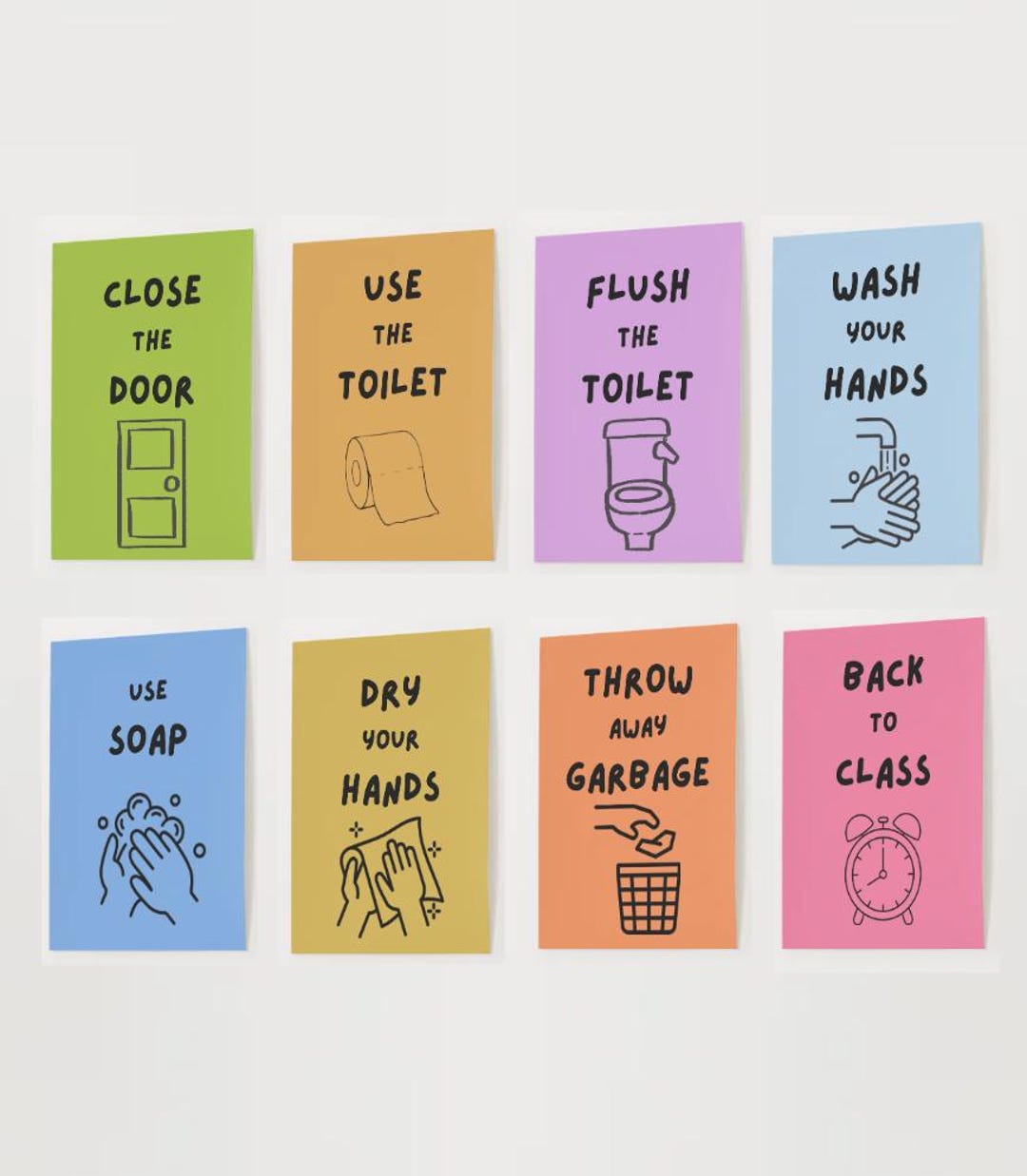
A bathroom can look harmless to an adult, but it has many risks for children. Water, slippery floors, hot taps, medicines, cleaning products, and electrical items can all cause trouble in seconds. Clear bathroom rules for kids help children build good habits while giving parents a simple way to reduce common accidents.
The best rules change with age. A toddler needs close supervision, while an older child may be ready to shower alone but still needs reminders about water temperature, privacy, and safe use of products. This guide explains practical bathroom rules for kids, age-by-age safety tips, hygiene habits, common mistakes, and ways to make the bathroom safer without making it feel scary.

Why bathroom rules for kids matter
Children learn bathroom habits through repetition. A short list of clear rules is easier to remember than a long lecture. The goal is not to make children afraid of the bathroom. It is to teach them how to use it with care.
Young children may not notice danger. A full bathtub can become unsafe quickly. A wet floor may look like a fun place to slide. A colorful bottle may seem like something to taste. Older children may understand more, but they can still rush, leave water on the floor, or use grooming tools without thinking.
Good bathroom rules cover three areas:
- Staying safe around water
- Keeping the body and room clean
- Respecting privacy and personal space
A calm routine works better than shouting after a mistake. Explain the rule, show the safe action, and practice it often.

The main rule: an adult stays close to young children
Babies, toddlers, and young children need active supervision around water. “Keeping an eye on” a child from another room is not enough during a bath. A child can slip or go under the water without making a loud sound.
Stay close enough to reach the child at once. Keep towels, soap, and clean clothes within reach before the bath begins. If you need to leave, take the child with you.
The table below shows how supervision needs may change with age. These are general safety guidelines, not a test of readiness. Every child develops at a different pace.
| Child’s age or stage | Bathroom safety approach | Parent focus |
|---|---|---|
| Baby | An adult provides hands-on supervision | Never leave alone near water |
| Toddler | Stay within arm’s reach during bathing | Prevent climbing and grabbing |
| Preschooler | Stay nearby and check often | Teach safe routines |
| School-age child | Increase independence slowly | Review rules and check the room |
| Older child | Allow privacy when ready | Keep safety habits in place |
Essential bathroom safety rules for kids
Children need rules they can repeat in simple words. Try using the same phrases each time. For example, “Walking feet,” “Water stays in the tub,” and “Ask before using that.”
Too many rules at once can overwhelm a young child. Start with the most important ones. Add more as your child grows and understands the reason behind them.
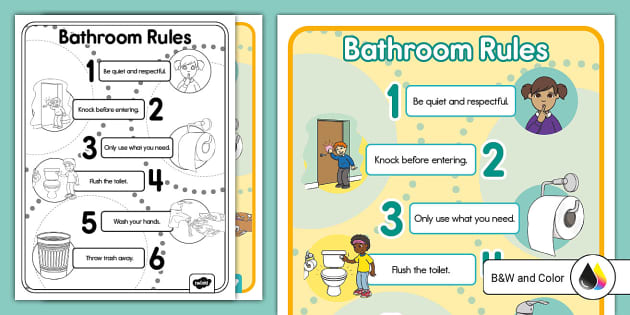
Walk, do not run
bathrooms often have hard surfaces. Water can make tile, vinyl, and tub floors very slippery. Running, jumping, and pushing can lead to falls.
Teach children to use walking feet in the bathroom. This rule applies even when they are excited, late, or trying to get a toy. If water spills, they should tell an adult or help dry it with supervision.
Place a non-slip bath mat outside the tub or shower. A textured mat inside the tub may also help, but it must stay clean and lie flat. A mat that slides can create another hazard.
Keep water in the tub or sink
Splashing can be part of bath play, but children need limits. Water on the floor creates a slip risk and may damage nearby cabinets or flooring.
Tell children that water stays in the tub or sink. Avoid games that involve standing, jumping, or throwing water. If the bath becomes too wild, end the play and move to the washing routine.
Sit down in the bathtub
Standing in a bathtub is a common cause of slips. Even a child who feels steady can lose balance when the floor is wet or soapy.
Use a clear rule: “Bottom stays on the tub floor.” If your child needs to reach something, they should ask for help. Keep toys and soap close enough that children do not need to stretch or climb.
Keep the bathroom door open when appropriate
A closed bathroom door can make it harder to hear a child who falls or needs help. For young children, leave the door open or stay close by. Older children may need privacy, but parents should still know when the bathroom is occupied if a child is bathing or showering.
Use a door latch or lock only when it is suitable for the child’s age and the adults in the home can open it quickly.
Never touch electrical items with wet hands
Hair dryers, curling irons, electric shavers, and other plugged-in items should stay away from water. Children should not use electrical grooming tools without an adult’s permission and supervision.
Teach children to keep cords and devices away from sinks, bathtubs, and wet hands. Unplug devices after use and store them out of children’s reach.
Here is a quick safety check for the room.
| Bathroom area | Check for | Safer habit |
|---|---|---|
| Floor | Puddles or loose mats | Dry spills and use secure mats |
| Tub or shower | Slippery surface | Use a non-slip surface |
| Sink | Wet hands near plugs | Keep electrical items away |
| Counter | Hot tools or medicines | Store items out of reach |
| Toilet | Open lid or small objects | Close lid and remove hazards |
Water safety during baths and showers
Water safety is the most important part of bathroom rules for kids. A child can drown in a small amount of water. Drowning may happen quietly, so adults should not rely on noise as a warning.
Never leave a baby or young child alone in a bathtub, even for a moment. Do not leave to answer the phone, open the door, get a towel, or help another child. Take the child with you or ask another capable adult to take over.
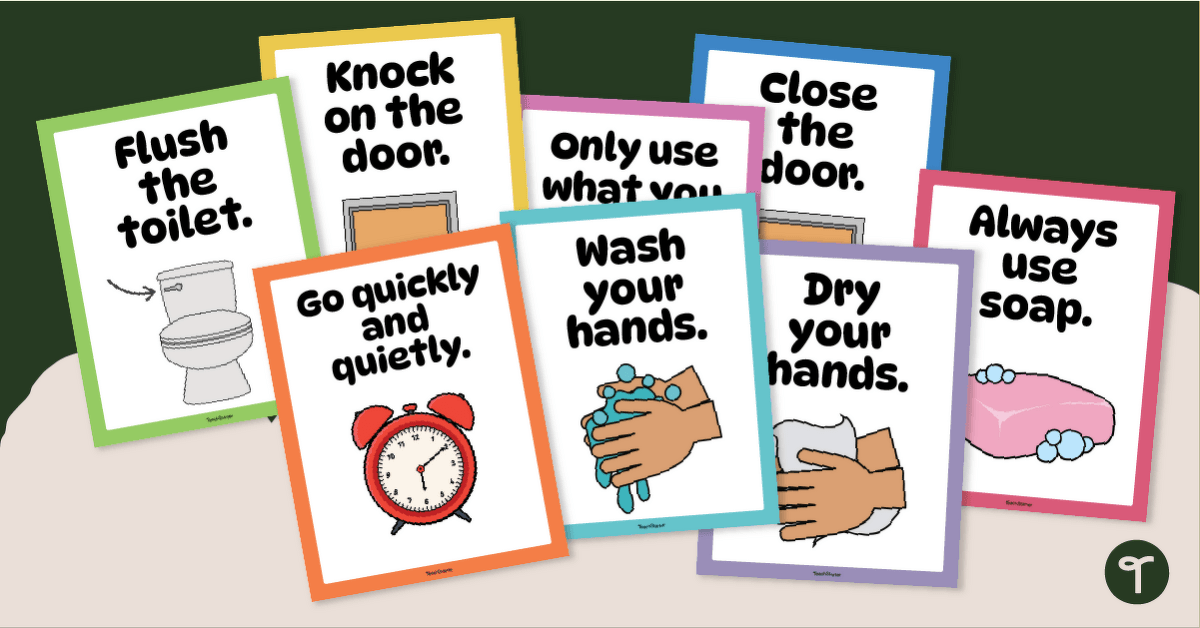
Test the water before your child gets in
Check bath water with your hand before your child enters. It should feel warm, not hot. A child’s skin is more sensitive than an adult’s skin, and hot water can burn quickly.
Set the home water heater to a safe level according to local guidance. If you are unsure, ask a qualified plumber or your child’s health care provider about ways to reduce scald risk. Teach children not to turn hot water on without permission.
Do not let children play with the faucet. A metal faucet can become hot, and a child may change the water temperature without understanding the risk.
Fill the tub only as needed
A deep bath is not necessary for a young child. Use enough water for washing and play, while keeping the child under constant supervision. The amount of water should match the child’s age, size, and ability.
A bath seat or ring does not replace adult supervision. These products may give a false sense of security because a child can still tip, slide, or climb out.
Make shower safety simple
Showers bring their own risks. A child may slip while stepping in or out, turn the water too hot, or become frightened by strong water pressure.
Use a shower mat that stays secure. Help young children enter and leave the shower. Teach them to hold a stable support if one is installed correctly. Do not tell a child to grab a towel rack, glass door, or loose shelf for balance.
A shower checklist can help older children remember the steps.
- Check the water with an adult at first.
- Step in slowly.
- Keep feet on the floor.
- Keep soap out of the eyes.
- Turn off the water before stepping out.
- Dry the floor if water splashes out.
- Hang the towel where it can dry.
Prevent burns and scalds
Hot water burns are preventable in many homes. Children may not know how quickly water can become dangerous. A faucet that feels warm to an adult may feel very hot to a young child.
Use these habits:
- Turn cold water on before adding hot water when filling a tub.
- Turn off hot water first.
- Keep children away from the faucet while water runs.
- Test the water before the child enters.
- Watch children who are learning to use taps.
- Do not allow children to adjust the water alone until they are ready.
If a child is burned, cool the area with cool running water and seek medical advice. Do not put ice, butter, or creams on a serious burn unless a health professional tells you to do so.
Bathroom hygiene rules children can follow
Bathroom hygiene does not need to be complicated. Children learn best when the steps are short and repeated in the same order.
Explain that hygiene is not about being “dirty” or “bad.” Washing hands, flushing, and cleaning the body help protect everyone in the home. Keep soap, toilet paper, and towels easy to reach.

Wash hands every time
Handwashing is one of the most useful bathroom rules for kids. Teach children to wash after using the toilet and before eating. They should also wash after blowing their nose, helping with a pet, or touching something dirty.
A simple handwashing routine is:
- Wet hands with clean, running water.
- Add soap.
- Rub palms, backs of hands, between fingers, and under nails.
- Keep rubbing for about 20 seconds.
- Rinse well.
- Dry with a clean towel or air dryer.
Young children may rush. A short song can help them wash for long enough. Do not make the routine feel like a punishment.
Teach front-to-back wiping
For children with vulvas, teach wiping from front to back after using the toilet. This helps reduce the spread of germs from the bowel area toward the urinary opening.
Teach children to use enough toilet paper and to wipe gently. If wiping causes pain, bleeding, a rash, or ongoing discomfort, speak with a health care professional.
Children with penises also need clear guidance. Teach them to wipe away urine drops, flush toilet paper, and wash their hands. Boys do not need to be shamed for toilet splash. They need a calm reminder and a practical way to clean the area.
Flush only toilet paper and waste
Many plumbing problems begin when children flush items that do not belong in the toilet. Even products labeled “flushable” may cause problems in some plumbing systems.
Teach children that the toilet is for human waste and toilet paper only. Keep wipes, tissues, toys, cotton swabs, and paper towels out of reach.
| Item | Flush it? | Better choice |
|---|---|---|
| Toilet paper | Yes | Use a reasonable amount |
| Wet wipes | Usually no | Put them in the trash |
| Paper towel | No | Use a trash can |
| Cotton swab | No | Use a small waste bin |
| Toy or object | No | Ask an adult for help |
Use towels and personal items properly
Children should use their own towel when possible. Hang towels so they can dry instead of leaving them in a wet pile. A damp towel can develop an unpleasant smell and may spread germs between family members.
Do not share toothbrushes, razors, washcloths, or hairbrushes. Labeling towels with colors or names can reduce arguments between siblings.
Teaching bathroom privacy and body boundaries
Bathroom rules for kids should include privacy and body safety. Children need to know that using the toilet, bathing, and changing clothes are personal activities. They also need to know that an adult may help when care is needed.
Use correct, simple names for body parts. Teach children that private body parts are not for games, jokes, or touching by other people. A caregiver may help with hygiene, health, or safety, but the child can still ask questions and speak up.

Explain privacy without shame
Privacy is a skill, not a secret. Tell children that people usually use the bathroom with the door closed, but a parent may come in to help or check on safety.
Avoid making normal body functions seem embarrassing. Children should feel able to tell you if they have pain, itching, bleeding, a rash, or trouble using the toilet. Shame can make children hide problems.
Useful phrases include:
- “Your body belongs to you.”
- “You can ask for help with washing.”
- “No one should take pictures of you in the bathroom.”
- “Tell me if anyone asks to see or touch your private parts.”
- “You will not be in trouble for telling me.”
Set rules for siblings and friends
Siblings may share a bathroom, but they still need boundaries. They should knock before entering when the door is closed. They should not open the door, peek, tease, or take pictures.
Children should never be asked to supervise a younger child in water unless a responsible adult is also present. An older sibling may help fetch a towel, but that is different from watching a toddler in the bath.
Protect children from unsafe online behavior
Older children may carry phones into the bathroom. Set a family rule that no one takes photos or videos in the bathroom. This protects every person’s privacy.
Talk about online safety in a calm way. Explain that a photo taken as a joke can be shared, saved, or used in ways the child cannot control. Encourage children to tell a trusted adult if anyone asks for a private image.
Store medicines, cleaners, and sharp items safely
Bathrooms often hold products that look harmless but can be dangerous if swallowed, spilled, or misused. Children may mistake brightly colored liquids, pills, bath products, or cosmetics for food or candy.
Store medicines, cleaning products, razors, nail tools, and sharp items out of sight and reach. A high shelf is not always enough for a determined climber. Use child-resistant storage when suitable, but remember that child-resistant does not mean childproof.

Keep harmful products out of the bathroom routine
Do not leave medicine on the counter, even for a short time. Put it away after every use. Keep the original label on each medicine and follow the directions from a health professional or the product label.
Cleaning products should stay in their original containers. Never pour them into cups, food jars, or bottles that a child may recognize. Do not mix cleaning chemicals.
Cosmetics and bath products also need care. Essential oils, hair products, and some bath bombs may irritate skin or cause harm if swallowed. Use them only as directed and keep them stored safely.
Know what to do after a possible poisoning
If a child swallows medicine, cleaner, or another harmful product, do not wait for symptoms. Contact Poison Control in the United States at 1-800-222-1222. If the child has trouble breathing, collapses, has a seizure, or cannot be awakened, call 911.
Do not make a child vomit unless a medical professional tells you to do so. Keep the container nearby so you can share the product name, strength, and amount involved.
The following storage check can help during a quick bathroom review.
| Product | Main concern | Safe storage step |
|---|---|---|
| Medicines | Poisoning or wrong dose | Lock away after each use |
| Cleaners | Burns or harmful fumes | Keep in original containers |
| Razors | Cuts | Store in a closed cabinet |
| Hair tools | Burns | Unplug and cool before storing |
| Cosmetics | Irritation or swallowing | Keep out of reach |
Toilet training and bathroom routines
Toilet training works best when children feel supported. Accidents are normal. A child may understand the toilet but still have accidents during play, travel, illness, stress, or changes at home.
Avoid using bathroom accidents as a reason to shame or punish. Clean up calmly, help the child change, and return to the routine. If accidents are frequent, painful, sudden, or continue after a child was dry, speak with the child’s health care provider.

Create a predictable routine
A routine helps children know what happens next. You might guide your child to use the toilet:
- After waking
- Before leaving home
- Before naps or bedtime
- Before and after long car rides
- When the child notices the urge
Do not force a child to sit for a long time. A small footstool can help a child sit securely and relax. Children often need support for their feet when using an adult-sized toilet.
Teach children to ask for help
Some children avoid asking for help because they fear being teased or scolded. Tell them that asking is always okay. They may need help with clothing, wiping, flushing, washing hands, or reaching the sink.
Practice the routine when no one is in a hurry. Busy mornings are a poor time to teach a brand-new bathroom skill.
Help children handle public bathrooms
Public bathrooms may be loud, busy, and unfamiliar. Before a trip, explain what your child may see and hear. Show them how to lock a stall, keep belongings off the floor, and wash hands.
Younger children should have an adult nearby. Some public toilets flush loudly or automatically, which can frighten a child. Warn them before flushing when possible.
| Public bathroom concern | Helpful preparation |
|---|---|
| Loud automatic flush | Explain it before use |
| Tall toilet | Use a stable child seat if available |
| Wet floor | Walk slowly and hold hands |
| Missing soap | Carry hand sanitizer for backup |
| Unfamiliar stall | Stay close to young children |
Bathroom rules by age
The same rule may need a different explanation at each stage. A toddler may need a picture or demonstration. A school-age child may understand the reason but still need reminders.
Independence should grow slowly. A child should show safe behavior over time before being given more responsibility. Age alone does not decide readiness.

Babies and toddlers
For babies and toddlers, the adult manages nearly all bathroom safety. Keep the child within reach during water play. Remove small objects that could become choking hazards. Use a secure changing area and keep one hand on a baby when working on an elevated surface.
Toddlers may climb, grab, open cabinets, and copy adults. Use cabinet latches where needed. Keep toilet lids closed if a child may lean over them. Do not leave a bucket, basin, or filled container of water in the bathroom.
Preschoolers
Preschoolers can learn simple rules and help with small tasks. They can place clothes in a hamper, put toys away, and wash hands with help. They still need close supervision around baths and showers.
Use pictures near the sink or toilet if your child forgets steps. Keep instructions positive and short. “Walk in the bathroom” is clearer than “Stop being wild.”
School-age children
School-age children may be ready to bathe or shower with less direct help. Check that they can manage the water, step in and out safely, wash all areas, and leave the room dry enough for the next person.
Continue to review privacy, electrical safety, product storage, and handwashing. Children may know the rules but ignore them when distracted. A calm reminder is still useful.
Tweens and teens
Older children need privacy, but they still need a safe bathroom. Discuss shaving, menstrual products, deodorant, skin care, and safe use of hair tools without embarrassment.
Teach teens to dispose of menstrual products properly, keep razors stored safely, and unplug hot tools. They should know how to report a clogged toilet, broken glass, a burn, or a locked door without fear of punishment.
Common mistakes parents and children make
Many bathroom problems happen because a rule is unclear or an adult assumes a child is more ready than they are. Reviewing common mistakes can prevent repeat accidents.
Mistake: relying on bath seats
A bath seat may help position a baby, but it does not prevent drowning. A child can slip, tip, or climb out. Active supervision remains essential.
Mistake: leaving “just for a minute”
A minute is enough for a serious water accident. Keep needed items within reach before the bath starts. If you must leave, take the child with you.
Mistake: keeping medicine in a high cabinet
Some children climb. Others use chairs or stools. Store medicine in a locked location that children cannot access. Return it there after every use.
Mistake: assuming older children need no checks
Older children may be capable, but they can still rush, use too much hot water, or leave a wet floor. Check in without invading privacy. Focus on safety rather than control.
Mistake: treating all wipes as flushable
A label does not guarantee that a product will move safely through every plumbing system. Put wipes in the trash unless local water authorities give different guidance.
Mistake: using fear to teach safety
Fear may make a child hide mistakes. Calm rules are more useful. Explain what to do if water spills, a product is swallowed, or someone gets hurt.
The table below turns common mistakes into simple replacements.
| Common mistake | Why it causes trouble | Better approach |
|---|---|---|
| Leaving a child alone in water | Accidents can happen silently | Stay within reach |
| Letting children run | Wet floors cause falls | Use walking feet |
| Storing pills on a counter | A child may swallow them | Lock them away |
| Ignoring small leaks | Floors become slippery | Report and dry them |
| Shaming accidents | Children may hide problems | Respond calmly |
How to make bathroom rules stick
Rules work best when they fit your home and your child. Post a short list near the sink. Use pictures for young children. Practice the routine during a calm part of the day.
Praise the action, not the child’s perfection. Say, “You remembered to dry the floor,” or “You washed between your fingers.” Specific praise shows children exactly what to repeat.
Use a short family bathroom rule list
A useful list might say:
- Walk in the bathroom.
- Ask before using hot water.
- Sit in the tub.
- Keep water off the floor.
- Flush only toilet paper and waste.
- Wash hands after using the toilet.
- Knock before opening a closed door.
- Tell an adult about spills, injuries, or unsafe products.
Keep the list short enough to read quickly. Review it when a child learns a new skill or when your family moves to a new home.
Model the behavior
Children copy what adults do. If adults leave towels on the floor, forget to wash hands, or leave hot tools plugged in, children may see the rules as optional.
You do not need to be perfect. Show children how you fix a mistake. Say, “I left water by the sink. I am drying it now.” This turns safety into a normal part of daily life.
Check the bathroom at the child’s level
Adults see the room from above. Children see tempting items on low shelves, loose cords, open drawers, and reachable toilet paper. Sit or kneel and look around the bathroom from your child’s height.
Check:
- What can the child climb?
- What can the child pull down?
- What can fit in the mouth?
- Can the child reach hot water?
- Can the child open medicine or cleaner storage?
- Could the child slip while entering or leaving the tub?
A five-minute check can reveal more than a long lecture.
When to seek help after a bathroom accident
Most small bathroom problems can be handled with calm first aid and close observation. Some situations need urgent help. Trust your instincts if your child looks seriously unwell or the event involved water, electricity, chemicals, or a major fall.
Call 911 for an emergency such as:
- Trouble breathing
- Loss of consciousness
- A seizure
- Severe bleeding
- A serious burn
- A child pulled from water who is not breathing normally
- A major fall with unusual sleepiness, confusion, or repeated vomiting
For a possible poisoning, contact Poison Control at 1-800-222-1222 in the United States. For less urgent concerns, contact your child’s pediatrician or another qualified health professional.
Do not blame yourself or your child while handling an emergency. Focus on getting help, keeping the child safe, and sharing clear details about what happened.
Frequently asked questions about bathroom rules for kids
What are the most important bathroom rules for kids?
The most important rules are to walk, stay supervised around water, avoid hot taps and electrical items, keep medicines and cleaners away, flush only toilet paper and waste, wash hands, and respect privacy.
At what age can a child bathe alone?
There is no single safe age for every child. A child should show that they can control the water, enter and exit safely, wash properly, avoid unsafe play, and respond to instructions. Parents should increase independence gradually and continue checking the bathroom.
Can a child use a bath seat without supervision?
No. A bath seat does not replace active adult supervision. It can tip, slip, or give a child enough support to climb out.
Should children close the bathroom door?
Older children may want privacy, but young children should not be left alone behind a closed door during bathing. Make sure an adult can reach the child quickly if needed.
What should children do if the bathroom floor gets wet?
They should stop walking, tell an adult, and help dry the area when it is safe. Children should never run across a wet floor to get a towel.
Are bathroom cleaners safe if they are in child-resistant containers?
Child-resistant packaging lowers risk but does not make a product childproof. Keep cleaners locked or stored well out of reach. Keep them in their original containers.
How can I teach handwashing without constant arguments?
Make the steps predictable. Keep soap and a stool within reach. Use a short song or timer, and give specific praise when your child completes the routine.
What if my child is afraid of the toilet or shower?
Stay calm and find the cause. A loud flush, slippery floor, strong spray, or painful bowel movement may create fear. Offer support, make changes that improve comfort, and speak with a health professional if fear continues or toilet use becomes painful.
Conclusion
Bathroom rules for kids should be clear, calm, and suited to the child’s age. The key lessons are simple: supervise young children near water, prevent slips and burns, store harmful products safely, teach handwashing, and respect privacy.
Children will forget rules sometimes. Repetition matters more than perfection. With steady reminders and a safer bathroom setup, children can gain confidence while learning habits that protect their health and safety.