
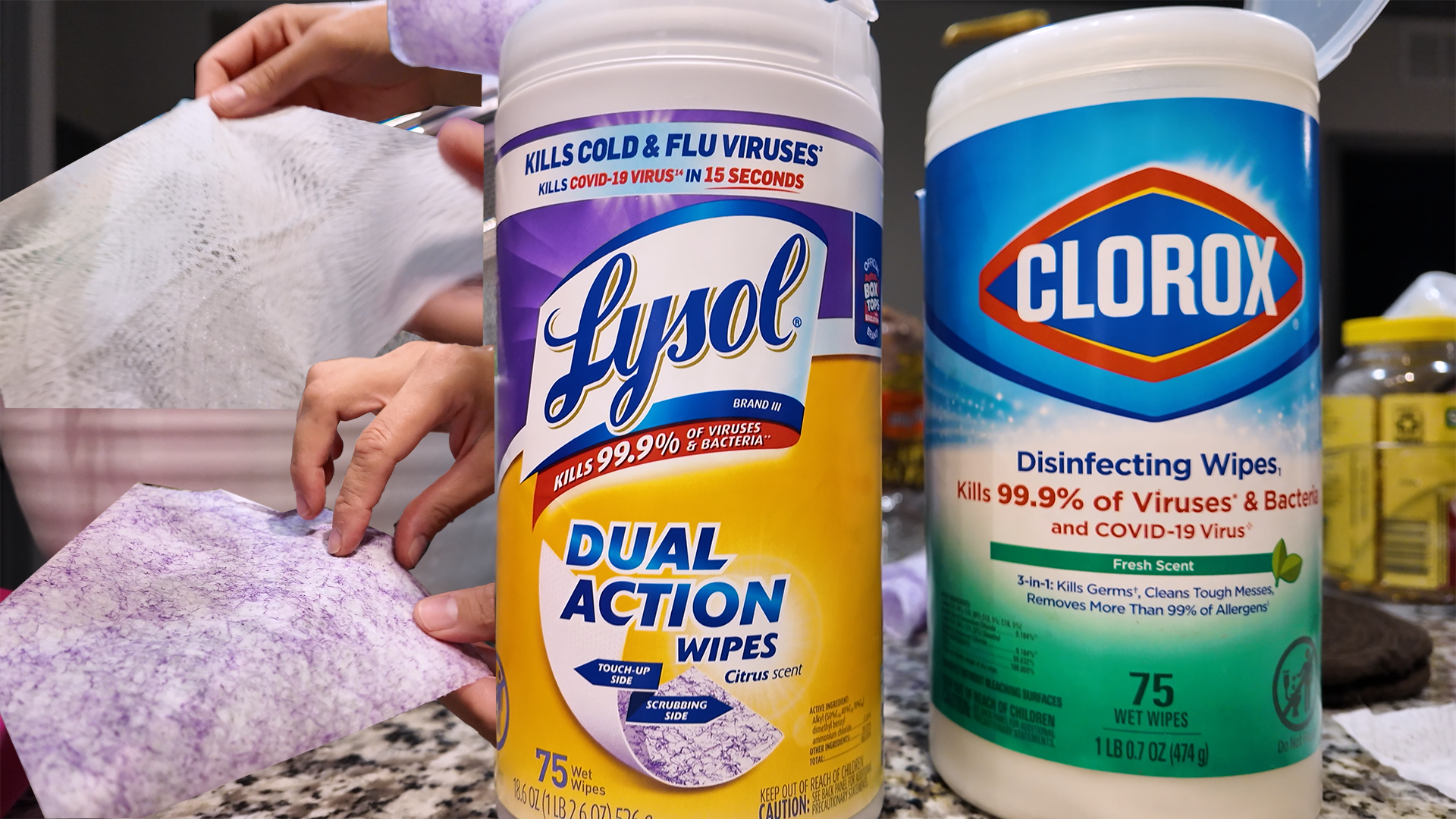
Clorox vs Lysol wipes is a common search for parents, renters, teachers, and anyone who wants a fast way to clean germs from hard surfaces. Both brands make EPA-registered disinfecting wipes, but they are not baby wipes, skin wipes, or safe tools for cleaning a child’s bottom.
I have tested many wipe types over the years, from thin diaper wipes to strong household disinfecting sheets. The key lesson is simple: choose by surface, mess, contact time, scent, and skin safety—not by brand name alone. As the American Academy of Pediatrics advises, “Keep cleaning products out of children’s reach,” and that rule matters even more with disinfectant wipes.

Clorox Disinfecting Wipes Review
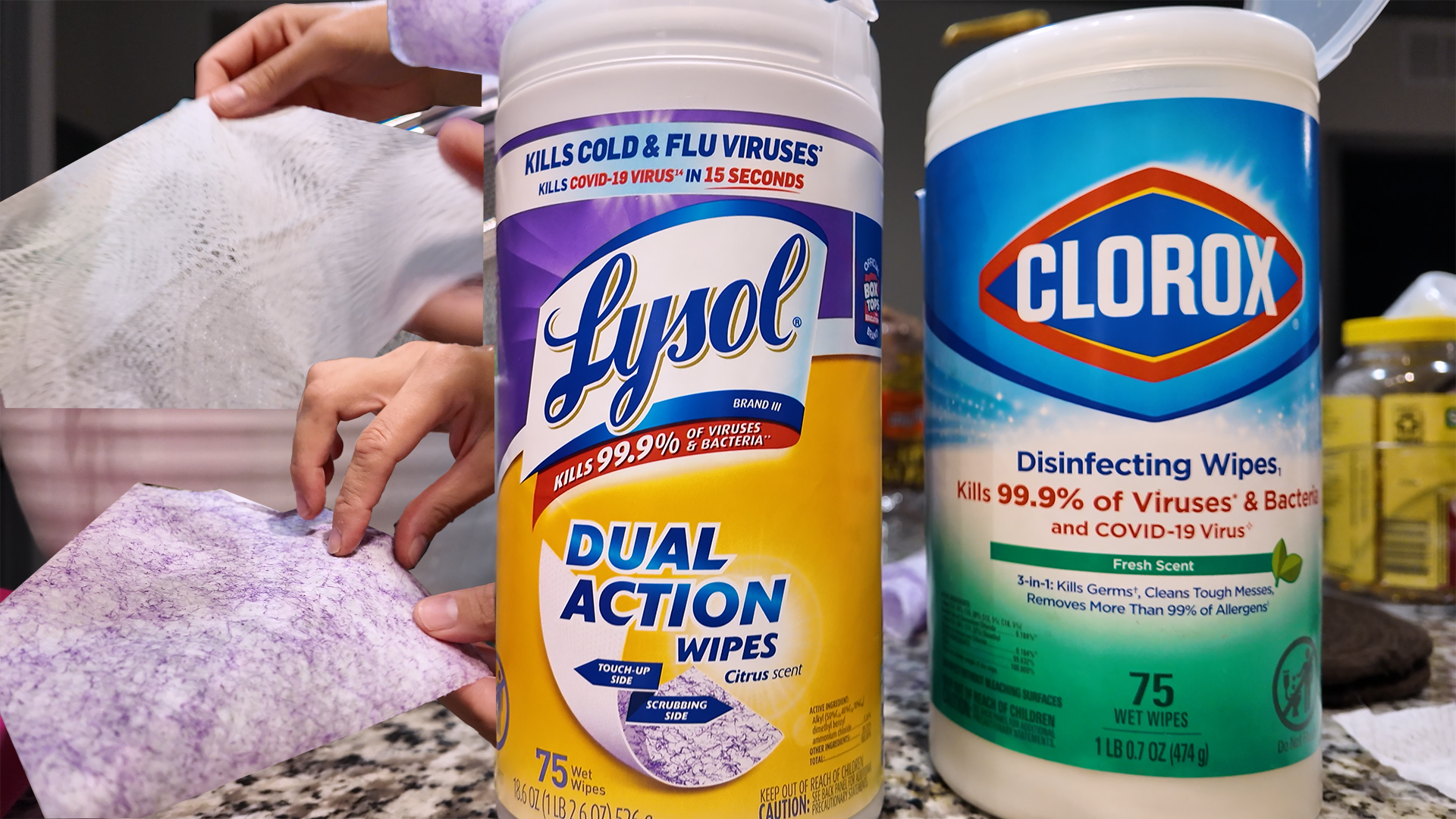
Clorox Disinfecting Wipes are built for hard, nonporous surfaces. They are useful for counters, toilet seats, handles, tables, and high-touch spots when the label allows that surface.

Pros and Cons
Clorox is often easy to find in large tubs and multipacks. Its main strength is broad everyday cleaning, but its strong formula can smell sharp and may leave residue if too much liquid is used.
| Pros | Cons | Best use |
|---|---|---|
| Strong cleaning feel | Can have a sharp scent | Counters and handles |
| Widely available | Not for skin | High-touch surfaces |
| Good tub formats | May dry out over time | Home and office cleaning |
Clorox wipes are not meant to clean hands, faces, pacifiers, toys that go into a baby’s mouth, or diaper rash. Never use them on a child’s skin, even when the child is older.

Real-World Cleaning Experience
During a messy kitchen cleanup, Clorox wipes handle grease, dried food, and sticky fingerprints well. The sheet usually feels sturdy enough for a counter or table, so I do not need to worry about my fingers breaking through the cloth.
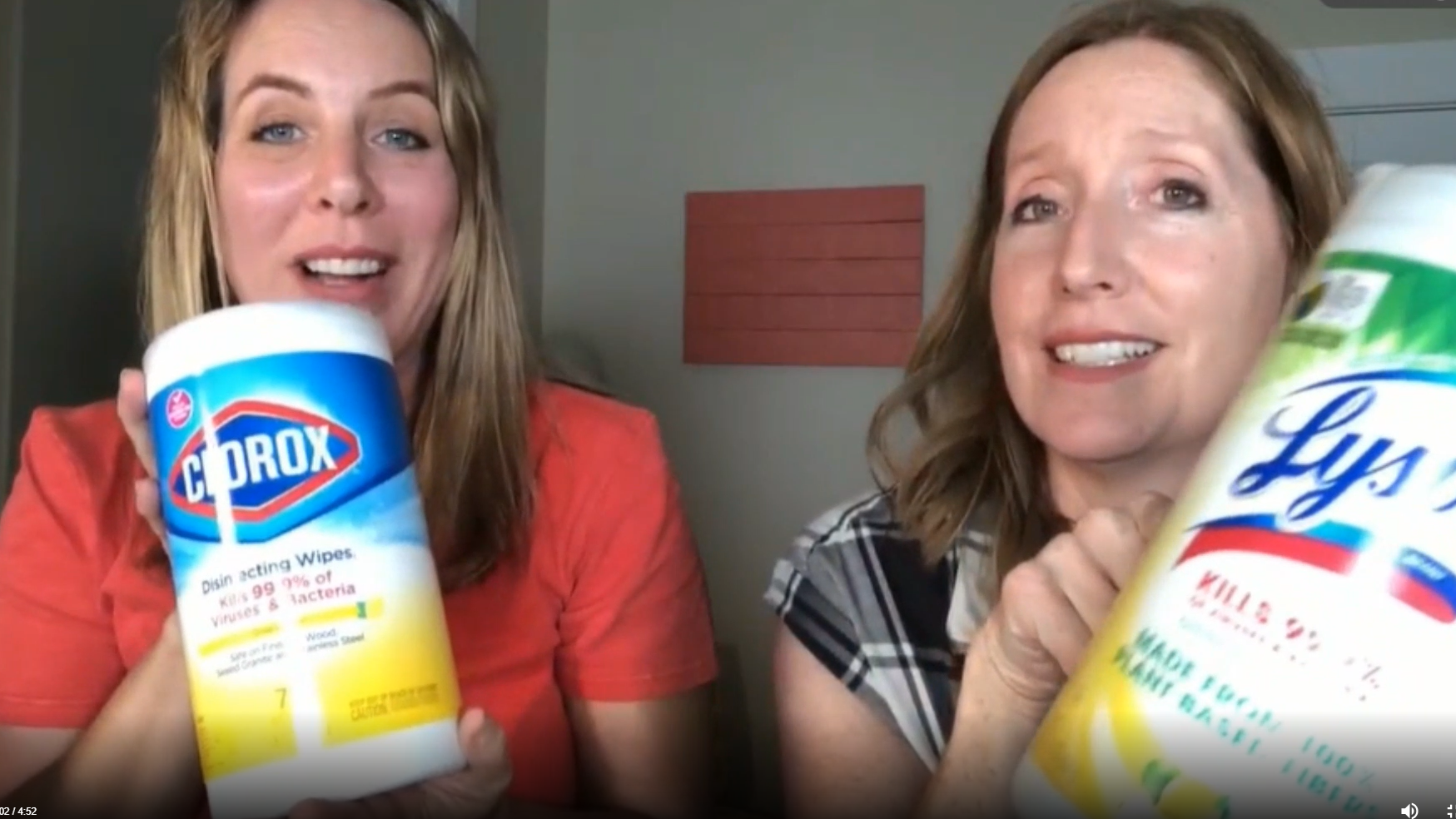
For a large spill, I may use two or three wipes. One wipe can spread a thin layer of grime instead of removing it, so I first lift heavy soil with a paper towel. Then I use the disinfecting wipe and keep the surface wet for the label’s full contact time.
Recommendation
Choose Clorox if you want a familiar disinfecting wipe for hard surfaces and can follow directions. It is a good fit for busy kitchens, bathrooms, playroom shelves, and doorknobs.

Skip it for baby skin, diaper changes, hands, and food that will touch the surface directly. After using it on a food-contact surface, follow the label. Some products require a water rinse.

Lysol Disinfecting Wipes Review
Lysol Disinfecting Wipes are also designed for hard, nonporous surfaces. They are popular for bathrooms, desks, phones, light switches, and other areas that need frequent cleaning.
Pros and Cons
Lysol often offers several scent choices and package sizes. That variety helps some homes, but fragrance can bother children or adults with asthma, migraines, eczema, or scent sensitivity.
| Pros | Cons | Best use |
|---|---|---|
| Many scent options | Fragrance may linger | Bathrooms and desks |
| Easy to find | Not a skin wipe | High-touch areas |
| Good everyday coverage | Contact time varies | Home and travel |
“Unscented” does not always mean gentle, and disinfecting does not mean safe for skin. Lysol disinfecting wipes can contain active chemicals that may sting or cause redness on raw skin.
Real-World Cleaning Experience
Lysol wipes work well on bathroom residue, fingerprints, and small food spills. In my experience, the cloth is strong enough for normal wiping, but a thick dried mess still needs soaking or scraping first.
A common mistake is wiping once and putting the item away. Disinfection depends on wet contact time, which means the surface must stay visibly wet for the number of minutes printed on that product’s label.
Recommendation
Choose Lysol if you prefer its scent, package design, or local price. It is a practical option for hard surfaces when you read the exact label and use the correct contact time.
Avoid it on skin, baby gear that goes into the mouth, fabric, and food unless the label specifically permits that use. When in doubt, use soap and water for washable items.
Details Comparison: Clorox vs Lysol Wipes
The best choice depends less on the logo and more on the exact product line. Formulas, scents, sheet size, and contact times can change between varieties.
Ingredients & Skin Safety
Neither brand should be treated like a baby wipe. The active ingredient may include a quaternary ammonium compound, while the rest of the formula may contain water, cleaning agents, preservatives, fragrance, and other ingredients.
Neither brand gives one universal water percentage for every wipe. Exact water content, parabens, alcohol, and phenoxyethanol details depend on the product and its current ingredient disclosure. Check the package, Safety Data Sheet, and EPA registration information.
| Safety point | Clorox | Lysol |
|---|---|---|
| Designed for skin | No | No |
| Water percentage | Not usually stated as one brand-wide number | Not usually stated as one brand-wide number |
| Fragrance choices | Varies by product | Varies by product |
| Baby bottom use | Never | Never |
For a baby’s skin, use a wipe made for that purpose or plain water and a soft cloth. If redness lasts, spreads, blisters, or looks painful, ask the child’s clinician.
Rating: Clorox Disinfecting Wipes: 8/10 || Lysol Disinfecting Wipes: 8/10
Thickness & Mess Removal
Both brands make sheets that are stronger than many thin baby wipes. They can remove grime from counters without the dreaded problem of your fingers pushing through the cloth.
For a heavy mess, neither wipe is magic. Remove thick soil first, then use enough product to keep the surface wet for the stated contact time. A dry swipe may clean the look of a surface without completing disinfection.
| Feature | Clorox | Lysol |
|---|---|---|
| Sheet strength | Usually strong | Usually strong |
| Sticky food | Good after soil removal | Good after soil removal |
| Large messes | May take 2–3 wipes | May take 2–3 wipes |
| Tear risk | Low to moderate | Low to moderate |
Do not use either wipe on a child’s hands or face. Household disinfecting cloths can leave chemical residue and may sting cracked skin.
Rating: Clorox Disinfecting Wipes: 8.5/10 || Lysol Disinfecting Wipes: 8/10
Dispensing & Packaging Quality
Packaging is where daily frustration shows up. A weak sticker seal can dry the top half of a pack, while a loose lid can let wipes lose moisture before the job is done.
Many tubs use a hard plastic pop-top. This is easier than a sticker when one hand is busy, but wipes can still come out in a chain. Pull slowly, and close the lid firmly after every use.
| Packaging point | Clorox | Lysol |
|---|---|---|
| Tub availability | Very common | Very common |
| Pop-top options | Common | Common |
| Wipe chain risk | Possible | Possible |
| Travel pack options | Available in some lines | Available in some lines |
A parent holding rolling baby ankles should not have to fight a container, but these products should stay away from diaper stations. Use a true baby wipe for diaper care.
Rating: Clorox Disinfecting Wipes: 8/10 || Lysol Disinfecting Wipes: 8/10
Value & Cost per Wipe
Do not compare only the tub price. Count the sheets, check the sheet size, and calculate price per wipe. A cheap tub may cost more if the wipes are small or dry before use.
Bulk buying often lowers the cost per wipe for both brands. Still, avoid storing large supplies in heat or direct sun. A dry disinfecting wipe cannot deliver the same performance as a properly wet one.
| Value factor | Clorox | Lysol |
|---|---|---|
| Bulk packs | Common | Common |
| Price per wipe | Often competitive | Often competitive |
| Best savings | Club stores and sales | Club stores and sales |
| Main waste risk | Drying or overuse | Drying or overuse |
For a fair comparison, divide the total price by the number of sheets. Then compare the number of wipes needed for the task, not just the number printed on the tub.
Rating: Clorox Disinfecting Wipes: 8/10 || Lysol Disinfecting Wipes: 8/10
Final Verdict: Which Wipes Should You Buy?
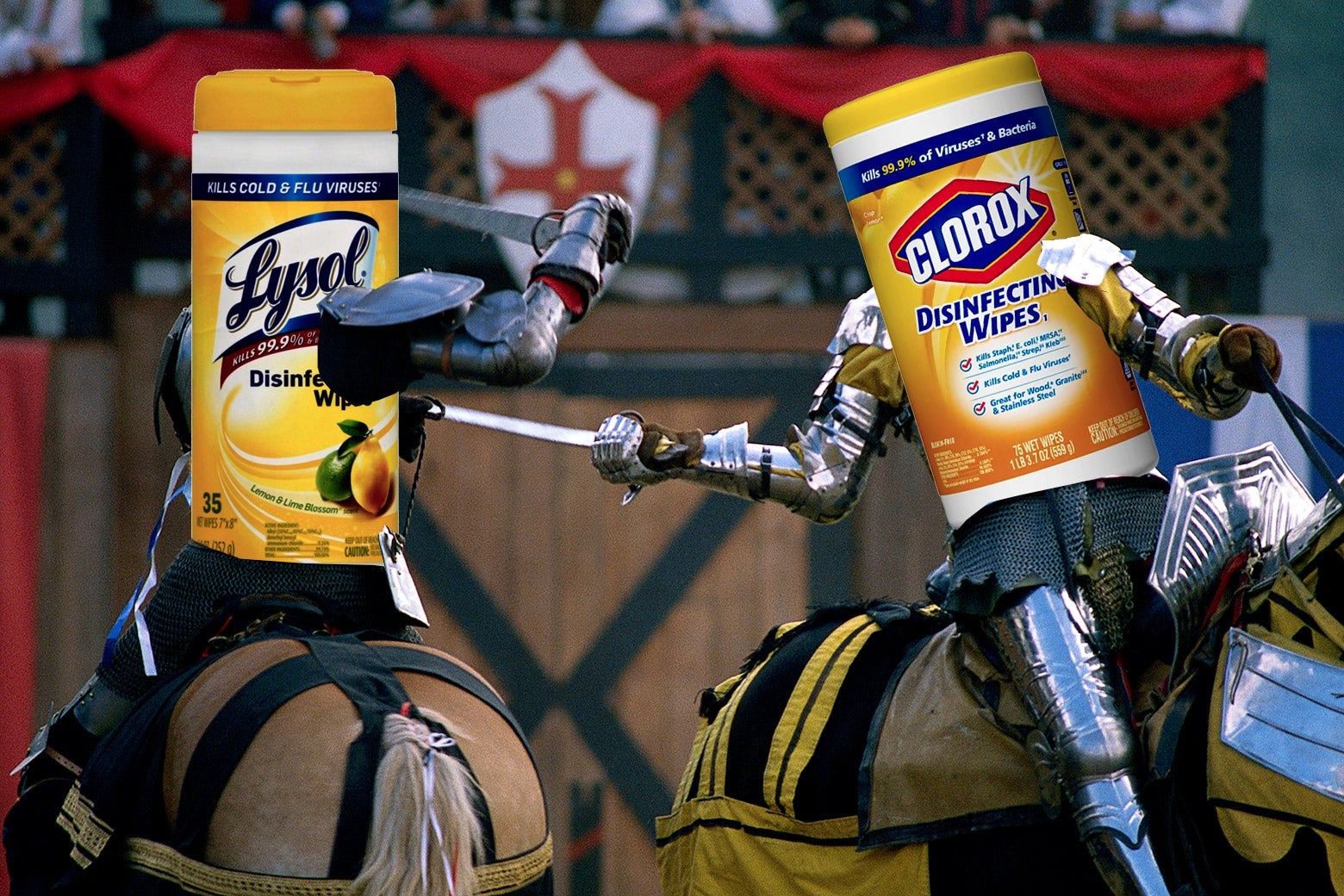
Clorox and Lysol are close competitors for hard-surface cleaning. Clorox may appeal to shoppers who want broad availability and sturdy everyday performance, while Lysol may suit those who prefer its scents or package options.
My practical choice is whichever exact product has the right label, contact time, scent level, and price per wipe. Neither is the right choice for a baby’s skin, diaper area, hands, face, pacifier, or mouthing toy.
Real-world reminder: clean visible dirt first, keep the surface wet for the full label time, wash your hands after use, and store the container locked away. For sensitive little skin, choose a purpose-made baby wipe, plain water, and gentle care—not a household disinfectant.