
Bathrooms can be risky places for children, even when they look clean and familiar. Water, slippery floors, hot taps, medicines, razors, and electrical items can all cause trouble in seconds. Fourth graders are becoming more independent, but they still need clear rules and regular reminders.
These 10 safety rules in the bathroom for kids in 4th grade are easy to understand and practice. They teach children how to prevent slips, burns, cuts, falls, poisoning, and other common bathroom accidents while helping parents build safe habits at home.

Why bathroom safety still matters for fourth graders
A child in fourth grade may be able to shower, brush, dress, and use the toilet without much help. That growing independence is a good thing. Still, independence does not mean a child can safely manage every bathroom danger alone.
Bathrooms often contain several hazards in one small room. The floor may be wet. A bottle may contain strong cleaner. A curling iron may look switched off but still be hot. A child may also rush because they are late for school or distracted by a toy or tablet.
The goal is not to make children afraid of the bathroom. The goal is to help them slow down, notice danger, and know what to do. A few simple rules can prevent many everyday injuries.
A child-friendly way to teach the rules
Fourth graders learn best when rules are short and clear. Instead of giving a long lecture, teach one rule at a time. Show your child what the rule looks like in real life.
For example, say, “Walk on the bathroom floor,” rather than, “You need to be careful because you could slip and hurt yourself.” The first sentence is easier to remember and follow.
You can also ask your child to explain the rule back to you. If your child can say what to do and why it matters, they are more likely to remember it.
| Safety goal | Simple child-friendly rule |
|---|---|
| Prevent falls | Walk, do not run |
| Prevent burns | Test the water first |
| Prevent poisoning | Never taste or use unknown products |
| Prevent cuts | Leave sharp tools alone |
| Prevent electric shock | Keep electronics away from water |
1. Walk slowly and keep the floor dry
The first bathroom safety rule for kids is simple: walk, never run. Bathroom floors can become slippery from water, soap, shampoo, or bath toys. Running, jumping, and pushing can lead to a hard fall.
Children should take small steps when the floor is wet. They should hold a stable grab bar if one is available. A towel or bath mat should be placed outside the tub or shower so wet feet do not land on a slick floor.
Teach your child to clean up a small spill right away. If the spill is too large or the floor feels very slippery, they should leave the room and tell an adult. They should never try to slide across the floor for fun.
What to do after a spill
A small puddle may seem harmless, but it can spread quickly. Water near the toilet, sink, or tub may also hide soap or hair products that make the surface even more slippery.
Show your child where clean towels are kept. They can use one to dry a small area if they can do so safely. They should not climb on a chair or stool to reach a high shelf or mop.
| Bathroom problem | Safe response |
|---|---|
| Water near the sink | Wipe it with a towel |
| Wet floor near the tub | Step away and tell an adult |
| Loose bath mat | Stop and ask an adult to fix it |
| Large spill | Leave the room and get help |
| Slippery soap on the floor | Do not pick it up while standing on the wet area |
2. Use bath and shower water carefully
Hot water can burn skin very quickly. Children may not know that water can feel comfortable on one part of the body but be too hot for another. They should never turn a tap all the way to hot without checking the water first.
Teach your child to test the water with the inside of their wrist or hand. The water should feel warm, not hot. If the water feels too hot, they should step back and ask an adult to adjust it.
Children should also avoid playing with the faucet. A sudden change in water temperature can cause a burn or shock. If the water becomes too hot, they should move away from the stream and tell an adult.
Why “hotter” is not cleaner
Some children think very hot water makes them cleaner. It does not. Soap, gentle scrubbing, and rinsing are what help remove dirt and germs. Water that is too hot can hurt skin and make dryness worse.
A child should never sit under water that has not been checked. This is especially important if another person recently used the shower or changed the tap setting.
Parents and caregivers can lower the risk by checking the water heater setting and using anti-scald protection when suitable. If a child has been burned, move them away from the heat and seek medical advice for the injury. Serious burns need prompt professional care.
| Water safety check | What children should do |
|---|---|
| Before entering | Test the water |
| If water feels hot | Step away and tell an adult |
| If the faucet changes suddenly | Move away from the stream |
| During a bath | Keep the faucet off |
| If skin becomes red or painful | Tell an adult at once |
3. Never climb on the toilet, sink, or bathtub
Children sometimes climb to reach a high shelf, mirror, towel, or medicine cabinet. This is dangerous because bathroom fixtures are not made to be ladders. A toilet lid can break or slide. A sink may pull away from the wall. A wet tub is especially easy to slip in.
The rule is: never climb on bathroom fixtures. If something is out of reach, ask an adult for help. Parents can also move daily-use items to a low, safe shelf.
A stable step stool may be useful for some children, but it must sit flat on the floor. It should not be placed inside a tub or on a wet surface. Teach your child to keep both feet on the stool and step down slowly.
Keeping needed items within reach
A child is more likely to climb when the item they need is too high. Store soap, toothpaste, and towels where the child can reach them without stretching.
Keep medicines, cleaning products, razors, and sharp tools locked or placed well out of reach. A child should not need to climb to get a toothbrush, towel, or soap.
| Item or area | Safer setup |
|---|---|
| Daily soap | Store on a low, dry shelf |
| Towels | Hang at child height |
| Medicines | Use a locked cabinet |
| Cleaning products | Keep locked and separate |
| High shelves | Use only with adult help |

4. Keep medicines and cleaning products off-limits
Medicine bottles and cleaning products should never be treated like ordinary bathroom items. Some pills look like candy, and some liquids smell pleasant. A child may be curious even after being told not to touch them.
The rule is: never take, taste, open, or use a bathroom product without an adult’s permission. This includes vitamins, mouthwash, shampoo, toilet cleaner, disinfectant, and skin creams.
Parents should keep medicines and cleaners in their original containers. Do not pour them into cups, food containers, or unmarked bottles. A clear label helps adults know what a product is and how to use it safely.
Child-resistant packaging helps, but it is not childproof. Store risky products in a locked cabinet whenever possible. If a child swallows a medicine or cleaner, do not guess what to do. Contact Poison Control in the United States at 1-800-222-1222, or call emergency services if the child has trouble breathing, collapses, or has a severe reaction.
A common mistake with bathroom products
Some adults leave medicine on the counter because they plan to take it again soon. Children may see this as permission to touch it. A better habit is to return every medicine to its locked storage area after each use.
| Product | Why it can be risky | Safer habit |
|---|---|---|
| Prescription medicine | May cause serious harm if misused | Lock it away |
| Vitamins | May look like candy | Store out of reach |
| Toilet cleaner | Can irritate or burn | Keep locked |
| Mouthwash | May be unsafe to swallow | Use only with permission |
| Skin cream | May cause illness if eaten | Keep in original container |
5. Keep sharp objects away from your body
Razors, scissors, nail clippers, tweezers, and broken plastic can cause cuts. Even a small cut may become infected if the item is dirty. Children should not pick up a razor from the floor or use one without adult permission.
The rule is: sharp tools stay still and point away from people. If a child needs help with nail trimming or shaving, they should ask an adult. A fourth grader may use some grooming tools, but the decision depends on the child’s maturity and the tool.
Razors should be stored with the blade covered or placed in a locked cabinet. Used blades should never go into an open trash can where a child may reach them. Broken glass also needs adult handling.
If a child finds a sharp object, they should not touch it. They should move away and tell an adult.
What to do if a cut happens
Tell the child to stop and call an adult. Do not let them continue using the sharp tool. An adult can wash a minor cut with clean running water and apply gentle pressure with a clean cloth.
Medical help may be needed when bleeding does not stop, the wound is deep, the object was dirty, or the cut involves the eye, face, hand, or another sensitive area. Parents should contact a health professional when they are unsure.
| Sharp item | Child rule |
|---|---|
| Razor | Do not touch without permission |
| Scissors | Carry with points down |
| Nail clippers | Use while seated |
| Broken glass | Leave it for an adult |
| Loose blade | Never pick it up |
6. Stay away from electrical items near water
Water and electricity are a dangerous mix. Hair dryers, curling irons, straighteners, electric shavers, and chargers should stay far from sinks, tubs, and wet hands.
The rule is: never use an electrical item with wet hands or near water. A child should not plug in or unplug a device while standing on a wet floor. They should ask an adult for help.
After use, an adult should unplug heat tools and place them on a heat-safe surface. A device may remain hot even after it is turned off. Do not store it in a drawer until it has cooled.
Children should never pick up a device that has fallen into water. They should move away and call an adult. An adult should turn off power safely before handling it.
Chargers need bathroom rules, too
Phones, tablets, toothbrushes, and other devices are often charged in bathrooms. A charger can be dangerous if its cord is damaged or if it falls into water. Keep chargers away from sinks and tubs, and replace damaged cords.
| Electrical item | Safer bathroom rule |
|---|---|
| Hair dryer | Keep away from water |
| Curling iron | Unplug and let it cool |
| Electric toothbrush | Keep the charger dry |
| Phone charger | Do not use near a sink |
| Damaged cord | Stop using it and tell an adult |
7. Sit safely in the bathtub and shower
Children may slip when they stand in the tub or shower. The safest choice is to sit when bathing unless an adult says standing is needed. Even then, they should stand still and hold a stable support if one is available.
Do not use a bath mat with loose edges. A suction mat made for tubs may help reduce slipping, but it must be clean and firmly attached. A mat does not remove the need to move slowly.
Children should not swing from shower curtains, towel bars, shelves, or faucet handles. These items may pull loose and cause a fall. They should also keep bath toys in one area so they do not step on them.
Safe bathing habits
A calm routine lowers the chance of a sudden fall. Keep soap and shampoo within easy reach. Turn off the water before stepping out. Use the towel to dry feet before walking across the bathroom.
A child who feels dizzy, weak, or sick should sit down and tell an adult. They should not try to climb out quickly.
| Bath or shower risk | Better choice |
|---|---|
| Standing on a wet tub floor | Sit or stand still |
| Stepping on a bath toy | Move toys aside first |
| Pulling a shower curtain | Use a stable support |
| Jumping out of the tub | Turn off water and step out slowly |
| Wet feet | Dry them before walking |

8. Use the toilet properly and keep it clean
The toilet can be slippery, and children may fall if they stand on the seat or lean too far. They should sit properly and keep both feet on the floor or on a safe foot support.
Do not flush objects that are not meant to go into the toilet. Wipes, toys, paper towels, cotton swabs, and too much toilet paper can cause a clog. A clogged toilet may overflow and create a slippery, dirty floor.
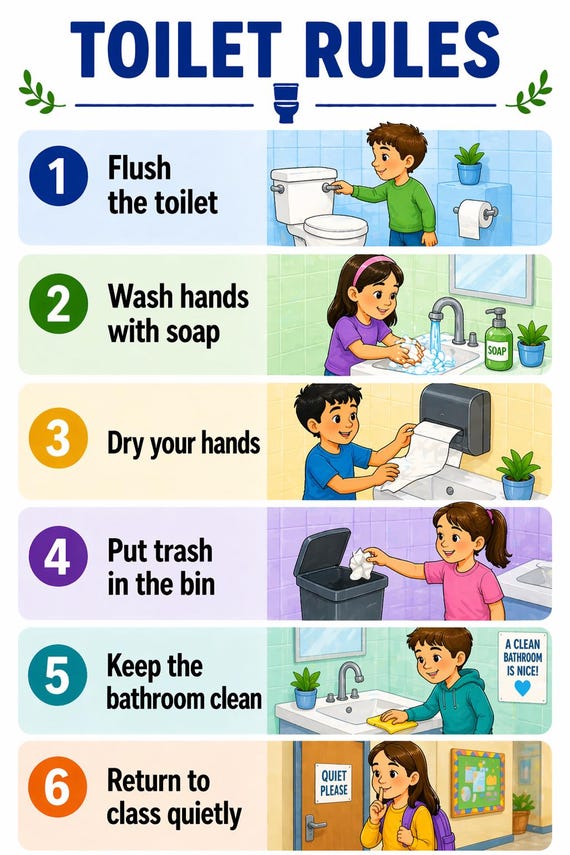
Children should wash their hands after using the toilet. They should use soap and scrub all parts of their hands for about 20 seconds, then rinse and dry them. A simple way to time this is to hum a short song.
A child should tell an adult if the toilet rocks, leaks, overflows, or will not stop filling. They should not try to fix it alone.
Bathroom hygiene and safety
Clean hands help reduce the spread of germs at home and school. Children should also avoid touching their eyes, nose, or mouth with unwashed hands.
Keep toilet brushes, plungers, and cleaning tools away from children when they are not in use. These items are not toys. Cleaning products should never be mixed, because some combinations can create harmful fumes.
| Toilet habit | Safe action |
|---|---|
| Toilet starts to overflow | Turn away and call an adult |
| Toilet will not stop filling | Do not keep flushing |
| Object falls in | Tell an adult |
| After toilet use | Wash hands with soap |
| Cleaner is nearby | Do not touch or mix it |
9. Keep small items and bath toys out of your mouth
Fourth graders are usually past the stage of putting everything in their mouths, but accidents can still happen. A child may chew on a bottle cap, swallow toothpaste, or put a small toy in their mouth while playing.
The rule is: bathroom items are not food. Toothpaste should be used as directed by an adult. Mouthwash should never be swallowed. Bath toys should be checked for cracks, mold, or loose parts.
Small objects can also become choking hazards for younger children who share the bathroom. If a younger sibling is nearby, keep coins, caps, jewelry, and tiny toy parts off the floor.
Do not leave water in buckets, deep containers, or an open tub. Young children can drown in a small amount of water. An adult should empty containers after use and supervise younger children around any water.
Keep the bathroom safe for every age
A bathroom used by a fourth grader may also be used by a baby or toddler. Safety rules should protect the youngest child in the home, not only the child who can follow directions.
| Item | Safety concern | Good practice |
|---|---|---|
| Toothpaste | May upset the stomach if swallowed | Use a small amount |
| Mouthwash | Not meant to be swallowed | Adult supervision |
| Bath toy | May have mold or loose parts | Clean and inspect it |
| Bottle cap | Can be a choking hazard | Pick it up at once |
| Bucket of water | Dangerous for young children | Empty after use |
10. Tell an adult about danger right away
The final rule is one of the most important: tell an adult when something feels unsafe. Children should not worry that they will get in trouble for reporting a spill, broken item, strange smell, or injury.
Teach your child to report:
- A wet or slippery floor
- A hot tap or burning smell
- A medicine or cleaner left out
- A broken light, outlet, cord, or fixture
- A toilet that overflows
- A cut, burn, fall, or strong pain
- Dizziness, trouble breathing, or feeling very sick
A child should also know how to leave the bathroom safely. If there is smoke, a strong chemical smell, or a fire, they should get out, warn others, and call emergency services from a safe place. They should not go back inside to get a toy or phone.
What to say after an accident
Stay calm. A frightened child may hide an injury if they expect anger. Say, “Thank you for telling me. Let’s make you safe first.”
After the child is safe, explain what to do next time. This teaches responsibility without shame. A calm response makes it more likely that the child will speak up in the future.
| Situation | Child’s first step |
|---|---|
| Small spill | Stop and tell an adult |
| Minor cut | Stop using the item and call an adult |
| Chemical smell | Leave the room |
| Burn or severe pain | Tell an adult immediately |
| Fire or smoke | Leave and call emergency services |
A quick bathroom safety check for parents
Teaching rules is important, but the bathroom setup matters just as much. Children cannot avoid hazards they cannot see or reach. A short safety check can help adults find problems before an accident occurs.
Look at the room from a child’s height. Is the floor slippery? Can the child reach medicine? Is the stool stable? Are the electrical cords dry and away from the sink? Small changes can make daily routines safer.
Use this check once a week, and repeat it after repairs, visitors, or changes in the family routine.
| Area to check | What to look for |
|---|---|
| Floor | Water, loose mats, soap |
| Tub or shower | Stable mat and grab bar |
| Storage | Locked medicine and cleaners |
| Electrical items | Dry cords and safe outlets |
| Fixtures | Loose toilet, sink, or towel bar |
| Supplies | Items placed within safe reach |
Common bathroom safety mistakes families make
Most bathroom accidents do not happen because a child wants to break a rule. They happen during rushed moments. A parent may leave a medicine bottle on the counter, or a child may run because the school bus is coming.
One common mistake is assuming a fourth grader is “old enough” for every bathroom task. Children develop at different speeds. A child may manage showering well but still need help with hot water, grooming tools, or medicine.
Another mistake is giving a warning without showing the child what to do. “Be careful” is not as useful as “Walk slowly and hold the rail.” Specific instructions are easier to follow.
Myth: A child is safe because they can swim
Swimming skill does not make a child safe in a bathtub, shower, toilet, or bucket. Slips can cause head injuries, and a child can become trapped or unable to breathe. Water safety rules still apply.
Myth: Child-resistant caps cannot be opened
Child-resistant does not mean impossible to open. Some children can open these packages, especially if they have time or watch an adult. Lock medicines and dangerous products rather than relying only on the cap.
Myth: A bath mat solves every slipping problem
A bath mat may help, but it can slide, curl, or collect mold. Check that it is made for the tub or bathroom floor and stays firmly in place. Children must still walk slowly.
| Common mistake | Why it is a problem | Better approach |
|---|---|---|
| Saying “be careful” only | The child may not know what to do | Give a clear action |
| Leaving medicine out briefly | A child may reach it | Put it away at once |
| Using a loose mat | It may cause a trip | Replace or secure it |
| Allowing running when rushed | Wet floors increase fall risk | Leave extra time |
| Assuming one lesson is enough | Children forget under stress | Review rules often |
How to practice the 10 rules with a fourth grader
Practice works better than fear. Choose a quiet time and walk through the bathroom together. Ask your child to point out slippery areas, sharp items, hot water controls, and products they should not touch.
Use short role-play questions:
- “What would you do if you spilled water?”
- “What if a hair dryer fell into the sink?”
- “What if you found a pill on the floor?”
- “What if the toilet started to overflow?”
- “What if you got a small cut?”
Praise the correct answer. If the answer is not safe, explain it without scolding and practice again. Children need repeated practice because real accidents can make it hard to think clearly.
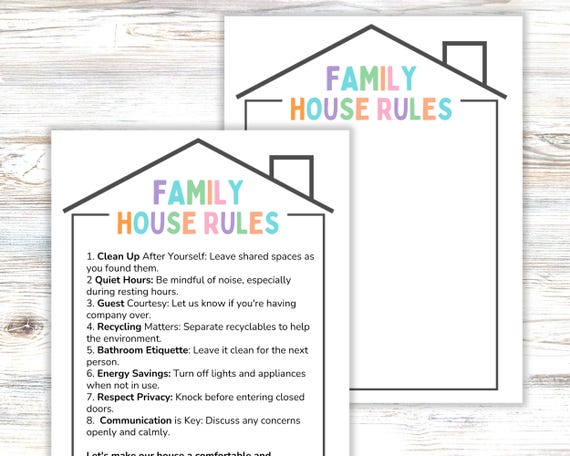
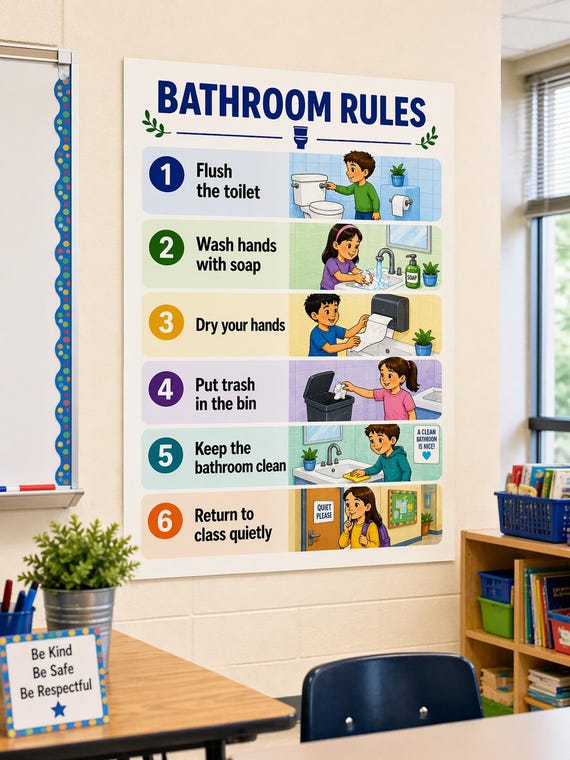
A simple bathroom safety poster can help. Write the rules in large letters and place it outside the bathroom or near the sink. Keep the list short enough for your child to read quickly.
| Practice activity | Skill it builds |
|---|---|
| Find the wet floor | Hazard awareness |
| Test warm water | Burn prevention |
| Practice reporting a spill | Speaking up |
| Identify locked products | Poison prevention |
| Show safe walking | Fall prevention |
When a child needs closer supervision
Some children need more help than others. Extra support may be needed if a child has balance problems, a developmental delay, vision concerns, seizures, difficulty judging danger, or trouble following several steps in a row.
A child who takes medicine, uses medical equipment, or has a condition that can cause dizziness may also need a special bathroom plan. Parents should ask the child’s doctor or care team for advice that fits the child’s needs.
Supervision does not always mean standing beside the child for every task. It may mean checking the bathroom first, staying nearby, or using a timer for a shower. The safest level of help depends on the child and the bathroom setup.
| Child’s need | Possible support |
|---|---|
| Trouble with balance | Non-slip surfaces and close help |
| Poor vision | Clear paths and strong lighting |
| Trouble remembering steps | Picture or written checklist |
| Medical condition | Advice from a health professional |
| Fear after a fall | Calm practice with an adult |
A simple 10-rule bathroom safety checklist
Review the rules often, especially after a move, bathroom repair, or change in your child’s routine. Keep the wording positive and direct.
- Walk slowly. Never run.
- Keep the floor dry.
- Test water before getting in.
- Never touch medicine or cleaners without permission.
- Do not climb on the toilet, sink, or tub.
- Keep sharp objects away from your body.
- Keep electronics away from water.
- Sit safely and use stable supports.
- Keep small items out of your mouth.
- Tell an adult about danger or injury.
Children do not need to memorize a long safety speech. They need a few clear actions that become habits. A quick reminder before bath time or a shower can make a real difference.
Frequently asked questions
What are the most important bathroom rules for a 4th grader?
The most important rules are to walk, avoid hot water, stay away from medicines and cleaners, keep electrical items dry, avoid sharp tools, and tell an adult about danger. These rules cover the most common bathroom risks.
Should a fourth grader shower alone?
It depends on the child’s maturity, health, balance, and the bathroom setup. Some children can shower alone safely, while others need an adult nearby. Parents should make the choice based on the child’s skills, not only age.
How can I stop my child from running in the bathroom?
Use a clear rule such as, “Bathroom floors are for walking.” Keep towels and soap within reach, clean spills quickly, and allow enough time so your child does not feel rushed.
What should I do if my child swallows bathroom cleaner?
Contact Poison Control at 1-800-222-1222 in the United States. Follow their instructions. Call emergency services immediately if the child has trouble breathing, becomes very sleepy, collapses, or has another serious symptom. Do not make the child vomit unless a medical professional tells you to do so.
Are bath toys safe?
Bath toys can be safe when they are age-appropriate, clean, and free from cracks or loose parts. Remove toys that hold dirty water or show mold. Never leave small toys around a baby or toddler.
Can children use hair dryers?
Children should use hair dryers only when an adult says they are ready and the device can be used safely. Hands and floors must be dry. The dryer must stay away from the sink, tub, and toilet. An adult should check the cord and unplug the device after use.
How often should parents review bathroom safety rules?
Review the rules when your child learns a new task, after a bathroom change, or whenever a safety problem happens. A short reminder every few weeks can help keep the habits fresh.
Conclusion
Bathroom safety for kids in 4th grade is about building smart habits, not creating fear. Children should walk slowly, test water, avoid medicines and sharp items, keep electricity away from water, and tell an adult when something is wrong.
Parents can make these rules easier by keeping dangerous products locked, placing daily items within reach, drying wet floors, and practicing what to do during common problems. With calm reminders and a safe bathroom setup, children can gain independence while reducing the risk of falls, burns, cuts, poisoning, and other injuries.