
Ameda Glo vs Elvie Stride: My Honest Verdict
When you are desperately trying to choose between the Ameda Glo vs Elvie Stride, you need facts built on real postpartum exhaustion, not just polished marketing claims. Deciding on the right breast pump often feels incredibly overwhelming when you are already functioning on minimal sleep and surviving on cold coffee. You need a device that actually empties your breasts efficiently without tethering you to a wall outlet for hours every single day.
Over my years of working with countless parents and logging my own grueling exclusive pumping journeys, I have scrutinized exactly how these two unique pumps handle the daily grind. Both models promise freedom and mobility, but they approach hands-free milk expression from entirely different structural philosophies and engineering designs. My goal here is to break down their actual performance under pressure so you can make an investment that truly protects your milk supply and your sanity.
Ameda Glo Review
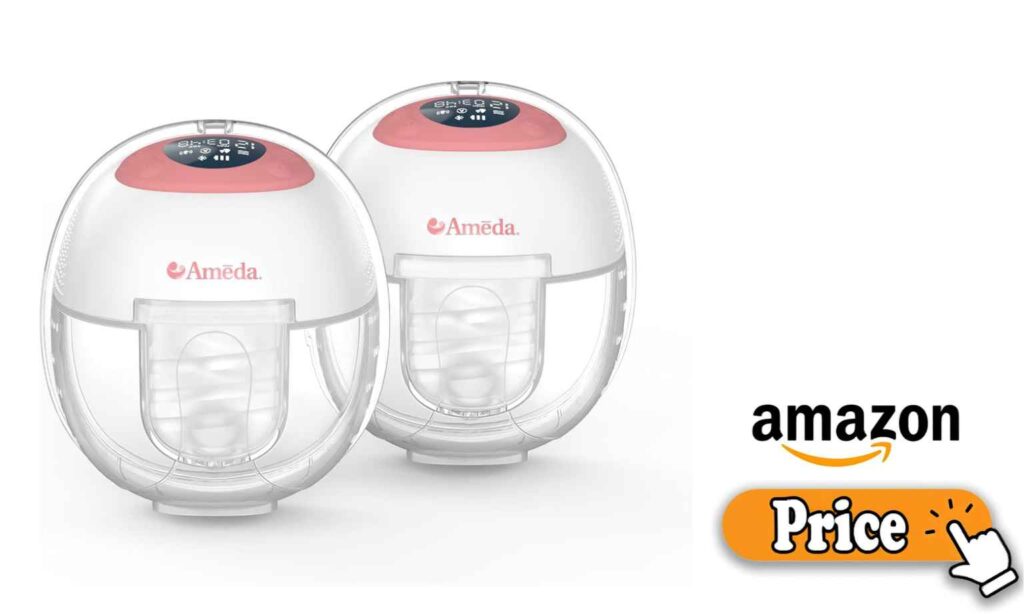
The Ameda Glo enters the wearable market as a completely tubeless, true all-in-one in-bra pump designed for maximum physical freedom.
Pros and Cons
When assessing the overall value and performance of this device, there are distinct advantages and frustrating limitations to carefully consider. Based on my extensive testing during chaotic morning commutes and late-night sessions, here is exactly how the strengths and weaknesses actually balance out.
| Performance Area | Standout Benefits | Noticeable Drawbacks |
| Suction Power | Impressive 270 mmHg maximum strength | Can feel harsh on the highest expression mode |
| Sizing Flexibility | Includes multiple silicone inserts out of the box | Finding replacement inserts locally is difficult |
| Portability | Completely tubeless with no external wires | Motors sitting on the breast make you look bulky |
Seeing these trade-offs clearly helps set realistic expectations for your daily pumping routine and overall comfort level. While no pump is entirely flawless, understanding these specific limitations ensures you won’t be caught off guard when trying to maintain your hard-earned milk supply.
My Personal Experience
My first few days testing the Ameda Glo were defined by the sheer relief of not having any tubes getting caught on doorknobs or kitchen cabinet handles. The motors attach directly to the top of the collection cups, meaning you just slip them into a nursing bra and immediately go about your business. I found myself able to easily fold laundry and even bend over slightly without catastrophic spillage, which is a massive win for active parents.
However, because all the weight of the motor and the collected milk is resting directly on your breast tissue, it does feel heavy after a twenty-minute session. When figuring out how to pump without nipple pain, I had to utilize the included silicone inserts to get a perfectly snug fit inside the standard 24mm flange. The suction is robust, and the digital display on top of the motor made it incredibly easy to see my elapsed time during those hazy 3 AM wakeups.
Recommendation
The Ameda Glo is a fantastic choice for parents who prioritize absolute, untethered mobility and need a pump they can throw into a work bag without wrestling with tangled tubing. Because it comes with a generous sizing kit right out of the box, it is particularly helpful for first-time parents who might not yet know their exact millimeter measurement. The true closed system effectively prevents milk from backing up into the motor, ensuring your hygiene standards are easily maintained.
However, if you are blessed with a massive oversupply, the six-ounce cup capacity might require you to pause and empty midway through your morning session. I strongly recommend this model for secondary use, commuting, or for those who simply refuse to be tethered to a traditional external pump hub. If you need a device that is straightforward, easy to understand, and visually tracks your time without requiring a smartphone, this pump delivers exactly that.
Elvie Stride Review
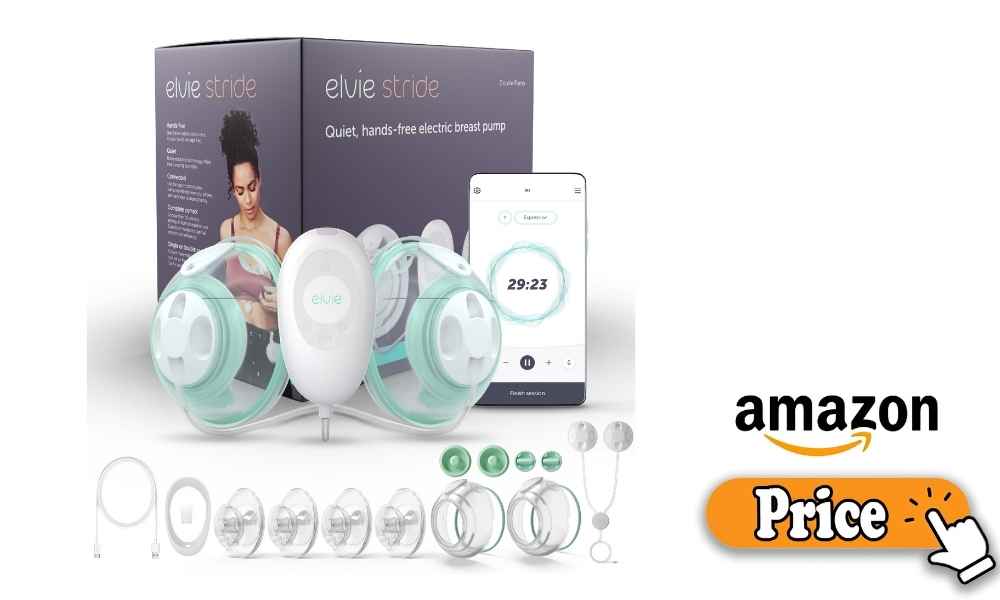
The Elvie Stride takes a hybrid approach, offering lightweight in-bra collection cups connected by thin tubing to a remarkably quiet external motor hub that clips to your waistband.
Pros and Cons
Evaluating the Elvie Stride requires looking past its sleek aesthetics to understand how its unique hub-and-tube design holds up to heavy daily usage. I have put this pump through its paces during endless conference calls and long car rides to isolate its true operational strengths and weaknesses.
| Feature Category | The Good | The Bad |
| Motor Performance | Hospital-grade suction reaching 300 mmHg | Requires a clip or pocket to hold the external hub |
| Discretion | Extremely slim in-bra cups and a 37 dB quiet motor | Tubing can occasionally snag if not routed under a shirt |
| Smart Connectivity | App tracking records sessions and controls settings | Bluetooth can sometimes disconnect mid-expression |
Weighing these specific functional realities will help you decide if a hybrid portable model aligns with your workplace environment or home layout. If you value extreme discretion and lightweight cups over a completely tubeless design, these trade-offs are usually well worth the compromise.
My Personal Experience
Using the Elvie Stride feels like a masterclass in discreet pumping because the collection cups themselves are incredibly light and conform beautifully to the natural slope of the breast. Because the heavy motor sits on your waistband rather than your chest, I never experienced the dragging sensation that typically accompanies true wearable pumps. The let-down stimulation mode is phenomenally gentle yet effective, consistently triggering my milk flow within the first sixty seconds of operation without causing any painful pulling.
The primary hurdle I encountered was managing the tubing, which required me to carefully thread it underneath my shirt to prevent my grabby toddler from yanking it out. When parents inevitably ask, is a wearable pump worth it for exclusive pumping, I often point to the Stride’s hospital-grade suction as proof that you do not have to sacrifice output for mobility. While pouring the collected milk into breast milk storage bags took some practice to avoid losing precious drops, the overall comfort of the soft silicone cup edges was exceptional.
Recommendation
I highly recommend the Elvie Stride for working professionals, teachers, or nurses who need to pump discreetly around other people without drawing any auditory or visual attention. At merely 37 decibels, the motor is practically silent, meaning you can easily take a phone call or sit in a meeting without the person next to you hearing a rhythmic mechanical wheezing. The external hub keeps your chest looking natural, avoiding the extreme boxy silhouette that other true wearables often create beneath a standard blouse.
That being said, if you absolutely despise washing and drying delicate tubing, the hybrid nature of this pump might eventually grate on your nerves. It is best suited for parents who need sustained, powerful suction but cannot remain seated next to a wall outlet for thirty minutes at a time. It brilliantly bridges the gap between traditional heavy-duty wall pumps and modern wearables, making it a reliable workhorse for those dedicated to maintaining their supply.
Details Comparison: Ameda Glo vs Elvie Stride
To determine which of these devices truly deserves your hard-earned money, we must analyze how they perform against each other across the most critical pumping metrics.
Suction Strength and Let-Down Stimulation
When you are desperately trying to empty a painfully engorged breast, the raw vacuum power and the rhythm of the motor matter more than any aesthetic feature. The Ameda Glo offers a robust maximum suction of 270 mmHg, featuring distinct massage and expression modes that you can easily toggle to mimic a baby’s natural feeding pattern. While the Ameda is powerful, some users find its highest settings a bit too aggressive, requiring careful adjustment to avoid irritating delicate breast tissue during longer sessions.
Conversely, the Elvie Stride packs an impressive, hospital-grade punch with a maximum suction capacity of 300 mmHg, which is incredibly rare for a highly portable device. Despite this higher power ceiling, the Stride’s motor delivers the vacuum in a remarkably smooth, rolling waveform that feels significantly gentler on the nipple than many of its competitors. Both pumps utilize a protective closed system to ensure milk never enters the delicate electronic pathways, but the Stride ultimately feels more refined during the critical initial let-down phase.
Comparing the raw technical specifications side-by-side reveals exactly how these two motors approach the mechanics of effective and safe milk expression. Understanding these nuanced differences in vacuum strength is absolutely vital for parents dealing with a stubborn low supply or persistent clogged ducts.
| Suction Metric | Ameda Glo | Elvie Stride |
| Maximum Vacuum Power | Up to 270 mmHg | Up to 300 mmHg |
| Available Modes | Stimulation, Expression, Massage, Auto | Stimulation, Expression |
| Sensation and Rhythm | Strong, slightly mechanical pull | Smooth, hospital-grade rolling wave |
These specific power dynamics directly impact how quickly you can trigger a let-down and how thoroughly you can empty your breasts during a rushed break. Choosing the right suction profile often means the difference between a frustratingly low yield and maintaining a robust, healthy milk supply over several months.
Rating: Ameda Glo: 8/10 || Elvie Stride: 9.5/10. The Elvie Stride simply provides a smoother, more powerful hospital-grade vacuum that mimics natural nursing much more closely than the Glo.
Mobility, Form Factor, and In-Bra Discretion
The physical design of a pump dictates whether you can actually live your normal life while using it, or if you are forced to sit frozen on the couch. The Ameda Glo is a true, all-in-one wearable, meaning there are absolutely no cords or tubes to snag on your surroundings while you navigate your home or office. However, mounting the heavy electronic motor directly onto the collection cup makes the unit quite top-heavy, creating a noticeable, bulky protrusion under your clothing that is impossible to hide.
The Elvie Stride opts for a hybrid design, utilizing lightweight in-bra cups that are connected via flexible tubing to a small external motor hub you clip to your pants. Because the cups themselves contain no heavy batteries or electronics, they are incredibly slim, discreet, and comfortable enough to wear in a standard nursing bra without looking overly obvious. The trade-off, of course, is that you must always ensure the tubing is securely routed and that your clothing has a waistband or pocket sturdy enough to support the hub.
Evaluating their physical footprints is crucial for parents who plan to pump in public spaces, shared offices, or while actively wrangling older, energetic toddlers. Your specific wardrobe and daily physical activities will heavily dictate which of these form factors actually simplifies your life rather than complicating it.
| Form Factor Aspect | Ameda Glo | Elvie Stride |
| Motor Location | Attached directly to the breast cup | External hub clipped to clothing |
| Cup Weight on Chest | Noticeably heavy (8.6 oz each) | Very lightweight (under 5 oz each) |
| Visual Discretion | Bulky, obvious silhouette under shirts | Slim, natural profile under clothing |
Deciding between a totally tubeless system and a lightweight cup system fundamentally alters how you will interact with your pump throughout a busy day. You must honestly assess whether you prefer managing thin external tubing or dealing with heavier, more visible cups sitting directly on your chest.
Rating: Ameda Glo: 8.5/10 || Elvie Stride: 9/10. While the Ameda Glo offers total freedom from tubes, the Stride’s lightweight cups are significantly more comfortable and discreet for long-term daily wear.
Cleaning Friction and Part Count Realities
Nobody wants to stand over a sink at midnight scrubbing tiny, complicated plastic components when they could be catching up on desperately needed sleep. The Ameda Glo requires you to disassemble and wash the collection cup, the flange, the silicone diaphragm, and the delicate duckbill valves after every single use. When users frantically search why is my pump losing suction, the culprit is almost always a micro-tear in one of these Ameda valves caused by overly aggressive washing.
The Elvie Stride has a similar part count, requiring you to clean the cup front, the cup seal, the breast shield, and the internal valve and diaphragm assembly. However, the Stride’s parts are somewhat trickier to reassemble precisely; if the green seal is not seated perfectly flush, the pump will fail to generate any vacuum whatsoever. Knowing the best time to replace duckbill valves is crucial for both systems, but I found the Elvie’s components degrade slightly faster if subjected to the high heat of a dishwasher.
Comparing the sheer number of parts and their ease of assembly directly reflects how much of your precious free time will be consumed by daily maintenance chores. A pump with a complicated reassembly process can easily lead to frustrating user errors and spilled milk when you are too tired to see straight.
| Maintenance Factor | Ameda Glo | Elvie Stride |
| Number of Washable Parts | 4 primary parts per side | 5 primary parts per side |
| Assembly Difficulty | Very straightforward, intuitive fit | Requires precise alignment of the green seal |
| Dishwasher Safety | Hand washing highly recommended | Parts are technically dishwasher safe |
Minimizing the friction of washing and sterilizing pump parts is a massive component of preserving your mental health during the early postpartum period. Whichever pump you choose, investing in spare parts immediately will save you from catastrophic anxiety when a vital silicone piece inevitably rolls down the kitchen drain.
Rating: Ameda Glo: 9/10 || Elvie Stride: 7.5/10. The Ameda Glo is noticeably easier to assemble in the dark, whereas the Elvie Stride demands frustratingly precise alignment to achieve proper suction.
App Connectivity vs Manual Interface Controls
The way you interact with your pump’s settings can drastically alter your experience, especially when you are trying to make rapid adjustments while holding a crying baby. The Elvie Stride relies heavily on its Bluetooth-enabled smartphone app, allowing you to control suction intensity, track output volume, and monitor session lengths without ever touching the motor hub. This is incredibly convenient in an office setting, but if the app inevitably glitches or loses connection midway through a session, it can cause immense frustration.
Conversely, the Ameda Glo proudly rejects smart connectivity, opting instead for a highly visible, illuminated digital display and tactile physical buttons located directly on the motor unit. This tactile simplicity is a godsend during the middle of the night; you can easily reach into your bra, feel the physical button, and increase the suction without glaring at a bright smartphone screen. It forces you to manually log your output, but it guarantees that you will never be locked out of your pump settings due to a failed firmware update.
Laying out the interface differences reveals a classic battle between modern digital convenience and old-school, fail-safe mechanical reliability. Your personal tolerance for troubleshooting digital applications will heavily influence which control style actually reduces your daily cognitive load.
| Control Interface | Ameda Glo | Elvie Stride |
| Control Method | Physical buttons on the motor | Smartphone app or buttons on hub |
| Session Tracking | Manual monitoring via digital screen | Automatic logging via the Elvie app |
| Technological Reliability | Fail-safe, no connectivity required | Susceptible to occasional Bluetooth drops |
Deciding between a smart pump and a manual pump ultimately comes down to whether you view an app as a helpful assistant or an unnecessary digital complication. Sometimes, the absolute simplest tactile interface is exactly what an exhausted parent needs when operating machinery on three hours of fractured sleep.
Rating: Ameda Glo: 9/10 || Elvie Stride: 8.5/10. While the Elvie app is feature-rich and helpful, the absolute reliability of the Ameda Glo’s physical buttons wins out when you are completely exhausted.
Battery Endurance and Charging Practicality
A portable pump is entirely useless if the battery dies halfway through your afternoon session and leaves you painfully engorged until you can locate a wall charger. The Ameda Glo features a highly efficient internal battery that easily provides up to 100 minutes of continuous pumping on a single charge, which equates to roughly three or four standard sessions. It utilizes a modern USB-C charging port, meaning you can easily top it up in your car or at your desk using the same cables you likely already own for other devices.
The Elvie Stride also offers excellent longevity, generally lasting for nearly two and a half hours of pumping depending on how high you crank the suction settings. However, because it relies on a single external hub to power both cups simultaneously, if you forget to charge that single unit, your entire double-pumping capability is instantly neutralized. Both pumps smartly incorporate an auto-shutoff feature to preserve battery life, but the dual motors of the Ameda mean you technically have backup power if one unit happens to die before the other.
Comparing their battery metrics highlights how these devices manage power consumption while delivering strong suction throughout a long workday away from home. Consistent, reliable battery performance is the foundational requirement for any parent attempting to maintain a pumping schedule while traveling or commuting.
| Power Specification | Ameda Glo | Elvie Stride |
| Total Battery Life | Approximately 100 minutes | Up to 150 minutes depending on settings |
| Charging Port Type | Modern USB-C interface | USB-C charging on newer models |
| Motor Configuration | Two independent battery motors | Single shared central battery hub |
Understanding your daily access to charging ports will help you avoid the sheer panic of a dead pump motor when your breasts are full and aching. Developing a strict overnight charging habit is absolutely mandatory, regardless of which high-tech wearable system you ultimately integrate into your routine.
Rating: Ameda Glo: 8.5/10 || Elvie Stride: 9/10. The Elvie Stride edges out a victory here simply by offering a longer total run time, which is crucial for parents attempting to squeeze in extra sessions.
Conclusion
Choosing the definitive winner in the Ameda Glo vs Elvie Stride debate ultimately requires you to evaluate your specific daily environment, your budget, and your tolerance for wearing bulky electronics on your chest. If you are seeking a completely tubeless, highly straightforward system that demands zero digital troubleshooting and offers a generous array of flange sizing straight out of the box, the Ameda Glo is a fiercely reliable companion. It is straightforward, powerful, and delightfully easy to assemble when you are heavily sleep-deprived and functioning entirely on autopilot.
However, if your primary goal is finding the absolute quietest, most discreet in-bra setup available without sacrificing the robust vacuum power of a hospital-grade machine, the Elvie Stride is the superior investment. Despite the minor annoyance of managing external tubing, the lightweight cups provide unparalleled physical comfort, and the smooth suction waveform is a massive relief for parents battling chronic nipple pain. Both of these pumps have successfully freed thousands of parents from the misery of the wall outlet, allowing you to reclaim your mobility while still providing vital nourishment for your child.