
Ameda Mya Joy Plus vs Medela Pump in Style: Real Review
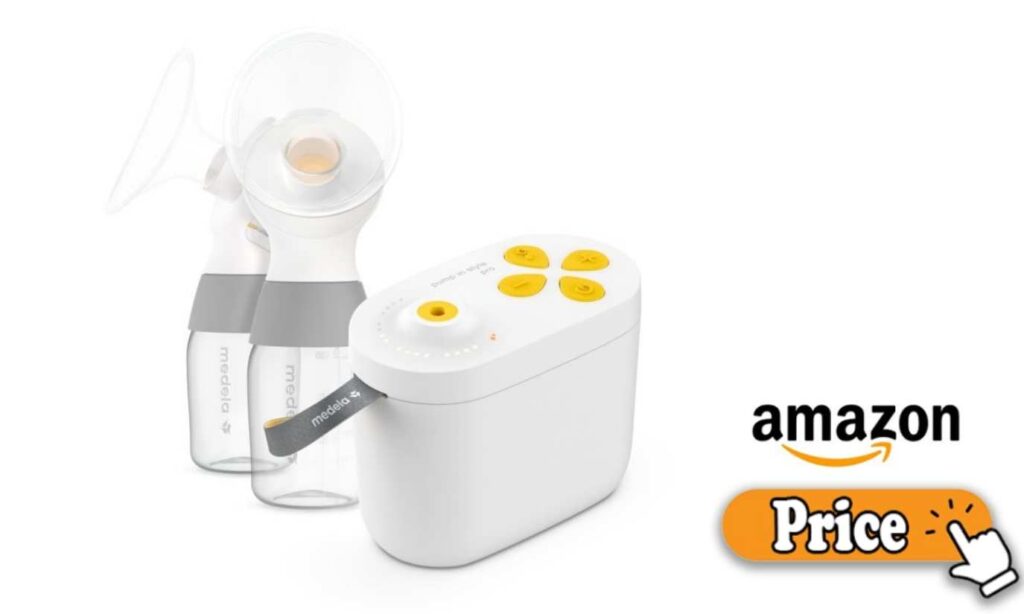
Choosing between the ameda mya joy plus vs medela pump in style is tough when you just want sleep. I spent weeks strapped to both of these machines during chaotic mornings and late nights. The Ameda is a tiny powerhouse built for moms who want a rechargeable battery built right in. The Medela is a classic heavy-duty option for parents who prefer widely available parts.
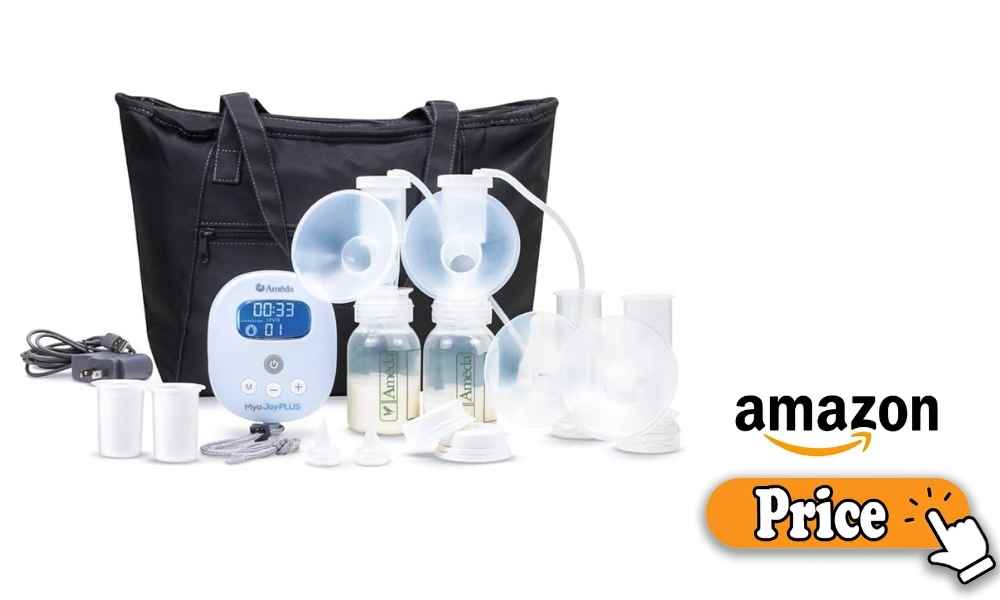
Ultimately, your choice comes down to how and where you plan to use it every day. The Ameda Mya Joy Plus wins if you hate being tethered to a wall while doing chores. The Medela Pump in Style with MaxFlow is better if you trust legacy brands and pump occasionally. Let me share exactly how they both held up when I was too tired to think straight.
Side-by-Side Specs Comparison
It is always helpful to look at the hard numbers before making a big decision. Here is a quick breakdown of what each machine offers right out of the box.
| Feature | Ameda Mya Joy Plus | Medela Pump in Style |
| Max Suction | 250 mmHg | 295 mmHg |
| System Type | Closed system | Closed system |
| Power Source | Built-in rechargeable | Wall plug & AA battery pack |
Notice how the Medela offers slightly higher suction, while Ameda focuses on built-in power. These little details matter a lot when you are planning your daily routine.
Unboxing and Assembly
Opening a new breast pump at 2 AM is a true test of patience and sanity. The Ameda Mya Joy Plus felt amazingly light, almost like holding a small cell phone. Putting the flanges and valves together was straightforward, even with blurry, sleep-deprived eyes. The plastic parts felt sturdy, though the tiny silicone pieces required a gentle touch.
The Medela Pump in Style box is larger and feels much more substantial. Its MaxFlow connectors are bulky but surprisingly easy to snap together in a hurry. However, I found the battery pack a bit clunky since it requires eight AA batteries. Dealing with loose batteries while the baby cried was not my favorite experience.
Pumping Performance and Milk Expression
This is where the rubber meets the road for any exhausted, milk-making parent. The Medela uses micro-vibrations for let-down stimulation, which felt intense but got the milk flowing fast. I found it very effective at emptying breasts completely during a quick twenty-minute session. If you struggle with low supply, that extra stimulation can be incredibly helpful.
The Ameda offers a much softer, more gradual approach to milk expression. It has a two-minute auto switch from massage to expression mode, which is great when you are distracted. It was reliable for daily use, but sometimes I had to massage my chest to empty fully. For exclusive pumping, the Medela seemed just a bit faster at getting the job done.
Here is a quick look at how their performance features stack up in real life.
| Performance Trait | Ameda Mya Joy Plus | Medela Pump in Style |
| Let-down mode | Gentle, automatic switch | Fast micro-vibrations |
| Emptying speed | Moderate | Fast |
| Best for | Sensitive users | Quick sessions |
Both pumps get the job done, but they definitely have very different rhythms. You will want to pick the one that matches your body’s natural response.
Suction Performance and Comfort
Finding the right suction levels (mmHg) is a delicate balance between milk output and sheer pain. The Medela hits a strong 295 mmHg, but it only has one button for suction strength. It automatically adjusts the cycle speed as you turn up the vacuum, which annoyed me sometimes. I wanted to control speed and suction separately, especially when my skin felt tender.
The Ameda maxes out at 250 mmHg, which is plenty for most regular pumping sessions. It gives you much more control, letting you tweak the settings to match your comfort perfectly. I did have an issue where one flange kept slipping during longer sessions with the Ameda. Getting proper flange sizing is crucial here, so definitely measure yourself before ordering.
Here is how the suction and comfort features compare when you are sore and tired.
| Comfort Feature | Ameda Mya Joy Plus | Medela Pump in Style |
| Suction Control | Independent settings | Pre-set cycle programs |
| Max Strength | 250 mmHg | 295 mmHg |
| Flange comfort | Standard hard plastic | Angled oval shields |
Comfort is subjective, but the Medela’s angled breast shields felt much nicer against my skin. The Ameda requires standard round flanges, which might need silicone inserts for extra comfort.
Milk Collection System
When you are sleep-deprived, every single drop of milk feels like liquid gold. The Medela bottles are a classic design with clear, easy-to-read measurement markings. However, I accidentally spilled precious milk while pouring it into storage bags from the wide-mouth connector. The top-heavy design of the MaxFlow connectors makes them prone to tipping over on a table.
The Ameda system feels a bit more balanced and less likely to tip over when you set it down. It uses standard narrow-neck bottles, which are easy to grip with one tired hand. The closed system ensures no milk backs up into the tubing, keeping everything safe and sanitary. Both systems hold up to five ounces per bottle, which is standard but might annoy those with oversupply.
Let us compare the collection setups so you know exactly what to expect.
| Collection Feature | Ameda Mya Joy Plus | Medela Pump in Style |
| Bottle Type | Narrow neck | Wide neck |
| Stability | Good | Top-heavy, tips easily |
| Spill Risk | Low | Moderate when pouring |
You definitely learn to be careful with both systems after your first major spill. Always keep a sturdy mug nearby to hold the bottles upright if you need to step away.
Cleaning, Sterilization, and Hygiene
Washing pump parts multiple times a day is the absolute worst part of the journey. The Medela shines here because the MaxFlow connector only has three main pieces to wash. It is incredibly fast to scrub them down, and they are completely dishwasher safe. You do not have to worry about tiny membranes getting lost in the soapy water.
The Ameda has more parts, including those dreaded tiny duckbill valves. I actually had one of those tiny duckbill valves slip down the drain during a midnight wash. It is a true closed system, which is great for hygiene, but assembling it takes extra mental energy. Drying time is about the same for both, so buy an extra set of parts to save your sanity.
Here is a breakdown of what you will be cleaning at the sink every single day.
| Cleaning Factor | Ameda Mya Joy Plus | Medela Pump in Style |
| Parts to Wash | 4-5 per side | 3 per side |
| Tiny Pieces | Yes (duckbills) | No (integrated membrane) |
| Dishwasher Safe | Yes, top rack | Yes, top rack |
Fewer parts definitely mean less stress when you are standing at the sink half asleep. The Medela is the clear winner if you despise doing dishes as much as I do.
Noise Level and Discretion
Pumping in the middle of the night means you need a machine that will not wake the whole house. The Ameda Mya Joy Plus is wonderfully quiet, producing a soft, gentle hum. I could easily pump beside a sleeping baby without worrying about sudden loud noises. It is also discreet enough to use on a Zoom meeting if you drop the camera angle.
The Medela Pump in Style, on the other hand, is surprisingly loud and aggressive. It has a distinct, deep vibrating sound that honestly reminded me of a tiny construction site. The vibration is so strong it actually made my bedside table rattle during a late-night session. If you need to pump in a quiet office setting, the Medela might draw some unwanted attention.
Here is a quick comparison of how much noise you can expect from each motor.
| Noise Factor | Ameda Mya Joy Plus | Medela Pump in Style |
| Sound Type | Soft hum | Deep vibration |
| Volume | Very quiet | Noticeably loud |
| Office Friendly | Yes | No |
If discretion is a top priority for you, the Ameda is definitely the better choice. The Medela is better suited for a dedicated pumping room where noise does not matter.
Battery Life and Charging
Battery anxiety is a very real thing when you are relying on a portable double electric pump. The Ameda has a built-in USB-C rechargeable battery that lasts about two hours. I loved being able to carry it around the house in my pocket while doing laundry. However, I once forgot to recharge it before the first morning pump, causing a massive panic.
The Medela takes a completely different, slightly outdated approach to portability. It relies on a bulky separate battery pack that demands eight AA batteries. It drains them quickly, meaning you will spend a small fortune on replacements if you pump often. You are mostly going to use it plugged into the wall, which drastically limits your mobility.
Let us look at how the power situations compare for busy parents on the move.
| Power Feature | Ameda Mya Joy Plus | Medela Pump in Style |
| Portability | Excellent, built-in battery | Poor, requires 8 AA batteries |
| Charge Cable | USB-C | Proprietary wall plug |
| Battery Life | ~2 hours | Varies by AA battery quality |
The convenience of simply plugging the Ameda into my phone charger was a total game-changer. The Medela really feels like it belongs permanently tethered to your living room sofa.
Real-Life Daily Scenarios
Living with these pumps means dealing with glowing screens and awkward setups in the dark. The Ameda features a bright display that unfortunately woke the baby during overnight pumping once. I had to learn to cover the screen with my hand to keep the room dark. But being able to clip it to my sweatpants and make coffee was incredibly freeing.
The Medela has no screen at all, relying entirely on physical buttons. This means you have to use your phone flashlight at 3 AM just to find the power button. Pumping at work with the Medela meant lugging the heavy wall adapter in my bag every day. Traveling with the Ameda was simply throwing the tiny motor and a USB cable into my purse.
Insurance, Price, and Value
Budget is always a huge factor when preparing for a new baby’s arrival. Both of these pumps are usually fully covered by most standard health insurance plans. If you are paying out of pocket, the Ameda is generally much more affordable upfront. Its replacement parts are also fairly cheap, which is great for long-term maintenance.
The Medela is a premium brand, and its replacement parts reflect that higher price tag. Finding Medela parts in a local store during an emergency is incredibly easy, though. That availability gives peace of mind if a dog chews up a valve on a Sunday afternoon. Overall, the Ameda gives you more modern features for a lower total cost.
Long-Term Ownership
When you pump for months on end, parts start to wear out and break down. The Ameda motor holds up well, but the tiny silicone duckbill valves stretch out fast. You will need to replace those valves every four weeks to keep the suction strong. The tubing also seemed to collect dust easily, though it never impacted the closed system hygiene.
The Medela motor feels like an absolute tank built to last through multiple children. The integrated membranes in the MaxFlow connectors are thick and take a long time to tear. However, the hard plastic connectors can develop micro-cracks if you drop them too often. Expect to buy a whole new connector set a few times over your pumping journey.
Here is what you need to know about keeping these pumps running for the long haul.
| Durability | Ameda Mya Joy Plus | Medela Pump in Style |
| Motor Lifespan | Good | Excellent |
| Part Replacement | Frequent (valves) | Occasional (connectors) |
| Part Availability | Mostly online | Every major retail store |
Factor in the cost of those replacement parts when you are making your final budget. The convenience of buying Medela parts at midnight from a pharmacy cannot be overstated.
Who Should Buy Which?
Buy Ameda Mya Joy Plus if:
- You want to walk around the house while pumping.
- You need a whisper-quiet motor for nighttime.
- You prefer modern USB-C charging over wall plugs.
Buy Medela Pump in Style if:
- You pump occasionally and stay near an outlet.
- You need fast, aggressive suction for quick let-downs.
- You want easy-to-wash parts that are dishwasher safe.
Consider Neither If:
- You want a completely invisible, in-bra wearable pump.
- You are an exclusive pumper who needs true hospital-grade motor durability.
Final Verdict: Ameda Mya Joy Plus vs Medela Pump in Style
Choosing a breast pump is a deeply personal decision that shapes your entire postpartum routine. The Ameda Mya Joy Plus wins for mobility, modern charging, and keeping things quiet around a sleeping baby. It feels like a pump designed for the way we actually live today.
The Medela is reliable and powerful, but being tied to a wall with no screen feels outdated. If you value freedom and comfort, the Ameda is the clear choice for your daily grind. Take a deep breath, pick the one that fits your life, and remember you are doing a great job.