
Elvie Pump vs Elvie Curve Secrets Revealed
When exhausted parents ask me to break down the elvie pump vs elvie curve debate, I always start by validating just how confusing modern lactation gear has become. You are looking at two totally different machines designed by the same brand to solve completely different problems during your feeding journey. I have personally worn both of these inside my nursing bras during frantic morning commutes and chaotic midnight sessions, and I know exactly where each one shines.
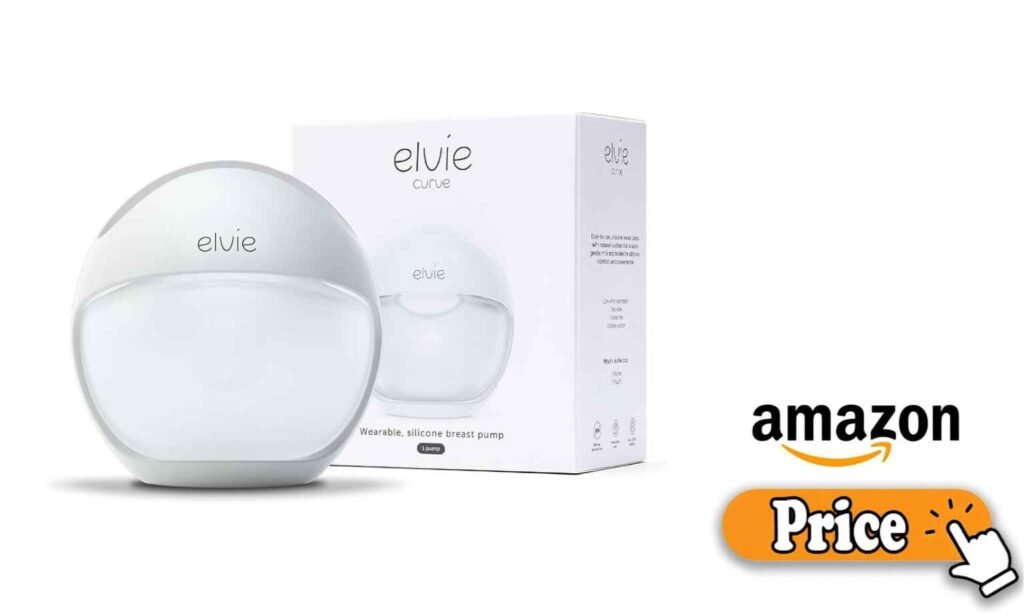
Making the right choice comes down to understanding your specific daily friction points and how much milk expression power you genuinely need. The original electronic wearable offers full mechanical suction, while the silicone counterpart relies entirely on natural let-down and gentle manual pressure. Let us dive deep into how these two popular options actually perform when the baby is screaming and you are running on two hours of sleep.
Before we tear apart the differences between these two devices, we need to look at each one individually to understand its core strengths. Evaluating them on their own merits reveals exactly why they belong in different categories of a postpartum pumping stash.
Elvie Pump Review
The flagship electronic wearable from this brand completely changed the landscape for working mothers and exclusive pumpers alike. It promised a highly anticipated future where we were no longer tethered to a wall outlet by clear plastic tubing.
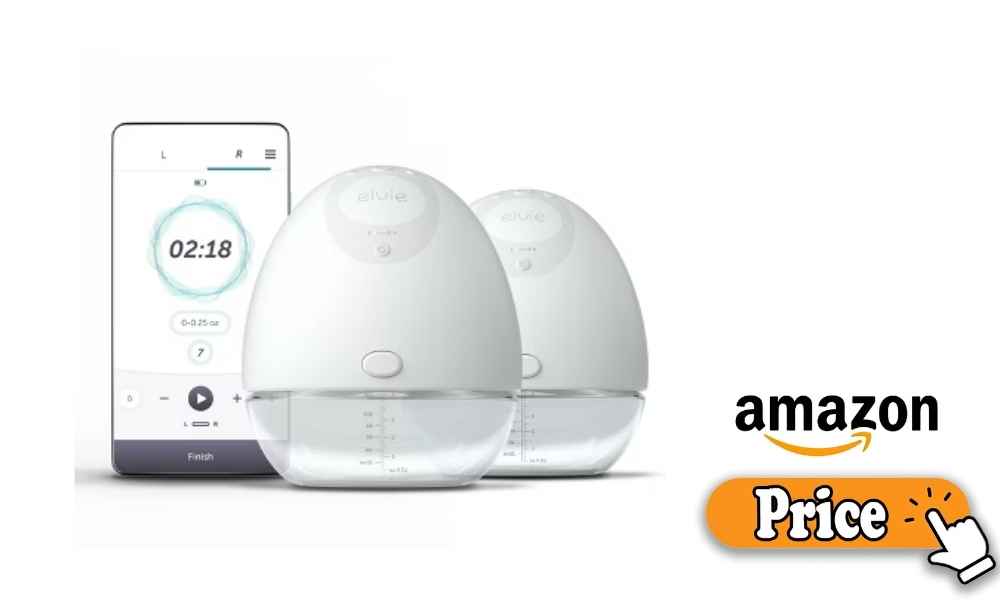
I vividly remember the first time I slipped this device into my bra and realized I could actually walk around my kitchen to prepare breakfast. It felt like a massive physical weight had been lifted off my tired, overworked shoulders.
Pros and Cons
No electronic device is perfect, and this high-tech wearable definitely comes with its fair share of daily compromises. Here is a totally transparent look at what works beautifully and what drives me absolutely crazy during daily use.
| Feature Focus | The Best Aspects | The Frustrating Realities |
| Suction Dynamics | Gentle dual-phase expression | Max 220 mmHg feels weak for some |
| Discretion Level | Whisper-quiet motor mechanics | Bright lights shine through thin shirts |
| Cleaning Routine | Only five parts to wash | Small crevices trap fat residue |
Seeing those factors laid out really highlights the daily balancing act between modern convenience and raw mechanical power. You are definitely trading hospital-grade emptying capability for the sheer, unparalleled freedom of physical movement.
My Personal Experience
During my time as an exclusive pumper, this electronic wearable was my absolute lifeline during chaotic morning routines and stressful afternoon commutes. The ability to simply slip the device into my nursing bra and immediately start emptying my breasts without plugging anything in was revolutionary. I loved that the closed system kept milk completely out of the motor housing, making my 3 AM washing sessions slightly less miserable.
However, I quickly learned that the sensor technology inside the collection cups was notoriously finicky, often pausing the motor prematurely because it thought the cup was full. I also struggled with the duckbill valves wearing out much faster than my traditional setup, which caused sudden and frustrating drops in suction. Learning how to pump without nipple pain took some trial and error with different silicone cushion inserts, but eventually, I found a rhythm that maintained my supply.
Recommendation
I strongly recommend this electronic model for parents who are returning to office environments or who spend a massive portion of their day chasing toddlers. If your primary goal is to maintain your milk supply while multi-tasking, the incredible freedom it provides is entirely worth the premium price tag. The whisper-quiet operation means you can easily pump during conference calls without anyone ever knowing you are actively expressing milk.
On the flip side, I tell parents with a diagnosed low supply to proceed with absolute caution when relying on this as their primary expression tool. The gentle suction levels are rarely strong enough to initiate the multiple let-downs needed to aggressively build or recover a dwindling milk volume. It is a fantastic secondary tool for your stash, but it rarely replaces the raw power of a traditional wall-plugged unit.
Now that we deeply understand the flagship electronic model, we need to pivot our focus to its manually operated silicone sibling. It serves an entirely different purpose for nursing parents seeking to build a freezer stash effortlessly.
Elvie Curve Review
Unlike its electronic counterpart, this product features zero motors, no charging ports, and absolutely no complex app connectivity to worry about. It relies purely on basic mechanical physics, utilizing a silicone pouch to create continuous passive suction against the breast tissue.
Many parents initially confuse this simple device with a traditional breast pump, but it is actually a highly sophisticated milk catcher. It is designed specifically to capture the natural let-down that occurs on the opposite side while you are actively feeding your baby.
Pros and Cons
Using a passive silicone suction device completely changes the physical dynamics of your daily milk collection routine. Let us break down the honest advantages and annoying drawbacks of utilizing this manual tool in the real world.
| Daily Application | The Big Advantages | The Hidden Annoyances |
| Power Requirements | Zero batteries needed ever | Relies heavily on natural let-down |
| Wearability Profile | Contoured to fit inside a bra | Can easily lose suction if bumped |
| Maintenance Reality | Two simple silicone pieces | Takes a long time to dry fully |
Those simple pros and cons highlight just how incredibly low-maintenance this silicone collection cup truly is for exhausted families. It successfully removes the stress of dead batteries but introduces a slightly new set of physical wearability challenges.
My Personal Experience
I found myself reaching for this silicone collection cup constantly during those early, intensely exhausting postpartum weeks when my milk was first regulating. Instead of wasting ounces of precious milk onto a nursing pad while feeding my infant on the other side, I would press this cup firmly into my bra. The gentle suction was just enough to draw out a few extra ounces without causing any uncomfortable pinching or requiring a massive setup.
Unfortunately, it was not completely foolproof, and I experienced my fair share of heartbreaking milk spills when bending over to pick up a dropped pacifier. The suction would occasionally break if my nursing bra wasn’t tight enough, leaving me with a damp shirt and a lost ounce of breast milk. Despite those moments, tossing it into the dishwasher basket at the end of the day was incredibly simple, saving me precious minutes before collapsing into bed.
Recommendation
This manual silicone collector is an absolute must-have for parents who are primarily nursing at the breast and want to effortlessly build a small freezer stash. It is the perfect tool for catching let-down milk that would otherwise be completely wasted into a disposable cotton pad. I also highly recommend it for relieving painful engorgement in the middle of the night without having to assemble a full electronic kit.
However, I would never recommend this tool to an exclusive pumper, as it physically cannot empty a breast on its own without the aid of a nursing baby. If you need to fully drain your milk ducts to prevent mastitis or maintain a heavy daily volume, this passive device will leave you utterly frustrated. It is a complementary accessory meant to support your journey, not a primary expression workhorse.
With the individual profiles clearly established, it is time to pit these two distinct devices directly against each other. This is where we uncover which one truly matches your daily survival needs and ongoing budget constraints.
Details Comparison: Elvie Pump vs Elvie Curve
To accurately judge these devices, we must meticulously evaluate how they perform across the specific pain points that plague exhausted, milk-producing parents. From raw mechanical power to midnight cleaning friction, every single detail matters immensely in your daily routine.
The most critical factor in any lactation journey is how effectively a device actually removes milk from the sensitive glandular tissue. Let us explore how their vastly different mechanisms handle this crucial biological task.
Suction Strength and Expression Power
When analyzing the raw power output, you are essentially comparing an actively driving motor against a static vacuum seal. The electronic wearable actively cycles through varying levels of suction, mimicking a baby’s rhythmic nursing patterns to artificially trigger multiple milk ejections. It maxes out around 220 mmHg, which is quite gentle compared to heavy hospital rentals, but usually sufficient for maintaining an established supply.
The manual silicone cup, conversely, simply holds a static negative pressure against your breast tissue to manually draw out whatever milk is readily available. It does not actively stimulate the sensitive nipple tissue to create a new let-down, meaning it relies heavily on your body’s natural oxytocin release. If your breasts are feeling stubborn or you are deeply stressed, the passive vacuum will simply sit there and collect absolutely nothing.
Understanding these distinctly different suction profiles is critical for setting highly realistic expectations about your total daily milk yield. Here is how they stack up when we look directly at their expression mechanics and overall tissue stimulation.
| Expression Metric | Electronic Wearable | Passive Silicone Cup |
| Suction Style | Active dual-phase motor | Static manual vacuum |
| Max Vacuum Level | Up to 220 mmHg limits | Depends on manual squeeze |
| Let-Down Trigger | Electronic massage mode | Relies on nursing baby |
This stark mechanical contrast clearly proves exactly why these highly popular devices belong in entirely different phases of your postpartum routine. One actively does the hard labor for you, while the other simply catches the biological overflow.
Rating: Elvie Pump: 9/10 || Elvie Curve: 6/10
Once you understand the suction mechanics, the next major hurdle is figuring out how these devices actually fit into your daily clothing. Wearability heavily dictates exactly how often you will actually use the expensive gear you purchased.
Form Factor and Wearability
Both of these products were specifically engineered to sit discreetly inside a standard nursing bra, effectively hiding your pumping sessions from the outside world. The electronic version is shaped like a smooth, futuristic teardrop that molds fairly well to the breast tissue, though it still creates a noticeably bulky silhouette. It houses a heavy internal battery, meaning you absolutely need a very supportive, structured nursing bra to keep the flange firmly pressed against your skin.
The manual silicone version is much lighter and slightly flatter, making it considerably easier to hide beneath a loose sweater or casual cardigan. Because it does not contain a heavy mechanical motor, it doesn’t dramatically drag the fabric of your bra downward during a long collection session. However, the lack of a rigid plastic shell means the silicone can easily be squished or displaced if you hug your baby too tightly, instantly breaking the fragile vacuum seal.
The physical shape and mechanical weight of your chosen lactation gear heavily influence your overall comfort and mobility throughout the stressful day. Let us compare how these two distinct form factors survive the harsh reality of daily life.
| Wearability Factor | Electronic Wearable | Passive Silicone Cup |
| Bra Requirements | High structural support | Standard nursing clips |
| Weight on Chest | Noticeably heavy motor | Extremely lightweight |
| Silhouette Profile | Bulky under tight shirts | Relatively flat and discreet |
Ultimately, both devices grant you the massive, empowering gift of keeping your shirt firmly on while safely collecting your breast milk. The final choice here comes down to whether you can physically tolerate the heavy mechanical weight dragging on your bra straps.
Rating: Elvie Pump: 8/10 || Elvie Curve: 9/10
Beyond the daylight hours, the true test of any infant feeding product is how much suffering it causes at three in the morning. Washing tiny plastic components in the dark is a universal parenting nightmare that we all desperately try to avoid.
Part Count and 3 AM Cleaning Friction
The electronic wearable is famously streamlined for a mechanical device, requiring you to carefully wash only five distinct pieces after every single session. You must meticulously clean the breast shield, the plastic valve, the spout, the seal, and the collection bottle to ensure a safe, completely closed-system barrier. I have spent countless hours fishing tiny duckbill valves out of the soapy sink water, constantly worrying about micro-tears ruining my suction power.
In sharp contrast, the silicone collector is an absolute dream for exhausted parents who deeply despise doing the household dishes. It consists of exactly two pieces: the soft, flexible silicone pouch and the rigid plastic frame that holds it securely together. You simply pop the two pieces apart, rinse them aggressively under hot soapy water, and toss them onto your drying rack in less than thirty seconds.
When you are exclusively pumping or feeding around the clock, every single minute saved at the kitchen sink is a minute of precious sleep gained. This detailed breakdown highlights the stark reality of daily component maintenance and hygiene routines.
| Cleaning Metric | Electronic Wearable | Passive Silicone Cup |
| Total Washable Parts | 5 pieces per side | Only 2 simple pieces |
| Crevices and Corners | Complex valve structures | Smooth silicone interior |
| Dishwasher Safety | Top rack safe (plastics wear) | Extremely durable in wash |
If your mental health is literally hanging by a thread due to endless cycles of bottle washing, the sheer simplicity of a two-piece design is incredibly appealing. Mechanical pumps will always demand far more of your physical time and attention at the kitchen sink.
Rating: Elvie Pump: 7/10 || Elvie Curve: 10/10
We must also critically evaluate the harsh financial reality and the technological complexity that comes inherently packaged with these premium baby products. Choosing between high-tech smartphone automation and absolute analog simplicity is a major financial decision for new families.
Tech Features vs Manual Simplicity
Dropping hundreds of dollars on a smart pump buys you an intricate companion app that tracks your milk volume in real-time and memorizes your favorite suction settings. While the Bluetooth connectivity is sometimes prone to annoying mid-session drops, having remote control over the intensity levels via your smartphone is a massive perk in professional settings. You never have to awkwardly reach into your shirt to adjust a physical button while sitting at your corporate office desk.
The silicone cup completely rejects the modern notion that successful lactation requires bluetooth tracking, operating entirely without batteries, tangled cords, or flashing LED screens. The sheer manual simplicity means there are zero frustrating firmware updates to download and absolutely no internal batteries degrading over a year of exclusive pumping. You simply press the silicone pouch, slip it securely into place, and let natural physics do the heavy lifting for a fraction of the cost.
Deciding whether to heavily invest in smart technology or smartly stick to budget-friendly analog tools depends heavily on your daily work routine. Here is a brilliantly clear look at the actual value proposition between the two unique setups.
| Value Proposition | Electronic Wearable | Passive Silicone Cup |
| Initial Investment | Premium luxury price | Very budget-friendly |
| App Integration | Tracks volume and time | No technology included |
| Ongoing Costs | Frequent part replacements | Rarely needs replacing |
You truly get exactly what you pay for when it comes to hands-free workplace automation and remote digital tracking capabilities. However, skipping the hefty tech tax is a fantastic way to save serious money if you only need occasional milk collection assistance.
Rating: Elvie Pump: 8/10 || Elvie Curve: 8/10
The final frontier in our highly thorough assessment involves the physical longevity and ongoing financial maintenance requirements of these two distinct items. Knowing precisely when to replace degrading components is absolutely vital for maintaining healthy, consistent milk output.
Maintenance and Long-Term Durability
Any device relying on a complex mechanical motor and rapidly vibrating silicone valves will eventually suffer from inevitable, frustrating physical fatigue. The best time to replace duckbill valves on the electronic wearable is typically every four to eight weeks, depending entirely on your daily usage frequency. If you ignore these tiny micro-tears in the delicate silicone membranes, you will undoubtedly experience a drop in suction that can instantly tank your milk supply.
The manual silicone cup boasts an incredibly long lifespan because it does not suffer from the relentless, rapid friction of a spinning electric motor. The thick silicone pouch can easily withstand months of boiling, sanitizing, and aggressive dishwasher cycles before showing any true signs of structural degradation. You rarely have to frantically google why your pump is losing suction, as long as the hard plastic frame remains completely free of physical cracks.
Understanding exactly how to visually identify worn-out gear is a vital skill every nursing parent must eventually master to fiercely protect their milk volume. This final breakdown clearly shows you exactly what mechanical failure looks like for both popular devices.
| Wear and Tear | Electronic Wearable | Passive Silicone Cup |
| Valve Degradation | Frayed duckbill edges | Does not apply |
| Suction Failure | Battery or motor fatigue | Loose bra seal |
| Heat Sensitivity | Plastics warp over time | Highly heat resistant |
Committing to a high-end mechanical device requires a strict, ongoing monthly budget for replacement parts and incredibly tedious maintenance checks. The passive cup gracefully offers a peaceful “buy it for life” reality that highly exhausted parents truly appreciate.
Rating: Elvie Pump: 7/10 || Elvie Curve: 9/10
After thoroughly dissecting the delicate mechanics, the grueling wash routines, and the daily friction points, we finally have a clear picture of how these tools perform. It is time to make a definitive, confident choice based entirely on your exact lifestyle needs.
Final Buying Advice
Navigating the complex elvie pump vs elvie curve dilemma ultimately forces you to be brutally honest about exactly how you plan to feed your growing baby. If you are frequently asking is a wearable pump worth it for exclusive pumping, the electronic wearable is the undeniable, necessary winner. It confidently provides the active, mechanical stimulation necessary to fully replace a nursing session and successfully drain your breasts while your hands remain completely free.
Conversely, if your primary goal is to directly nurse your beautiful infant while effortlessly hoarding a modest freezer stash, the silicone cup is your absolute best friend. It brilliantly capitalizes on your natural let-down without requiring a massive financial investment or adding an overwhelming pile of plastic to your daily dishwashing routine. Both of these cleverly designed tools truly deserve a spot in a modern nursery, provided you use them for the exact purpose they were brilliantly engineered to serve.
Crafting an optimized summary ensures that other deeply tired, overwhelmed parents can easily find this incredibly vital mechanical breakdown online.