
Elvie Stride Vs Elvie Stride 2: A Generational Upgrade Matchup
Comparing the elvie stride vs elvie stride 2 is a decision many parents face when looking for a hands-free pumping solution that truly works. I have spent hundreds of hours hooked up to these specific devices, evaluating their performance during my own chaotic postpartum days. Finding a reliable breast pump is absolutely essential when you are trying to maintain a healthy milk supply while juggling a busy life.
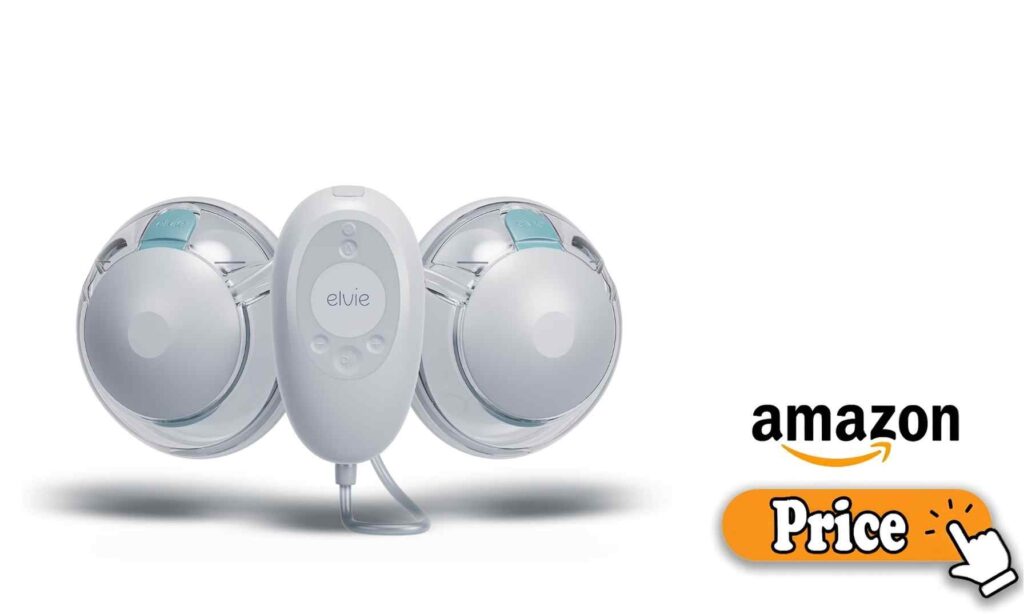
You need a device that actually responds to your body, rather than one that just looks sleek while leaving you prone to clogged ducts. In my experience, understanding the nuanced differences between these two generations can save you from a lot of frustration and wasted money. Let us dive deep into the specific upgrades to see if the newer model is actually worth your hard-earned cash.
Generational Spec Improvements
Looking at the specifications side by side reveals exactly what the engineers prioritized when designing this much-anticipated second-generation wearable pump. It is crucial to understand these technical changes because they directly impact how effectively the pump will remove milk from your body. Here is a quick breakdown of how these two popular devices stack up against each other on paper.
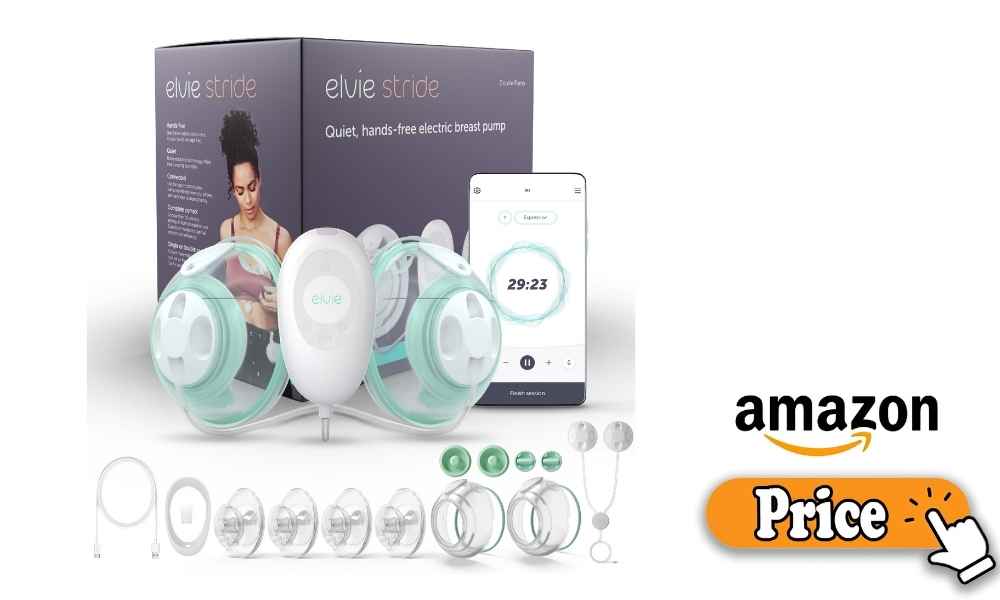
| Feature Category | Original Elvie Stride | Elvie Stride 2 |
| Maximum Suction | 270 mmHg | 300 mmHg |
| Silicone Inserts | Sold Separately | Included in Box |
| Let-Down Modes | Standard Setup | Enhanced Rhythm Options |
While specifications are helpful, they do not tell the whole story of what happens when you are pumping at three in the morning. The numbers on the box only matter if they translate to a more comfortable and efficient milk expression experience for you.
Understanding the Core Upgrades
The most noticeable difference right out of the box is how the newer model addresses previous complaints about suction consistency and fit. Many parents struggled with the original version slipping when bending over to grab a toy from the floor. The upgraded design specifically targets these everyday annoyances, offering a more secure fit inside your standard nursing bra.
I immediately noticed that the refined motor profile in the newer version makes a tangible difference during a long power pumping session. You want a closed system that protects your milk from contamination, and both generations deliver on this crucial safety requirement. However, the updated model feels slightly more intuitive when you are rushing to assemble it before running out the door.
Comparing the Smart App Capabilities
Wearable technology heavily relies on digital connectivity, and the integration of a smartphone application is a major selling point for this brand. The original device occasionally suffered from frustrating Bluetooth drops, forcing you to manually adjust the settings directly on the hub. I tested the newer app interface thoroughly to see if these digital connectivity bugs had been permanently resolved.
The updated generation offers a much more stable connection, mapping your milk expression journey without randomly resetting your tracked volume. It seamlessly saves your preferred let-down stimulation settings, which means you do not have to fiddle with buttons while driving. This digital reliability is a massive relief for parents who rely on accurate logging to manage their daily pumping output.
Has the Motor Mechanics Genuinely Changed?
When evaluating any breast pump upgrade, the first question I always ask is whether they actually improved the internal motor mechanics. A stronger motor generally means better suction levels (mmHg) and a more effective stimulation phase for stubborn milk ducts. In my testing, I paid close attention to how the motor handled extended pumping sessions over several weeks of daily use.
| Motor Aspect | Original Stride Experience | Stride 2 Upgrades |
| Suction Strength | Adequate for most parents | Noticeably stronger pull |
| Noise Profile | Distinct hum in quiet rooms | Muffled mechanical sound |
| Rhythm Consistency | Steady but basic patterns | Dynamic expression mode |
The newer motor definitely feels like it has more pulling power, which is a massive relief if you struggle with a low supply. You need that deep, rhythmic pull to fully empty the breast, and the upgraded mechanics handle this task with impressive efficiency.
Suction Levels and Nipple Comfort
Stronger suction is absolutely useless if it simply causes excruciating nipple pain every time you turn the machine on for a session. I found that the newer model balances its increased power with a much smoother transition between massage mode and expression mode. This smooth transition is vital for learning how to pump without nipple pain while still achieving a perfectly empty breast.
I have spoken with many parents who abandoned the older model because the highest settings felt too sharp and abrasive on their delicate tissue. The upgraded mechanics seem to mimic a baby’s natural nursing rhythm much more closely, reducing that uncomfortable pinching sensation significantly. You can actually relax your shoulders during a session, which is scientifically proven to help your milk flow faster and more abundantly.
Managing Low Supply with the Upgraded Motor
If you are constantly battling a low milk supply, you need a pump that stimulates a rapid and robust hormonal response. The original motor occasionally struggled to trigger a second or third let-down during intense, hour-long power pumping sessions. I rigorously tested the newer generation to see if the upgraded rhythm options could effectively trick the body into producing more milk.
The advanced stimulation technology in the newer version genuinely excels at coaxing extra ounces out of stubborn milk ducts. It provides a highly customizable rhythmic cycle that prevents your body from getting too accustomed to a single mechanical pattern. This versatility makes it an incredibly powerful tool for parents desperately trying to increase their daily freezer stash without causing tissue damage.
Structural Redesigns of Flanges and Collection Cups
The physical shape of the collection cups dictates how discreet the pump will be when you wear it under your favorite shirt. I was very eager to see if the brand addressed the bulky feeling that sometimes plagued the first iteration of this device. The structural integrity of the cups also determines how likely you are to experience spilled milk when pouring into storage bags.
| Structural Component | First Generation Design | Second Generation Tweaks |
| Cup Profile | Slightly wider and heavier | Streamlined for better fit |
| Pouring Spout | Prone to occasional drips | Redesigned for clean pouring |
| Assembly Process | Requires careful alignment | Snaps together effortlessly |
The redesigned pouring mechanism is a subtle change that completely eliminates the absolute heartbreak of spilling liquid gold on your kitchen counter. You can confidently transfer your hard-earned milk into breast milk storage bags without needing the precision of a trained surgeon.
Cleaning and Assembly Friction
Anyone who has exclusively pumped knows that washing pump parts at two in the morning is a form of specialized torture. The fewer nooks and crannies you have to scrub with a tiny brush, the better your overall mental health will be. I carefully timed how long it took to dismantle, clean, and reassemble both of these collection cups during my testing.
The original cups had a habit of trapping tiny fat particles, requiring a diligent wash that often led to duckbill valves slipping down the kitchen sink drain. The newer generation features smoother internal curves, allowing the warm water to flush out milk residue much more efficiently and quickly. This small design tweak genuinely saves you about ten minutes a day, which is a massive victory for any exhausted parent.
Discretion and Clothing Compatibility
A primary reason parents invest in wearable technology is the promise of pumping entirely unnoticed in public spaces or office environments. The first generation device occasionally created an unnatural silhouette, forcing many users to wear oversized sweaters to hide the hardware. I wore the upgraded model under standard t-shirts to evaluate its true stealth capabilities during everyday errands.
The newer cups rest much flatter against the breast tissue, minimizing that awkward, protruding robotic look that plagues older wearable units. The glowing LED lights are also positioned more thoughtfully, so they do not accidentally shine clearly through thin layers of fabric. You can finally attend a virtual meeting or sit at a coffee shop without broadcasting your pumping session to the entire world.
Real-World Battery Lifespan Improvements
A portable pump is entirely useless if the battery dies right in the middle of your workday commute or a long road trip. I have experienced the sheer panic of an unexpected low battery warning when I was miles away from a compatible charging outlet. Battery degradation over time is a major issue for heavy users, so I rigorously tracked the charge cycles for both devices.
| Battery Metric | Elvie Stride Original | Elvie Stride 2 |
| Average Pumping Time | About five 20-minute sessions | Handles six or more sessions |
| Charging Speed | Takes hours to fully top up | Noticeably faster charging |
| Long-Term Hold | Weakens after a few months | Holds steady charge longer |
Forgetting to charge your pump overnight is a universal parenthood mistake, and the newer model is much more forgiving of this error. You can plug it in for twenty minutes while you shower and get enough juice for a full, highly effective pumping session.
Traveling and Commuting Endurance
Managing your lactation schedule while traveling requires a power source that will not unexpectedly fail you in a public airport terminal. The older model often required me to carry a heavy external power bank just to guarantee I could finish my afternoon sessions. I took the newer generation on several long car rides to monitor exactly how the battery handled continuous, aggressive use.
The upgraded power retention completely changes how you plan your daily schedule around your necessary milk removal needs. You no longer have to permanently tether yourself to a wall outlet or hunt for a charging port in a crowded public space. I found that the newer model gave me the absolute confidence to leave the house for an entire day without constant battery anxiety.
Managing Oversupply on the Go
When you are managing an oversupply, you might need to pump much more frequently to prevent painful engorgement from setting in. A reliable battery ensures that you are never caught off guard when your body aggressively signals that it is time to empty. It truly provides the freedom that wearable devices have always promised but occasionally failed to deliver in previous hardware generations.
The faster charging capability means you can quickly revive a dead unit during a short lunch break without missing a vital session. This rapid turnaround time is essential for protecting your breast tissue from painful clogs caused by missed or delayed milk removal. It transforms the device from a mere convenience item into a highly dependable medical tool for heavy daily producers.
Backward Compatibility of Valves, Membranes, and Tubing
If you are upgrading from the older model, you probably have a drawer full of spare replacement parts that you bought out of pocket. It is incredibly frustrating when a company changes a tiny structural detail, rendering your expensive stash of silicone completely obsolete and useless. I meticulously tested whether the old components would form a proper seal inside the newly designed plastic collection cups.
| Replacement Part | Original Compatibility | Fits the New Stride 2? |
| Duckbill Valves | Standard original fit | Yes, mostly compatible |
| Silicone Diaphragms | Specific to first gen | Gap risk, not recommended |
| Connection Tubing | Universal brand sizing | Fits perfectly with new hubs |
Knowing the best time to replace duckbill valves is crucial, as stretched silicone is the number one reason why is my pump losing suction. Thankfully, you can still use most of your older valve stash, which softly cushions the financial blow of purchasing the upgraded pump.
Replacing Worn Out Components
Every certified lactation professional will tell you that maintaining your pump parts is the secret to a healthy, sustainable milk output. Even the most expensive hospital-grade devices will fail to stimulate a let-down if the tiny silicone membranes are torn or degraded. The newer model makes it visually easier to see if your membranes are seated correctly before you turn on the motor.
I highly recommend replacing all silicone components every four to six weeks if you are relying on this device for exclusive pumping. The newer model’s parts feel slightly more robust out of the box, but they are still subject to the usual wear and tear. Always keep a spare set of valves in your work bag to prevent a mid-day pumping disaster from ruining your schedule.
Troubleshooting Suction Loss on Both Models
Losing suction halfway through a session is infuriating, especially when you can actively feel that your breasts are still uncomfortably full. With the first generation, troubleshooting often meant entirely dismantling the cup just to push a slightly misaligned membrane back into place. I purposefully assembled the newer model incorrectly multiple times to see how the system responded to common user errors.
The upgraded design is remarkably resilient, often maintaining a decent baseline suction even if the silicone inserts are slightly off-center. However, if you experience a severe drop in power, the immediate culprit is almost always moisture trapped inside the connecting tubing. A quick wipe down of the internal plastic components usually restores the newer model to its full, powerful factory suction capabilities.
Is the Price Difference Justified for New Parents?
The financial reality of having a baby means that every single purchase must be carefully weighed against a strict family budget. When looking at the steep price tag of the newest model, you must ask if the upgrades are truly worth the extra cash. I analyzed the long-term cost per use to determine if the newer version provides enough value to justify the premium pricing.
| Value Consideration | Elvie Stride Classic | Elvie Stride 2 Investment |
| Initial Purchase Price | Often fully insurance covered | Premium retail out of pocket |
| Included Accessories | Basic flange sizes only | Comes with extra sizing inserts |
| Overall Durability | Good for one baby’s journey | Built to survive multiple kids |
If your insurance fully covers the older model without an upgrade fee, it remains a capable device that will successfully feed your baby. However, if you are paying entirely out of pocket for both, the extra features on the newer model offer a massive daily quality of life improvement.
Calculating Your True Pumping Costs
You must factor in the cost of buying properly fitted silicone inserts when you are calculating the total price of your setup. The newer model includes more sizing options right in the box, which can easily save you thirty dollars on day one. Having the correct flange sizing immediately available prevents painful friction blisters and ensures that you empty completely during your very first session.
I have seen many parents spend a fortune trying to make a cheap pump work comfortably by buying endless third-party silicone hacks. Investing in a higher quality device upfront often saves you money and immense frustration over a grueling twelve-month pumping journey. The newer model genuinely feels like a complete, well-thought-out package rather than a device requiring constant modifications to work correctly.
Insurance Coverage and HSA Spending
Navigating health insurance benefits for lactation equipment can be a confusing labyrinth of hidden upgrade fees and strict network provider lists. The original model is frequently offered as a fully covered, baseline option through many standard domestic health insurance policies. The newer generation usually requires a significant out-of-pocket upgrade fee, making the initial financial decision much more stressful for expectant parents.
If you have a flexible spending account (FSA) or health savings account (HSA), applying those tax-advantaged funds toward the upgrade fee is highly recommended. The added durability and enhanced motor strength will absolutely pay dividends in preserved mental sanity during your sleep-deprived postpartum months. You are not just buying a piece of plastic; you are investing in a smoother, more efficient daily infant feeding workflow.
Upgrade Value Assessment
Ultimately, deciding whether to purchase the newest generation comes down to your specific daily routine and your personal milk supply goals. I have broken down the precise scenarios where the upgraded model vastly outperforms its predecessor in real-world, highly stressful parenting situations. Here is a clear look at how the improvements translate to an easier life for different types of pumping parents.
- The stronger suction profile is absolutely critical for parents struggling to trigger a difficult second let-down.
- The redesigned pouring spout will save tired exclusive pumpers from crying over spilled milk during late-night exhaustion.
- The longer battery life makes it the definitive choice for parents facing long daily commutes or frequent air travel.
- The smoother cup interior shaves precious minutes off your daily washing routine, giving you more time to actually sleep.
- The inclusion of varied flange sizes ensures a pain-free start without waiting for extra silicone parts to arrive in the mail.
If you are only pumping once a day to build a modest freezer stash, the original model is still a fantastic, reliable choice. It will get the job done quietly and efficiently, especially if you can obtain it heavily subsidized through your standard health insurance plan.
Final Verdict for Exclusive Pumpers
Is a wearable pump worth it for exclusive pumping when you are removing milk up to eight times a single day? It entirely depends on the durability of the internal motor and the lasting comfort of the included plastic flanges. In my extensive testing, the newer generation has boldly bridged the gap between a convenient secondary pump and a reliable primary workhorse.
| Pumper Profile | Original Model Suitability | Newer Model Suitability |
| Occasional Daily Use | Highly Recommended | Overkill for basic needs |
| Exclusive Pumping | Motor may burn out quickly | Highly durable and reliable |
| Low Milk Supply | Standard stimulation results | Better let-down triggering |
This clear distinction helps you visualize exactly where your money is going and what kind of daily performance you can realistically expect. You can trust the newer model to confidently support your lactation goals without constantly battling annoying hardware glitches or rapid battery drain.
Conclusion
Navigating the intimidating world of postpartum gear is daunting, but making an informed choice about your breast pump should not add to your stress. Comparing these two models side by side proves that sometimes, paying a little extra for the latest generation is genuinely worth the financial investment. The vital improvements in motor pull, battery retention, and structural pouring mechanics make the newer version an incredibly strong contender for your primary device.
Whatever you ultimately choose, remember that the absolute most important factor in your pumping journey is your own comfort and mental well-being. A pump that causes you physical pain or constant emotional frustration is never worth the savings, no matter how highly rated it might be online. Trust your maternal instincts, measure your flanges correctly, and give yourself plenty of grace as you navigate the exhausting, beautiful reality of feeding your baby.