
Enfamil AR vs Similac For Spit Up: Real Guide
Choosing between enfamil ar vs similac for spit up is a common dilemma when you have a baby who constantly struggles to keep their meals down. I have spent countless nights completely covered in spit-up, frantically searching for a formula that would actually stay securely in my baby’s tummy.
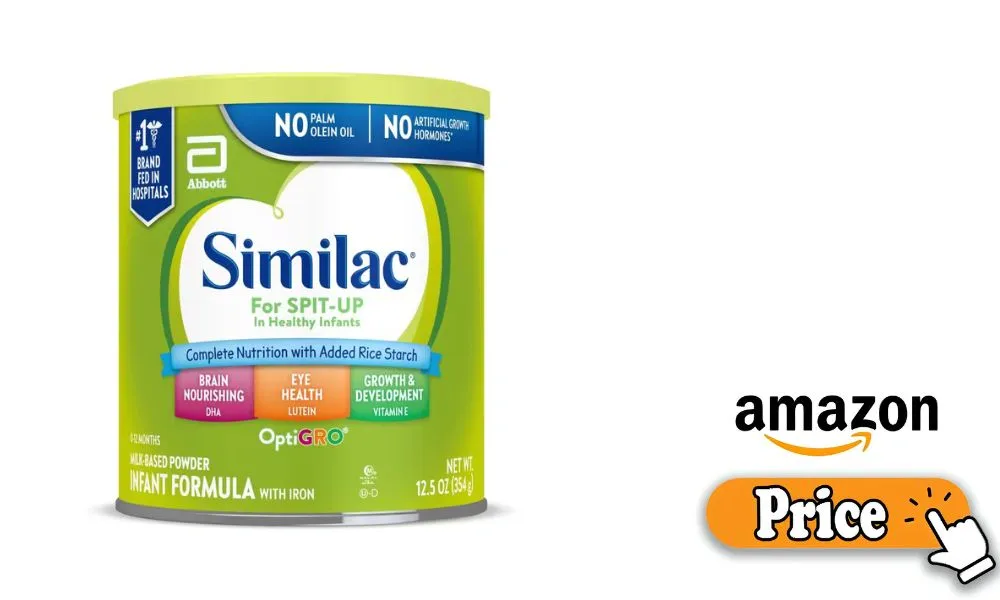
Both of these popular thickened formulas are specifically designed to reduce frequent reflux, but they go about it using slightly different ingredient profiles. Let us thoroughly explore these options side-by-side so you can make an informed, stress-free nutritional decision for your fussy little one.
Formula Profile and Symptom Match
Understanding the core features of these two thickened options is the first vital step toward finding true digestive relief. Let us look closely at how they compare right out of the freshly opened can.
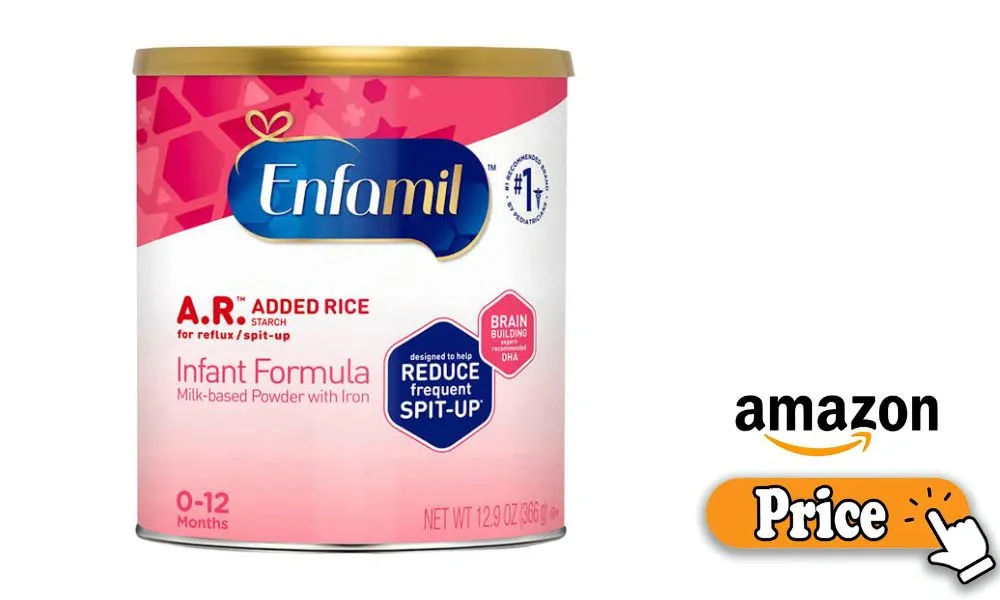
| Feature | Enfamil A.R. | Similac For Spit-Up |
| Thickener | Rice Starch | Rice Starch |
| Protein | Intact Cow’s Milk | Intact Cow’s Milk |
| Prebiotics | Dual Prebiotics (GOS/FOS) | Single Prebiotic (GOS) |
As you can clearly see, both major brands rely heavily on added rice starch to naturally thicken inside the stomach. This mechanical thickening helps the milk stay down far better during active, everyday digestion.
These formulas generally flow normally through the bottle but magically transform once they meet the acidic environment of the tummy. This is a brilliantly effective scientific solution for reducing those messy, exhausting post-meal burping sessions.
Intact vs. Partially Hydrolyzed Proteins Explained
It is vital to explicitly note that neither of these options features partially hydrolyzed proteins for severe allergy management. They both actively use intact cow’s milk protein blends designed for standard, healthy infant digestion.
| Feature | Enfamil A.R. | Similac For Spit-Up |
| Whey/Casein Ratio | 20% Whey / 80% Casein | 18% Whey / 82% Casein |
| Fat Blend | Palm Olein, Soy, Coconut | Safflower, Soy, Coconut |
| Protein Source | Non-Fat Milk | Non-Fat Milk |
The heavily casein-dominant ratio actually helps the formula form a firmer, heavier curd safely sitting in the infant stomach. This is exactly why babies spitting up on a fresh outfit right before leaving home often find rapid relief here.
While these intact proteins are wonderful for standard daily reflux, they are strictly not suitable for a diagnosed cow’s milk protein allergy. Always double-check your infant’s specific digestive needs before permanently swapping their primary daily nutrition.
Lactose Reduction and Carbohydrate Replacements
When dealing with frequent infant reflux, assessing the secondary carbohydrate blend is incredibly important for overall gut comfort. Both popular brands significantly reduce their natural lactose content to actively aid sensitive tummies.
| Nutrient (per 5 fl oz) | Enfamil A.R. | Similac For Spit-Up |
| Calories | 100 | 100 |
| Primary Carb | Maltodextrin | Corn Syrup |
| Secondary Carb | Lactose | Lactose |
Enfamil utilizes a specific blend of maltodextrin and lactose, while Similac opts for corn syrup combined with lactose. These alternative carbohydrate sources digest very quickly and easily in a developing infant’s gut.
A respected pediatric gastroenterologist once shared a great insight: “Reduced lactose blends can significantly decrease gas production in infants with transient lactose sensitivity.” I have found this to be incredibly accurate during my own late-night feeding experiences.
Managing Reflux, Gas, and Colic Expectations
Exhausted parents often deeply hope these thickened milks will magically cure all tummy troubles completely overnight. While they are highly effective for keeping milk down, they might occasionally cause other minor digestive shifts.
| Symptom Focus | Enfamil A.R. | Similac For Spit-Up |
| Severe Reflux | Highly Effective | Highly Effective |
| Excess Gas | Mild to Moderate | Mild |
| Constipation Risk | Moderate | Mild to Moderate |
You will likely feel the familiar anxiety of waiting for a dirty diaper after transitioning to an entirely new brand. Because of the heavy rice starch, both options can occasionally cause minor bouts of infant constipation.
Do not panic if your little one strains slightly more than usual during that first week of feeding. Their tiny digestive system simply needs adequate time to adjust to processing the thicker liquid resting in their stomach.
The Reality of Hypoallergenic Smells and Tastes
While these are not strictly hypoallergenic formulas, they do have a distinct, noticeably different aroma compared to standard breast milk. The added rice starch definitively alters the overall texture and sensory profile quite a bit.
| Trait | Enfamil A.R. | Similac For Spit-Up |
| Texture Profile | Noticeably Creamy | Slightly Lighter |
| Common Pro | Thickens well in tummy | Slightly easier to mix |
| Common Con | Can clog standard nipples | Prone to minor foaming |
You will quickly notice the distinct, sometimes metallic or earthy smell when you first pop open these sealed cans. This unique aroma is entirely normal and typically does not bother most hungry, eager babies at all.
The prepared texture is undeniably creamier, thicker, and significantly heavier than standard, everyday infant milk. You might actually need to upsize your bottle nipple flow to ensure a smooth, frustration-free feeding session for your baby.
Transitioning Your Baby and Waiting for Results
Switching your growing baby’s everyday diet requires immense patience and a very gradual, deliberately stepped approach. I usually recommend slowly mixing the new specialty powder with their old formula over a few days.
| Action | Enfamil A.R. | Similac For Spit-Up |
| Mixing Method | Shake vigorously | Swirl gently |
| Water Temp | Slightly Lukewarm | Room Temperature |
| Open Shelf Life | 1 Month | 1 Month |
Vigorously shaking a bottle and dealing with excessive foam or clumps blocking the nipple is a common parental frustration. I highly recommend carefully preparing these specific starches with slightly lukewarm water to greatly improve the mixing process.
“Consistency is absolutely key; give any new infant diet at least two full weeks before deciding if it works,” note standard pediatric nutritional guidelines. Hang in there during those initial fussy, highly transitional feeding days.
Price per Ounce Reality for Specialized Diets
Specialty thickened formulas inevitably cost a little bit more than your everyday, standard nutritional milk options. Budgeting properly for these essential milks requires looking closely at the actual long-term cost per ounce.
| Metric | Enfamil A.R. | Similac For Spit-Up |
| Average Price | Moderate to High | Moderate |
| Availability | High Demand | Occasional Shortages |
| Format Options | Powder & Ready-to-Feed | Mostly Powder |
Nothing is worse than the sudden panic of noticing your chosen formula is consistently out of stock at local retailers. It always pays massive dividends to simply buy an extra backup can whenever you randomly see it sitting on the shelf.
While Enfamil A.R. might occasionally cost slightly more per ounce depending on your local store, both brands represent a solid overall value. Consider subscribing online through reputable retailers to confidently lock in better, consistent long-term rates.
Who Should Choose Enfamil A.R.?
After evaluating both products extensively over the years, Enfamil A.R. definitively stands out for very specific functional reasons. Here is exactly who should confidently grab this trusted can from the grocery store shelf.
- Babies who truly benefit from a robust dual prebiotic blend to help naturally offset potential constipation from the added rice starch.
- Parents who strongly prefer actively using maltodextrin over corn syrup as a secondary, easy-to-digest carbohydrate source for their infant.
- Families whose local neighborhood grocery stores reliably and consistently stock Enfamil specialty products over competing Similac options.
If your fussy baby heavily needs robust lower gut support alongside upper reflux management, this is a phenomenal, time-tested choice. I have personally seen it work absolute wonders for many colicky, deeply struggling infants in my long career.
Who Should Choose Similac For Spit-Up?
Similac For Spit-Up remains an equally powerful, scientifically backed tool against severe, daily infant reflux. It has rightfully earned a massive, heavily loyal following for a few very distinct and important nutritional reasons.
- Babies who easily digest specialized corn syrup blends without experiencing any excessive gas, bloating, or general abdominal discomfort.
- Parents specifically looking for a specialized formula completely free from palm olein oil to better support infant calcium absorption.
- Infants who seem to naturally suffer far less constipation when utilizing a streamlined, single-prebiotic (GOS) digestive blend.
Removing palm olein oil is a major, highly sought-after selling point for families actively concerned about maintaining daily stool softness. It is a highly effective, incredibly soothing nutritional option for deeply sensitive, highly reactive tummies.
Conclusion and Pediatrician Consultation Reminder
Finding the perfect milk for a baby who spits up constantly is an incredibly stressful, profoundly tiring journey for any parent. Both of these thickened formula options are exceptionally capable of easing that daily burden and finally keeping meals firmly down.
Please remember to always consult your trusted pediatrician before making a permanent nutritional switch to any specialized infant diet. Furthermore, never purposefully dilute your infant’s nutritional meals beyond the exact, incredibly safe manufacturer directions printed on the label.
You are doing a truly wonderful, deeply admirable job navigating this incredibly exhausting and remarkably messy feeding phase. Stay incredibly patient, always trust your vital parental instincts, and boldly know that this difficult reflux stage will eventually pass.