
Lansinoh Manual Breast Pump vs Medela Harmony: Best Pick
Choosing between the Lansinoh manual breast pump vs medela harmony often comes down to figuring out which one won’t wreck your wrist during those desperate middle-of-the-night sessions. I remember needing a reliable backup to catch let-downs, so I put both to the test.
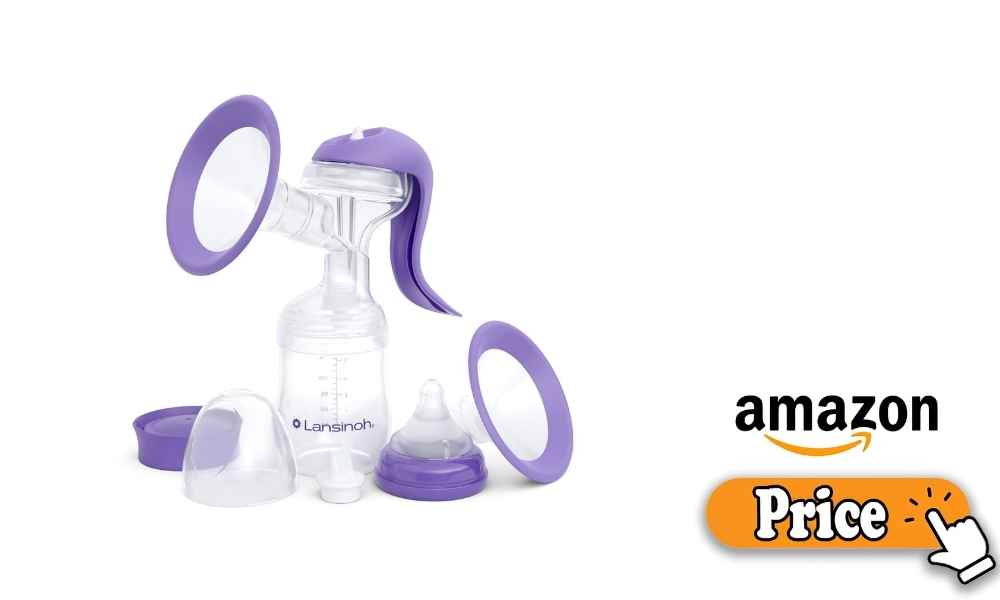
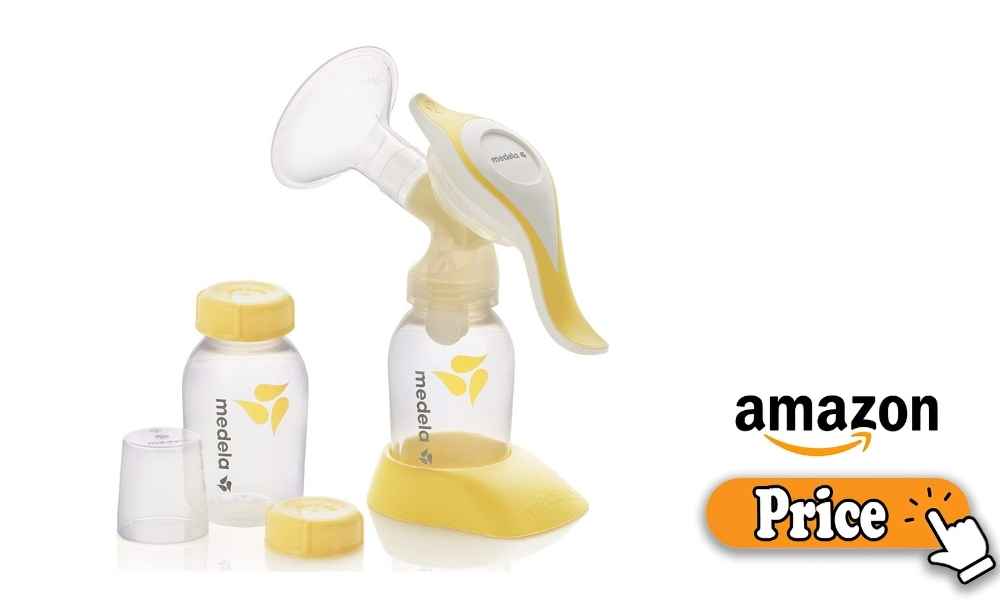
The Lansinoh model is fantastic if you prefer wide-neck bottles and appreciate standard duckbill valves that are easy to maintain. On the flip side, the Medela Harmony feels incredibly intuitive with its swivel handle, making it a favorite for parents needing a quick option.
Side-by-Side Specs Comparison
Here is a quick look at the technical details that actually matter when you are frantically trying to express milk. Comparing these numbers will help you understand their baseline differences before diving into real-world use.
| Specification | Lansinoh Manual | Medela Harmony |
| Max Suction | ~250 mmHg | ~250 mmHg |
| System Type | Closed system | Closed system |
| Included Flange | 25mm and 30.5mm | 24mm PersonalFit Flex |
Seeing the specs side-by-side reveals that both pumps offer competitive suction for occasional manual expression. Ultimately, the small design choices are what dictate your overall comfort and efficiency.
Unboxing and Assembly
Trying to put together a new baby gadget at 2 AM is usually a nightmare, but thankfully, both pumps are refreshingly straightforward. The Lansinoh feels slightly bulkier out of the box, though its plastic parts feel incredibly sturdy in your hands.
The Medela Harmony feels more delicate, mainly because the tiny valve and white membrane require a gentle touch. Assembling both involves popping in the diaphragm, attaching the handle, and snapping the bottle onto the main pump body.
| Assembly Feature | Lansinoh Manual | Medela Harmony |
| Handle Attachment | Snap-on stem notch | Swivel O-ring mechanism |
| Valve Type | Standard duckbill | Valve and membrane |
| Initial Setup Time | Under one minute | Under one minute |
While both are fast to assemble, dropping Medela’s tiny white membrane in the dark is a frustrating rite of passage. The Lansinoh duckbill valve is much easier to locate if it happens to fall on the floor during prep.
Pumping Performance and Milk Expression
When it comes to let-down stimulation, both pumps require you to actively change your pumping rhythm to coax the milk out. I noticed that exclusive pumping with either of these would cause serious hand fatigue, but they excel for quick relief.
The Medela Harmony uses a brilliant two-phase handle where you press the short end for rapid stimulation and the long end for deep expression. Lansinoh mimics this by having a stem notch you manually toggle to change the suction length.
| Performance Metric | Lansinoh Manual | Medela Harmony |
| Let-Down Mode | Toggle stem notch | Press short handle end |
| Expression Mode | Squeeze full handle | Squeeze long handle end |
| Milk Output Speed | Moderate to fast | Fast and responsive |
I frequently used both to catch let-downs on the opposite breast while nursing, which helped manage an oversupply or stimulate drops during periods of low supply. However, the Medela Harmony felt slightly faster at emptying the breast completely due to its highly responsive swivel handle.
Suction Performance and Comfort
Suction levels (mmHg) only matter if the flange comfortably fits your anatomy, and this is where the two pumps seriously diverge. Lansinoh includes two ComfortFit flanges with soft purple rims, making it incredibly forgiving if you have elastic nipples.
Medela includes their 24mm PersonalFit Flex flange, which features a 105-degree angle designed to compress the breast tissue more naturally. However, if you need a different flange sizing, you will have to buy Medela replacements separately, which is annoying.
| Comfort Feature | Lansinoh Manual | Medela Harmony |
| Flange Padding | Soft silicone rim | Flexible oval rim |
| Handle Ergonomics | Straight squeeze | Swivel adjustment |
| Nipple Pain Risk | Low (two sizes included) | Moderate (if 24mm fails) |
During longer sessions, I found that the Lansinoh handle caused slightly more wrist fatigue than the Medela. The Harmony’s ability to swivel the handle allowed me to find a more natural pumping rhythm without awkwardly bending my arm.
Milk Collection System
Pouring milk from a pump into a storage bag is always stressful, and I definitely accidentally spilled precious milk a few times. Lansinoh uses wide-neck bottles that feel very stable on a table, reducing the dreaded tip-over risk during sleep-deprived mornings.
Medela uses their standard narrow-neck bottles, which are perfectly fine but can be slightly trickier to clean without a specialized brush. Both systems are closed, meaning milk will not back up into the diaphragm, which keeps the handle mechanism completely clean.
| Collection Specs | Lansinoh Manual | Medela Harmony |
| Bottle Type | Wide-neck (5 oz) | Narrow-neck (5 oz) |
| Included Nipple | NaturalWave slow flow | None (storage lid only) |
| Spill Resistance | Included bottle stand | Included bottle stand |
I appreciated that Lansinoh includes a feeding nipple right in the box, saving you from doing extra dishes if you feed immediately. The Medela Harmony bottles seamlessly integrate with their other electric pumps, which is great if you already own a Pump In Style.
Cleaning, Sterilization, and Hygiene
Washing pump parts multiple times a day is a chore, and manual pumps thankfully have fewer pieces to scrub than electric ones. The Lansinoh duckbill valve is very easy to rinse, though you still have to ensure no milk residue gets trapped inside.
The Medela Harmony requires extra care because I constantly feared tiny duckbill valves slipping down the drain during midnight washing. I actually lost a Medela membrane once, which completely rendered the pump useless until I found a spare in my cabinet.
| Cleaning Aspect | Lansinoh Manual | Medela Harmony |
| Valve Washability | Easy one-piece duckbill | Two-piece (delicate) |
| Dishwasher Safe | Top rack only | Top rack only |
| Drying Time | Moderate | Moderate |
Both pumps can technically go in the dishwasher, but hand washing the silicone parts extends their lifespan significantly. I always recommend letting the diaphragms completely air dry before reassembling them to maintain optimal suction power.
Noise Level and Discretion
One of the best perks of a manual pump is the absolute silence compared to the robotic churning of an electric motor. Both of these pumps are whisper-quiet, allowing you to easily pump right next to a sleeping baby without waking them.
The Lansinoh produces a very faint, soft whoosh of air as the diaphragm compresses, which is practically unnoticeable in a quiet room. The Medela Harmony occasionally develops a slight plastic squeak in the handle if you are squeezing it quite aggressively.
| Noise & Discretion | Lansinoh Manual | Medela Harmony |
| Operating Sound | Soft air whoosh | Quiet, occasional squeak |
| Visual Profile | Slightly bulky | Slim and compact |
| Office Friendly | Yes, very discreet | Yes, easily hidden |
If you need to quickly relieve pressure while on a Zoom meeting, either of these will keep your secret perfectly safe. The Medela Harmony’s slimmer profile just makes it a bit easier to toss into a small work tote.
Real-Life Daily Scenarios
Manual pumps shine when you are traveling, stuck in traffic, or just need to quickly relieve engorgement before a morning feed. I kept one of these on my nightstand so I could quickly express an ounce or two without leaving my bed.
The Medela Harmony felt a bit easier to operate entirely with one hand, which is crucial when holding a fussy baby. However, the Lansinoh wide-neck bottle felt much safer to rest on the couch cushion while I adjusted my nursing bra.
Insurance, Price, and Value
Many health insurance plans cover manual breast pumps, or at least let you use FSA/HSA funds to purchase them directly. They both retail for a very affordable price, usually hovering under the thirty-dollar mark at most big-box stores.
Lansinoh offers slightly better upfront value because you get two flange sizes and a highly rated feeding nipple included in the box. Medela parts are notoriously easy to find at local pharmacies, which is a lifesaver if a piece breaks while you are traveling.
Long-Term Ownership
If you plan on exclusive pumping, neither of these manual pumps will survive as your primary milk expression tool. They are designed for occasional use, and the silicone diaphragms will stretch out and lose suction if used intensely every single day.
Over several months, I noticed the Medela handle’s O-ring needed occasional replacement to keep the swivel action perfectly smooth. The Lansinoh duckbill valves held up wonderfully, though the purple silicone edge on the flange did attract some minor lint.
Who Should Buy Which?
Deciding between these two reliable manual pumps really comes down to your personal anatomy and how you prefer to handle the equipment. Reviewing your specific daily needs will make the final choice much more obvious.
Buy Lansinoh Manual if:
- You have elastic nipples and need the soft, cushioned ComfortFit rims.
- You prefer wide-neck bottles and simple, one-piece duckbill valves.
- You want two flange sizes included right out of the box.
Buy Medela Harmony if:
- You value a highly intuitive, ergonomic swivel handle that reduces wrist pain.
- You already use Medela electric pumps and have a stash of their bottles.
- You want the slimmest, most portable option for a small handbag.
Consider Neither If:
- You are exclusively pumping and need to express milk efficiently six times a day.
- You suffer from severe carpal tunnel and cannot manually squeeze a handle repeatedly.
Final Verdict: Lansinoh Manual Breast Pump vs Medela Harmony
Both manual pumps are absolute lifesavers for occasional milk expression, but the Medela Harmony slightly edges out the competition for sheer ease of use. The brilliant two-phase swivel handle simply makes finding a comfortable pumping rhythm much easier during those bleary-eyed morning sessions.
However, if you struggle with flange sizing or prefer a softer rim, the Lansinoh remains an incredibly strong, reliable runner-up. Ultimately, keeping either of these in your diaper bag will save you from painful engorgement when you are away from your baby.