Medela Freestyle Hands Free vs Willow Go: Which Is Best?
Choosing between the medela freestyle hands free vs willow go feels like a massive decision when you are already running on zero sleep. Both pumps promise freedom from the wall, but they handle the job very differently in real life. You really need to know which one will actually survive your chaotic mornings and late-night pumping sessions without adding stress.
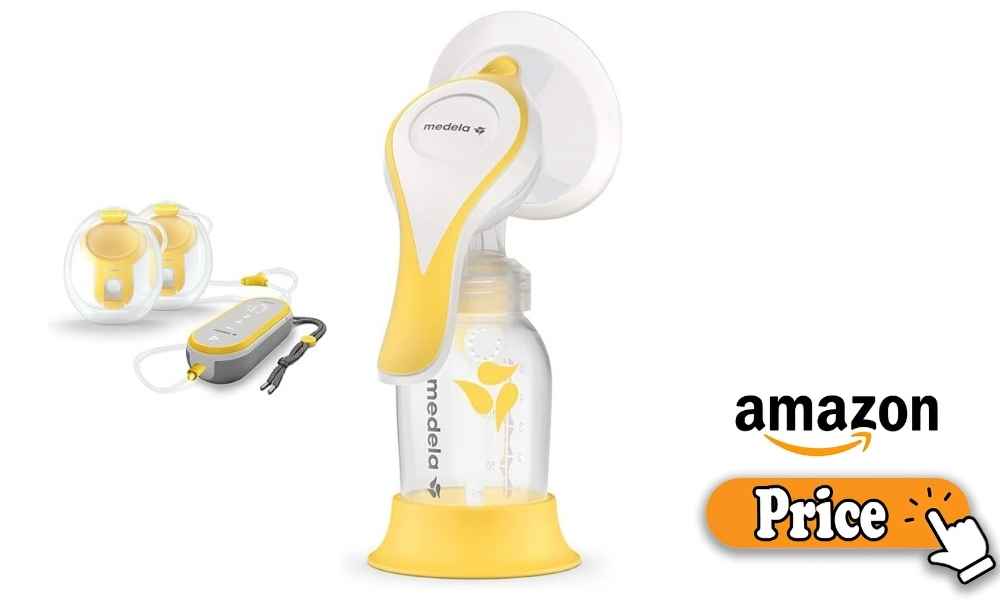
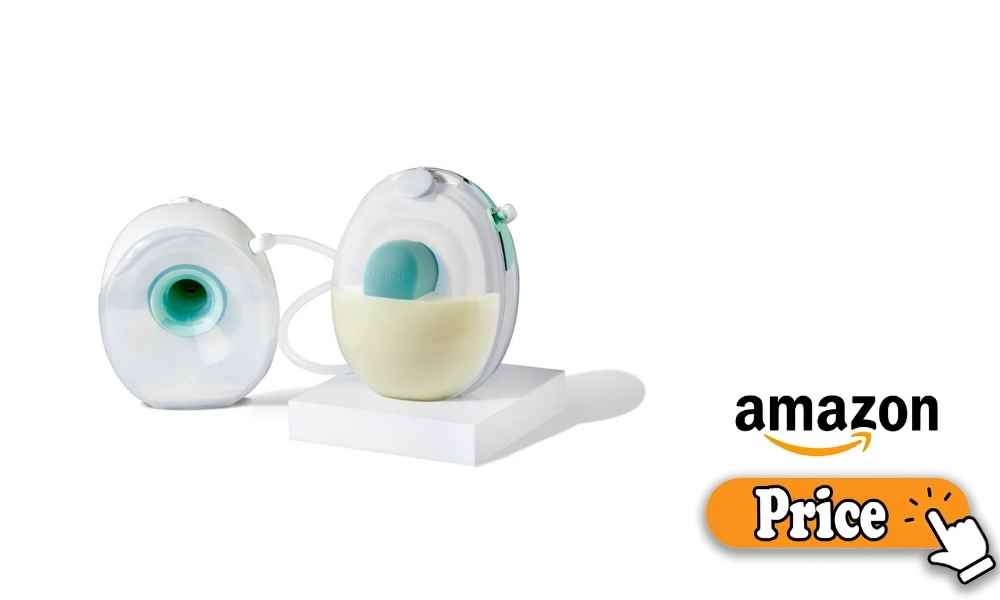
The Medela uses wearable cups connected by tubes to a pocket-sized motor, making it surprisingly lightweight in your bra. The Willow Go is entirely self-contained, meaning the motors sit right on your chest with no tubes to hide. Overall, Medela is great for reliable everyday use, while Willow Go is better if you need total cord-free mobility.
Side-by-Side Specs Comparison
Looking at the raw numbers of the medela freestyle hands free vs willow go helps paint a clearer picture before we get into the messy reality of daily pumping. Here is a quick breakdown of what each device actually offers out of the box.
| Feature | Medela Freestyle | Willow Go |
| Price | Around $349 | Around $349 |
| Suction Levels (mmHg) | Up to 245 mmHg | Up to 295 mmHg |
| Battery Life | ~8 sessions | ~3 sessions |
These details matter immensely when you are trying to balance a baby, a job, and milk expression. Let us dive into how these specs actually translate to everyday survival mode.
Unboxing and Assembly
Opening a new pump box at 2 AM is a humbling experience when you just want to get to sleep. The Medela has just three parts per cup, making it incredibly simple to snap together when you are exhausted. The plastic feels durable, and you do not need an engineering degree to figure out the assembly process.
The Willow Go feels sleek and modern, but it has a few more parts to align perfectly to avoid leaks. Getting the tiny duckbill valves seated correctly requires a bit of focus, which is tough with sleep deprivation. Both come with clear instructions, but the Medela wins for pure grab-and-go simplicity during those groggy nights.
Pumping Performance and Milk Expression
When it comes to let-down stimulation, both pumps do a solid job of getting milk flowing quickly. Medela uses its classic 2-phase technology, which many parents find super effective for emptying breasts completely. The Willow Go has a gentle, rhythmic pull that also triggers a steady flow for most people.
Many parents dealing with low supply worry that wearable pumps will not empty them as well as wall pumps. Some users report that Medela maintains a more consistent output over multiple daily sessions compared to other wearables. However, the Willow Go often works wonderfully for exclusive pumping if you take the time to align it right.
Here is a quick look at how their performance features stack up during real pumping sessions.
| Performance Feature | Medela Freestyle | Willow Go |
| Let-down Mode | 2-Phase technology | Stimulation mode |
| Emptying Ability | Very consistent | Highly dependent on alignment |
| Exclusive Pumping | Solid backup option | Good if sizing is perfect |
Finding the right fit is everything for milk expression, so do not skip measuring yourself properly. A slight misalignment can easily tank your output and leave you feeling frustrated and engorged.
Suction Performance and Comfort
The Willow Go boasts impressive suction levels (mmHg) going all the way up to 295, which is incredibly powerful. However, higher settings can become painful, so you really only need what feels comfortable to get the milk flowing. Medela maxes out around 245 mmHg, which provides a smooth, vibrating pull that feels very natural.
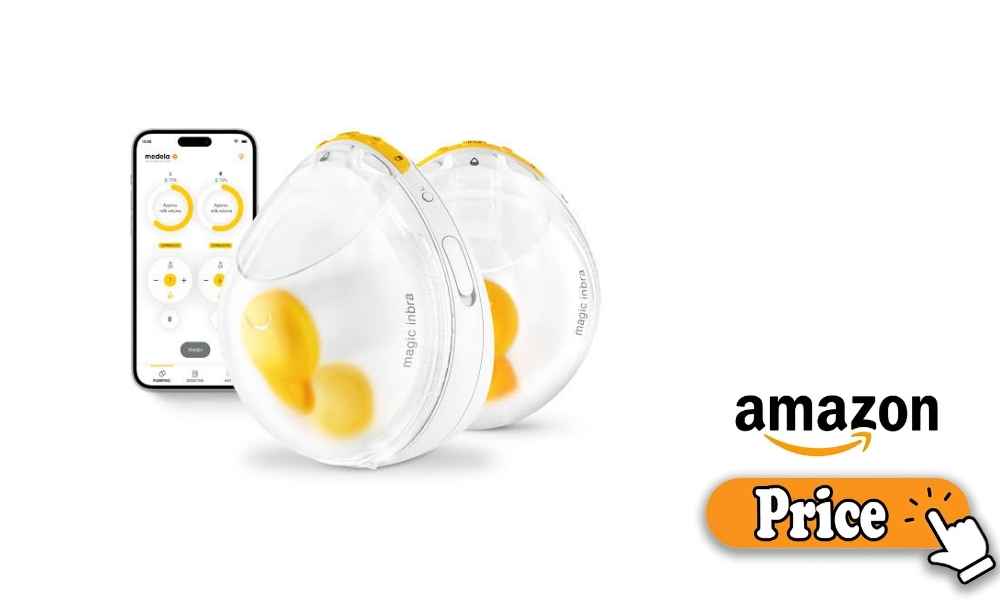
Proper flange sizing is the absolute key to avoiding nasty nipple pain during those marathon sessions. If your flange is too big, it will pull in too much tissue, and one flange kept slipping for me initially. Both brands offer different sizes, but you might need silicone inserts if you fall between standard measurements.
Comparing the feel of the suction can help you decide what your body will actually tolerate.
| Suction Feature | Medela Freestyle | Willow Go |
| Max Suction | 245 mmHg | 295 mmHg |
| Suction Feel | Vibrating, smooth pull | Deep, strong tug |
| Flange Comfort | Hard plastic shields | Hard plastic (inserts needed) |
Always remember that more suction does not automatically equal more milk. Comfort matters more because being relaxed actually helps your body release the milk much faster.
Milk Collection System
Pouring milk from a pump into a bottle is terrifying when every single drop feels like liquid gold. The Medela cups have a small pouring hole that works well, but I once accidentally spilled precious milk when rushing. You have to tilt it very carefully to avoid a heartbreaking puddle on your kitchen counter.
The Willow Go holds up to 5 or 7 ounces depending on the container, which is great for oversupply. Pouring is generally easy, but the wearable shifted slightly while bending over to pick up a toy once. You cannot bend completely forward in either pump without risking a messy leak from the top air vents.
Here is a quick comparison of how these two pumps handle your hard-earned milk.
| Collection Feature | Medela Freestyle | Willow Go |
| Cup Capacity | 5 ounces per cup | 5 or 7 ounces per cup |
| Pouring Ease | Requires careful tilting | Simple pour spout |
| Bending Over | Will leak from top hole | Will leak from top vent |
Knowing these limits helps you plan whether you can unload the dishwasher or just need to sit still. Sitting mostly upright is the safest bet for both to keep your milk secure.
Cleaning, Sterilization, and Hygiene
Washing pump parts multiple times a day is arguably the worst part of the entire breastfeeding journey. Medela’s three-part closed system is a breeze to wash, and the membranes pop right out for a quick scrub. You do not have to worry about tiny pieces vanishing in the sink.
The Willow Go requires a bit more care because of the duckbill valves and the collection bowl shape. I have definitely experienced those tiny duckbill valves slipping down the drain during midnight washing sessions. Both have dishwasher-safe parts, but hand washing and air drying is often faster when you pump frequently.
Let us break down the daily chore of cleaning these two systems.
| Cleaning Feature | Medela Freestyle | Willow Go |
| Number of Parts | 3 per cup | 5 per cup |
| Tiny Pieces | None | Duckbill valves |
| Dishwasher Safe | Yes (top rack) | Yes (top rack) |
Keeping everything dry before reassembly is crucial for the suction to work properly on both devices. A wet membrane or valve will ruin the suction and cause immense frustration.
Noise Level and Discretion
If you plan to pump near a sleeping baby or on work calls, the noise level is a huge factor. The Medela motor has a distinct vibration sound, but since it is separate, you can muffle it in your pocket. It is relatively quiet, but the bright display woke the baby during overnight pumping once.
The Willow Go sits entirely in your bra, so the motor noise is right up near your collarbone. It has a rhythmic humming sound that is noticeable in a quiet room but easily fades into office background noise. Neither pump is completely silent, but they will not sound like a loud construction zone either.
Here is how they compare when you need to be stealthy.
| Discretion Factor | Medela Freestyle | Willow Go |
| Noise Type | Low vibration hum | Rhythmic motor hum |
| Screen Brightness | Bright (can be covered) | No screen on pump |
| Overall Stealth | Tubes are slightly visible | Bulky in the bra |
You can usually wear a loose sweater to hide the bulk, but people might still notice a slightly robotic hum. It is manageable, but true invisibility is still a myth with modern breast pumps.
Battery Life and Charging
Battery anxiety is a real struggle when you rely on your pump to prevent painful engorgement throughout the day. The Medela is a powerhouse, lasting up to 8 sessions, which easily gets you through a whole workday. You barely have to think about plugging it in until the end of the night.
The Willow Go only lasts about 3 sessions before it begs for the charger again. I completely forgot to recharge it before the first morning pump once, which caused a massive panic. You will need to keep a charging cable handy if you pump frequently away from home.
Here is a quick look at the battery realities for both pumps.
| Battery Feature | Medela Freestyle | Willow Go |
| Sessions per Charge | ~8 sessions | ~3 sessions |
| Charging Port | USB-C | USB-C (requires two) |
| Battery Anxiety | Very low | Pretty high |
Getting into a strict charging routine is the only way to survive with the Willow Go. The Medela is far more forgiving for sleep-deprived brains that forget to plug things in.
The Wearable Experience
The physical feeling of wearing these pumps is drastically different due to where the motors are located. The Willow Go places all the weight right on your chest, pulling your bra down slightly if it lacks support. You absolutely need a tight, structured nursing bra to keep them pressed firmly against your body.
The Medela cups are incredibly lightweight since the heavy motor sits in your pocket or on a table. It feels much more natural inside your bra, and the tubes are surprisingly easy to thread through your shirt. I could easily adjust the touch-button accessibility through a shirt with the Medela motor resting on my hip.
Here is a comparison of how they actually feel while you wear them around the house.
| Wearability | Medela Freestyle | Willow Go |
| Weight in Bra | Very light (2.68 oz) | Heavy (13.6 oz) |
| Bra Support Needed | Standard nursing bra | Very firm, tight bra |
| Motor Location | Pocket or lanyard | Inside the bra cup |
If you hate heavy things dragging on your chest, the Medela is a much more comfortable daily option. The Willow Go offers total freedom from tubes, but you pay for it in added bulk.
Real-Life Daily Scenarios
Pumping at work demands something that is quick to assemble and easy to stash away in a desk drawer. The Willow Go is great for slipping in quickly without routing tubes, making bathroom breaks much faster. However, the Medela’s long battery life makes it the ultimate road trip champion since it rarely dies.
During those brutal middle-of-the-night sessions, you want as little hassle as humanly possible. The Medela wins here because you can see the illuminated timer on the motor without opening your phone app. With Willow Go, you often have to rely on the app connectivity to see how long you have pumped.
Insurance, Price, and Value
Both of these pumps sit at a premium price point, usually hovering around the $350 mark. You can often use HSA or FSA funds to purchase them, which takes some of the sting out. Many insurance companies will cover a portion of the cost, but expect a hefty upgrade fee out of pocket.
When calculating value for the medela freestyle hands free vs willow go, do not forget to factor in the cost of replacement parts every few months. Medela parts are widely available at local stores, which is a lifesaver if a membrane rips unexpectedly. Willow parts usually need to be ordered online, requiring a bit more planning ahead.
Long-Term Ownership
Committing to a pump means relying on its motor to endure hundreds of hours of repetitive strain. Medela has a long-standing reputation for durable motors that easily survive a year of exclusive pumping. The tubing will eventually need replacing, but the core system remains stubbornly reliable over time.
Wearable motors like the Willow Go face more wear and tear because they are attached directly to the moving cup. Milk residue staining is common on both, but replacing the Willow’s duckbill valves frequently is mandatory for good suction. Treat both devices gently, and they will usually see you through your breastfeeding journey.
Who Should Buy Which?
Choosing the right pump comes down to what annoys you least and what fits your daily rhythm.
Buy Medela Freestyle if:
- You hate heavy cups: The lightweight in-bra feel is unbeatable.
- You pump frequently: The 8-session battery life is a massive stress reliever.
- You hate washing parts: Three simple pieces make cleanup a breeze.
Buy Willow Go if:
- You despise tubes: Total cord-free freedom changes the game for multitasking.
- You have an oversupply: The 7-ounce container option is a lifesaver.
- You need strong suction: The 295 mmHg pull is incredibly powerful.
Consider Neither If:
- You need to bend over a lot: Both will spill milk from the top vents.
- You want absolute silence: Neither pump is completely invisible or silent.
Final Verdict: Medela Freestyle Hands Free vs Willow Go
If you want the most reliable, easy-to-clean workhorse that will not die after three sessions, the Medela Freestyle wins. Its lightweight cups and phenomenal battery life make it the most practical choice for daily exhaustion. The Willow Go is fantastic if you absolutely refuse to deal with tubes, but the battery anxiety and heavier cups require some serious patience.