
Medela vs Spectra S1 Plus: Which Pump Is Right for You?
Deciding between the medela vs spectra s1 plus is one of the biggest choices you will make during your postpartum journey. Both are excellent portable double electric breast pumps, but they feel completely different when you are staring at a clock at 3 AM.
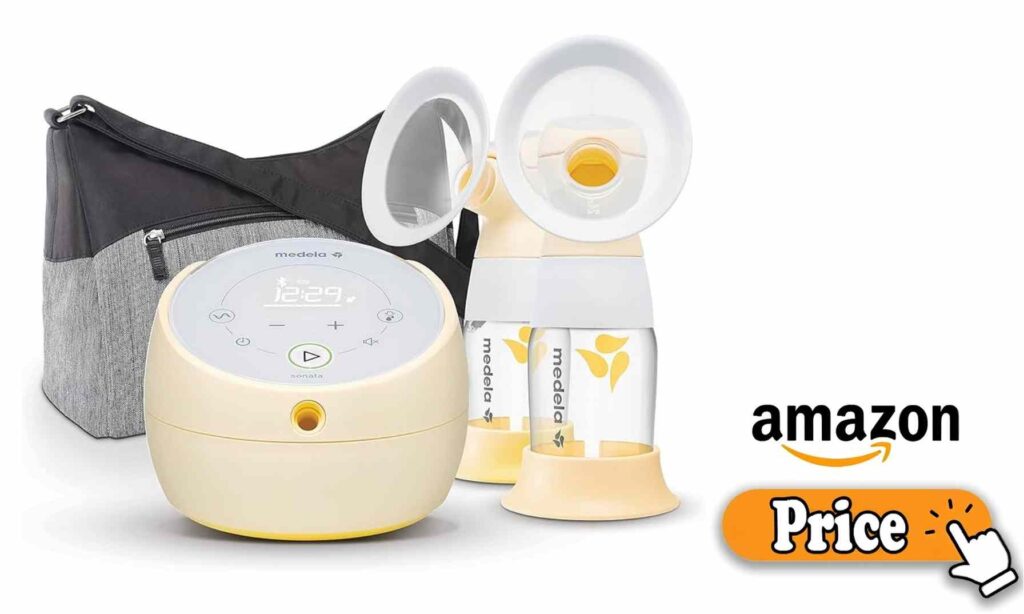
After weeks of testing both units during work commutes, sleep-deprived mornings, and chaotic chores, the right choice comes down to your personal routine. One prioritizes total setting control and a built-in nightlight, while the other leans into absolute simplicity and intense, pre-programmed pull patterns.
Side-by-Side Specs Comparison
Before we dive into the daily experience, it helps to see how these two heavy hitters stack up on paper. This data highlights the core mechanical differences that alter how each unit performs over a long session.
| Feature | Medela Pump in Style | Spectra S1 Plus |
| Suction Strength | Up to 295 mmHg | Up to 270 mmHg |
| System Type | Closed System | Closed System |
| Battery Type | 8 AA Battery Pack | Built-in Rechargeable |
While Medela offers slightly higher peak suction levels (mmHg), the Spectra S1 Plus features a true internal rechargeable battery. This single difference changes how you handle your morning rush when outlets are hard to find.
Unboxing and Assembly
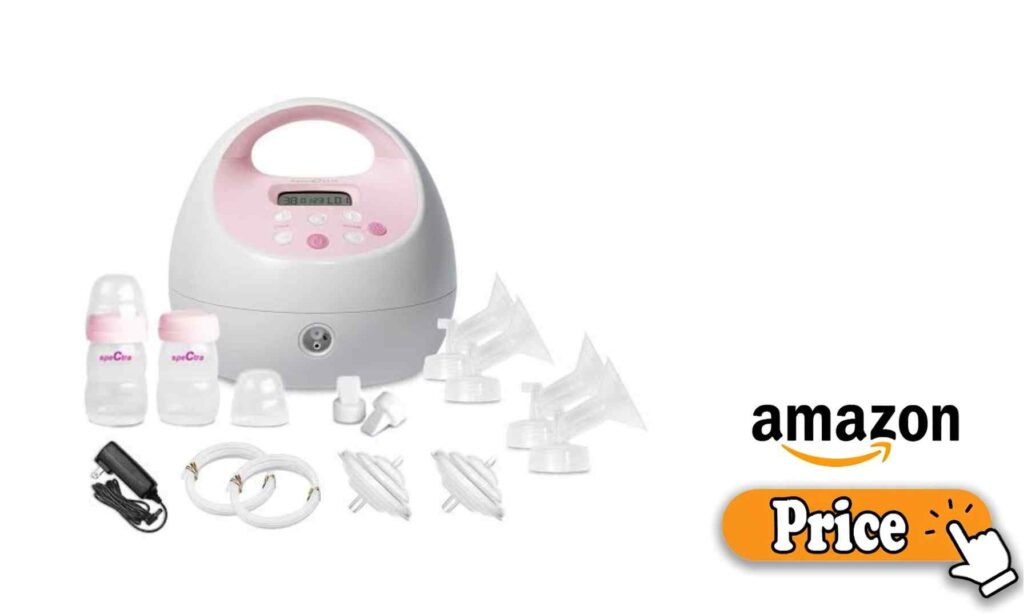
Opening the boxes reveals two entirely separate design philosophies regarding plastic parts and assembly. The Spectra S1 Plus looks like a smooth, friendly blue bowling ball with a sturdy molded handle that makes it easy to grab.
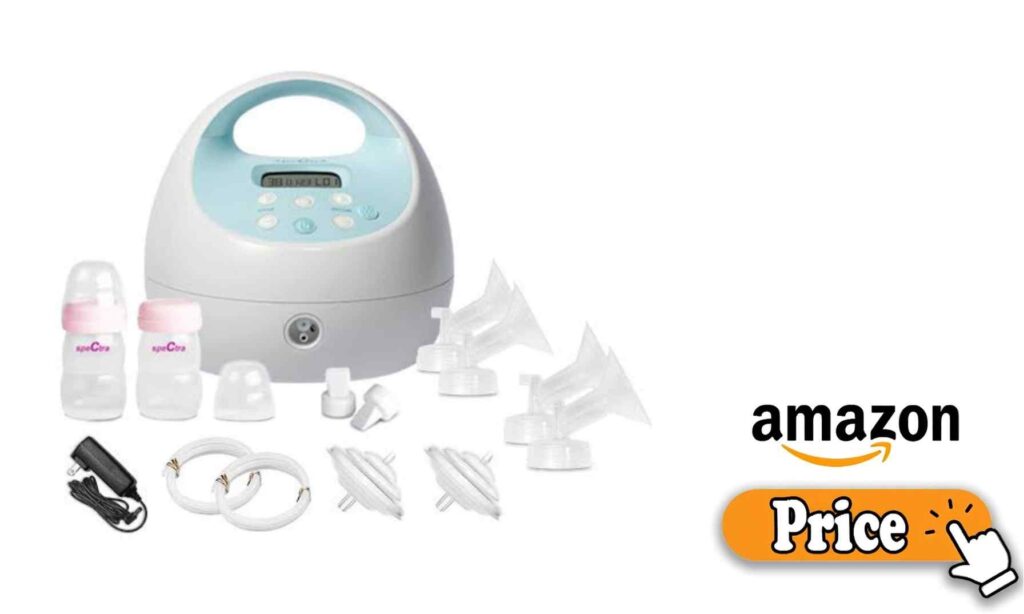
Assembling the Spectra at 2 AM is mostly straightforward, though the backflow protectors add an extra step. These clear plastic discs act as a closed system barrier to prevent milk expression from entering the tubing.
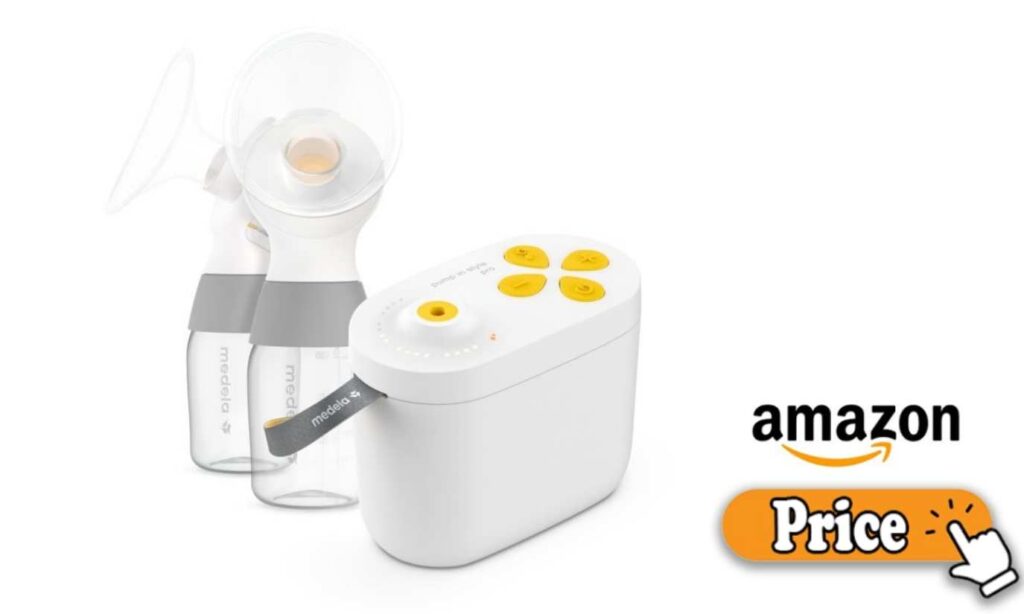
Medela uses a sleeker, smaller motor block but relies on a separate, external battery pack that takes eight AA batteries. The connector design is wonderfully chunky and easy to grip, making it nearly impossible to misalign when you are exhausted.
Pumping Performance and Milk Expression
When it comes to actual milk expression, the way these two motors pull on your breast tissue is night and day. Medela uses a distinct let-down stimulation phase that relies on rapid, micro-vibrations to trigger your milk flow quickly.
For parents dealing with an oversupply or a sudden low supply, this intense pulling pattern can drain the breasts efficiently. However, the lack of independent cycle speed control means you are locked into their pre-programmed rhythm.
The Spectra S1 Plus approaches milk expression with a smoother, wave-like suction rhythm that mimics a nursing baby. It allows you to adjust the cycle speed and vacuum levels completely independently, which is a lifesaver for exclusive pumping.
Suction Performance and Comfort
Comfort is where the Spectra S1 Plus earns its massive cult following among tired parents. The massage mode uses a gentle, fluttering vibration that stimulates the nipple without causing sudden pinching or stinging.
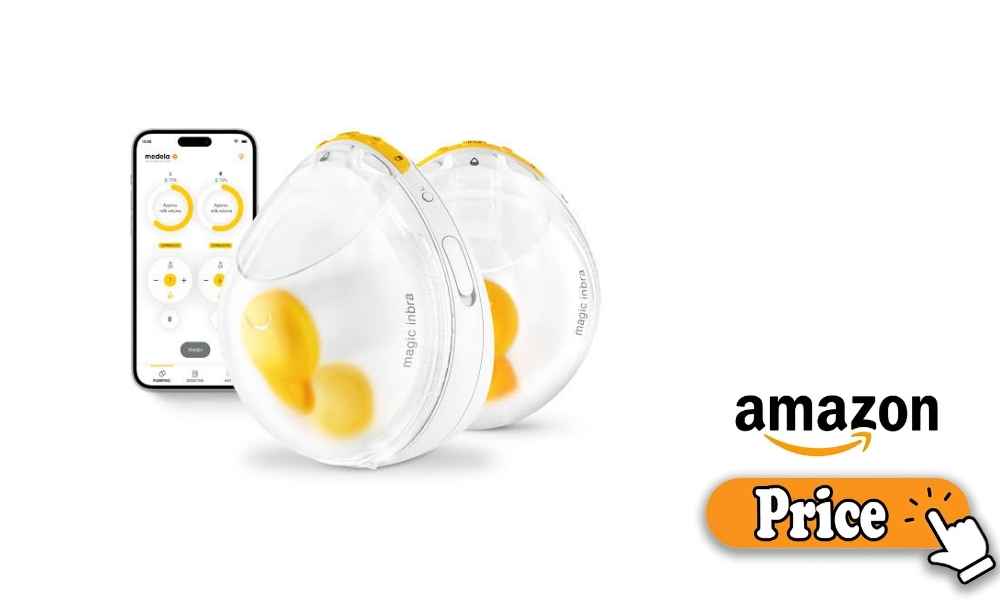
Even when you crank the suction levels higher, the machine never feels like it is aggressively yanking on your skin. This makes it highly effective for healing damaged nipples or preventing blebs during long, frequent pumping sessions.
Medela Sensation: [Sharp, direct pull] ───> Firm and fast drainage
Spectra Sensation: [Soft, vibrating wave] ──> Smooth and gentle release
Medela’s MaxFlow technology feels much sharper and more direct, which some parents prefer for a faster session. The included PersonalFit Flex shields feature soft, flexible rims that mold comfortably to different breast shapes without slipping.
Milk Collection System
The bottles and collection systems illustrate another major functional divide between these two popular brands. Medela uses its classic narrow-neck bottles, which are highly compatible with standard freezer storage bags and hospital-provided gear.
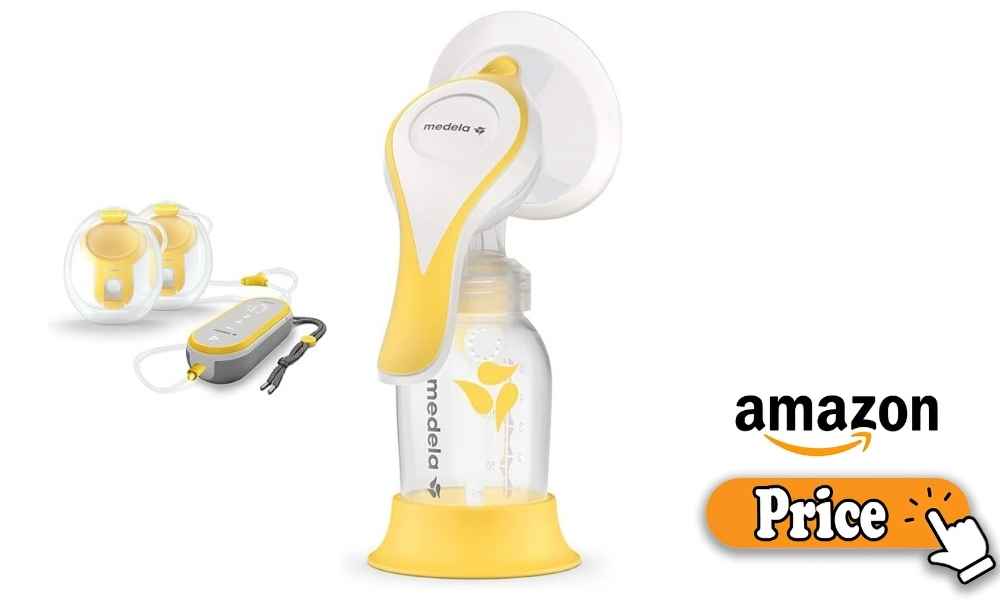
However, pouring warm milk out of these narrow openings into a storage bag at 4 AM invites accidental spills. The measurement markings are stamped clearly into the plastic, though they can wear off after months of heavy sterilization.
Spectra utilizes wide-neck bottles that provide a much wider, stabler base when sitting on a crowded nightstand. They are significantly easier to pour from, reducing the agonizing pain of spilling precious milk down your countertop.
Cleaning, Sterilization, and Hygiene
Washing pump parts is easily the least glamorous part of the entire postpartum experience. Both brands utilize a modern closed system design, ensuring that moisture and milk residue never compromise the internal motor or tubing.
Spectra’s duckbill valves are tiny, simple pieces of silicone that can easily slip down the kitchen sink drain if you aren’t careful. The backflow protectors must be kept completely dry, adding a layer of mindfulness to your washing routine.
Medela’s three-piece connector design splits the shield from the assembly, making flange sizing changes much cheaper. The internal membranes are flat and durable, drying much faster than Spectra’s deeply recessed plastic parts.
Noise Level and Discretion
If you plan to pump next to a sleeping infant or during a muted corporate Zoom meeting, noise level is everything. The Spectra S1 Plus operates with a low-frequency, deep hum that sounds like a purring cat or a distant refrigerator.
It is incredibly quiet, allowing you to pump discreetly in a dark bedroom without waking your partner or child. The structural vibration is dampened well by the rubber feet on the bottom of the base.
Medela produces a much higher-pitched, rhythmic mechanical drawing sound that is tough to ignore in a silent room. It isn’t deafening, but the distinct “shuck-shuck” sound makes it obvious that a pump is running nearby.
Battery Life and Charging
Battery anxiety is a real issue when you are trying to maintain a strict pumping schedule outside the house. The Spectra S1 Plus shines here with its internal lithium-ion battery, yielding roughly three hours of cordless pumping power.
You can easily carry it around the living room using the top handle while folding laundry or making breakfast. The battery holds its charge beautifully over months of use without noticeable degradation or dropping mid-session.
Medela’s reliance on an external pack filled with eight AA batteries feels dated and clunky by comparison. If you forget to buy fresh batteries, you are completely tethered to a wall outlet via the standard power cord.
Real-Life Daily Scenarios
In the middle of the night, the Spectra’s built-in nightlight and bright LCD timer screen are absolute lifesavers. You can easily track your session duration and adjust your vacuum settings without turning on a harsh overhead lamp.
The screen brightness on the Spectra can actually be a bit too intense, sometimes requiring a hand to block it. Medela lacks a digital timer screen entirely, forcing you to check your phone to see how long you’ve been pumping.
For office commutes, Medela’s smaller motor block fits much better into a standard backpack or diaper bag. Spectra’s round shape takes up significant physical space, making it awkward to pack alongside a laptop and lunchbox.
Insurance, Price, and Value
Most major health insurance plans will cover a basic double electric breast pump, but upgrades require cash. The Spectra S1 Plus usually requires a modest out-of-pocket upgrade fee through insurance due to the rechargeable battery.
Medela’s base model is often fully covered with zero upgrade fees, making it an attractive budget choice. Replacement parts for both brands are widely available online and at local big-box pharmacies for quick emergencies.
| Financial Factor | Medela Pump in Style | Spectra S1 Plus |
| Typical Insurance Status | Fully Covered (Base) | Often Requires Upgrade Fee |
| Part Availability | Excellent / Everywhere | High / Amazon & Target |
Long-Term Ownership
Over months of exclusive pumping, both motors hold up incredibly well to the punishing wear and tear of daily use. Spectra’s closed-system membranes protect the machine from losing suction power due to moisture buildup over time.
The tubing on the Medela can occasionally collect external dust, but the milk paths stay pristine and isolated. The plastic components of both brands will inevitably yellow slightly after hundreds of high-heat sterilization cycles.
Who Should Buy Which?
Buy Medela if:
- You prefer a firm, fast pull: The aggressive micro-vibrations drain breasts quickly when you are pressed for time.
- You want zero insurance fees: It is widely available as a standard, fully covered option on most insurance portals.
- You need a compact motor: The small, lightweight block packs easily into a crowded work tote or travel bag.
Buy Spectra S1 Plus if:
- You demand total cord-free mobility: The built-in rechargeable battery lets you move around the house easily.
- You have sensitive nipples: The highly customizable cycle speeds and smooth vacuum waves prevent painful pinching.
- You pump frequently at night: The integrated nightlight and digital timer screen make midnight sessions painless.
Consider Neither If:
- You need total hands-free stealth: Both units utilize external tubes and bottles that protrude significantly from your bra. In that specific case, an in-ear wearable pump is a better fit for public multitasking.
Final Verdict: Medela vs Spectra S1 Plus
The battle between medela vs spectra s1 plus comes down to how much you value customization and battery independence. If you want a gentle, whisper-quiet experience with a true internal battery and a nightlight, buy the Spectra S1 Plus. It is the gold standard for long-term comfort.
If you want a straightforward machine with intense suction that empties you fast, the Medela is a reliable choice. Pick the one that keeps you sane during those quiet, exhausting hours of early parenthood.