
Eufy S1 Vs E20: Which Wearable Pump Is Better?
When you are staring down the barrel of a midnight session, deciding between the eufy s1 vs e20 wearable breast pumps comes down to a few very specific daily realities. I have logged thousands of hours strapped to various motors, dealing with everything from leaking closed system barriers to completely drained batteries on my morning commute. You do not need a glossy sales brochure; you need to know which of these silicone-flanged devices will actually empty your breasts without adding friction to your already chaotic life.
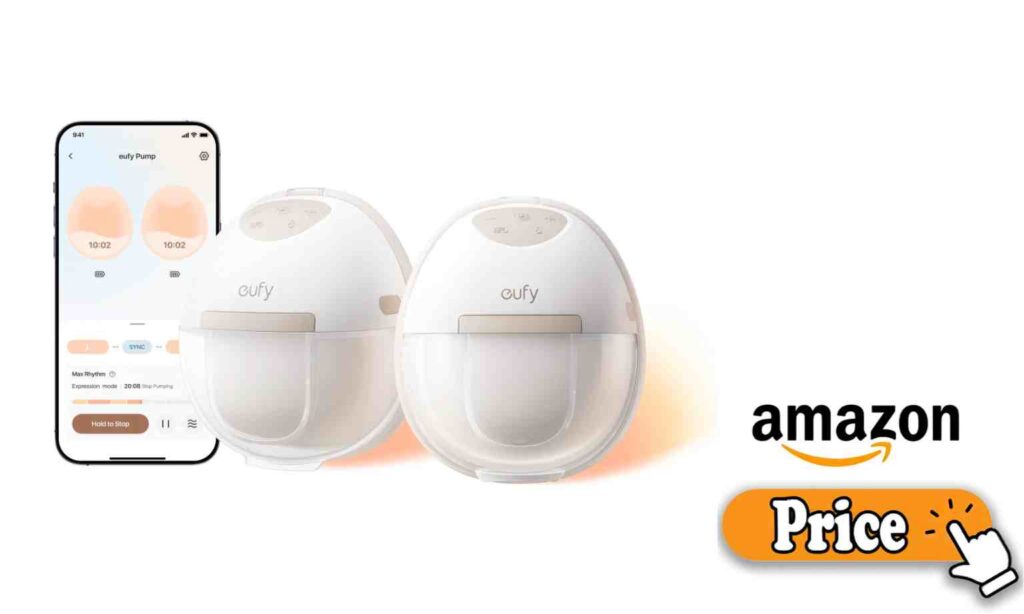
Many parents ask if a wearable pump is worth it for exclusive pumping, and the answer hinges entirely on motor reliability and ease of use. Both of these Eufy models bring an innovative heating element to the table, aiming to speed up let-down stimulation and improve overall milk expression. However, their differences in charging architecture and price points drastically change the daily user experience. Let us break down exactly where your money should go.
Eufy S1 Wearable Breast Pump Review
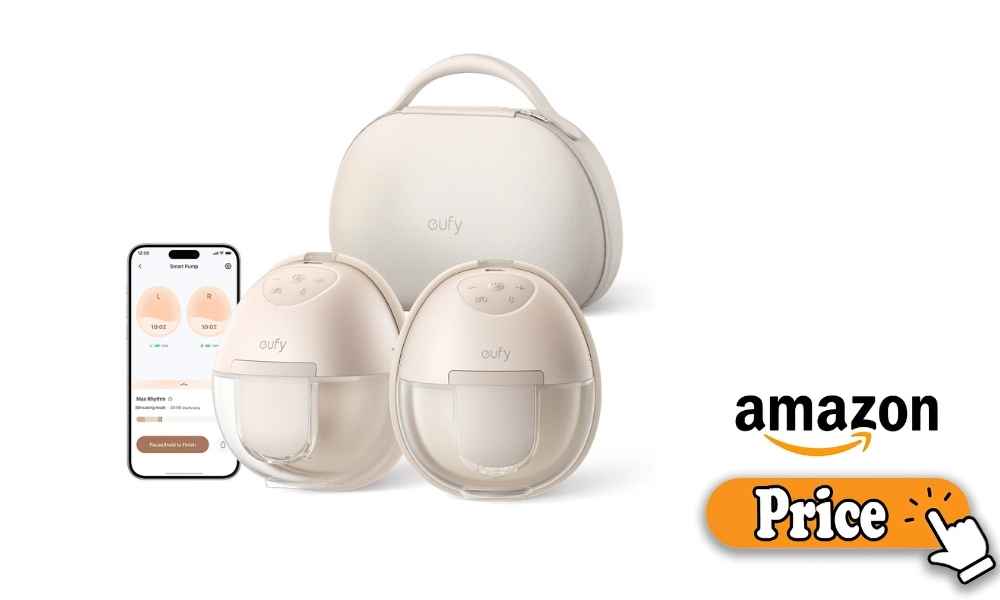
Before we dive into the granular details, it is crucial to understand what the baseline S1 model actually brings to your pumping routine. This unit sits right in the middle of the brand’s lineup, offering premium heating features without the massive expense of their Pro-level charging cases.
Pros And Cons
Evaluating this pump requires looking past the sleek exterior and focusing on how it handles the physical demands of daily milk removal. Here is a brutally honest breakdown of where it shines and where it absolutely frustrates exhausted parents.
| Feature Focus | The S1 Advantages | The S1 Drawbacks |
| Heating Tech | Offers 7 precise temperature levels | Can drain the battery significantly faster |
| Suction Power | Pulls up to 300 mmHg effectively | Might feel aggressive for sensitive tissue |
| Power Delivery | Snaps on with a magnetic connector | Magnetic cables are easy to bump and disconnect |
Knowing these compromises helps you set realistic expectations for those long, quiet overnight pumping sessions. The last thing you want is a surprise mechanical failure at dawn because you misunderstood the charging setup.
My Personal Experience
During my time testing the S1, the heated flange design truly felt like a game-changer for those incredibly stiff, early-morning milk expression sessions. The gentle warmth seemed to trick my body into relaxing, which noticeably sped up my initial let-down and helped me avoid the dreaded clogs. I found that mastering how to pump without nipple pain became much easier when the silicone inserts were pre-warmed, making the harsh tug of the motor feel far less mechanical.
However, my biggest grievance with this model was the proprietary magnetic charging cable, which felt like a disaster waiting to happen on a cluttered nightstand. If I bumped the bedside table while reaching for breast milk storage bags, the cord would often detach without me noticing. Waking up to a dead motor at 3 AM because the magnet slipped off is a uniquely infuriating experience that makes you question the design choices.
Recommendation
The S1 is a solid choice for parents who struggle with vasospasms or need highly customized warmth to trigger a stubborn let-down. If your body requires a very specific temperature to relax, the seven distinct heat settings offer a therapeutic level of control that most traditional pumps completely ignore. It truly caters to those who view pumping as a delicate sensory balancing act.
On the flip side, this model is not ideal if you are constantly traveling or throwing your gear into a chaotic commuter tote bag. The reliance on a specific magnetic charging cord means you cannot just borrow a standard cable if you leave yours at home. You have to be meticulous about your charging routine, which is a tall order when you are surviving on three hours of broken sleep.
Eufy E20 Wearable Breast Pump Review
Stepping down to the E20 model strips away some luxury features but retains the core mechanics that make these wearables so incredibly effective. This budget-friendly alternative targets parents who want modern smart features without completely draining their postpartum savings.
Pros And Cons
When you pay less, you naturally expect to compromise, but the trade-offs here are surprisingly minimal for the average pumping parent. This matrix highlights exactly what you get when you choose the more economical route.
| Feature Focus | The E20 Advantages | The E20 Drawbacks |
| Charging Method | Uses universal USB-C charging ports | Does not support pumping while plugged in |
| Price Point | Significantly more affordable upfront | Comes with fewer accessory extras in the box |
| Heat Settings | Includes 3 highly effective heat levels | Lacks the micro-adjustments of the premium model |
These differences might seem small on a specification sheet, but they dramatically alter how you interact with the device throughout a busy workday. You must weigh the initial cost savings against the loss of minor thermal conveniences.
My Personal Experience
Testing the E20 was a breath of fresh air purely because of the universal USB-C charging ports located directly on the motor hubs. I cannot overstate the relief of realizing my pump was dead at the office and simply plugging it into my laptop charger to revive it. While it only features three heat settings instead of seven, I honestly never found myself wishing for more options; the highest setting provided plenty of comforting warmth.
The suction levels (mmHg) felt virtually identical to the more expensive unit, pulling milk efficiently during my standard twenty-minute expression mode sessions. My only real struggle was bending over to grab a fallen pacifier and experiencing a minor leak from the top pouring hole. You still have to maintain rigid, upright posture, and keeping track of when to replace duckbill valves is essential to prevent sudden suction drops mid-session.
Recommendation
I wholeheartedly recommend the E20 for parents who need a reliable secondary pump for returning to work or running weekend errands. The accessible price point makes it an incredible entry-level wearable for those who are nervous about dropping hundreds of dollars on a hands-free system. It delivers exceptional value without sacrificing the core heating technology that sets this brand apart from older competitors.
However, if you are navigating severe low supply and need an arsenal of highly specific stimulation tools, you might miss the granular control of the more expensive model. It also ships with fewer out-of-the-box flange sizing options, so you must know your exact millimeter measurement before purchasing. If you are willing to source your own silicone inserts, the savings are absolutely worth the extra logistical step.
Details Comparison: Eufy S1 Vs E20
Pitting these two models directly against each other reveals that the most expensive option is not always the most practical one. Let us break down their performance across the technical metrics that actually dictate your daily sanity.
Heating Technology And Let-Down Stimulation
The defining feature of both pumps is the integrated heating system designed to mimic the warmth of a nursing infant’s mouth. The S1 boasts seven highly specific temperature levels, allowing you to dial in the exact degree of warmth that coaxes your milk ducts to open. For mothers dealing with extreme tissue sensitivity or recurring clogs, this micro-adjustment capability acts almost like a physical therapy tool during massage mode.
The E20 simplifies this by offering only three broad temperature settings, which still cover the exact same heat range of 95°F to 107°F. In my practical testing, the difference between setting three and setting four on the premium unit was virtually imperceptible to the human body. The E20’s three levels proved more than sufficient for triggering a fast, reliable let-down without overwhelming the user with unnecessary choices.
Selecting the right heat setting directly impacts how quickly your body responds to the initial pulls of the motor. Here is how the thermal features stack up when placed side-by-side.
| Heating Metric | Eufy S1 Performance | Eufy E20 Performance |
| Temperature Range | Warms from 95°F up to 107°F | Warms from 95°F up to 107°F |
| Heat Level Options | Features 7 distinct micro-levels | Features 3 distinct broad levels |
| Impact on Battery | High drain on maximum settings | High drain on maximum settings |
Ultimately, both units deliver soothing warmth that dramatically improves the physical comfort of your milk expression routine.
Rating: Eufy S1: 8.5/10 || Eufy E20: 8/10
Charging Systems And Battery Endurance
Battery management is the silent killer of exclusively pumping journeys, and this is where these two models diverge completely. The S1 utilizes a sleek, proprietary magnetic charging cable that snaps onto the top of the motor hub. While it looks incredibly futuristic and prevents debris from getting into a charging port, the magnets are notoriously weak and easily disconnected by a stray elbow.
Conversely, the E20 relies on the globally standardized USB-C connection, making it vastly superior for chaotic, real-world parenting scenarios. If you are wondering why is my pump losing suction, it is often due to a low battery, and the E20 allows you to recharge anywhere using phone or laptop cables. The battery endurance on both units yields about three to four sessions, provided you are not blasting the highest heat setting constantly.
Understanding how these devices recover power is critical for parents who are away from home for eight to ten hours a day. Let us look at the raw data regarding their power management systems.
| Power Metric | Eufy S1 Architecture | Eufy E20 Architecture |
| Cable Interface | Proprietary magnetic snap design | Standard universal USB-C port |
| Session Yield | Delivers 3 to 4 typical sessions | Delivers 3 to 4 typical sessions |
| On-the-Go Ease | Frustrating if the cable is lost | Exceptional charging compatibility |
The peace of mind that comes with universal charging simply cannot be overstated for exhausted, working parents who carry minimal gear.
Rating: Eufy S1: 7/10 || Eufy E20: 9/10
Suction Strength And Expression Efficiency
When you strip away the smart apps and warming features, a breast pump is essentially a vacuum, and both models deliver a robust 300 mmHg of maximum suction. This strength is more than adequate for parents dealing with oversupply, though it might take some adjustment for those with highly elastic tissue. The dual-phase expression technology effectively mimics a baby’s natural feeding rhythm, starting with quick flutters before transitioning to deep, rhythmic pulls.
I noticed zero difference in my actual milk yield when comparing the two units across identical twenty-minute time blocks. Both motors utilize a true closed system barrier that keeps milk entirely out of the mechanical tubing, ensuring excellent hygiene and easy cleanup. The actual efficiency of milk removal relies heavily on having the correct flange sizing, rather than any internal mechanical differences between the two motors.
Evaluating the raw power of a motor ensures you are not wasting precious sleep sitting attached to a weak, ineffective device. This table illustrates their mechanical parity across the board.
| Motor Capability | Eufy S1 Specifications | Eufy E20 Specifications |
| Maximum Suction | Reaches up to 300 mmHg threshold | Reaches up to 300 mmHg threshold |
| Rhythm Modes | Features Massage and Expression | Features Massage and Expression |
| Hygiene Barrier | Utilizes true closed system parts | Utilizes true closed system parts |
Because the internal motors appear functionally identical, your physical output will remain largely consistent regardless of which model you ultimately purchase.
Rating: Eufy S1: 9/10 || Eufy E20: 9/10
Wearable Discretion And In-Bra Comfort
Wearable pumps promise invisible pumping, but the reality is always a bit bulkier than the social media advertisements suggest. Both units utilize the exact same collection cup silhouette, which sits securely inside a standard stretchy nursing bra. They are not entirely invisible—you will definitely look like you have suddenly gone up three cup sizes—but the rounded edges prevent harsh lines from showing through your tightest work shirts.
The silicone cushion inserts on both models provide a soft, comfortable seal against the skin, greatly reducing the friction that leads to blistering. However, neither pump is immune to spillage if you lean forward to pick up a crying toddler from their crib or retrieve a dropped toy. The weight distribution is manageable, but after forty-five minutes of power pumping, you will certainly feel the heaviness sitting on your chest.
Assessing the physical footprint of these devices helps you determine if they can actually be worn during a busy office meeting. Here is how their physical attributes compare in daily use.
| Comfort Metric | Eufy S1 Profile | Eufy E20 Profile |
| In-Bra Visibility | Noticeable but physically smoothed | Noticeable but physically smoothed |
| Skin Interface | Soft liquid silicone flange seal | Soft liquid silicone flange seal |
| Spillage Risk | High when bending forward sharply | High when bending forward sharply |
Comfort is highly subjective, but the shared physical architecture means neither pump holds a distinct advantage in terms of everyday discretion.
Rating: Eufy S1: 8/10 || Eufy E20: 8/10
Long-Term Value And Replacement Parts Sourcing
The initial purchase price of a breast pump is only half the financial story; ongoing maintenance can quickly drain your wallet if you are not careful. The S1 demands a higher upfront investment but occasionally bundles extra duckbill valves, dust covers, and sizing inserts in the box, slightly softening the blow. Knowing the best time to replace duckbill valves is usually every four weeks, those extra included parts do hold tangible financial value for exclusive pumpers.
The E20 enters the market at a significantly lower price point, making it highly attractive, but it ships with a very bare-bones accessory kit. Thankfully, the collection cups and internal silicone membranes are interchangeable between the two models, meaning users can easily purchase replacement parts online. The long-term math heavily favors the budget model, especially given that its standard USB-C charger will never need an expensive, proprietary replacement if the cord frays.
Calculating the true cost of ownership requires factoring in the monthly replacement of degrading silicone components and lost charging cords. This financial breakdown illustrates where your money actually goes over a year.
| Value Metric | Eufy S1 Economics | Eufy E20 Economics |
| Initial Investment | Premium tier pricing structure | Budget-friendly pricing structure |
| Included Spares | Often bundles extra replacement valves | Features a very basic starter kit |
| Part Sourcing | Easy online availability for spares | Uses identical, compatible parts |
When you factor in the robust motor performance and universal charging, the budget model clearly wins the long-term value argument for most families.
Rating: Eufy S1: 7.5/10 || Eufy E20: 9.5/10
Conclusion
Navigating the exhausting landscape of infant feeding requires tools that work with your life, not against it. In the battle of the Eufy models, the less expensive option emerges as the surprising champion for the vast majority of pumping parents. While the premium unit offers luxurious micro-adjustments for its heating element, the frustrating magnetic charger and inflated price tag make it a tough sell for chaotic daily routines.
The budget model delivers the exact same powerful suction, an incredibly comforting heat range, and the absolute sanity-saver that is universal USB-C charging. It proves that you do not need to empty your bank account to secure a highly effective, modern wearable breast pump. Save the extra cash for replacement parts and extra storage bags; your future, sleep-deprived self will absolutely thank you.