
Eufy S1 Pro vs E20: My Honest Verdict
When you are comparing the eufy S1 Pro vs E20, you are fundamentally choosing between luxury convenience and mid-tier practicality. Both of these heated wearable breast pumps utilize the same core suction technology, but their surrounding ecosystems differ wildly in price and lifestyle application.
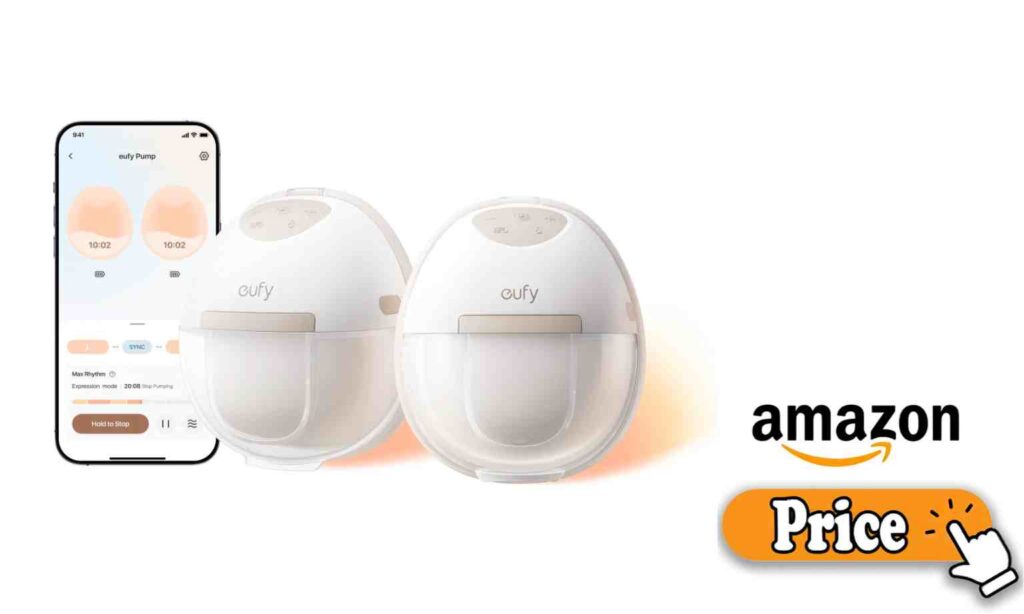
As an exclusive pumper who has relied on wearables to survive long commutes and messy morning routines, I know how critical these subtle differences can become. Choosing the wrong pump can mean the difference between a seamless session and a frustrating, leaky disaster while you are stuck in traffic.
Making the right choice requires looking beyond the marketing jargon to see how these devices actually function in real life. It is about understanding what you are truly paying for when you upgrade.
Cost and Feature Trade-offs
Evaluating these two wearable pumps side-by-side reveals exactly where the manufacturer decided to invest their engineering budget. The differences look minor on paper, but they dramatically alter your daily pumping logistics.
| Feature Metric | eufy S1 Pro | eufy E20 |
| Charging Method | Magnetic Portable Case | Standard USB-C Cable |
| HeatFlow Settings | 7 Incremental Levels | 3 Standard Levels |
| Retail Price Point | Premium Splurge Tier | Budget-Friendly Tier |
Reviewing this data helps to clarify exactly which lifestyle bracket each of these breast pumps is targeting. Let us dive deeper into what these technical specifications actually mean for your daily routine.
The foundation of any good wearable breast pump is how effectively it empties the breast without causing tissue damage. Both of these models top out at a robust 300 mmHg of suction, placing them firmly in the hospital-grade category for portable units.
However, suction strength alone does not dictate milk output; it is the combination of suction, flange fit, and let-down stimulation that matters. Both devices excel in this department, but their approaches to comfort differ.
Understanding these structural and functional nuances is crucial before committing your hard-earned money. Let us examine the specifics of the price gap.
Analyzing the Price Gap
The financial leap from the baseline model to the premium offering is substantial and requires careful consideration. You have to ask yourself if the convenience of a charging case outweighs the flexibility of keeping cash in your pocket.
In my experience, budget constraints often dictate pump choices, but investing in the right tool can save your breastfeeding journey. The premium model demands a hefty upfront cost, while the budget version feels far more accessible.
Many parents find that the base model provides 90 percent of the performance for a fraction of the price. The remaining 10 percent of performance is purely tied to lifestyle luxuries rather than actual milk output.
It is absolutely vital to assess your own daily environment before making this financial leap. Your specific needs will dictate the actual value of these features.
Core Suction Dynamics
Suction efficiency is the beating heart of any milk collection device, dictating how quickly you can finish a session. If a pump cannot trigger a fast let-down, all the smart features in the world become completely meaningless.
During my testing, both models provided an identical, deep, and rhythmic pull that effectively emptied my breasts within twenty minutes. They both utilize a dual-phase expression system that closely mimics how a nursing infant draws milk.
The closed-system barriers on both units successfully keep milk from backing up into the motor block. This is a non-negotiable hygiene feature for any pump that will see heavy daily use.
However, the way these pumps deliver that suction through their respective flanges presents a few interesting quirks. Let us explore what that means for delicate tissue.
What a Luxury Price Tag Actually Buys You
Opting for the more expensive model is a significant financial commitment for most new parents. It promises a frictionless experience designed to reduce the mental load of managing a pumping schedule.
| Luxury Feature | Practical Benefit | Potential Drawback |
| Portable Charge Case | 5 days of off-grid power | Bulky to carry in small bags |
| 7-Level Heat | Micro-adjustments for comfort | Can feel overly complicated |
| Magnetic Cables | Snaps easily into place | Impossible to easily replace |
Seeing these luxury additions laid out helps clarify why the price tag is significantly higher. But how do these high-end features translate to actual, sleep-deprived usage?
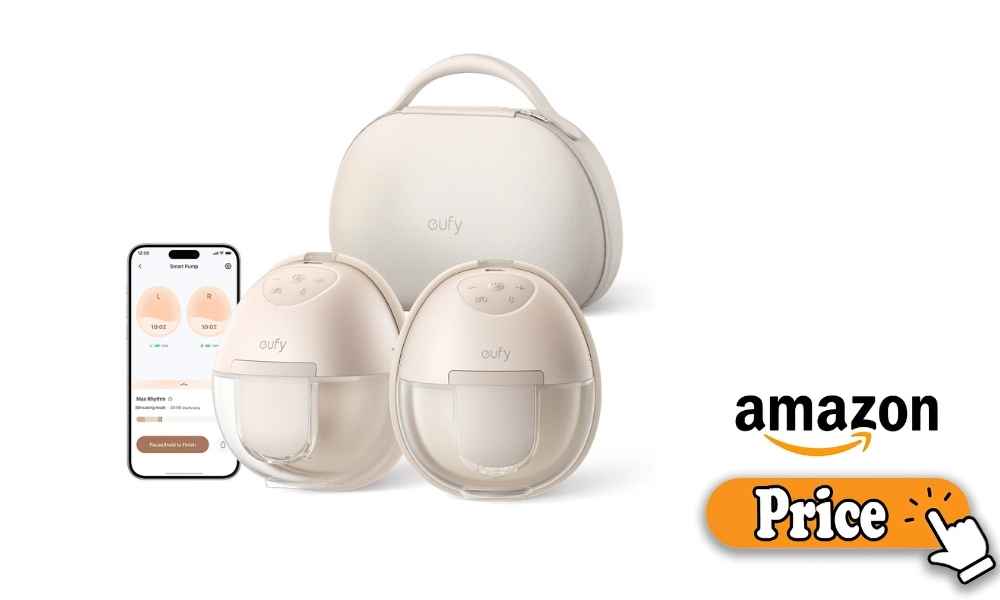
The most heavily advertised feature of the premium unit is its comprehensive charging and carrying case ecosystem. It fundamentally changes how you pack and travel with your lactation gear during long work trips.
Instead of hunting for wall outlets in airport bathrooms, you simply drop the motor hubs into their designated slots. The case holds multiple days of battery life, offering profound peace of mind for traveling parents.
Yet, this convenience comes with an undeniable weight penalty that you must factor into your daily carry. Let us break down the reality of this specific accessory.
The Magnetic Charging Case Experience
Having a dedicated, powered home for your pump hubs eliminates the constant anxiety of dead batteries. The case itself is beautifully designed, snapping shut with a satisfying clack that secures the delicate motors inside.
However, I noticed that you cannot use the fridge hack with the cups while they are attached to the motors in this case. You have to dismantle the setup entirely if you want to chill the collection cups between sessions.
This adds an extra step to a process that is supposed to be saving you time and energy. It is a minor friction point, but one that becomes highly irritating at three in the morning.
The case also requires a dedicated spot in your bag, taking up precious real estate alongside diapers and wipes. You must decide if that bulk is worth the constant power supply.
Advanced HeatFlow Technology
Applying warmth directly to breast tissue is a game-changer for parents who struggle with frequent milk blebs or stubborn clogs. The premium unit offers seven distinct temperature settings, allowing for a highly customizable thermal experience.
In practice, having seven micro-adjustments feels slightly excessive when you just want a warm compress effect. I rarely ventured beyond the middle settings, as the maximum heat can feel a bit intense on sensitive skin.
The warmth certainly encourages a faster initial let-down, shaving a minute or two off my total pumping time. It mimics the spa-like warmth of a traditional lactation massager without requiring you to hold anything.
Whether this specific granularity in temperature control justifies the higher cost remains highly subjective. Let us move on to how the more affordable counterpart holds up.
How the Budget Alternative Fares Under Daily Pressure
Choosing the less expensive route does not mean you have to sacrifice hospital-grade suction or basic comforts. The baseline model is built for raw, practical endurance without the flashy accessories that drive up retail costs.
| Daily Environment | eufy S1 Pro Performance | eufy E20 Performance |
| Office Cubicle | Excellent (Keeps hubs charged) | Great (Easy USB-C top-ups) |
| Long Road Trips | Superior (Case acts as battery) | Good (Requires car charger) |
| Night Stand Use | Moderate (Case is bulky) | Excellent (Minimal footprint) |
This matrix illustrates how different daily routines can entirely shift which pump feels more appropriate. The affordable model shines in scenarios where simplicity and standard charging are prioritized over travel capabilities.
When you strip away the charging case and the granular heat settings, you are left with a highly capable workhorse. The baseline unit delivers the exact same suction profile and the same basic heating element design.
I was deeply impressed by how well it handled my eight-session-a-day exclusive pumping schedule without faltering. The motors never bogged down, even when I accidentally let the battery drain lower than I should have.
The simplicity of this device is arguably its greatest strength for exhausted parents who just want to hit a button and go. Let us examine the charging situation in more detail.
USB-C Convenience and Reliability
There is immense psychological relief in knowing your breast pump uses the exact same charging cable as your smartphone. If you forget your cord while rushing out the door, you can easily borrow one from a coworker.
The baseline unit features standard USB-C ports directly on the motor hubs, allowing for universal charging compatibility. This eliminates the sheer panic of misplacing a proprietary cable during a weekend trip.
I have spent frantic hours tearing my house apart looking for specialized chargers for other pumps, so this is a massive win. Universal charging should be the industry standard for all wearable medical devices.
The trade-off is that you have to plug each motor in individually, which adds a few seconds to your setup routine. Let us look at a structural issue that affects user comfort.
Managing Elastic Nipples with E20 Flanges
One critical detail I discovered during testing relates to the physical geometry of the silicone collection cups. Parents with highly elastic nipple tissue might experience some significant friction where the flange tunnel meets the cup basin.
The baseline model has somewhat harsh, square internal edges that can rub aggressively as the tissue stretches down the tunnel. If you have elastic nipples, this abrupt transition zone can cause moderate discomfort or even micro-abrasions over time.
Many users find success by utilizing silicone cushion inserts or even gently smoothing the sharp edges, though modifying parts is frustrating. It is a design oversight that highlights the importance of proper sizing and tissue lubrication.
You absolutely must apply a generous layer of pumping spray or coconut oil to mitigate this specific friction point. Let us break down the other compromises you make when choosing this unit.
The Compromise Breakdown
Saving a substantial amount of money always requires giving up a few modern conveniences and safety nets. Understanding exactly what you are sacrificing allows you to make an informed, confident purchasing decision for your postpartum journey.
| Component / Feature | Splurge Model Setup | Budget Model Setup |
| Number of Washable Parts | Standard 5 per side | Standard 5 per side |
| Cable Replacements | Expensive Proprietary | Cheap Universal USB-C |
| Thermal Granularity | 7 specific heat levels | 3 basic heat levels |
Comparing these specific compromises makes it much easier to determine if the financial savings align with your needs. The physical maintenance of washing and drying parts remains entirely identical across both units.
The most glaring compromise is the complete lack of a protective carrying environment for the baseline motors. You will need to source your own hard-shell case to prevent the hubs from getting crushed in your diaper bag.
Additionally, you lose the battery security that comes with having a dedicated power bank tailored specifically to your pumps. You must be far more diligent about plugging the cheaper units into the wall every single night.
The heating functionality also takes a slight hit, offering fewer options for dialing in the perfect temperature. Let us look closer at how the heating settings actually compare.
Minor Differences in Heating Levels
Dropping from seven heat settings down to three might sound like a massive downgrade on paper, but reality is different. In practice, having low, medium, and high options is more than enough for the vast majority of lactating parents.
I found that the middle setting on the budget unit provided the exact same soothing relief as my preferred setting on the luxury model. The human body simply cannot detect a single degree of temperature change through thick silicone.
The heat still efficiently loosens milk ducts and encourages a faster spray, saving you time during a rushed session. The core HeatFlow technology remains intact and highly effective despite the reduced number of settings.
The only parents who might truly miss the extra settings are those with extreme skin sensitivities who need ultra-precise control. Let us discuss the financial risks associated with proprietary technology.
The Cost of Replacement Cords
When you invest in a luxury device, you are often locked into an expensive ecosystem for replacement parts and accessories. The premium pump utilizes specialized magnetic charging cables that are completely unique to this specific manufacturer.
If your cat chews through one of these magnetic cords, you cannot simply run to a local electronics store for a replacement. You must order directly from the manufacturer, pay premium shipping rates, and wait several days for it to arrive.
During those shipping days, you are essentially left with a dead pump, forcing you to rely on a manual hand pump or your heavy wall unit. This creates a massive point of failure for exclusive pumpers who rely heavily on their wearables.
The budget unit completely sidesteps this trap by embracing universal standards, making it far more resilient in emergencies. Let us pivot to how you actually interact with these devices on a daily basis.
App Connectivity vs. Manual Button Access
Smart technology has infiltrated the lactation space, promising to automate the tedious aspects of logging milk volumes and session times. However, connecting a breast pump to your smartphone is not always the seamless, futuristic experience that brands advertise.
| Tech Issue | Symptom Displayed | Recommended Solution |
| Bluetooth Drop | App loses connection mid-pump | Force close app and restart |
| Firmware Lag | Buttons delay when pressed | Update via stable Wi-Fi only |
| Sync Failure | Session logs do not save | Re-pair hubs in settings |
This troubleshooting guide addresses the most common technological headaches parents face when using connected wearable pumps. Relying on an application introduces a layer of software instability to a very physical process.
Both of these models offer connectivity to the proprietary brand application, allowing you to control suction and track duration. It is highly convenient when you want to adjust the intensity without digging your hands down into your bra.
However, tracking applications are notorious for randomly disconnecting or failing to accurately log the completion of a session. At three in the morning, fighting with a glowing smartphone screen is the absolute last thing you want to do.
Sometimes, physical buttons are simply superior because they require no loading screens, no updates, and no Bluetooth pairing. Let us explore the reality of smart tracking.
Smart Tracking and Session Automation
The brand application attempts to build a comprehensive history of your pumping journey, logging your preferred rhythms and durations. It can theoretically recognize your custom settings and automatically apply them to future sessions to save time.
When it works perfectly, it feels like having a tiny lactation assistant managing your schedule for you. The ability to monitor exactly how many minutes have passed without checking your watch is genuinely helpful during busy workdays.
Unfortunately, the app occasionally drops the connection if you walk too far away from your phone to grab a snack. If you rely solely on the application to track your output, these dropped sessions will completely ruin your data averages.
I eventually found myself abandoning the app entirely and relying on standard tactile memory to manage my pumping. Let us talk about navigating the physical interfaces.
Navigating Controls During Night Sessions
The tactile experience of interacting with your breast pump in total darkness is a highly underrated metric of usability. When your baby is finally sleeping, you do not want to turn on a bright bedside lamp just to change a suction setting.
The physical buttons on both of these motor hubs are adequately raised, allowing you to find them by touch alone. You can memorize the layout relatively quickly, learning exactly how many clicks it takes to enter the expression phase.
However, the buttons can feel slightly stiff, requiring a firm press that can accidentally shift the flange alignment on your breast. You have to stabilize the collection cup with one hand while forcefully pressing the button with the other.
This minor physical clumsiness is a common issue with top-mounted wearable controls across the entire industry. Let us shift our focus to the ongoing costs of maintaining these devices over a year of use.
The Long-Term Math (Replacement Parts and Longevity)
Buying a breast pump is never a one-time financial transaction; it is the beginning of a costly subscription to silicone replacement parts. The true value of a pump is determined by how much you must spend to keep it functioning at peak capacity.
| Component Lifespan | Replacement Cost Factor | Overall Value Rating |
| Duckbill Valves | Inexpensive (Monthly) | High Value |
| Silicone Diaphragms | Moderate (Bi-Monthly) | Average Value |
| Motor Hub Units | Expensive (Yearly limit) | Low Value |
Understanding this financial breakdown is critical for budgeting your postpartum expenses accurately over a twelve-month period. Wearable pumps are particularly harsh on soft silicone parts because the entire unit is compressed inside a tight nursing bra.
Both the premium and budget models utilize the exact same internal collection cups, meaning their maintenance costs are identical. You will be buying the same duckbill valves and diaphragms regardless of which motor hub you originally purchased.
The real long-term math comes down to whether the premium battery case extends the overall lifespan of the motors. Let us look at exactly when you need to swap out these delicate barriers.
Routine Membrane and Valve Schedules
The duckbill valves are the absolute most critical component for maintaining high suction levels during your expression sessions. When these tiny silicone flaps begin to stretch or tear, your milk output will drop dramatically and immediately.
If you are an exclusive pumper using these wearables daily, you must replace the duckbills every three to four weeks. The backflow diaphragms, which protect the motor from milk moisture, should be swapped every six to eight weeks.
Failing to maintain this schedule forces the motor to work significantly harder to pull a vacuum, degrading the internal mechanics. It is the number one reason parents mistakenly believe their expensive breast pump has suddenly broken down.
You must build this recurring cost into your initial purchasing decision, as generic brand parts are not always compatible. Let us consider the actual lifespan of the wearable motors.
Wearable Motor Lifespan Expectations
Unlike heavy-duty hospital rentals that are designed to last for years, consumer wearables have a very finite operational lifespan. The miniature motors inside these sleek plastic shells generate an immense amount of heat during a thirty-minute session.
Over the course of a year, the constant heat and vibration will inevitably wear down the internal vacuum mechanics. Most wearable pumps are essentially considered dead after roughly one thousand hours of active pumping time.
Because the premium model costs significantly more, it is financially devastating if the motor begins losing strength at eight months. The budget model softens this blow, making it much easier to swallow the cost of buying a replacement unit later.
You should always view wearable pumps as temporary convenience tools rather than permanent, multi-child investments. Let us break down if the luxury upgrade is truly justified.
Is the Premium Investment Worth It?
Determining if the massive price jump is justified requires a brutally honest assessment of your financial stability and daily chaos. It is not just about having the best gear; it is about having the right gear for your specific environment.
| Pump Issue Symptom | Likely Culprit | Immediate Action |
| Milk backing up to top | Torn backflow diaphragm | Replace silicone membrane |
| Motor sounds weak/loud | Worn out duckbill valve | Swap with fresh valve |
| Battery dies rapidly | Degraded internal cell | Contact warranty support |
This symptom identification matrix helps you distinguish between normal wear and tear and actual mechanical failure. Having this knowledge empowers you to maintain your chosen pump, regardless of which tier you purchase.
To decide if the splurge is worth it, you have to weigh the absolute convenience against the undeniable financial premium. The premium model offers a seamless, highly managed experience that takes a lot of battery anxiety off your plate.
However, the budget model is a resilient, powerful machine that refuses to compromise on actual milk removal capabilities. It is the scrappy underdog that consistently performs above its assigned weight class.
- You travel constantly for work and desperately need a reliable, off-grid power supply for multiple days.
- You struggle severely with frequent clogs and require the absolute most granular heat settings to maintain milk flow.
- You have a flexible budget and prioritize aesthetic, seamless charging ecosystems over raw financial savings.
- You want the absolute quietest, most feature-rich experience to reduce the mental burden of pumping.
If those specific scenarios do not apply to your life, the upgrade fee is likely an unnecessary burden on your wallet. Let us make the final assessment for the most demanding users.
Final Assessment for Exclusive Pumpers
Exclusive pumpers demand a level of durability and suction retention that casual users simply cannot comprehend. For these parents, a wearable pump is not a luxury accessory; it is a vital prosthetic necessary for feeding their child.
I generally advise exclusive pumpers to view wearables as secondary tools rather than their primary method of milk removal. However, if you are going to use one heavily, the baseline model represents a much safer financial risk.
You get the exact same hospital-grade suction, the exact same cup capacity, and highly effective heating technology for much less. The universal charging cables ensure that a lost cord will never derail your strict pumping schedule.
The luxury model is undeniably beautiful and convenient, but the budget model is the pragmatic champion of daily endurance. It is the pump I would personally choose to throw in my messy tote bag every single morning.
Conclusion
When navigating the complexities of the eufy S1 Pro vs E20, it becomes explicitly clear that higher price tags do not equate to better suction. Both of these wearable devices are incredibly capable of emptying your breasts efficiently while providing soothing, continuous heat. They represent a significant leap forward in wearable technology, prioritizing both output and maternal comfort in equal measure.
Ultimately, your decision hinges entirely on how much you value universal charging over a dedicated, magnetic power bank ecosystem. If you are strapped for cash but desperate for heated flanges, the budget model is a spectacular, hard-working choice. However, if your lifestyle demands constant travel and you despise managing individual charging cables, the premium upgrade will genuinely improve your daily sanity.