
If you are wondering, “Can you use Dude Wipes on your face?” the short answer is: sometimes, but with care. Dude Wipes are made for external cleaning, yet many are designed for areas such as the body, groin, or buttocks rather than the delicate skin on your face.
Using one in a pinch may be fine for many adults. Still, facial skin can react to fragrance, preservatives, alcohol, or cleansing agents. The safest choice is a wipe made for the face, especially if you have sensitive skin, acne, eczema, or a history of rashes.
Can You Use Dude Wipes on Your Face?
You can use Dude Wipes on your face if the label allows use on facial skin and the product does not contain ingredients that bother you. However, “safe for external use” does not always mean “made for the face.” The face has thinner skin in some areas and is close to the eyes, lips, and nose.
A Dude Wipe may remove sweat, oil, and light dirt. It may help after a workout, during travel, or when you cannot wash with water. But it should not replace a gentle facial cleanser as part of your normal skin care routine.
The key point is this: check the exact product label. Dude Wipes sells more than one type of wipe, and ingredients can vary by product. A wipe that feels fine on the body may feel tight, dry, or itchy on the face.

What Are Dude Wipes Made For?
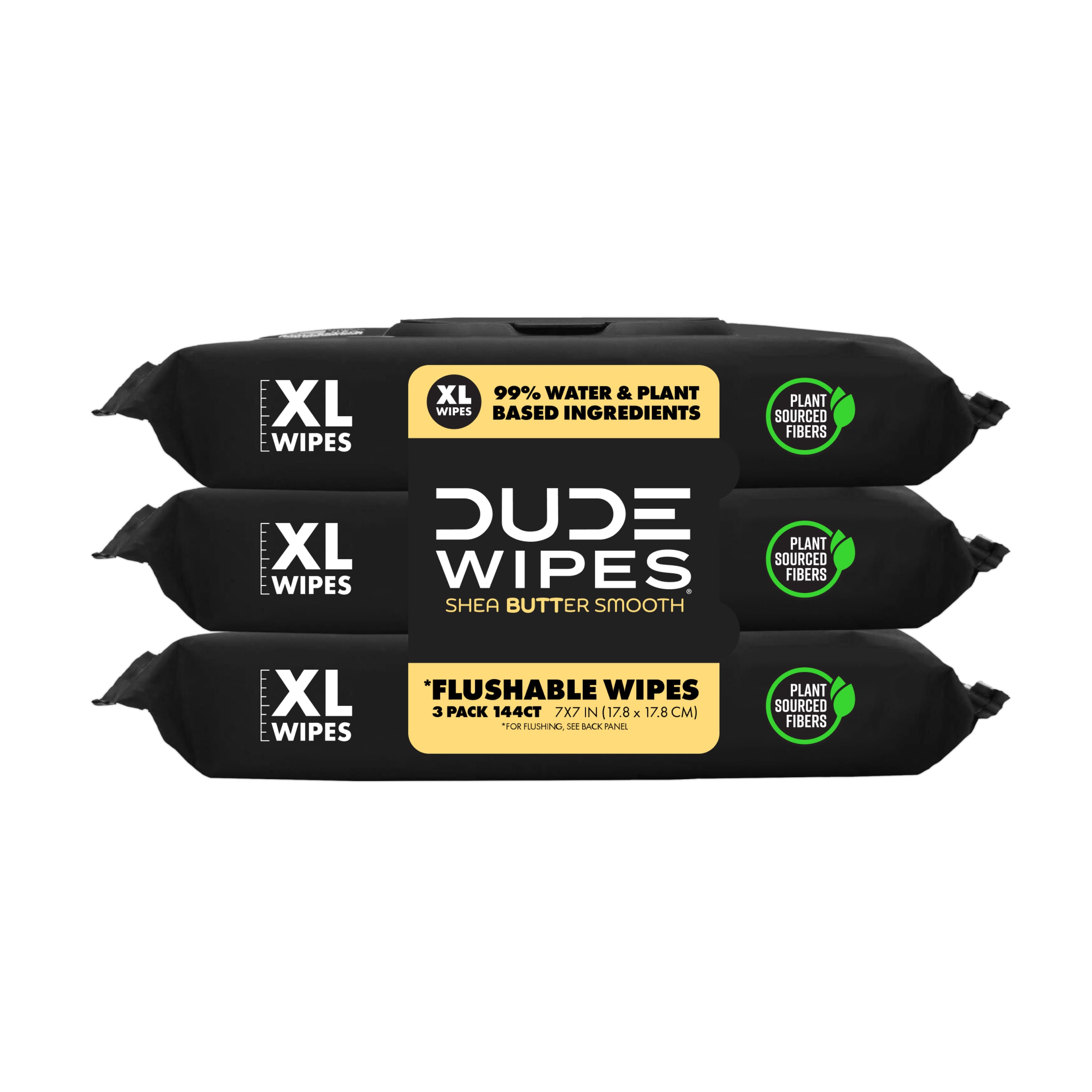
Dude Wipes are personal cleansing wipes. They are often used after using the toilet, after exercise, while traveling, or when a shower is not available. Some products are marketed for the butt, groin, body, or general freshening.
These wipes are usually wet with a water-based solution. The solution may include cleansing agents, moisturizers, plant extracts, preservatives, and fragrance. The wipe itself may be made from materials such as plant-based fibers, viscose, bamboo, or a spunlace fabric.
The exact material and formula depend on the product. A “plant-based” wipe can still contain preservatives or fragrance. A “flushable” claim also does not mean the wipe is suitable for your face or safe for all plumbing systems.
Most body wipes are built for quick cleaning, not deep skin care. They may leave a clean feeling, but they are not always pH-balanced for facial skin.

Body Wipes Versus Facial Wipes
Facial wipes are usually made with the face in mind. They may use milder cleansing agents and may avoid heavy fragrance. Some are labeled for sensitive skin, acne-prone skin, or makeup removal.
Body wipes may focus more on removing sweat, odor, and grime. This does not make them bad products. It simply means they may have a different purpose. A body wipe can be useful for your arms, chest, back, or groin but may be less comfortable around the eyes and cheeks.
Facial skin also faces daily stress from sun, shaving, makeup, dry air, and skin care products. A wipe that removes sweat may not remove sunscreen or makeup well. Rubbing the skin again and again can also lead to redness.
In my experience with skin care labels, the best product is not always the one with the longest ingredient list. A simple formula with little or no fragrance is often easier for sensitive facial skin to handle.
The Main Safety Concern
The main concern is irritation. Irritation can happen when a product removes too much oil, contains a scent that your skin dislikes, or is rubbed over delicate skin. It can also happen when the wipe is used often.
A single use may cause no problem. Repeated use may be different. The face has a skin barrier that helps hold in water and protect against outside irritants. Harsh cleansing or frequent wiping can weaken that barrier.
A damaged skin barrier may feel dry, tight, hot, itchy, or sore. You may see flaking, small bumps, redness, or burning. These signs do not prove an allergy, but they mean you should stop using the product.
The eye area needs special care. Do not use Dude Wipes on the eyelids, under the eyes, or directly near the eye unless the product clearly says it is safe for that use. If liquid enters the eye, rinse with clean water.

Fragrance and Scent
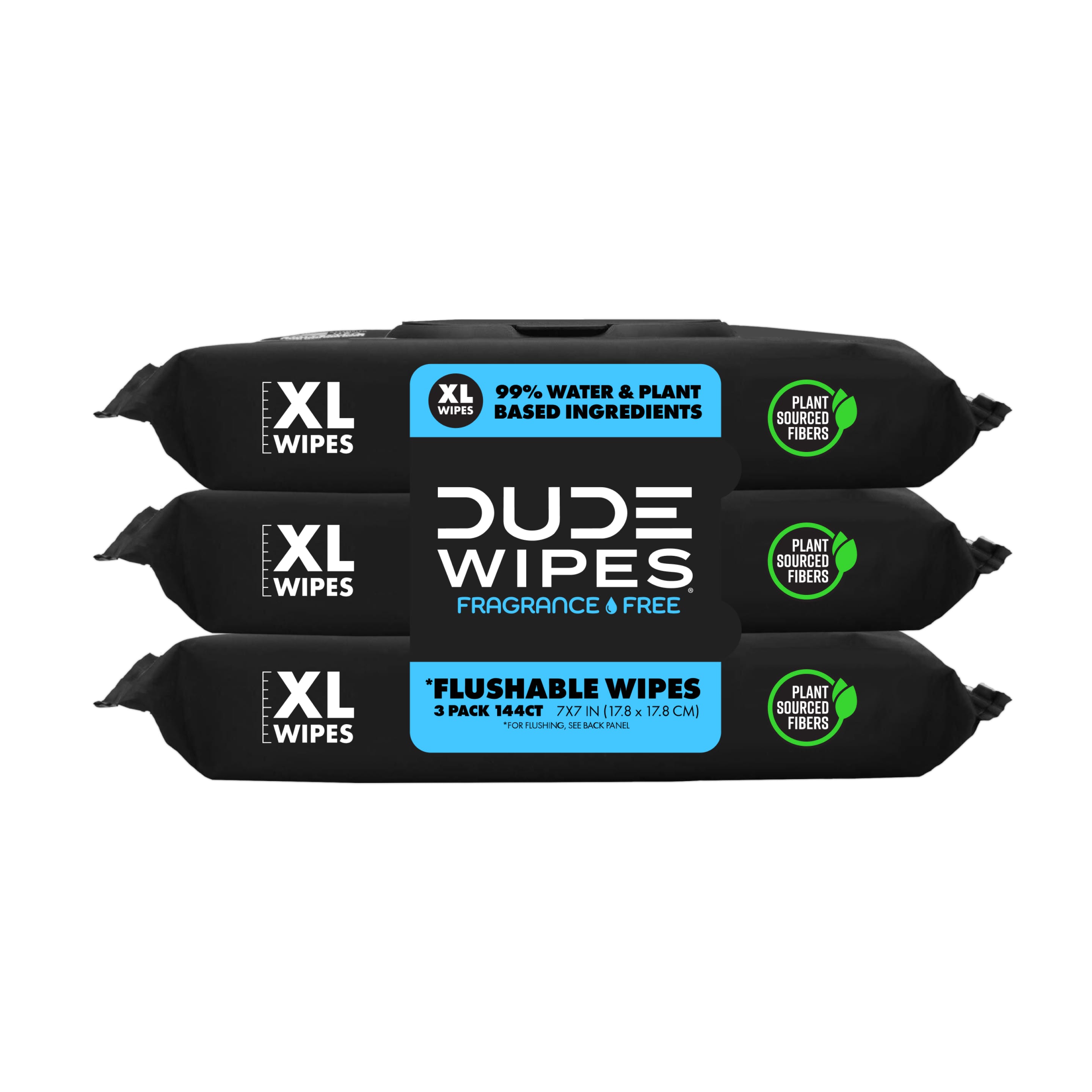
Fragrance is one of the most common reasons a wipe may bother facial skin. “Fragrance” can refer to a mix of scent ingredients. The label may not list every part of that mix.
A scented wipe may feel fresh after exercise. Yet freshness is not the same as clean skin health. The skin around the nose and mouth can be more reactive than skin on the arms or legs.
If your face is sensitive, choose fragrance-free skin care when possible. “Unscented” is not always the same as fragrance-free. An unscented product may still use ingredients to hide the smell of other ingredients.
If a Dude Wipes product has a strong scent, it may be better for the body than the face. Never apply a scented wipe to broken, sunburned, shaved, or inflamed skin.
Preservatives in Wipes
Wipes need preservatives because they contain water. Without protection, bacteria, yeast, and mold could grow inside the package. Preservatives are not automatically harmful. They serve an important purpose in wet products.
Some wipes may use preservatives such as phenoxyethanol. Phenoxyethanol is used in many personal care products. Some people can use it without trouble, while others may find that certain formulas cause irritation.
The concern is not just one ingredient. A person’s reaction can depend on the whole formula, how often the product is used, and whether the skin is already damaged. A product can be legal and well made yet still not suit your skin.
If you have reacted to wipes before, read the ingredient list each time you buy a new type. Formulas can change, and different Dude Wipes products may not use the same ingredients.

Could Dude Wipes Dry Out Your Face?
Yes, Dude Wipes could dry out your face, especially if you use them often. Wipes can lift oil from the skin. Some cleansing agents may also leave the face feeling tight.
Dryness is more likely if you use a wipe after shaving, in cold weather, or on skin that is already flaky. It may also occur if you wipe hard or use several wipes in one day.
The face does need cleaning, but a clean feeling is not always a sign that the skin is healthy. A tight feeling after wiping may mean that too much surface oil has been removed.
If your face feels dry after using a Dude Wipe, rinse with lukewarm water and apply a plain, fragrance-free moisturizer. If the dryness continues, stop using the wipes on your face.
How Alcohol May Affect Facial Skin
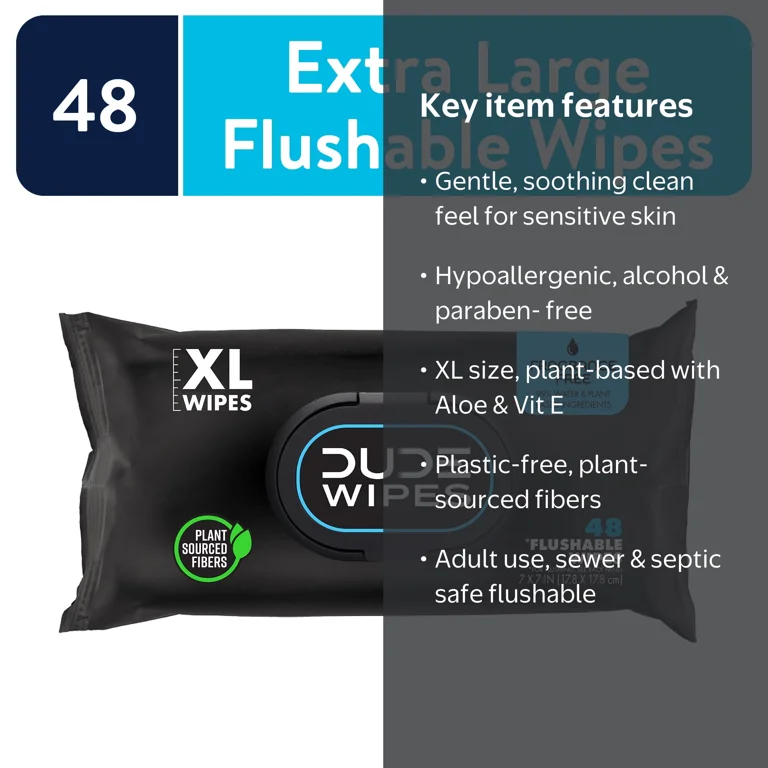
Some wipes contain alcohol, while others do not. You must check the package for the exact formula. Alcohol can help dissolve oil and create a quick-drying feel, but it may sting or dry some faces.
Not every type of alcohol acts the same way. Fatty alcohols used to thicken or soften a product are different from drying alcohols. The label may list names such as alcohol denat., ethanol, or isopropyl alcohol.
People with oily skin sometimes think a drying product will help. It may remove oil for a short time, but over-cleaning can leave the skin uncomfortable. It may also lead to more rubbing and more irritation.
If you have acne, redness, rosacea, eczema, or very dry skin, be extra cautious with wipes that contain alcohol or strong scent.

Can You Use Dude Wipes on Acne-Prone Skin?
You may be able to use a Dude Wipe on acne-prone skin once in a while, but it is not an acne treatment. A wipe may remove sweat and surface oil. It will not replace a cleanser made for acne care.
Rubbing a wipe over pimples can make them sore. It may also spread oil, makeup, or bacteria across the skin if the same part of the wipe is used again. Use a fresh area of the wipe for each part of your face.
Do not scrub acne spots. Pat the area gently, then let it dry. Avoid wipes with heavy fragrance if your skin breaks out or becomes red easily.
If you need to clean your face after exercise, a gentle face wash and water are better when available. A clean, soft towel can help remove sweat without repeated rubbing.
Can You Use Them on Eczema or Sensitive Skin?
It is best to avoid using Dude Wipes on eczema patches, cracked skin, or a damaged skin barrier unless a health professional tells you to do so. Wipes can sting when the skin has tiny cracks that you cannot see.
Sensitive skin may react to fragrance, preservatives, botanical extracts, or cleansing agents. Even a product called hypoallergenic is not guaranteed to work for every person. “Hypoallergenic” is a claim, not a promise that a reaction is impossible.
If you have eczema, look for products labeled fragrance-free and made for sensitive skin. A soft cloth with lukewarm water may be a better emergency option. Do not scrub dry patches.
When the skin is calm, test a small amount of the product on the side of your neck or inner arm. Wait to see how your skin responds before using it on your face.
How to Read the Dude Wipes Label
The label can help you decide whether a wipe is suitable for occasional facial use. Look for instructions about where the product can be used. If the package says “body only,” do not use it on your face.
Check for a full ingredient list. Focus on fragrance, alcohol, preservatives, and any ingredients you already know your skin cannot tolerate. Also check the product’s warnings.
Words such as “water-based,” “plant-based,” and “pH-balanced” can be helpful, but they do not answer every safety question. Water-based tells you about the main liquid. It does not mean the product contains only water.
The term pH-balanced can refer to a formula made within a certain pH range. It does not mean the product matches your exact skin pH or that it will never irritate you.
Ingredients Worth Noting
When checking a wipe for facial use, look for ingredients that may matter to your skin. These include:
- Fragrance or parfum
- Alcohol denat., ethanol, or isopropyl alcohol
- Preservatives such as phenoxyethanol
- Strong cleansing agents
- Botanical extracts that have caused you a past reaction
- Added oils or ingredients that may clog your pores
This list is not a list of “bad” ingredients. It is a guide for personal tolerance. The same ingredient may work well for one person and bother another.
Do not rely only on front-label words. Terms such as natural, clean, pure, and plant-based sound appealing but do not tell you the full safety story. The back label gives more useful details.
A Safe Way to Try Dude Wipes on Your Face
If you decide to try Dude Wipes on your face, use a small test first. Do not begin by wiping your entire face, especially if you have sensitive skin or a history of contact dermatitis.
Wash your hands before opening the package. Take one wipe and test it on a small area near the jaw or behind the ear. Avoid the eyes, lips, and any cut or rash. Leave the area alone and watch for burning, itching, swelling, or redness.
If the test area feels normal, use the wipe gently on a small part of your face. Do not press hard. Do not keep wiping until the skin feels completely dry or squeaky.
Afterward, rinse your face if the product leaves a film or if your skin feels tight. Apply a simple moisturizer if you need one. Stop at once if you feel burning or notice a rash.
Step-by-Step Use
When water and a proper face cleanser are not available, this method can reduce the chance of irritation:
- Read the package and confirm that the wipe is meant for external skin use.
- Check the ingredient list for fragrance, alcohol, and known personal triggers.
- Wash your hands before touching your face.
- Use a fresh wipe and make gentle passes over the forehead, cheeks, chin, and neck.
- Avoid the eyes, eyelids, lips, inside of the nose, and broken skin.
- Do not scrub pimples, dry patches, or razor bumps.
- Rinse with clean water later when you can.
- Stop using the product if burning, itching, swelling, or a lasting rash appears.
This method is for occasional use. It is not a reason to replace daily washing with a body wipe.
When a Dude Wipe May Be Useful
A Dude Wipe may be useful after a workout when your face is covered in sweat. It can also help during a long trip, camping trip, road trip, or work shift. Some people use wipes after shaving or when they cannot reach a sink.
A wipe can be handy during a late night. It may remove surface sweat before bed when you are too tired to wash. Even then, a quick rinse with water is better when possible.
Wipes can also help clean the forehead or neck after wearing a helmet or hat. Use a fresh wipe and avoid sharing the package with others. Sharing can move germs between hands and skin.
Think of a wipe as a backup tool. It is like carrying a small umbrella. It helps when the weather changes, but it does not replace a roof.
When You Should Not Use Dude Wipes on Your Face
Do not use Dude Wipes on your face if the package warns against facial use. Also avoid them if the wipe is strongly scented or if you know one of its ingredients causes a reaction.
Do not use a wipe over sunburn, open cuts, cold sores, bleeding skin, or a severe rash. Avoid using one after a strong facial treatment, such as a chemical peel, unless your skin care provider says it is safe.
Do not use a wipe in the eye. Do not use it inside the nose or mouth. These tissues need products made for their specific use.
If you are wiping a baby’s face, choose a product made for babies or use a soft cloth and water. Adult body wipes are not the best choice for newborn skin. Baby skin can be thinner and more sensitive, and babies may rub the wipe into their eyes or put their hands in their mouths.
What to Do If Your Skin Reacts
If your face burns or stings after using a Dude Wipe, stop using it. Rinse the area with lukewarm water. Do not use a scrub, toner, aftershave, or scented moisturizer to cover the problem.
Pat your skin dry with a clean towel. Use a plain moisturizer if you normally tolerate one. Avoid shaving or applying active skin care products until the skin feels calm.
Watch for signs such as swelling, hives, blisters, spreading redness, or trouble breathing. Seek urgent medical help for breathing trouble, facial swelling, or a fast, severe reaction.
For a mild rash that does not improve, speak with a pharmacist or health care professional. Persistent, painful, worsening, blistering, bleeding, or unusual skin changes need medical advice.
Irritation Versus Allergy
Irritation often causes burning, dryness, tightness, or redness soon after use. It may stay in the area where the wipe touched the skin. Allergy can cause itching, swelling, hives, or a rash that spreads.
The two can look similar. Do not try to diagnose the cause on your own. A clinician can help if the reaction is strong or keeps returning.
Do not test the wipe again just to see what happens. Repeated exposure can make some reactions worse. Save the package or take a photo of the ingredient list in case you need to discuss it with a professional.
Are Dude Wipes Safe for Babies’ Faces?
Dude Wipes are not the first choice for a baby’s face. Newborn skin needs gentle care, and babies may have a stronger response to fragrance or other ingredients. A body wipe made for adults may also leave a residue that a baby can rub into the eyes or mouth.
For a baby’s face, use a soft cloth with warm water unless your child’s clinician suggests another product. For diaper changes, use wipes labeled for babies. Look for fragrance-free options if your baby has sensitive skin or diaper rash.
Do not use a wipe as a treatment for a rash. If a baby has a rash that is severe, spreading, raw, blistered, bleeding, or not improving, contact a health care professional.
Keep all wipe packs away from babies and young children. The plastic lid, sticker closure, and wet wipe can create a choking or suffocation risk if handled without supervision.
How Storage Affects Wipe Safety
Close the pop-top lid or sticker closure after each use. A loose seal can let the liquid dry out. It can also allow dirt to enter the pack.
Store wipes at room temperature unless the label says something else. Keep them away from direct sun, heaters, and very hot cars. Heat can change how a product feels and may damage the package.
Do not add water to dried-out wipes. Water can change the preservative balance and may allow microbes to grow. If the wipes smell different, change color, or look unusual, throw them away.
Dried-out wipes can also feel rough. Rough material can cause more friction on the face, especially around the nose and cheeks.
Are Flushable Dude Wipes Safe for Your Face?
A flushable label has nothing to do with facial safety. It describes a disposal claim, not how gentle the wipe is on skin. A wipe can be labeled flushable and still contain ingredients that bother your face.
Regular baby wipes and body wipes should not be flushed unless the product and your local wastewater system clearly support that use. Even products marketed as flushable can contribute to plumbing problems in some homes and sewer systems.
The safest habit is to place used wipes in a waste bin. Never flush wipes during a diaper change unless you have clear local guidance and the product instructions support it.
Also remember that “biodegradable” and “compostable” are not the same. A plant-based fiber may break down under certain conditions, but that does not mean it belongs in a toilet or a home compost bin.
Better Choices for Cleaning Your Face
The best option for regular face cleaning is a mild facial cleanser and lukewarm water. Use your fingertips rather than a rough cloth. Rinse well and pat dry.
For travel, carry face wipes made for facial skin. Choose fragrance-free products if you have sensitive skin. If you wear sunscreen or makeup, select a product that is made to remove those items, then wash your face when possible.
Micellar water and a soft reusable cloth can work for some people. Wash the cloth after use and let it dry fully. Do not reuse a damp cloth for days.
For a very quick clean, plain water is often better than repeated wiping. It may not remove heavy oil or makeup, but it avoids adding extra ingredients to the skin.
Common Misunderstandings
One common misunderstanding is that all wipes are the same. They are not. Baby wipes, makeup wipes, hand wipes, body wipes, and facial wipes may use different materials and formulas.
Another mistake is assuming that natural means gentle. Plant extracts and essential oils can still irritate skin. Bamboo and viscose describe wipe fibers, not proof that the wet formula is mild.
Some people also think a wipe is cleaner if it feels cool or strongly scented. Cooling and scent are sensory effects. They do not prove that the wipe cleans better.
Finally, a wipe cannot replace hand washing. If your hands are dirty, wash them with soap and water before touching your face.
“Hypoallergenic” Means No Reaction
Hypoallergenic usually means the maker designed the product to lower the chance of an allergic response. It does not mean the product has no ingredients that can irritate you.
A person can react to a product labeled hypoallergenic. The term may also be used in different ways by different brands. Read the ingredients and pay attention to your own skin.
If you have a known allergy, avoid the ingredient rather than trusting a front-label claim. A dermatologist or other qualified health professional can help you make a skin care plan if reactions happen often.
“Plant-Based” Means It Is Safe for the Face
Plant-based usually refers to some of the fibers or ingredients in a product. It does not mean the entire wipe is made from plants. It also does not mean the wipe is free from preservatives, fragrance, or cleansing agents.
A bamboo or viscose wipe may feel soft, but the wet solution matters just as much. Skin responds to the full product, not only the material you can touch.
Look at both parts of the package: the claims on the front and the ingredients on the back. Use the claims as clues, not as a final safety decision.
Frequently Asked Questions
Can I use Dude Wipes on my face every day?
Daily use is not the best choice unless the product is clearly made for facial skin and your face stays comfortable. Even then, a gentle facial cleanser and water are usually better for routine care. Stop if you notice dryness, redness, itching, or burning.
Can Dude Wipes remove makeup?
They may remove some makeup, but they are not always designed for the face or the eye area. Do not rub around your eyes. Use a makeup remover or facial cleanser made for that purpose.
Can I use Dude Wipes after shaving?
It is safer to avoid using scented or alcohol-containing wipes on freshly shaved skin. Shaving can leave tiny cuts and increase stinging. Use cool water and a gentle, fragrance-free product instead.
Are Dude Wipes good for oily skin?
They may remove surface oil for a short time, but they are not an oily-skin treatment. Frequent wiping can dry or irritate the face. A mild cleanser made for facial skin is a better daily option.
Can I use Dude Wipes on my lips?
No. Do not use them on your lips or inside your mouth unless the package specifically says they are made for that use. Wipe ingredients are not meant to be swallowed.
Can I use Dude Wipes around my eyes?
Avoid the eyes and eyelids. If the product gets in your eye, rinse with clean water. Seek medical advice if pain, redness, blurred vision, or irritation continues.
Are Dude Wipes safe for eczema?
They may irritate eczema, especially if they contain fragrance, alcohol, or ingredients that your skin does not tolerate. Avoid using them on active eczema patches or broken skin. Ask a health professional for advice if symptoms persist.
What should I do if Dude Wipes cause a rash?
Stop using them and rinse your skin with lukewarm water. Avoid other scented products until the area settles. Get medical advice for a severe, spreading, blistering, painful, or lasting rash.
Can I use baby wipes on my face instead?
Some adults can use fragrance-free baby wipes on the face, but baby wipes are not automatically facial wipes. Check the label and ingredients. A proper face cleanser is still better for regular washing.
Do Dude Wipes expire?
Check the package for an expiration date or period-after-opening guidance. Even before that point, throw away wipes that smell odd, change color, dry out, or look contaminated.
Conclusion
So, can you use Dude Wipes on your face? You can use some types occasionally, but only after checking the label and ingredients. Keep the wipe away from your eyes, lips, broken skin, eczema patches, and severe acne.
For regular care, choose a mild facial cleanser or a wipe made for the face. If your skin burns, itches, swells, or develops a lasting rash, stop using the product and seek professional advice. A wipe is a useful backup, but it is not always the best face wash.