
Bobbie vs Similac: The Ultimate Formula Guide
Comparing Bobbie vs Similac is a deeply personal choice for many families trying to find the perfect nutritional balance for their growing babies. I have spent over fifteen years evaluating infant nutrition, and I understand the overwhelming anxiety of standing in the formula aisle analyzing ingredient lists.
During those exhausting 3 AM bottle preparations, you simply need a product that digests easily and supports your child’s development without causing unnecessary fussiness. My goal here is to offer an incredibly honest, judgment-free breakdown of these two popular options to help you make an informed decision.
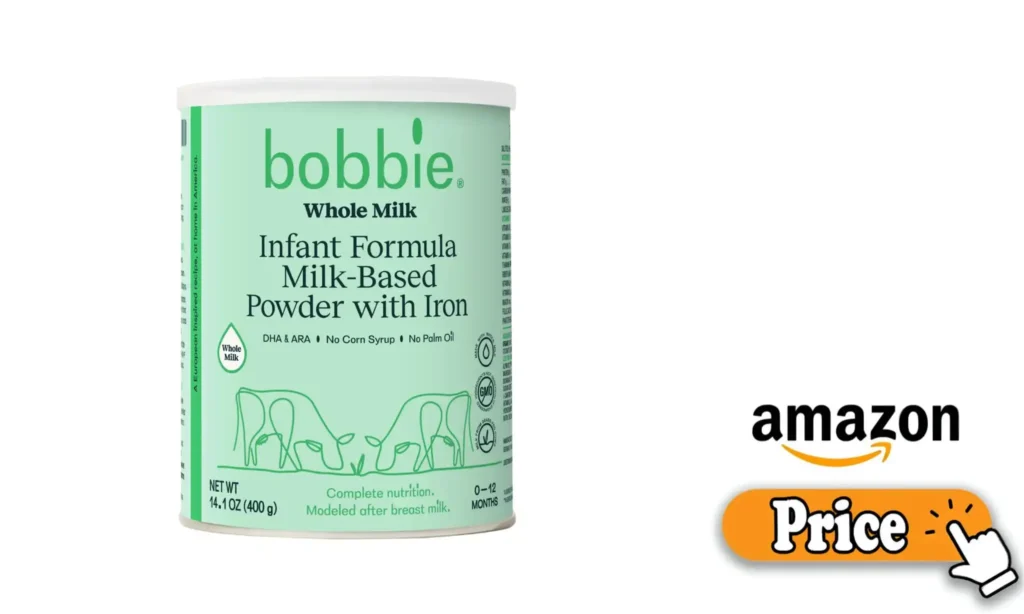
Bobbie Organic Formula Review
Bobbie entered the market with a strong commitment to bringing European standard formulas directly to American parents who prioritize incredibly clean nutrition. It focuses on a streamlined ingredient profile that intentionally leaves out corn syrup and palm oil to prioritize easy early digestion.
As a parent who has panic-searched for out-of-stock cans, I truly appreciate their reliable subscription model that delivers directly to your door. This brand heavily appeals to families wanting stringent organic certifications without dealing with expensive or unreliable third-party importers.
Pros and Cons
Evaluating the specific advantages and drawbacks of this organic option requires looking beyond the beautiful packaging and clever marketing claims. You have to consider how these specific ingredients actually function during everyday feeding routines in the real world.
| Feature Profile | Major Advantages | Notable Drawbacks |
| Ingredient Purity | USDA Organic certified | No added prebiotics |
| Fat Source | No palm olein oil | Less complex fat blend |
| Carbohydrates | 100% pure lactose | Higher cost per ounce |
Looking at these points, the emphasis on a whey dominant protein ratio clearly mimics early breast milk composition quite beautifully. However, the lack of prebiotics like GOS or FOS is a notable omission that some pediatricians frequently point out during consultations.
Real-World Feeding Experience
Vigorously shaking a bottle of this organic powder usually results in a very smooth liquid, though you might occasionally deal with excessive foam blocking the nipple. I always recommend gently swirling the mixture instead of shaking it aggressively to minimize the trapped air bubbles that lead to painful gas.
The smell is noticeably mild and sweet, lacking the distinct, sometimes sour odor found in heavily fortified or hypoallergenic formulas. Even so, it is completely normal to experience the anxiety of waiting for a dirty diaper after transitioning your infant to this new brand.
Recommendation
I strongly recommend this option for families who strictly prioritize USDA Organic certifications and completely lactose-based carbohydrates over budget-friendly alternatives. It is an excellent fit for infants who tolerate standard cow’s milk but need a gentler fat blend completely free of palm olein oil.
If your child frequently spits up on a fresh outfit right before walking out the door, the easily digestible whey proteins here might help. However, parents dealing with severe milk protein allergies should definitely explore specialized, extensively hydrolyzed options instead of this intact protein recipe.
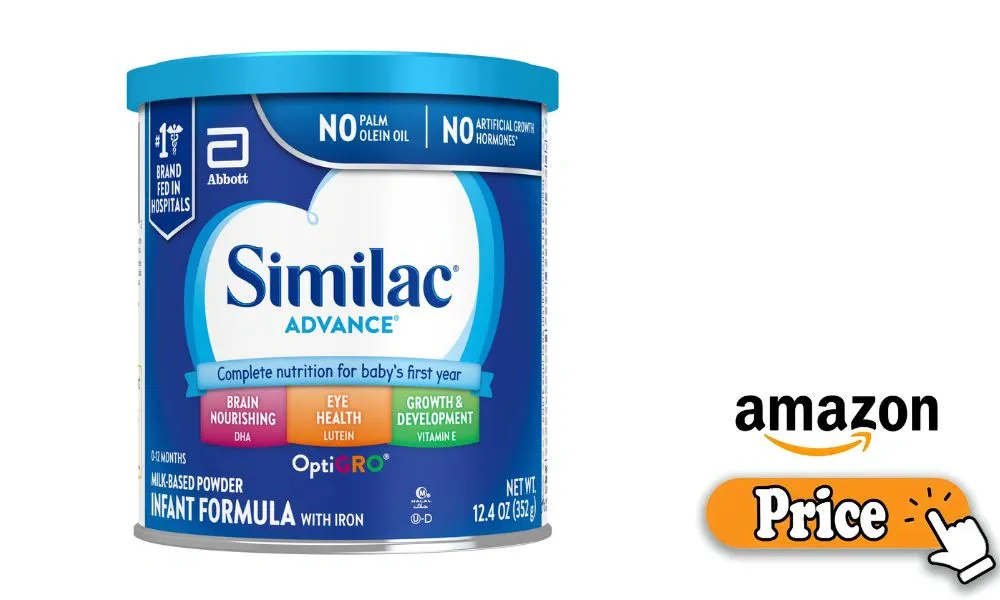
Similac Advance Formula Review
Similac Advance remains one of the most widely recognized and heavily trusted conventional formulas found on nearly every grocery store shelf today. It provides comprehensive, highly researched nutrition backed by decades of extensive pediatric studies and widespread clinical use in hospitals across the country.
Its everyday accessibility is a massive relief when you realize you are down to your last scoop and need an immediate replacement from a local pharmacy. This formula incorporates a complex blend of prebiotics and added nutrients explicitly designed to closely support early infant immune development.
Pros and Cons
Assessing this conventional giant involves weighing its incredible convenience and immune-supporting additions against some of its more traditional ingredient choices. It is a highly reliable workhorse in the infant feeding world that has safely nourished millions of healthy, thriving babies over the years.
| Feature Profile | Major Advantages | Notable Drawbacks |
| Immune Support | Contains advanced prebiotics | Not organic certified |
| Accessibility | Available at most local stores | Contains palm olein oil |
| Formats Available | Powder and ready-to-feed | Distinct vitamin smell |
The addition of scientifically backed prebiotics provides excellent support for developing healthy gut bacteria in rapidly growing infants. Conversely, the presence of palm olein oil can occasionally cause firmer stools in certain babies with highly sensitive digestive tracts.
Real-World Feeding Experience
Mixing this powder is generally effortless, dissolving rapidly into warm water without leaving frustrating clumps at the bottom of the feeding bottle. You might notice a slightly stronger, more distinct metallic smell compared to specialized organic European brands, which is entirely normal for fortified products.
“Transitioning formulas requires patience; infants need at least a week to adjust their digestive enzymes,” is a common sentiment among veteran parents and pediatricians. You may notice temporary changes in stool frequency or consistency as your baby adapts to the specific prebiotic blend included in this conventional recipe.
Recommendation
This is a fantastic choice for parents who value extreme convenience, immune-supporting prebiotics, and a generally more affordable cost per ounce. It perfectly suits healthy infants without specific dietary restrictions who consistently thrive on a standard, nutritionally complete cow’s milk base.
If you rely heavily on daycare settings or travel frequently, the ability to buy ready-to-feed liquid bottles of this exact recipe is absolutely invaluable. It provides absolute peace of mind knowing you can consistently find your baby’s primary food source wherever your busy family travels.
Details Comparison: Bobbie vs Similac
Placing these two popular options head-to-head reveals significant differences in their core formulation philosophies and daily sourcing standards. Both products meet strict FDA guidelines for infant nutrition, ensuring your baby receives all the essential vitamins and minerals required for healthy growth.
The ultimate decision often comes down to prioritizing either pristine organic ingredients or advanced immune-supporting additives like specific complex oligosaccharides. Let us dive deep into the specific categories that matter most during those crucial, exhausting early months of infant feeding.
Ingredient Quality and Cleanliness
The organic challenger strictly utilizes pasture-raised cow’s milk and completely avoids controversial carbohydrates like corn syrup or maltodextrin. “The carbohydrate source in infant formula should ideally mimic the lactose found in human milk whenever possible,” notes standard pediatric nutritional guidelines.
| Ingredient Category | Bobbie Formula | Similac Advance |
| Protein Base | Organic pasture-raised dairy | Conventional dairy blend |
| Carbohydrate | Pure lactose only | Lactose dominance |
| Prebiotics | None included | Advanced GOS blend |
The conventional brand includes a broader mix of ingredients, prioritizing scientifically synthesized prebiotics that closely replicate beneficial human milk oligosaccharides. While not organically certified, it delivers a highly researched, complex nutritional profile that rigorously supports early cognitive and physical development.
Rating: Bobbie: 9/10 || Similac: 7/10
Digestibility and Tummy Tolerance
Digestibility is arguably the most critical factor when evaluating whether a specific formula will cause frustrating episodes of excessive gas or crying. The organic choice utilizes a whey dominant protein ratio that typically moves through an infant’s tiny stomach much faster than heavier casein blends.
| Digestive Factor | Bobbie Formula | Similac Advance |
| Protein Breakdown | Intact whey dominant | Intact whey/casein blend |
| Stool Softness | Generally softer stools | Occasional firmer stools |
| Gas Potential | Low, if mixed gently | Low, aided by prebiotics |
The conventional option contains palm olein oil, which some clinical studies suggest can occasionally lead to harder stools and mild, temporary constipation. However, its inclusion of prebiotics acts as a natural dietary fiber, which often balances out those potential digestive slowdowns quite beautifully.
Rating: Bobbie: 8/10 || Similac: 8/10
Preparation and Mixing Ease
When you are operating on barely two hours of sleep, the last thing you want is a powder that refuses to dissolve properly in warm water. Both of these products mix relatively well, but the conventional powder seems to incorporate just slightly faster during quick, gentle bottle swirling.
| Preparation Metric | Bobbie Formula | Similac Advance |
| Mixing Speed | Requires thorough swirling | Dissolves very rapidly |
| Clumping Risk | Low in warm water | Extremely rare |
| Format Options | Powder only | Powder and liquid |
Proper preparation is incredibly important for maintaining the precise nutritional density your growing child needs for healthy, consistent weight gain. Never dilute the powder beyond the manufacturer’s strict directions, as this dangerous practice can lead to severe and life-threatening water intoxication.
Rating: Bobbie: 8/10 || Similac: 9/10
Value and Cost per Ounce
Budget considerations are an inescapable reality for modern families, as feeding an infant exclusively with formula is a massive financial commitment. The organic European-style brand naturally commands a premium price point due to its stringent sourcing and specialized small-batch manufacturing processes.
| Value Metric | Bobbie Formula | Similac Advance |
| Retail Pricing | Premium tier pricing | Mid-tier pricing |
| Availability | Direct subscription focus | Wide retail presence |
| Bulk Options | Monthly bulk boxes | Large warehouse tubs |
The conventional brand offers a much more approachable cost per ounce, especially when purchased in large bulk containers at wholesale warehouse clubs. You must carefully calculate your monthly budget to ensure you can consistently afford whichever excellent brand you ultimately choose to introduce.
Rating: Bobbie: 7/10 || Similac: 9/10
Nutritional Profile and Standards
Both brands rigorously adhere to strict domestic nutritional requirements, but the organic contender also specifically models its recipe after strict European regulatory standards. This means it intentionally caps certain carbohydrates and utilizes specific fat blends to match overseas manufacturing philosophies more closely.
| Nutritional Feature | Bobbie Formula | Similac Advance |
| Essential Fats | Contains DHA and ARA | Contains DHA and ARA |
| Iron Fortified | Yes, standard levels | Yes, standard levels |
| Regulatory Standard | FDA and EU modeled | FDA compliant |
Ensuring your baby gets adequate iron is crucial, and both of these products are appropriately fortified to prevent early childhood anemia safely. The slightly metallic scent you might notice when opening either can is completely normal and directly related to this essential mineral fortification.
Rating: Bobbie: 9/10 || Similac: 8/10
Conclusion and Safety Reminder
Choosing the ideal nourishment for your infant involves balancing ingredient purity, digestive tolerance, and your family’s realistic, long-term monthly budget. Both of these respected brands offer exceptionally safe, highly regulated nutrition that will effectively help your baby grow, develop, and thrive wonderfully.
Please remember to always consult your pediatrician before switching formulas, especially if you suspect underlying allergies or severe digestive sensitivities. Have you noticed any specific digestive triggers or unusually fussy periods after feeding that might influence your choice between these two distinct brands?