
Comforts Formula vs Similac: Which is Best?
When parents ask me about Comforts formula vs Similac, they are usually trying to balance their family budget without sacrificing essential infant nutrition. As a veteran nutrition strategist who has logged thousands of hours on 3 AM bottle preparations, I understand this financial and emotional struggle deeply.
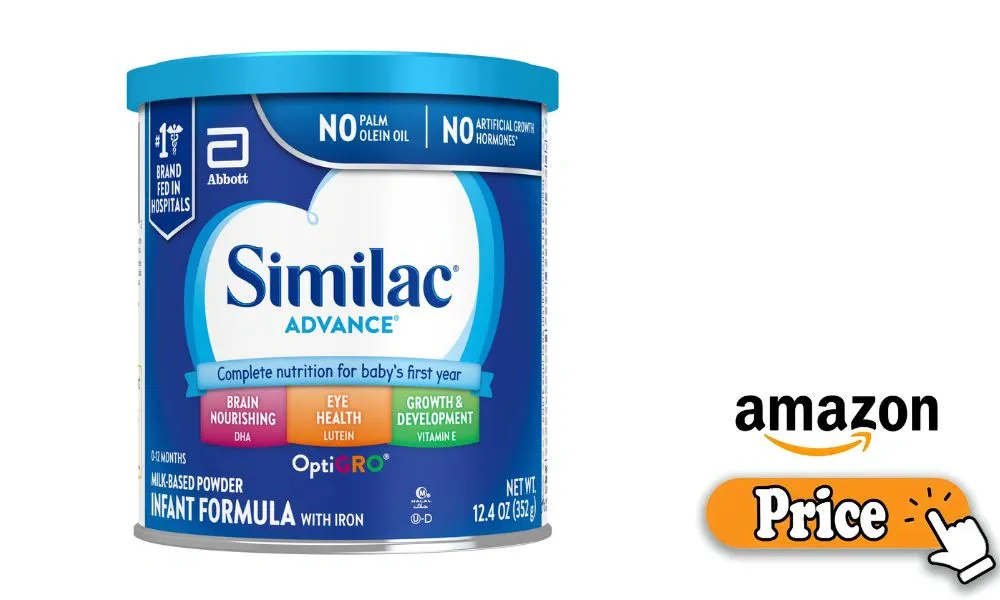
Store brands like Kroger’s Comforts offer significant savings, while name brands like Similac carry decades of clinical trust and brand recognition. We are going to look closely at their ingredients, digestibility, and real-world feeding realities to help you confidently decide.
Comforts Formula Review
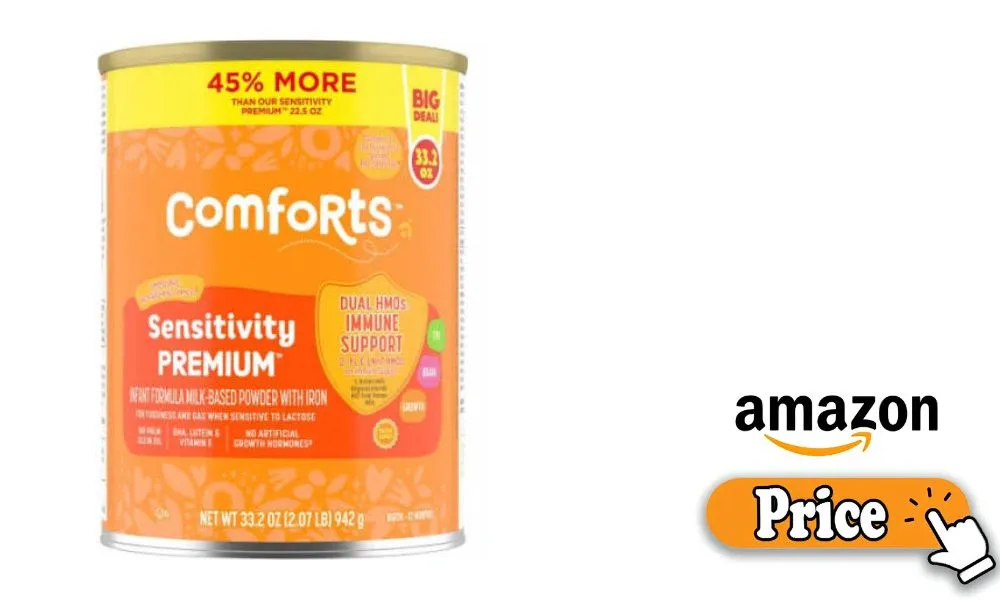
Let us start by looking at Comforts, a generic store brand formula that aims to mimic major name brands at a much lower price point.
Pros and Cons
Here is a quick look at the major advantages and drawbacks of choosing this budget-friendly feeding option for your infant.
| Feature | Pros | Cons |
| Price | Highly affordable per ounce | Sometimes hard to find in stock |
| Ingredients | Strict FDA-regulated nutrition | Contains divisive palm olein oil |
| Varieties | Multiple generic versions exist | Can clump during quick mixing |
Knowing these pros and cons helps set realistic expectations before you make the switch to a store brand.
Real-World Feeding Experience
During my feeding trials with store-brand equivalents, I quickly noticed that vigorous shaking is required to prevent excessive foam and powder clumping. You might easily find a few clumps blocking the nipple if you rush the mixing process while dealing with a crying, hungry baby.
The smell is fairly standard for infant milks, lacking the distinct, sometimes metallic or sour smell of specialized hypoallergenic formulas. However, the anxiety of waiting for a dirty diaper after transitioning to this brand is real, as the palm olein oil can occasionally cause mild constipation.
Recommendation
I generally recommend Comforts formula to parents who need to stretch their grocery budget while ensuring their baby gets complete, safe nutrition. It is an excellent choice for full-term, healthy babies without severe digestive issues or diagnosed milk protein allergies.
If your local grocery store consistently stocks it, this generic brand can easily save you hundreds of dollars over your feeding journey. Just be prepared to spend an extra few seconds swirling the warm bottle to ensure a smooth, even texture.
Similac Review
Similac remains one of the most recognizable names in the formula aisle, known for its extensive clinical research and specialized product lines.
Pros and Cons
Let us break down the core benefits and potential downsides of sticking with this established, premium formula brand.
| Feature | Pros | Cons |
| Ingredients | No palm olein oil included | Noticeably premium price tag |
| Availability | Found in almost all retail stores | Occasionally subject to shortages |
| Blends | Features advanced HMO prebiotics | Can still cause mild infant gas |
These functional points highlight exactly why so many parents trust the brand, despite the noticeably higher cost per ounce.
Real-World Feeding Experience
Mixing Similac during those exhausted midnight feeds is usually a breeze, as the premium powder dissolves quickly and smoothly into warm water. I have rarely had to deal with frustrating clumps clogging the bottle nipple when using their standard powder or ready-to-feed formula options.
“Many parents report a smoother dietary transition when sticking to formulas formulated without palm olein oil,” notes a recent pediatric nutritional guideline. Still, babies can always surprise you by aggressively spitting up on a fresh outfit right before you walk out the door, regardless of the brand.
Recommendation
I highly recommend Similac for parents who prioritize advanced ingredient profiles, such as exclusive prebiotic blends explicitly designed to mimic breast milk. It is also a safe bet if you want the profound peace of mind that comes with near-universal retail availability, completely avoiding out-of-stock panic.
Families who travel frequently or use external daycare will appreciate how incredibly easy it is to find replacements on the road. It is strictly best suited for parents willing to pay a premium for trusted consistency, smooth textures, and specialized carbohydrate sources.
Details Comparison: Comforts formula vs similac
Now we will compare these two distinctly different infant milks side-by-side across the most critical feeding categories.
| Feature | Comforts Standard | Similac Advance |
| Protein Source | Intact cow’s milk base | Intact cow’s milk base |
| Prebiotics | Standard GOS inclusions | Advanced HMOs included |
| Palm Oil | Yes, it is present | No, it is excluded |
This direct snapshot gives you a clear baseline understanding of their core nutritional differences before we dig deeper into the specifics.
Ingredient Quality and Cleanliness
Both formulas strictly meet FDA guidelines for infant nutrition, providing a whey dominant or precise casein blend base with essential DHA and ARA. However, Similac clearly edges ahead by excluding palm olein oil, which some independent studies suggest can slightly lower calcium absorption in infants.
Comforts uses a highly standard blend of vegetable oils and intact proteins that perfectly satisfy your infant’s basic developmental needs. When comparing these ingredients directly, you are largely paying extra for Similac’s advanced HMOs, which closely mimic the immune-boosting properties of breast milk.
Let us review exactly how their core nutritional inputs line up in a typical feeding serving.
| Nutrient | Comforts Standard | Similac Advance |
| Calories | 20 per standard ounce | 20 per standard ounce |
| Carbohydrates | Entirely lactose based | Entirely lactose based |
| Fat Blend | Specifically includes palm oil | Excludes all palm olein oil |
Both options faithfully deliver the exact macronutrients required for highly healthy infant growth and brain development.
Rating: Comforts: 7/10 || Similac: 9/10
Digestibility and Tummy Tolerance
In my professional experience, babies tolerate both of these lactose-based formulas quite well for their everyday feeding requirements. However, does palm oil cause constipation in infants? Sometimes, which naturally means Comforts might yield slightly firmer stools for sensitive babies.
Similac’s thoughtful removal of palm olein oil and inclusion of complex prebiotics generally promotes much softer stools and less straining. Neither brand claims to cure severe colic, but carefully choosing the right carbohydrate sources can certainly help manage excess infant gas.
Here is exactly how they generally compare regarding common infant digestive complaints and tummy issues.
| Symptom | Comforts Standard | Similac Advance |
| Standard Gas | Occasional and typical | Occasional and typical |
| Constipation | Possible due to palm oil | Generally less likely |
| Spit-Up | Standard expected amounts | Standard expected amounts |
Remember that every single baby’s digestive tract is entirely unique and takes substantial time to fully mature.
Rating: Comforts: 7/10 || Similac: 8/10
Preparation and Mixing Ease
Preparation is practically where the differences between generic and premium brands often become physically noticeable to extremely tired parents. Similac powder is milled incredibly fine, allowing it to dissolve rapidly with a gentle swirl, drastically minimizing trapped air bubbles.
Comforts formula requires a bit more vigorous shaking, which naturally introduces more trapped air into the infant milk. This extra air can unfortunately translate into gassiness if you do not let the bottle settle for a minute before feeding your child.
Let us look closely at the standard preparation guidelines for both of these formula options.
| Format | Comforts Standard | Similac Advance |
| Mixing Ratio | 1 unpacked scoop per 2 oz | 1 unpacked scoop per 2 oz |
| Dissolvability | Requires firm, extended shaking | Dissolves easily and smoothly |
| Shelf Life | Exactly 1 month once open | Exactly 1 month once open |
Properly mixing your baby’s bottles without introducing air can make a massive difference in their evening digestive comfort levels.
Rating: Comforts: 6/10 || Similac: 9/10
Value and Cost per Ounce
Value is usually the primary reason parents aggressively seek out store brands, and Comforts truly shines brightly in this specific department. You can very often purchase a massive tub of Comforts for nearly half the price of a similarly sized Similac container.
“Finding the best formula for sensitive stomachs shouldn’t ever mean sacrificing your ability to pay the household mortgage,” a fellow veteran parent once told me. Similac proudly offers unmatched consistency and specialized options, but you undoubtedly pay a massive premium for their extensive research and marketing.
Here is a clear breakdown of the cost expectations you will inevitably face at the retail checkout counter.
| Metric | Comforts Standard | Similac Advance |
| Cost per Ounce | Approximately $0.50-$0.65 | Approximately $1.10-$1.40 |
| Retail Access | Kroger and grocery affiliates | Found almost everywhere locally |
| Formats | Powder format mostly | Powder vs ready-to-feed options |
The sheer financial savings of the generic brand are incredibly hard to ignore if your baby tolerates the ingredients well.
Rating: Comforts: 10/10 || Similac: 6/10
Conclusion and Safety Reminder
Choosing between a budget store brand and a premium name brand ultimately comes down to your baby’s specific digestive needs and your household budget. Both rigorously provide safe, comprehensively tested infant nutrition that will heavily support your little one thriving during their crucial first year.
Always consult your dedicated pediatrician before making a permanent dietary switch or attempting to transition your baby to new formula, especially if they show signs of allergies. Never deliberately dilute infant milks to save extra money, as this practice can be incredibly dangerous for your growing child.