
Enfamil NeuroPro vs Similac Advance Deep Dive
When parents ask me to compare enfamil neuropro vs similac advance, they are usually staring bleary-eyed at a store shelf. Both of these standard cow’s milk formulas are massive staples in the infant nutrition world. As a veteran parenting product reviewer, I know exactly how stressful choosing the right one feels.
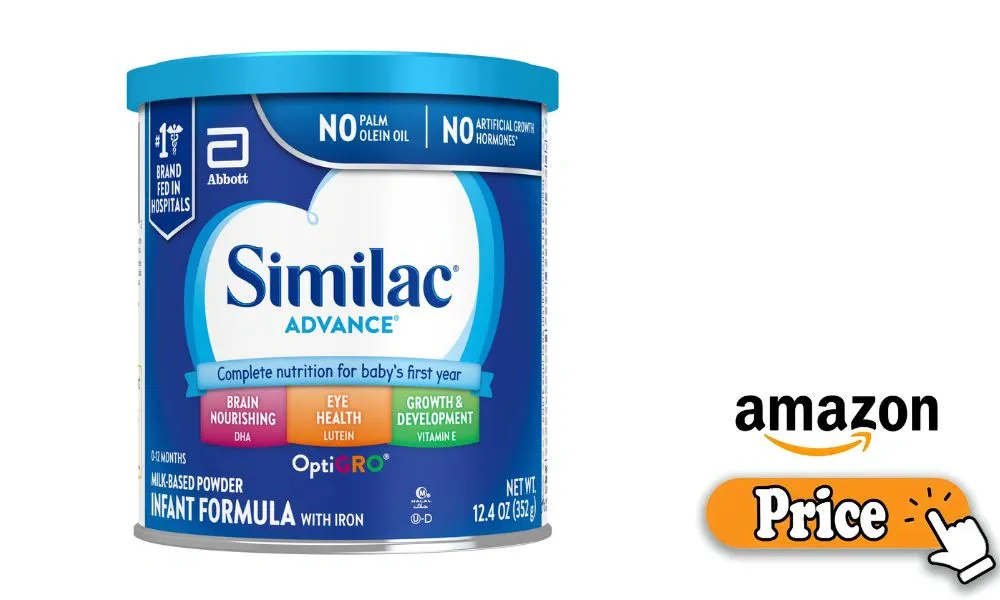
Over the past 15 years, I have logged thousands of hours analyzing whey-to-casein ratios and mixing bottles at three in the morning. “The best formula is simply the one your baby’s tummy accepts,” as top pediatric dietitians often remind anxious parents. Today, we will break down both options so you can finally feel confident in your feeding journey.
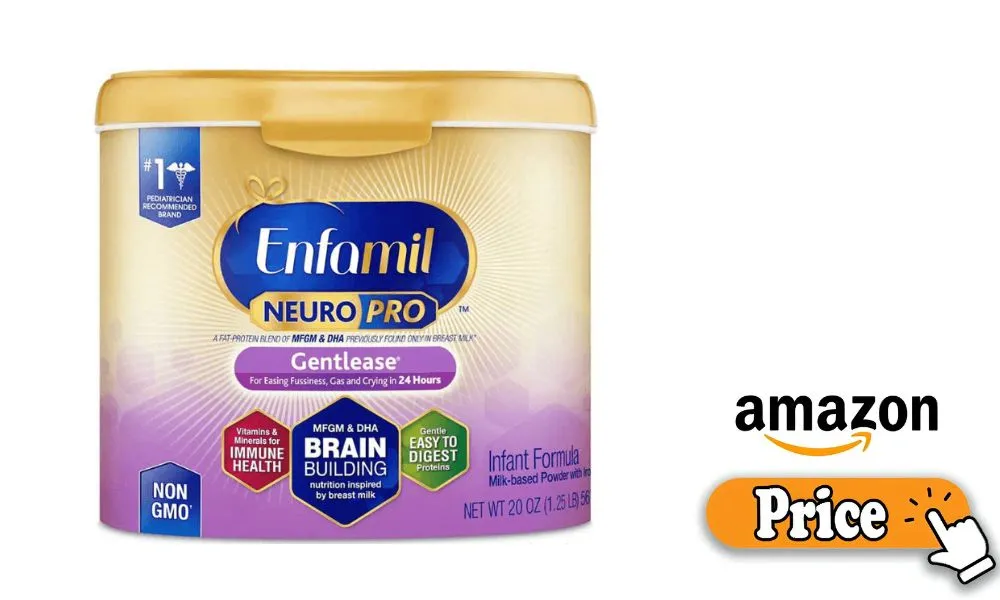
Enfamil NeuroPro Review
Let us look closely at what makes this specific infant formula a popular choice for many families. It brings a unique blend of ingredients designed to heavily mimic early breast milk properties.
Pros and Cons
Evaluating this formula requires looking at both its strong points and its daily feeding drawbacks. Here is a quick breakdown of what I have noticed during testing.
| Feature | Pros | Cons |
| Ingredients | Added MFGM and HMOs | Contains palm olein oil |
| Digestion | Prebiotics for gut health | Can cause mild constipation |
| Mixing | Dissolves fairly quickly | Sometimes leaves a slight foam |
Keeping these specific points in mind helps manage expectations before you buy a giant tub. It is all about knowing what trade-offs you are willing to make for your baby.
Real-World Feeding Experience
In my experience, preparing a bottle of this formula is generally a smooth process, even when you are utterly exhausted. Vigorously shaking a bottle rarely leads to excessive foam blocking the nipple, which is a huge relief during night feeds. The powder is finely milled, though you do have to ensure the water is at the optimal mixing temperature.
You might notice a distinct, sometimes metallic or sour smell when opening a fresh tub, which is standard for iron-rich formulas. Watching a baby drink this usually results in a satisfied, milk-drunk state, assuming they tolerate the fat blend well. The anxiety of waiting for a dirty diaper after transitioning to a new brand usually subsides once their tract adjusts.
Recommendation
I typically recommend this option for parents who heavily prioritize cognitive development ingredients like MFGM and ARA in their feeding plan. It is a fantastic bridge for mothers transitioning from breast milk who want a nutrient-dense profile rivaling the European standard. The inclusion of dual prebiotics and HMOs also makes it a solid choice for maintaining a healthy infant gut flora.
However, if your baby has a highly sensitive stomach, you might want to proceed with a bit of caution. The specific fat blend works wonderfully for most, but every infant’s digestive system responds uniquely to palm olein oil. Always remember that a gradual transition is the best way to introduce any new nutritional source.
Similac Advance Review
This legacy brand has fed generations of babies and remains a cornerstone of standard infant nutrition. It is known for its straightforward, highly accessible approach to everyday formula feeding.
Pros and Cons
Understanding the daily realities of this formula helps parents make an informed, confident nutritional choice. Let us weigh the benefits against the common struggles you might face.
| Feature | Pros | Cons |
| Ingredients | No palm olein oil | Slightly lower prebiotic count |
| Digestion | Promotes softer stools | Can cause mild gas initially |
| Value | Widely available everywhere | Scoops can sometimes clump |
This balance of features makes it a highly dependable option for families wanting a reliable, everyday feeding solution. Knowing these factors absolutely prevents stressful surprises at feeding time.
Real-World Feeding Experience
When I evaluated this formula, the first thing I noticed was how easily the powder incorporates into warm water. Dealing with clumps is incredibly frustrating when you have a crying infant, but this blend usually mixes into a creamy consistency. You do not have to shake it aggressively, which heavily reduces the amount of swallowed air during those midnight feeds.
The smell is relatively mild compared to specialized diets, making it easier for sensitive parents to handle daily. However, no formula is perfect, and you might occasionally deal with a baby spitting up on a fresh outfit right before walking out the door. The lack of palm olein oil in the fat blend often translates to noticeably softer stools, a major win for parents.
Recommendation
This is my go-to recommendation for parents who want a widely accessible, reliable formula without palm oil in the mix. If your baby has struggled with firm stools in the past, this specific fat blend can offer significant digestive relief. It provides peace of mind knowing you can find a replacement tub at almost any late-night retail pharmacy.
Families looking for a highly specialized, partially hydrolyzed protein option will need to look elsewhere in the brand’s expansive lineup. For a healthy, full-term baby without severe digestive issues, this remains an incredibly solid, evidence-based nutritional foundation. It avoids using heavy maltodextrin fillers and delivers exactly what it promises without unnecessary complications.
Details Comparison: Enfamil Neuropro vs Similac Advance
Now we need to put these two industry giants head-to-head across the most critical feeding categories. This side-by-side view will highlight exactly where their nutritional strategies ultimately diverge.
| Attribute | Enfamil NeuroPro | Similac Advance |
| Base Protein | Cow’s milk blend | Cow’s milk blend |
| Key Additions | MFGM & dual prebiotics | OptiGRO blend (DHA, Lutein) |
| Fat Source | Contains palm olein oil | Palm olein oil-free |
Seeing these core differences laid out helps clarify which brand aligns better with your specific parenting priorities. Let us dive deeper into exactly how these ingredients affect your baby.
Ingredient Quality & Cleanliness
Both brands meticulously follow FDA guidelines for infant nutrition, meaning they are incredibly safe and nutritionally complete for your baby. Enfamil pushes heavily into cognitive support by including MFGM, a fat-protein complex naturally found in human milk. They also utilize a whey dominant protein structure that actively aims to mimic the early stages of natural lactation.
Similac takes a slightly different approach with its OptiGRO blend, focusing on a specific ratio of DHA, lutein, and vitamin E. The most notable difference is their absolute refusal to use palm olein oil in their proprietary fat blend. “Eliminating palm oil can significantly improve calcium absorption and stool consistency in infants,” notes a recognized pediatric consensus.
Comparing the exact macronutrient sources reveals the different scientific philosophies behind these two massive brands.
| Component | Enfamil NeuroPro | Similac Advance |
| Carbohydrate | Nonfat milk & lactose | Nonfat milk & lactose |
| Fat Blend | Palm, soy, coconut, sunflower | Safflower, soy, coconut oils |
| Prebiotics | GOS and PDX | FOS (Fructooligosaccharides) |
Both utilize pure lactose as their primary carbohydrate, which is exactly what you want to see in a standard formula.
Rating: Enfamil NeuroPro: 9/10 || Similac Advance: 8/10
Digestibility & Tummy Tolerance
Digestibility is where the rubber meets the road, as even the best ingredients mean nothing if they cause severe cramps. Because both use intact, unhydrolyzed cow’s milk proteins, they are not suitable for babies with diagnosed milk protein allergies. However, for the average infant, the casein blend in both products is generally well-tolerated and easy to process.
The biggest divergence in tummy tolerance stems from their respective fat blends and how they process through the sensitive gut. Enfamil’s palm olein oil can sometimes lead to firmer stools, which might cause mild constipation in certain sensitive babies. Conversely, Similac’s palm-free oil blend is practically famous for producing softer, more frequent dirty diapers for most infants.
Tracking how these specific formulas interact with an infant’s developing digestive tract is crucial for a peaceful household.
| Symptom Match | Enfamil NeuroPro | Similac Advance |
| Constipation | Possible due to palm oil | Unlikely, promotes soft stools |
| Gas/Fussiness | Mild during transition | Mild during transition |
| Reflux/Spit-up | Standard occurrence | Standard occurrence |
Remember that every baby has a uniquely developing microbiome, so individual results will always vary slightly between households.
Rating: Enfamil NeuroPro: 8/10 || Similac Advance: 9/10
Preparation & Mixing Ease
When you are operating on two hours of sleep, preparation mechanics become the most important feature of any formula. Enfamil’s powder is exceptionally fine, meaning it dissolves into warm water with minimal effort and agitation. You rarely have to worry about aggressively shaking the bottle and creating a massive layer of trapped air bubbles.
Similac also mixes quite well, though I have occasionally noticed small clumps if the water is perfectly room temperature. Their scoops are ergonomically designed, making it slightly easier to level off a perfect serving without spilling powder everywhere. Both brands offer ready-to-feed liquid options, which are absolute lifesavers during travel or late-night exhaustion peaks.
Efficient preparation directly translates to a faster feeding time and a quicker return to your warm bed.
| Prep Feature | Enfamil NeuroPro | Similac Advance |
| Powder Texture | Very fine, fast dissolve | Standard milling, good mix |
| Foam Level | Low to moderate | Very low foam |
| Formats Available | Powder, concentrate, liquid | Powder, concentrate, liquid |
Mastering the mixing technique for either brand will greatly reduce the amount of air your infant accidentally swallows.
Rating: Enfamil NeuroPro: 9/10 || Similac Advance: 8/10
Value & Cost per Ounce
Infant formula is a massive financial commitment, and understanding the true cost per ounce is vital for family budgeting. Enfamil generally sits at a slightly higher price point, largely due to the expensive inclusion of MFGM in the recipe. The panic of noticing your chosen formula is consistently out of stock is rare here, as production volumes are massive.
Similac Advance is traditionally positioned as a slightly more cost-effective option while maintaining strict nutritional standards. Both brands participate widely in government assistance programs and offer generous coupon subscriptions directly through their websites. Buying in bulk warehouse tubs will drastically lower your long-term costs regardless of which brand you ultimately choose.
Breaking down the exact financial impact helps parents plan their grocery budgets for the entire first year.
| Value Metric | Enfamil NeuroPro | Similac Advance |
| Price Tier | Premium standard | Mid-range standard |
| Cost per Ounce | Generally $1.30 – $1.50 | Generally $1.15 – $1.35 |
| Availability | Universal retail presence | Universal retail presence |
Always calculate the exact cost based on the powdered weight rather than the liquid yield to get the most accurate comparison.
Rating: Enfamil NeuroPro: 8/10 || Similac Advance: 9/10
Conclusion and Safety Reminder
Choosing between these two excellent formulas ultimately comes down to prioritizing either cognitive ingredient additions or digestive fat blends. If you want the cutting-edge addition of MFGM and HMOs, Enfamil is the clear winner for your daily feeding routine. If you want to strictly avoid palm oil to ensure softer stools, Similac Advance is undoubtedly the smarter, more economical choice.
As a seasoned parenting product reviewer, I must heavily remind you to always consult your pediatrician before switching formulas. Never dilute your baby’s formula beyond the strict manufacturer directions on the back of the formula can. Trust your instincts, watch your baby’s cues, and remember that feeding them safely is always the most important goal.